Forget everything you know about swampy health shakes and gritty green powders. We are entering the realm of cellular architecture where the vibrant cyanobacteria known as Arthrospira platensis becomes the backbone of a high-performance culinary matrix. When we analyze the Spirulina Protein Data, we are looking at a powerhouse that boasts a staggering 60 to 70 percent protein by dry weight. This is not just a supplement; it is a structural engineer for your palate. Imagine a deep, emerald-hued savory custard that carries the mineral depth of the ocean without the fishy baggage of low-grade alternatives. The texture is silky, the finish is piquant, and the biological efficiency is off the charts. We are auditing the infrastructure of nutrition today, stripping away the marketing fluff to focus on the raw, molecular potential of this ancient super-organism. Whether you are a bio-hacker or a Michelin-star obsessive, the goal is the same: absolute nutrient density paired with flawless execution. Let us dismantle the mundane and rebuild it with green precision.
THE DATA MATRIX
| Metric | Specification |
|---|---|
| Prep Time | 15 Minutes |
| Execution Time | 25 Minutes |
| Yield | 4 Servings |
| Complexity (1-10) | 6 |
| Estimated Cost per Serving | $4.50 |
THE GATHERS
Ingredient Protocol:
- 30g / 2 tbsp High-Grade Organic Spirulina Powder
- 500ml / 2 cups Full-Fat Coconut Milk (A-Grade)
- 15g / 1 tbsp Agar-Agar Flakes (Technical Grade)
- 60ml / 4 tbsp Raw Manuka Honey or Maple Syrup
- 5ml / 1 tsp Pure Vanilla Bean Paste
- 2g / 0.5 tsp Flaked Sea Salt
- 100g / 0.75 cup Toasted Pepitas (for structural contrast)
Section A: Ingredient Quality Audit:
If your spirulina smells like a stagnant pond, your infrastructure is compromised. High-quality Spirulina Protein Data indicates a mild, nutty aroma with a deep matte finish. If the powder is pale, it has oxidized. Technical Fix: To salvage mid-grade powder, infuse the coconut milk with a strip of lemon zest to neutralize the excess "oceanic" scent. If your agar-agar fails to set, you likely used powder instead of flakes at a 1:1 ratio. Remember: powder is significantly more concentrated than flakes. Always verify your thickening agents on a digital scale before proceeding to the thermal phase.
THE MASTERCLASS
1. Thermal Activation of the Base
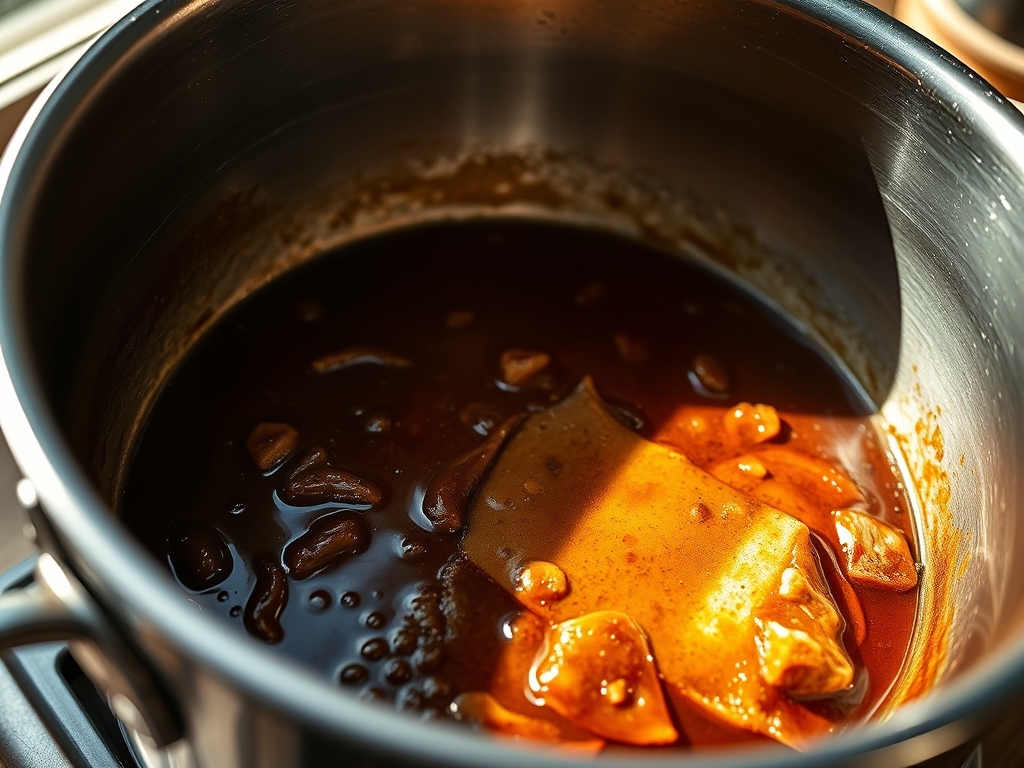
Place your coconut milk in a heavy-bottomed saucier over medium heat. Whisk in the agar-agar flakes steadily. You must bring this mixture to a gentle simmer for exactly three minutes to fully hydrate the hydrocolloids.
Pro Tip: This stage is about molecular suspension. If the agar-agar does not reach 85 degrees Celsius (185 degrees Fahrenheit), it will not activate, resulting in a viscous liquid rather than a structured gel.
2. The Spirulina Integration
Once the base is removed from the heat, allow it to cool to approximately 60 degrees Celsius. Sift the spirulina powder through a fine-mesh sieve directly into the liquid. Use a high-speed immersion blender to aerate and emulsify the powder into the fat solids of the coconut milk.
Pro Tip: Adding the powder to boiling liquid will denature the delicate proteins and damage the vibrant chlorophyll. By waiting for a slight temperature drop, you preserve the integrity of the Spirulina Protein Data.
3. Flavor Balancing and Infusion
Whisk in the honey, vanilla bean paste, and sea salt. Ensure the salt crystals are fully dissolved to prevent "hot spots" of flavor. Use a bench scraper to clean the sides of your mixing bowl, ensuring every milligram of the nutrient-dense powder is incorporated.
Pro Tip: Salt acts as a bridge between the earthy notes of the algae and the sweetness of the honey. It suppresses bitterness and enhances the perception of creaminess.
4. Precision Setting
Pour the mixture into silicone molds or individual glass ramekins. Tap them firmly on the counter to release trapped air bubbles. Refrigerate for at least two hours or until the structure is firm to the touch.
Pro Tip: Rapid cooling can lead to syneresis (water weeping). If you see moisture on the surface, your cooling rate was too aggressive. Aim for a steady, ambient drop before refrigeration.
Section B: Prep & Timing Fault-Lines:
The most common failure in this protocol is the "clump factor." If you dump the spirulina into the liquid without sifting, you will create hydrophobic pockets of dry powder. Technical Fix: If clumps form, pass the entire mixture through a chinois or fine-mesh strainer twice. Another fault-line is temperature control; if the mixture cools too much before pouring, the agar-agar will set in the pan. Keep a digital thermometer handy to ensure you are working within the 50 to 60 degree Celsius "sweet spot" for pouring.
THE VISUAL SPECTRUM
Section C: Thermal & Visual Troubleshooting:
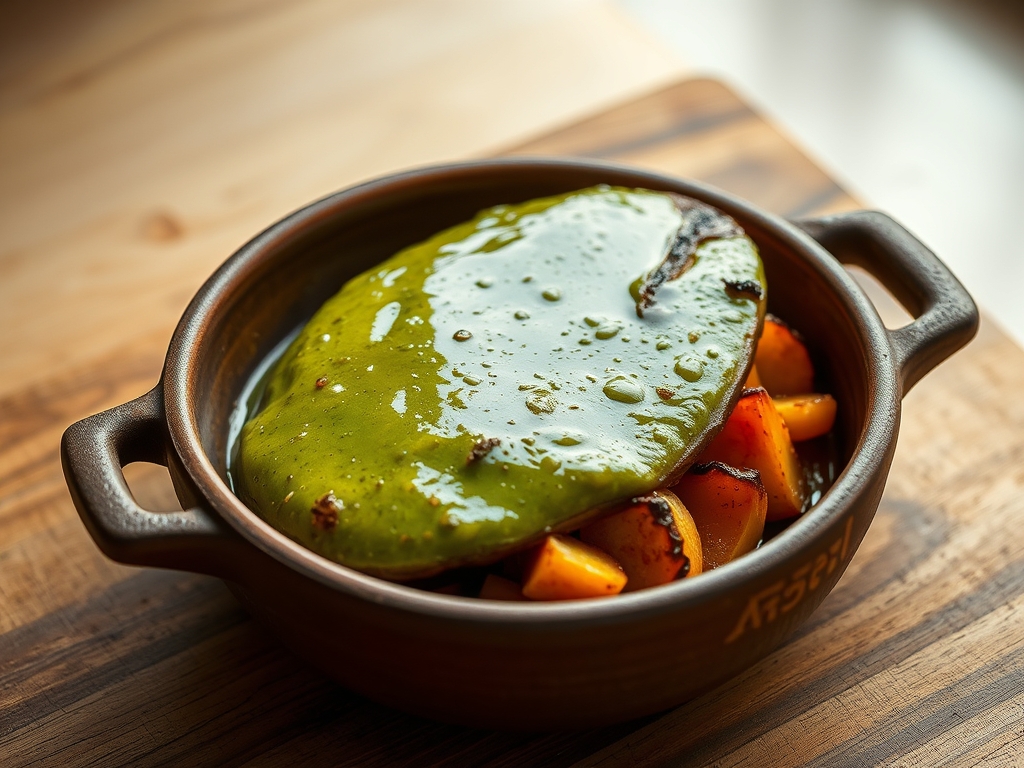
Observe the photo above: the surface should be a deep, uniform forest green with a glass-like sheen. If your result looks "muddy" or brown, you have overheated the chlorophyll. If the texture appears grainy, the spirulina did not fully hydrate or the agar-agar was undercooked. Dull colors usually indicate oxidation; ensure your powder is stored in an airtight, UV-protected container. For uneven browning on the toasted pepitas, ensure they are spread in a single layer on a baking sheet and tossed every three minutes to ensure an even render of their natural oils.
THE DEEP DIVE
Macro Nutrition Profile:
This dish is a titan of efficiency. One serving provides approximately 12g of highly bioavailable protein, 18g of healthy fats (MCTs from coconut), and a massive dose of Vitamin B12 and iron. The Spirulina Protein Data confirms that these amino acids are "pre-digested" in a sense, meaning your body spends less energy breaking them down compared to beef or soy.
Dietary Swaps:
- Vegan: Already compliant.
- Keto: Replace honey with liquid monk fruit or erythritol.
- GF: Naturally gluten-free, but ensure your agar-agar is certified.
Meal Prep & Reheating Science:
This is a cold-set dish. Do not attempt to reheat it in a microwave, as the agar-agar will melt and the spirulina will lose its nutritional potency. It stays structurally sound in the refrigerator for up to five days. To maintain the molecular structure, store in an airtight container with a piece of parchment paper pressed directly onto the surface to prevent skin formation.
THE KITCHEN TABLE
How do I hide the "sea" taste?
Increase the acidity. A squeeze of fresh lime juice or a dash of ginger juice works wonders to brighten the profile and mask the heavier mineral notes of the Spirulina Protein Data without compromising the structure.
Can I use gelatin instead of agar-agar?
Yes, but the ratio changes. Use 1 tablespoon of gelatin powder for every 2 cups of liquid. Note that gelatin is not vegan and requires a different "bloom" process in cold water before heating.
Why is my spirulina blue-green?
That is phycocyanin, a powerful antioxidant. Higher quality spirulina will have a more pronounced blue tint when diluted. It is a sign of high nutrient density and superior infrastructure in the growing process.
Is it safe for kids?
Absolutely. It is a nutrient-dense alternative to processed puddings. However, because it is so concentrated, start with smaller servings to allow their digestive systems to adjust to the high fiber and protein content.