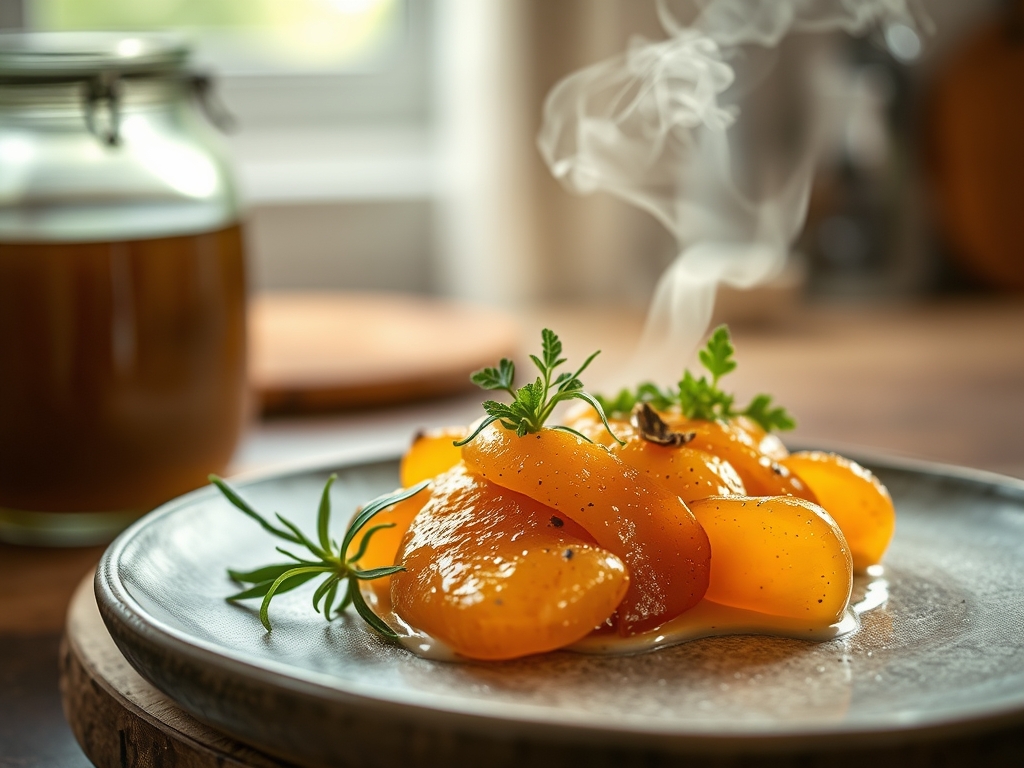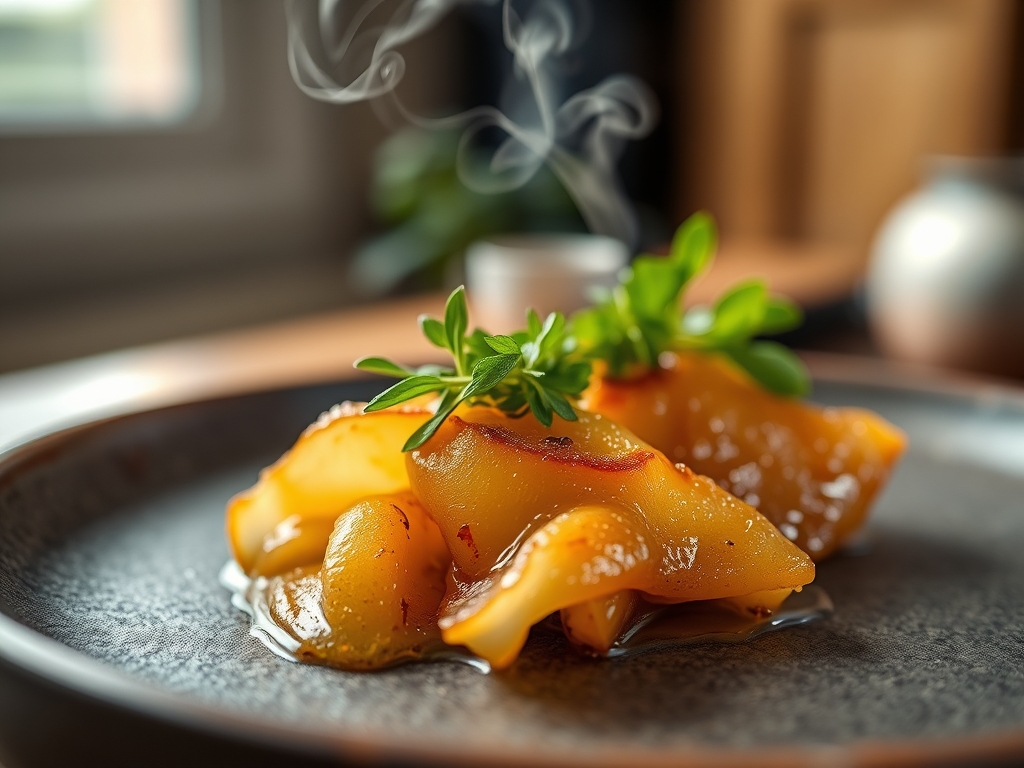
Imagine the golden, viscous flow of an unheated nectar, a living substance pulsing with enzymatic vitality. We are not just talking about a sweetener; we are discussing a biological masterpiece that maintains its Raw Honey Integrity through rigorous thermal discipline. When you crack open a jar of truly raw honey, the aroma should hit you like a floral explosion. It is piquant, complex, and unapologetically wild. Most commercial honey is blasted with heat until the life is scorched out of it, leaving behind a dead, sugary syrup. But we are culinary auditors. we demand more. We are looking for the diastase activity, the specific enzyme that serves as the universal benchmark for honey freshness and quality. In this masterclass, we will utilize this liquid gold to create a sophisticated Honey and Thyme Glazed Root Vegetable Medley. This dish is designed to showcase how to infuse flavor without ever crossing the thermal threshold that destroys the delicate molecular bonds of your ingredients. Prepare your palate for a high-frequency flavor profile that balances earth and nectar.
THE DATA MATRIX
| Metric | Specification |
|---|---|
| Prep Time | 20 Minutes |
| Execution Time | 35 Minutes |
| Yield | 4 Servings |
| Complexity (1-10) | 4 |
| Estimated Cost per Serving | $3.50 |
THE GATHERS
Ingredient Protocol:
- 800g / 1.75 lbs Heirloom Carrots (Multi-colored for visual spectrum)
- 450g / 1 lb Parsnips
- 60ml / 4 tbsp Raw Unheated Honey (The anchor of Raw Honey Integrity)
- 30ml / 2 tbsp Extra Virgin Olive Oil
- 15ml / 1 tbsp Fresh Thyme leaves
- 5ml / 1 tsp Flaky Sea Salt
- 2g / 0.5 tsp Freshly Cracked Black Pepper
- 15ml / 1 tbsp Apple Cider Vinegar (with the mother)
Section A: Ingredient Quality Audit:
If your honey is rock-hard and crystallized, do not panic and do not microwave it. Microwaves create localized hot spots that obliterate enzymes. Instead, place the jar in a warm water bath maintained at exactly 40 degrees Celsius. This preserves the Raw Honey Integrity while returning it to a viscous state. If your root vegetables feel rubbery, they have lost turgor pressure. Shock them in an ice water bath for thirty minutes before peeling to restore their structural snap. Always use fresh thyme; dried herbs lack the volatile oils necessary to aerate the dish with a proper herbaceous bouquet.
THE MASTERCLASS
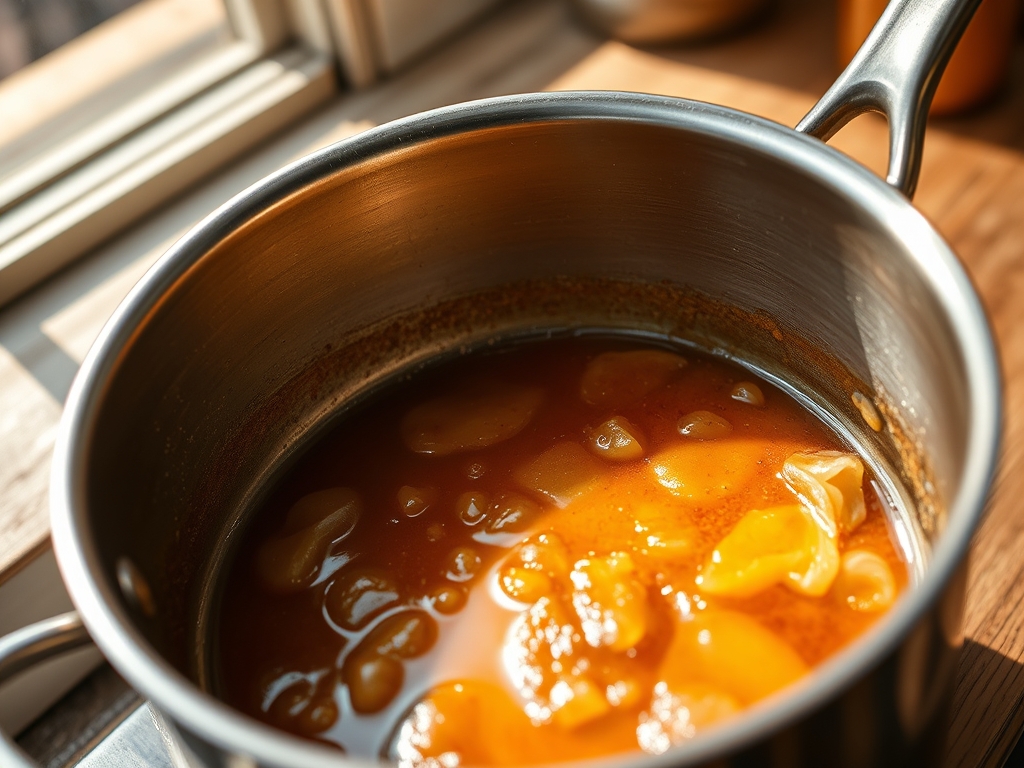
Step 1: Precision Fabrication
Begin by cleaning your root vegetables with a stiff brush. Use a sharp Y-peeler to remove only the thinnest layer of skin. On a heavy wooden cutting board, use a chef knife to slice the carrots and parsnips into uniform batons, approximately 3 inches long. Consistency is king here; uniform surface area ensures a simultaneous roast.
Pro Tip: Use a digital scale to ensure your vegetable weights are balanced. Even sizing prevents the smaller pieces from over-caramelizing while larger chunks remain raw. The science of heat transfer relies on consistent mass.
Step 2: The Thermal Foundation
Preheat your oven to 200 degrees Celsius (400 degrees Fahrenheit). Place a heavy-rimmed baking sheet inside while the oven preheats. We are looking to create an immediate sear upon contact. Toss your vegetables in a large stainless steel mixing bowl with the olive oil, salt, and pepper. Do not add the honey yet.
Pro Tip: Professional chefs use a heavy-gauge baking sheet to act as a heat sink. This provides enough thermal mass to render the exterior sugars of the vegetables quickly without drying out the interior.
Step 3: High-Heat Roasting
Spread the vegetables across the preheated sheet in a single layer. Do not crowd the pan or they will steam rather than roast. Slide them into the oven for 20 to 25 minutes. You are looking for the Maillard reaction to create deep browning on the edges.
Pro Tip: Use a metal offset spatula or a bench scraper to flip the vegetables halfway through. This ensures even contact with the hot metal surface, maximizing the savory-sweet flavor profile.
Step 4: The Cold-Infusion Glaze
While the vegetables roast, whisk the raw honey, apple cider vinegar, and fresh thyme in a small ceramic saucier. We are creating an emulsion. The acidity of the vinegar cuts through the density of the honey, creating a bright, piquant finish.
Pro Tip: By keeping the honey at room temperature and adding it only at the very end, you protect the diastase enzymes. This is the secret to maintaining Raw Honey Integrity in a cooked dish.
Step 5: The Final Assembly
Remove the vegetables from the oven and immediately transfer them back to your mixing bowl. Pour the honey-thyme mixture over the hot vegetables. The residual heat (which will be dropping rapidly) is just enough to thin the honey so it coats every crevice without reaching the 45 degree Celsius kill-zone for enzymes.
Pro Tip: Use a silicone spatula to fold the glaze gently. This prevents breaking the softened vegetables while ensuring a glossy, professional sheen that clings to the textured surfaces.
Section B: Prep & Timing Fault-Lines:
The biggest failure in this protocol is "Honey Prematurity." If you coat the vegetables in raw honey before they go into the 200-degree oven, you are committing a culinary crime. The honey will burn, turning bitter, and the Raw Honey Integrity will be zero. Another common error is under-preheating. If the pan is cold, the vegetables will dump their moisture, resulting in a soggy, grey mess rather than a vibrant, roasted masterpiece.
THE VISUAL SPECTRUM
Section C: Thermal & Visual Troubleshooting:
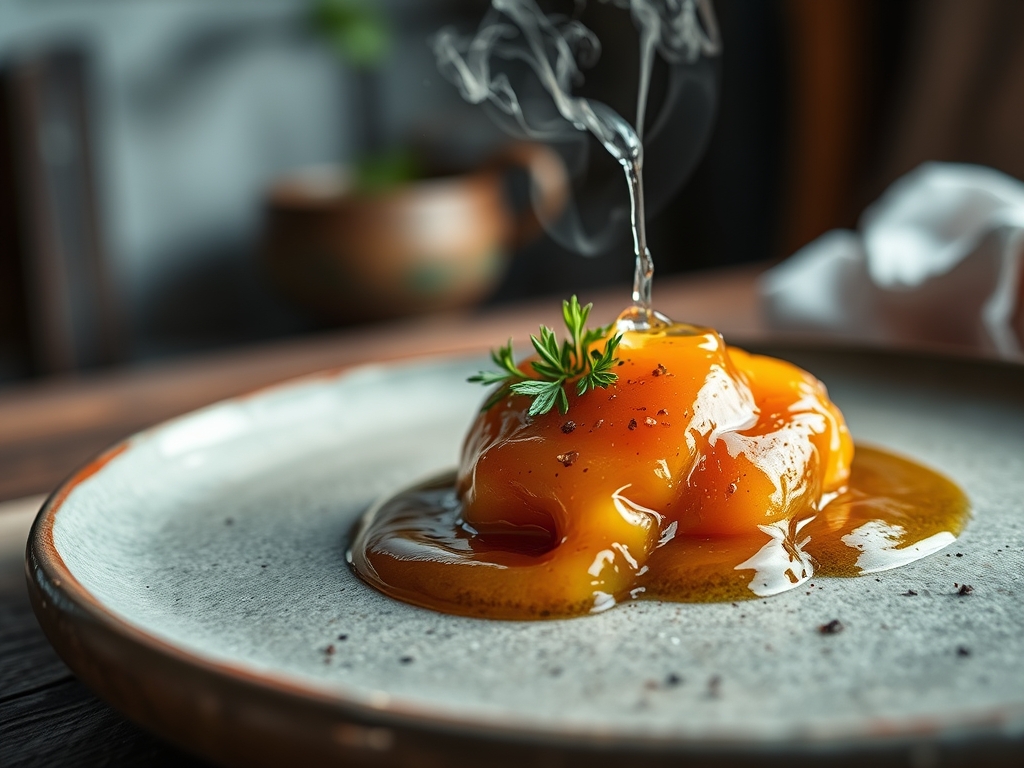
Look at the reference image. Notice the deep amber hues and the way the light reflects off the glaze. If your dish looks dull or matte, you likely lacked enough oil or the honey was too cold to spread thinly. If the vegetables look shriveled, you roasted them too long at too low a temperature; high and fast is the rule. If the colors are muted, your vegetables were likely old. Heirloom varieties should retain their purple, yellow, and orange vibrancy even after roasting. The glaze should appear translucent, not cloudy. If it is cloudy, your honey has begun to recrystallize, and you need to whisk the glaze more vigorously to incorporate the vinegar.
THE DEEP DIVE
Macro Nutrition Profile
This dish is a powerhouse of complex carbohydrates and antioxidants. One serving provides approximately 180 calories, 7g of healthy fats, 28g of carbohydrates, and 6g of fiber. The raw honey provides trace amounts of minerals and live enzymes that aid in digestion, while the root vegetables are loaded with Beta-Carotene and Vitamin K.
Dietary Swaps
- Vegan: Substitute the honey with a high-quality organic maple syrup, though you will lose the specific diastase enzyme benefits.
- Keto: This dish is naturally high in carbs; however, you can swap the parsnips for radishes or cauliflower to lower the glycemic load.
- GF: This protocol is naturally gluten-free. Ensure your apple cider vinegar is certified GF.
Meal Prep & Reheating Science
To maintain molecular structure, store leftovers in a glass airtight container. When reheating, do not use a microwave. Use a toaster oven at a low setting (around 120 degrees Fahrenheit) just until warm. This prevents the honey from breaking down into simple, burnt sugars and keeps the vegetables from becoming mushy.
THE KITCHEN TABLE
Why is Raw Honey Integrity so important?
Raw honey contains live enzymes like diastase and glucose oxidase. These enzymes are fragile and destroyed by high heat. Maintaining integrity ensures you receive the full antibacterial and digestive benefits that processed honey lacks.
Can I use a different herb?
Absolutely. Rosemary or sage work beautifully with the earthy notes of parsnips. However, thyme offers a delicate floral note that complements the raw honey without overpowering the natural sweetness of the heirloom carrots.
My honey is white and solid, is it spoiled?
No. Crystallization is a sign of high-quality, cold-processed honey. It indicates a high pollen count. Simply warm it gently in a bowl of warm water to return it to its liquid, viscous state.
What if I do not have heirloom carrots?
Standard orange carrots work perfectly fine. The heirloom varieties are primarily for visual impact and subtle flavor variations. The technical execution remains identical regardless of the carrot subspecies used.