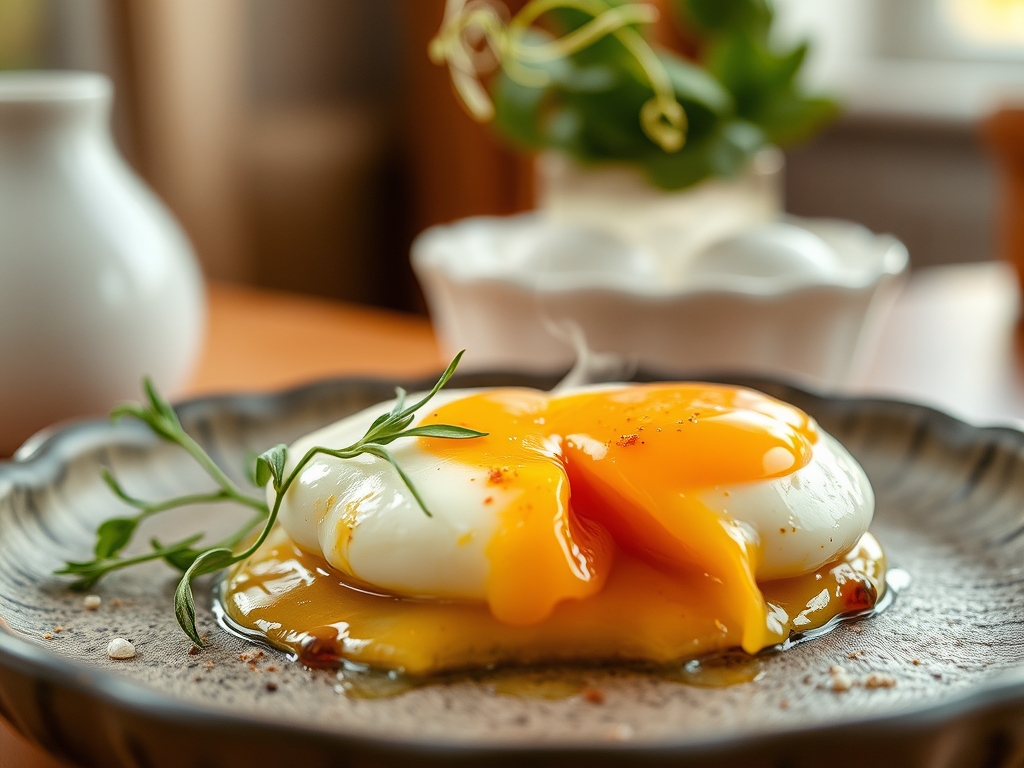
Stop settling for the anemic, sulfurous disappointment of industrial "grade A" spheres that possess the structural integrity of wet tissue paper. We are here to talk about the gold standard of avian output. When you crack open a shell to find a yolk so orange it borders on neon, you are witnessing the physical manifestation of Pastured Egg Quality. This is not merely breakfast; it is a high-octane delivery system for lutein and zeaxanthin. A true pastured egg possesses a viscous, dome-shaped yolk that refuses to flatten, anchored by thick, ropey chalazae that signal peak freshness. The whites should be tight and tiered, not a watery puddle that retreats to the edges of your carbon steel pan. We are auditing the very foundation of the culinary pyramid. If your current eggs look like pale, translucent ghosts, you are failing the infrastructure test. It is time to upgrade your sourcing to birds that actually see the sun and forage for chlorophyll-rich greens. Let us execute the perfect soft-scramble emulsion that honors this superior biological engineering.
THE DATA MATRIX
| Metric | Specification |
|---|---|
| Prep Time | 5 Minutes |
| Execution Time | 4 Minutes |
| Yield | 1 Serving |
| Complexity (1-10) | 4 |
| Estimated Cost per Serving | $2.75 |
THE GATHERS
Ingredient Protocol:
- 3 Large Pastured Eggs (approx. 150g)
- 30ml / 2 tbsp Heavy Cream (36% milkfat)
- 14g / 1 tbsp Unsalted European-style Butter
- 2g / 0.5 tsp Fine Sea Salt
- 1g / 0.25 tsp Freshly Cracked White Pepper
- 5g / 1 tsp Minced Chives
Section A: Ingredient Quality Audit:
If your eggs exhibit a thin, watery albumen (the clear "white"), your raw material is aged or poorly sourced. To fix this, use a fine-mesh strainer to drain off the outermost watery layer before cooking. If your butter lacks that deep yellow hue, it likely has a high water content. In this case, reduce the cream volume by 5ml to prevent the scramble from becoming "weepy." Always use a digital scale for the butter; volume measurements are for amateurs who enjoy inconsistent results.
THE MASTERCLASS
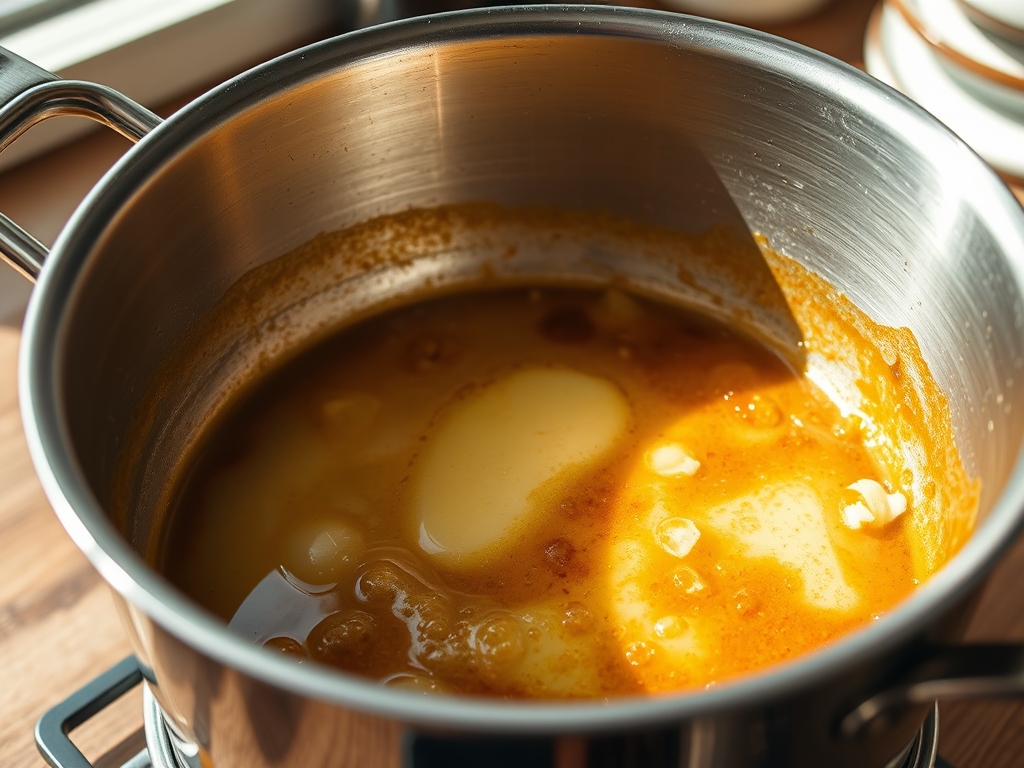
1. The Aeration Phase
Crack your eggs into a stainless steel mixing bowl. Use a balloon whisk to aerate the proteins until the mixture is completely homogenous with no visible streaks of clear albumen. Incorporate the heavy cream at this stage.
Pro Tip: Use a digital scale to ensure your egg-to-dairy ratio is precise. Over-aerating creates a foam that collapses; you want a smooth, viscous liquid that coats the back of a spoon. This ensures the lipids from the cream are perfectly suspended within the egg proteins.
2. Thermal Calibration
Place a 10-inch non-stick saucier or sloped skillet over medium-low heat. Add the butter and wait for it to render and foam. Do not allow it to brown. We are seeking a gentle poaching environment, not a Maillard-heavy sear.
Pro Tip: Use an infrared thermometer to verify the pan surface is between 250F and 275F. Professional chefs rely on thermal consistency rather than "vibes." If the butter sizzles aggressively, your heat is too high, which will toughen the delicate sulfur bonds in the eggs.
3. The Controlled Coagulation
Pour the egg mixture into the center of the pan. Use a silicone spatula or a bench scraper (if using a flat griddle) to push the eggs from the perimeter toward the center in long, sweeping motions.
Pro Tip: Constant movement prevents the formation of large, dry curds. You are aiming for "petit caillé" or small curds. This technique maximizes the surface area of the viscous fats, resulting in a custard-like texture that is impossible to achieve with high-heat frying.
4. The Residual Finish
Remove the pan from the heat when the eggs still look slightly "wet" and undercooked. The residual heat of the saucier will finish the cooking process on the plate. Fold in the chives and salt at the very last second.
Pro Tip: Adding salt at the beginning can break down the protein structure too early, leading to a watery weep. Adding it at the end preserves the structural integrity of the scramble. Use a warm plate to prevent the thermal shock from seizing the delicate fats.
Section B: Prep & Timing Fault-Lines:
The most common failure in Pastured Egg Quality execution is "thermal overshoot." If your eggs transition from liquid to rubber in seconds, your pan's heat capacity is too high for the volume of egg. Switch to a heavy-bottomed pan with better distribution. If the eggs are sticking, your "non-stick" surface is likely compromised by microscopic carbon buildup; deep-clean your equipment or use more fat to lubricate the protein strands.
THE VISUAL SPECTRUM
Section C: Thermal & Visual Troubleshooting:
Referencing the Masterclass photo above, notice the deep, sunset-orange hue of the curds. This is the hallmark of high Pastured Egg Quality. If your result is pale yellow, your source birds were likely grain-fed in a cage. If the texture looks "crumbly" rather than "creamy," you have over-coagulated the proteins, forcing the moisture out of the matrix. To fix a dull appearance, finish the dish with a tiny splash of cold cream or a knob of cold butter (the "monter au beurre" technique) to add a reflective sheen and infuse additional richness.
THE DEEP DIVE
Macro Nutrition Profile
A single serving of this protocol (3 eggs + fats) delivers approximately 24g of high-bioavailability protein, 32g of healthy lipids, and less than 2g of carbohydrates. The lutein content is significantly higher than conventional eggs, supporting ocular health and cognitive function.
Dietary Swaps
- Vegan: This protocol is fundamentally avian-based, but a high-quality "just" egg substitute can be used. Replace butter with avocado oil and cream with full-fat cashew milk.
- Keto: This recipe is natively Keto-compliant. Increase the butter by 5g to further tilt the macro-ratio toward fats.
- GF: Naturally gluten-free. Ensure your chives are fresh and not processed in a facility with cross-contamination.
Meal Prep & Reheating Science
Eggs are notoriously difficult to reheat because the proteins continue to cross-link and tighten. To maintain molecular structure, reheat at 50% power in a microwave in 15-second intervals, or better yet, enjoy them immediately. If you must prep ahead, undercook them slightly and store in an airtight glass container to retain moisture.
THE KITCHEN TABLE
Why is my scramble weeping liquid on the plate?
This is syneresis. The protein network has tightened too much due to overcooking or early salting, squeezing out the water. Lower your heat and salt at the very end to keep the moisture trapped within the protein matrix.
Does the color of the yolk actually matter?
Absolutely. Deep orange yolks indicate a diet rich in carotenoids from grass and insects. This is the primary visual KPI for Pastured Egg Quality. It signals higher levels of Omega-3 fatty acids and antioxidants compared to pale yolks.
Can I use a whisk in the pan?
Avoid metal whisks in non-stick pans to prevent PTFE contamination. A silicone whisk is acceptable, but a flexible silicone spatula is superior for creating those creamy, folded curds that define a professional-grade soft scramble.
What is the best pan for this?
A heavy-bottomed stainless steel saucier with a high-quality non-stick coating is ideal. The sloped sides allow for seamless movement of the spatula, ensuring no "dead zones" where eggs can overcook and brown.
How do I get that "restaurant shine"?
The secret is "mounting with butter" at the very end. Adding a small piece of cold butter after removing the pan from the heat creates a micro-emulsion that coats the curds, providing a glossy, luxurious mouthfeel and professional visual.