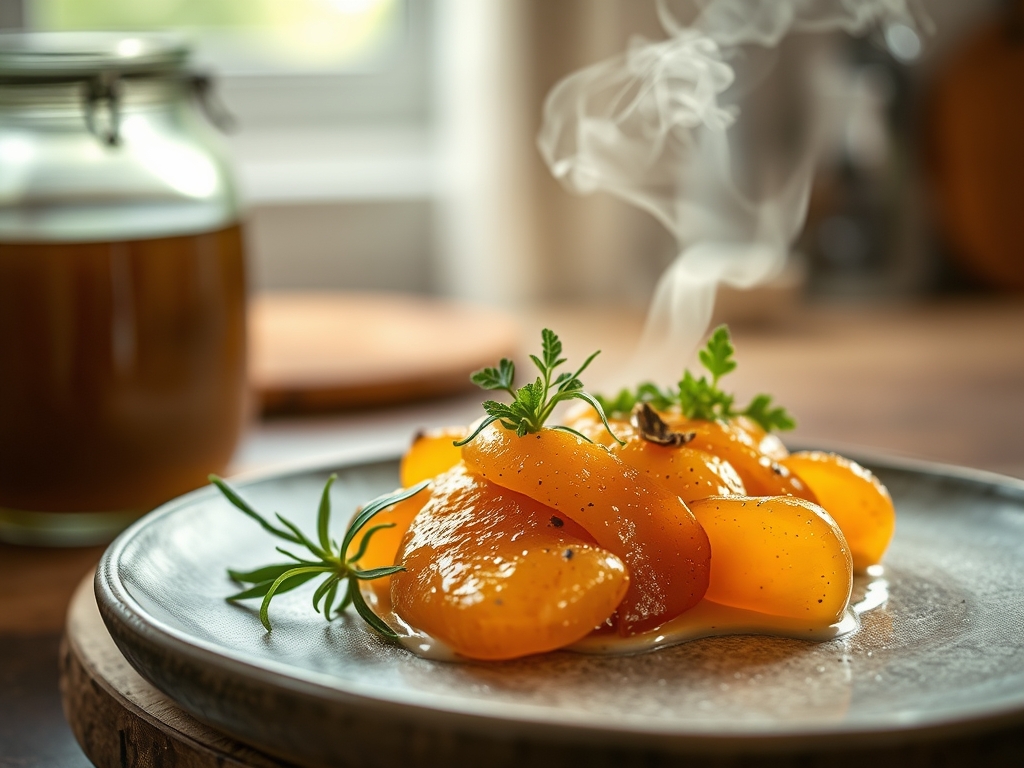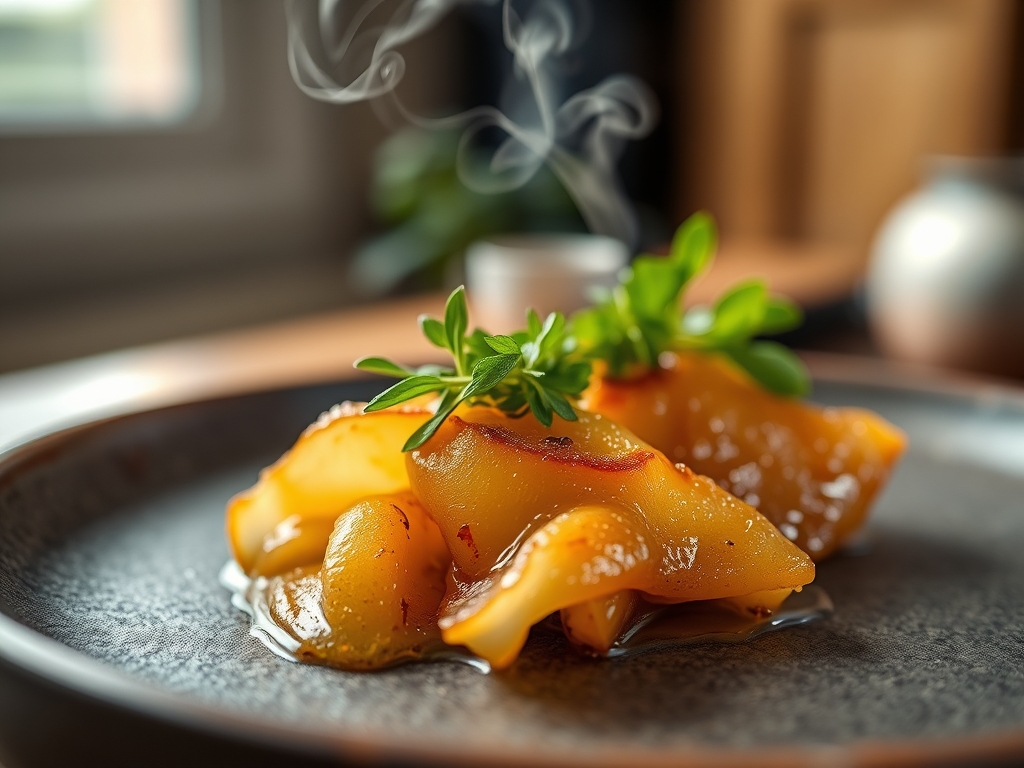
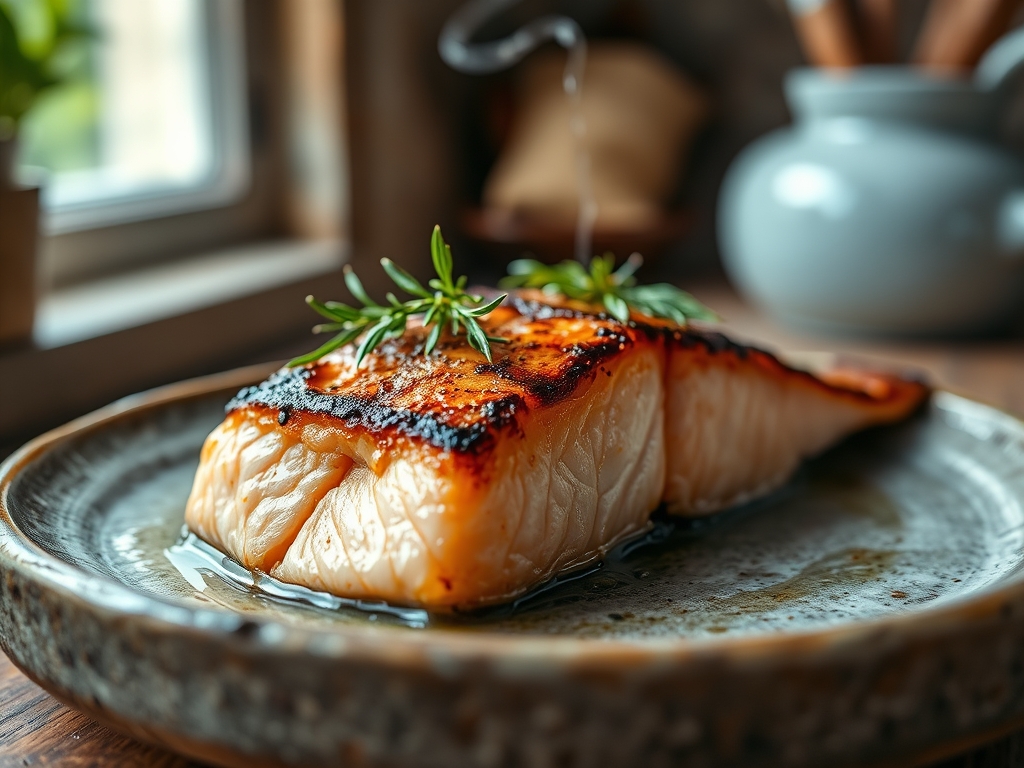
Listen to the sound of the heavy-bottomed stainless steel pan hitting the induction range; it is the starting gun for a high-stakes race toward nutritional density. We are not just cooking here. We are conducting a symphony of cellular integrity. When you source Wild Caught Salmon, you are acquiring a biological masterpiece forged in the frigid, turbulent currents of the North Pacific. This is not the flaccid, pale grey-pink substitute found in the farmed tanks of industrial aquaculture. This is a lean, muscular specimen packed with astaxanthin; the potent antioxidant that gives the flesh its vibrant, deep ruby hue and protects the fish from oxidative stress during its epic migrations. As the fillet hits the hot oil, the Maillard reaction triggers a cascade of volatile aromatic compounds. The skin transforms into a glass-like sheet of savory parchment while the interior remains a succulent, translucent medium-rare. We are targeting a specific molecular threshold where the proteins begin to set but the delicate fats remain viscous and lush.
THE DATA MATRIX
| Metric | Specification |
|---|---|
| Prep Time | 15 Minutes |
| Execution Time | 12 Minutes |
| Yield | 2 Servings |
| Complexity (1-10) | 4 |
| Estimated Cost per Serving | $18.50 USD |
THE GATHERS
Ingredient Protocol:
- 500g / 1.1 lbs Wild Caught Salmon (Sockeye or King preferred)
- 30ml / 2 tbsp High-Smoke Point Oil (Avocado or Grapeseed)
- 45g / 3 tbsp Unsalted European Style Butter
- 3g / 0.5 tsp Flaky Sea Salt (Maldon)
- 2g / 0.25 tsp Fresh Cracked Tellicherry Peppercorns
- 15ml / 1 tbsp Fresh Lemon Juice
- 10g / 2 tbsp Fresh Dill (minced)
Section A: Ingredient Quality Audit:
If your Wild Caught Salmon arrives with a "fishy" or ammonia-like scent, the volatile amines have already begun to degrade the protein structure. This is an immediate fail. To fix a slightly soft fillet, perform a dry brine by dusting the skin with salt and leaving it uncovered in the refrigerator for two hours. This draws out excess moisture via osmosis, tightening the flesh. If your butter is low-fat (American standard), it will contain too much water and splatter violently. Upgrade to a high-butterfat cultured version to ensure a stable emulsion when you begin to deglaze the pan for the finishing sauce.
THE MASTERCLASS
1. Thermal Equilibrium and Moisture Control
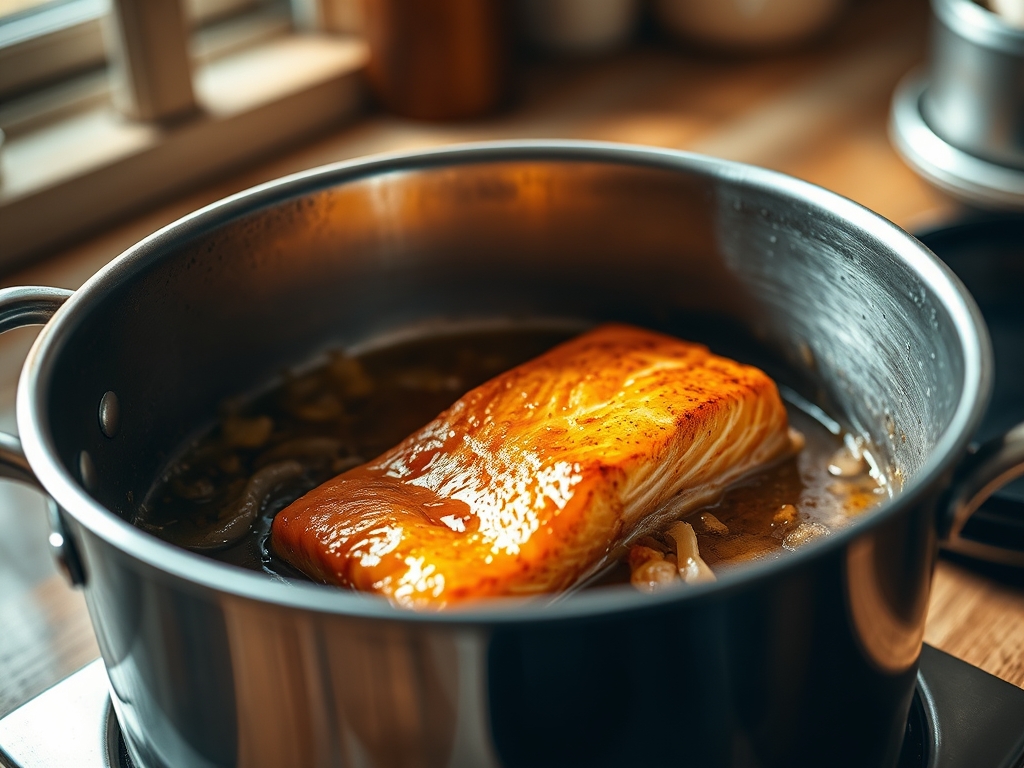
Remove the salmon from the refrigerator exactly twenty minutes before cooking. Use a lint-free paper towel to aggressively pat the skin dry. Moisture is the enemy of the Maillard reaction; if the skin is damp, it will steam rather than crisp. Use a digital scale to ensure even portioning if you are working with a whole side of fish.
Pro Tip: This phase is about managing the latent heat. By bringing the fish closer to room temperature, you prevent the "cold core" syndrome where the exterior overcooks before the center reaches the target temperature.
2. The Sear Initiation
Place your saucier or heavy skillet over medium-high heat until the oil reaches the shimmering point. Lay the salmon in the pan away from your body to avoid oil splatter. Immediately apply firm pressure with a fish spatula for thirty seconds. This prevents the protein fibers from contracting and curling, ensuring maximum surface area contact for even browning.
Pro Tip: The weight of the spatula prevents the skin from bowing. This ensures that the entire surface area undergoes uniform caramelization, creating a structural "heat shield" for the delicate flesh above.
3. The Butter Baste and Infusion
Once the skin is shattered-glass crisp (usually after 4 to 5 minutes), flip the fillet gently. Drop the cold butter into the pan along with the dill. As the butter begins to render and foam, tilt the pan and use a large spoon to continuously shower the salmon with the hot, bubbling fat.
Pro Tip: This technique, known as arrosé, uses the butter as a heat transfer medium. The milk solids in the butter brown quickly, adding a nutty, toasted dimension to the piquant lemon notes we will add later.
4. The Resting Phase
Remove the fish when the internal temperature hits 125 degrees Fahrenheit (52 Celsius) as measured by a digital probe. Transfer it to a warm plate. Let it rest for three minutes. During this time, the carry-over cooking will bring the internal temperature to a perfect 130 degrees.
Pro Tip: Resting allows the muscle fibers to relax and reabsorb the internal juices. If you cut into it immediately, the viscous fats will leak out, leaving the protein dry and fibrous.
Section B: Prep & Timing Fault-Lines:
The most common human error is "pan-crowding." If you attempt to cook four fillets in a small skillet, the ambient temperature of the metal drops instantly, causing the fish to release liquid and boil in its own juices. Always leave at least two inches of space between fillets. If your timing is off and the salmon finishes before your side dishes, do not cover it with foil. This creates a steam tent that will instantly turn your crispy skin into a soggy, rubbery mess.
THE VISUAL SPECTRUM
Section C: Thermal & Visual Troubleshooting:
Look at the Masterclass photo above. Notice the deep, sunset-orange hue of the flesh and the distinct, charred ridges on the skin. If your salmon looks pale or "milky," you have likely experienced albumin leakage. This white protein "goop" occurs when the fish is cooked too fast at a high heat, squeezing the moisture out of the muscle fibers. To prevent this, lower your flame slightly during the second half of the cook. If the skin is sticking to the pan, do not force it with a bench scraper. The fish will naturally release from the metal once the proteins have fully denatured and formed a crust. If it is stuck, it is not done.
THE DEEP DIVE
Macro Nutrition Profile
Wild Caught Salmon is a nutritional powerhouse. A 150g serving provides approximately 35g of high-quality protein, 12g of healthy fats (predominantly Omega-3 fatty acids), and zero carbohydrates. It is a dense source of Vitamin B12, Vitamin D, and Selenium.
Dietary Swaps
- Vegan: Replace the salmon with a thick slab of "Lion's Mane" mushroom. Use vegan butter and sea salt to mimic the savory profile.
- Keto/GF: This recipe is naturally compliant with both protocols. Ensure your butter is grass-fed for maximum micronutrient density.
Meal Prep & Reheating Science
To maintain the molecular structure during reheating, avoid the microwave at all costs. The microwave vibrates water molecules, which toughens the protein. Instead, reheat in a 300-degree oven with a splash of water and a tight lid for 8 minutes. This creates a gentle steam environment that rehydrates the fibers without overcooking the core.
THE KITCHEN TABLE
Why is Wild Salmon better than Farmed?
Wild fish have higher Omega-3 to Omega-6 ratios and lack the artificial dyes used to color farmed fish. The natural astaxanthin from their diet of krill provides superior antioxidant benefits and a cleaner, more complex flavor profile.
How do I get the skin extra crispy?
The secret is "The Scrape." Before seasoning, run the back of a knife firmly over the skin to squeeze out deep-seated moisture. Dry skin is the only path to a glass-like, audible crunch that holds up under sauce.
Can I use frozen Wild Salmon?
Yes, provided it was flash-frozen at sea. Thaw it slowly in the refrigerator over 24 hours. Never thaw in warm water, as this compromises the cellular walls and results in a "mushy" texture once cooked.
What oil is best for searing?
Avoid extra virgin olive oil for the initial sear; its smoke point is too low. Use avocado oil or refined grapeseed oil. These fats can handle the 400-degree temperatures required to achieve a professional-grade crust without breaking down.