Imagine your palate as a high-performance engine; now imagine fueling it with industrial sludge. Most domestic kitchens are operating under a catastrophic security breach because their primary seasoning is contaminated with synthetic polymers. We are here to rectify that. When we talk about Sea Salt Minerals, we are not just discussing flavor; we are discussing the electrical conductivity of your nervous system and the structural integrity of your culinary creations. A truly pure salt does not just make food salty; it acts as a molecular bridge that allows the hidden volatile compounds in a ribeye or a vine-ripened tomato to reach their full potential. We are hunting for that pristine, crystalline structure that has been harvested from deep-sea currents, far away from the floating plastic gyres of the Pacific. This audit is about reclaiming the purity of the ocean. We are looking for the crunch of fleur de sel and the deep, earthy resonance of gray sea salt. It is time to purge the microplastics and embrace the mineral-rich, conductive power of the earth's most essential crystal.
THE DATA MATRIX
| Metric | Specification |
|---|---|
| Prep Time | 15 Minutes |
| Execution Time | 45 Minutes |
| Yield | 4 Servings |
| Complexity (1-10) | 4 |
| Estimated Cost per Serving | $6.50 |
THE GATHERS
Ingredient Protocol:
- 500g / 1.1 lbs Prime Grass-Fed Hanger Steak
- 15ml / 1 tbsp High-Smoke Point Avocado Oil
- 30g / 2 tbsp Cultured Unsalted Butter
- 3 Garlic Cloves (Smashed)
- 2 Sprigs Fresh Rosemary
- 10g / 2 tsp Microplastic-Free Sea Salt Minerals (Flaky)
- 5g / 1 tsp Tellicherry Peppercorns (Freshly Cracked)
Section A: Ingredient Quality Audit:
The primary failure point in most kitchens is the use of "table salt" which contains anti-caking agents like sodium ferrocyanide. These additives create a metallic aftertaste that masks the delicate profile of Sea Salt Minerals. If your salt tastes "sharp" or chemical, it is likely a refined industrial byproduct. To fix this, source salt that is harvested via solar evaporation in protected salt pans. Another common audit failure is the use of oxidized fats. If your avocado oil smells like old crayons, it has gone rancid; discard it immediately. Use a high-quality fat that can withstand the 400 degree Fahrenheit thermal load required for a proper sear.
THE MASTERCLASS
Step 1: The Thermal Equilibrator
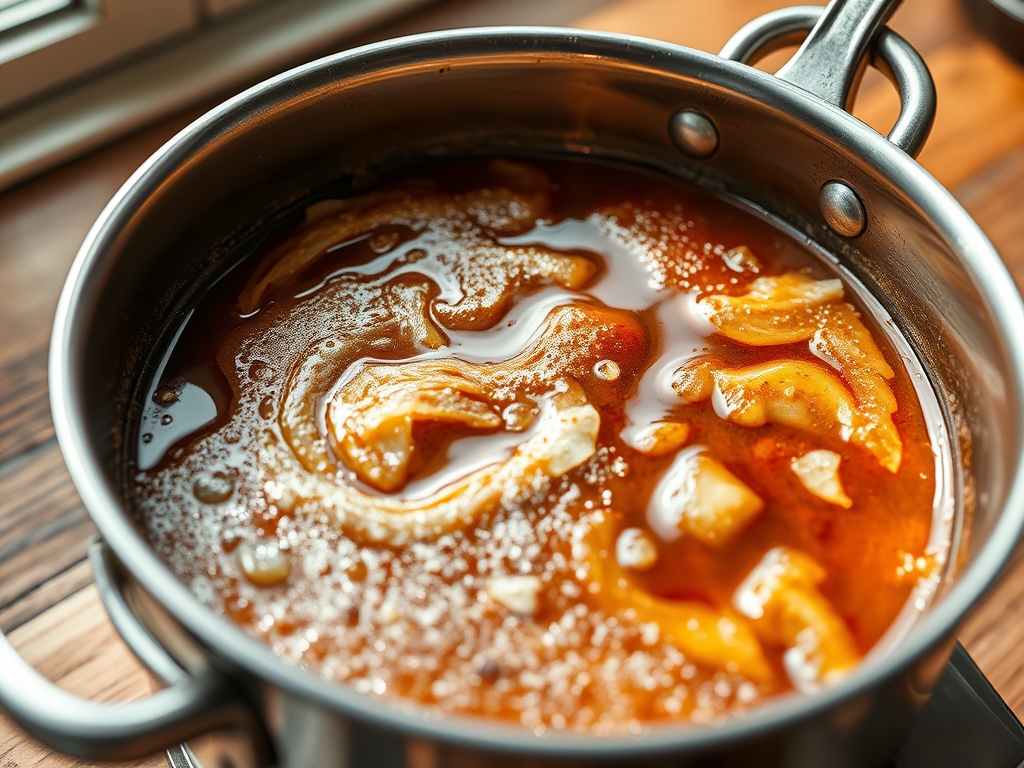
Remove your protein from refrigeration exactly sixty minutes before cooking. Use a digital scale to measure out your Sea Salt Minerals and apply them liberally to all surfaces of the meat. This process, known as dry-brining, allows the salt to penetrate the muscle fibers.
Pro Tip: This delay allows the salt to dissolve into a brine that is then reabsorbed into the meat via osmosis. This seasons the steak from the inside out and begins to denature the proteins for a more tender result.
Step 2: The Surface Dehydration Protocol
Use a lint-free paper towel to pat the steak completely dry. Moisture is the enemy of the Maillard reaction. If the surface is wet, the energy from the pan will be wasted evaporating water rather than browning the protein.
Pro Tip: Professional chefs often use a bench scraper to ensure the cutting board surface is clear of excess moisture before the final sear. A dry surface ensures a crisp, mahogany crust rather than a gray, steamed exterior.
Step 3: High-Velocity Thermal Induction
Place a heavy-bottomed saucier or cast-iron skillet over high heat until it reaches the smoke point. Add the oil, then carefully lay the steak away from you. Do not touch it for three minutes. You are looking for a deep, even crust.
Pro Tip: The heavy gauge of the pan prevents thermal "crash" when the cold meat hits the surface. Maintaining a high temperature is essential to render the intramuscular fat effectively.
Step 4: The Aromatic Infusion
Flip the steak and immediately add the butter, garlic, and rosemary. As the butter foams, use a large spoon to continuously infuse the meat with the hot, aromatic fat. This technique, called "arrosé," adds a nutty complexity to the finish.
Pro Tip: Tilt the pan slightly so the butter pools at the bottom with the aromatics. This allows you to capture the maximum volume of flavored fat to baste over the steak, ensuring the viscous liquid coats every crevice.
Step 5: The Molecular Rest
Remove the steak from the pan and place it on a wire rack. Let it rest for at least ten minutes. This allows the internal pressure to equalize and the juices to redistribute throughout the muscle fibers.
Pro Tip: If you cut the meat too early, the internal pressure will force the juices out, leaving you with a dry steak. Resting is the most ignored yet critical step in the entire infrastructure of a meal.
Section B: Prep & Timing Fault-Lines:
The most frequent timing error is "The Pan Panic." This occurs when the cook flips the meat too early because they fear burning. Trust the physics of the Maillard reaction. If the meat is sticking to the pan, the crust has not fully formed; it will naturally release once the surface sugars have caramelized. Another fault-line is the "Butter Burn." If you add the butter too early in the process, the milk solids will carbonize and turn bitter before the steak is finished. Only add the butter during the final ninety seconds of the cook.
THE VISUAL SPECTRUM
Section C: Thermal & Visual Troubleshooting:
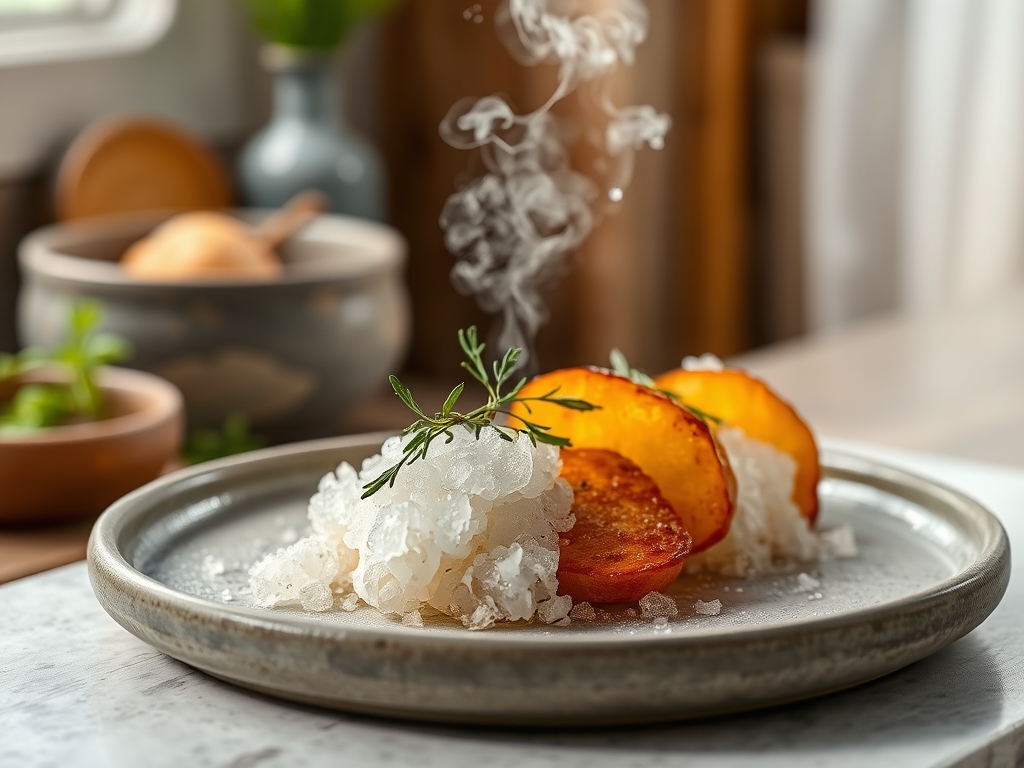
Referencing the Masterclass photo, observe the specific crystalline structure of the Sea Salt Minerals on the finished steak. They should appear as distinct, translucent flakes rather than a fine powder. If your steak looks gray and lacks a crust, your pan was not hot enough or the meat was too wet. If the interior is overcooked but the exterior is pale, you likely used a thin, low-quality pan that could not hold heat. The ideal visual cue is a "bullseye" effect: a dark, crunchy exterior transitioning quickly to a uniform pink center. If you see a thick gray band under the crust, you cooked it too long on one side without flipping or browning the edges.
THE DEEP DIVE
Macro Nutrition Profile:
This protocol provides a high-density protein source rich in bioavailable iron and B12. By using Sea Salt Minerals, you are also introducing trace amounts of magnesium, potassium, and calcium which are stripped during the refining process of standard salt.
Dietary Swaps:
- Vegan: Substitute the steak with a thick-cut "steak" of cauliflower or lion's mane mushroom and use a vegan cultured butter.
- Keto/GF: This recipe is naturally keto-friendly and gluten-free as it relies on whole-food fats and proteins.
Meal Prep & Reheating Science:
To maintain the molecular structure when reheating, avoid the microwave at all costs. The microwave agitates water molecules, which turns the steak rubbery. Instead, reheat in a low oven (250 degrees Fahrenheit) until the internal temperature reaches 110 degrees. This preserves the viscous juices and prevents the proteins from tightening.
THE KITCHEN TABLE
Why is sea salt better than table salt?
Sea salt contains essential trace minerals and lacks the chemical anti-caking agents found in table salt. These minerals provide a more complex flavor profile and better electrical conductivity for your body's cellular functions.
Can I use a non-stick pan for this?
Absolutely not. Non-stick coatings cannot safely handle the high temperatures required for a proper sear. They will release toxic fumes and fail to produce the necessary Maillard reaction for a high-quality crust.
How do I know if my salt has microplastics?
Unless specified as "microplastic-free" or sourced from deep-sea ancient deposits, most modern sea salts contain trace polymers. Look for brands that provide third-party lab testing to ensure maximum purity and mineral density.
What is the best way to store high-quality salt?
Store your Sea Salt Minerals in a ceramic salt pig or a glass jar with a tight seal. Avoid plastic containers, which can leach chemicals over time, and keep the salt away from steam to prevent clumping.