Forget the dusty, sugar-laden bricks masquerading as chocolate in the supermarket aisles. We are conducting a structural overhaul of your cardiovascular system, and the primary building block is the unadulterated, bitter, and potent world of Raw Cacao Flavonoids. These bioactive compounds are not merely flavor additives; they are high-performance vasodilators designed to optimize blood flow and reduce oxidative stress. When you crack open a bag of premium, cold-pressed cacao, you are greeted by a scent that is primal and deeply fermented. It is earthy, slightly acidic, and vibrates with the promise of a neurochemical surge. We are moving beyond the realm of "dessert" and into the territory of culinary engineering. This protocol focuses on a hyper-concentrated, velvet-textured elixir designed to preserve the delicate molecular integrity of the bean. We are looking for a finish that is viscous and unapologetically bold. If your palate is accustomed to the cloying sweetness of milk chocolate, prepare for a recalibration. This is a technical audit of flavor and function, where the chemistry of the bean meets the precision of the kitchen.
THE DATA MATRIX
| Metric | Specification |
|---|---|
| Prep Time | 10 Minutes |
| Execution Time | 15 Minutes |
| Yield | 2 Servings |
| Complexity (1-10) | 4 |
| Estimated Cost per Serving | $4.50 |
THE GATHERS
Ingredient Protocol:
- 60g / 0.5 cup Raw Cacao Powder (High-Flavanoid Certified)
- 480ml / 2 cups Unsweetened Cashew Milk (High fat content for emulsification)
- 30ml / 2 tbsp Pure Maple Syrup (Grade A Dark for mineral depth)
- 2.5ml / 0.5 tsp Pure Vanilla Bean Paste
- 1g / 0.25 tsp Himalayan Pink Salt (To bridge the bitter-sweet gap)
- 0.5g / 0.125 tsp Cayenne Pepper (To catalyze blood flow)
- 15g / 1 tbsp Raw Cacao Butter (For lipid-based mouthfeel)
Section A: Ingredient Quality Audit:
The most common failure point in this protocol is the use of "Dutch-processed" cocoa. While the alkalization process makes for a darker color, it systematically dismantles the Raw Cacao Flavonoids we are trying to harvest. If your powder looks reddish-brown and tastes mellow, it has been stripped of its potency. Fix: Source only non-alkalized, sun-dried cacao. If your fats are separating, it is likely due to low-quality nut milk containing excessive gums or thickeners. Fix: Use a house-made nut slurry or a "Barista Edition" plant milk to ensure a stable emulsion that can withstand the shear force of a high-speed whisk.
THE MASTERCLASS
Step 1: Thermal Calibration and Liquid Base
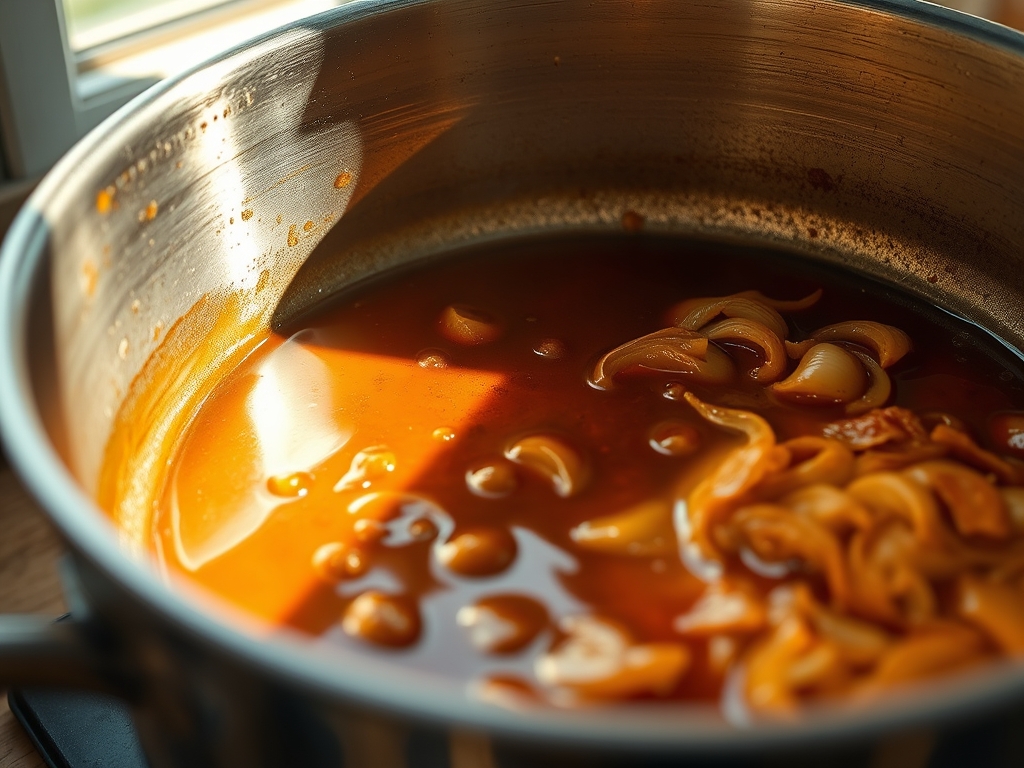
Place your heavy-bottomed saucier over low heat. Pour in the cashew milk and the cacao butter. Use a digital thermometer to ensure the liquid does not exceed 45 degrees Celsius (113 degrees Fahrenheit). We are aiming for a gentle melt, not a simmer.
Pro Tip: Maintaining low temperatures is non-negotiable. High heat denatures the polyphenols and destroys the very Raw Cacao Flavonoids that define this audit. A heavy-bottomed pan ensures even heat distribution, preventing localized "hot spots" that could scorch the delicate lipids.
Step 2: Sifting and Dry Integration
Using a fine-mesh sieve, sift the cacao powder directly into the warming liquid. Do not dump it in all at once. Use a silicone whisk to begin the integration process, moving in a figure-eight pattern to maximize surface area contact.
Pro Tip: Cacao is naturally hydrophobic. Sifting prevents the formation of "dry pockets" or clumps that resist hydration. The figure-eight motion with your whisk creates the necessary turbulence to aerate the mixture slightly while ensuring every particle is coated in the warm fat of the cashew milk.
Step 3: Emulsification and Flavor Infusion
Add the maple syrup, vanilla paste, salt, and cayenne. Increase the whisking speed. If you have a high-speed immersion blender, use it now for 30 seconds to create a micro-foam. This will infuse the spices deeply into the fat globules of the cacao butter.
Pro Tip: The salt acts as a chemical "unmasker," suppressing the perception of bitterness just enough to allow the floral notes of the cacao to emerge. The immersion blender provides the mechanical shear required to create a stable, viscous emulsion that won't separate as it cools.
Step 4: The Final Texture Audit
Continue to whisk until the mixture coats the back of a spoon. Use a bench scraper to clean any residue from your prep area, ensuring a sterile and organized environment. Pour the elixir into pre-warmed ceramic vessels to maintain the thermal profile.
Pro Tip: Pre-warming your mugs prevents "thermal shock," which can cause the fats in the cacao to tighten up and change the mouthfeel from silky to grainy. A consistent temperature ensures the molecular structure remains intact from the pan to the palate.
Section B: Prep & Timing Fault-Lines:
The primary human error in this audit is impatience. Increasing the heat to "speed up" the melting of the cacao butter will result in a scorched, acrid flavor profile. If you see steam rising aggressively from the saucier, you have already compromised the flavonoid density. Another timing error occurs during the emulsification phase; if you stop whisking too early, the drink will feel watery rather than luxurious. You must wait for that specific visual cue where the liquid transforms from a thin juice into a glossy, heavy cream.
THE VISUAL SPECTRUM
Section C: Thermal & Visual Troubleshooting:
Referencing the Masterclass photo, your final product should exhibit a deep, matte mahogany hue rather than a shiny, artificial black. If your elixir looks "broken" or has oily slickness on the surface, your emulsion has failed. This is usually caused by overheating the cacao butter. To fix this, remove from heat and add a splash of cold nut milk while whisking vigorously to "re-catch" the emulsion. If the color is too pale, you have likely over-aerated the mixture, introducing too many micro-bubbles that scatter light. A gentle stir with a spoon will collapse the excess air and restore the deep, rich visual profile required for a successful cardiovascular audit.
THE DEEP DIVE
Macro Nutrition Profile:
A single serving of this high-flavonoid elixir provides approximately 210 calories, 14g of healthy fats (primarily from the cacao butter and cashew base), 18g of carbohydrates (with 6g of fiber), and 4g of plant-based protein. The magnesium content is exceptionally high, supporting muscle relaxation and neurological function.
Dietary Swaps:
For a Vegan profile, ensure your maple syrup is bone-char free. For Keto adherents, replace the maple syrup with 3-4 drops of liquid monk fruit or stevia; the cacao butter provides the necessary satiety. This recipe is naturally Gluten-Free, provided your nut milk has no cross-contamination.
Meal Prep & Reheating Science:
You can batch-prepare this base and store it in a glass hermetic jar for up to three days. To reheat, do not use a microwave; the uneven radiation will destroy the molecular bonds. Instead, use a double-boiler method to gently bring the liquid back to 45 degrees Celsius, whisking constantly to maintain the viscous texture.
THE KITCHEN TABLE
Why is my cacao so bitter?
Raw cacao contains high concentrations of theobromine and polyphenols. This bitterness is the "marker" of high Raw Cacao Flavonoids. Use a pinch more salt rather than more sugar to balance the profile without spiking your glucose.
Can I use water instead of nut milk?
You can, but you will lose the emulsification benefits of the fats. Water-based cacao is "thin" and lacks the mouthfeel required to carry the flavor of the vanilla and cayenne effectively.
What is the best time to consume this?
Mid-morning is ideal. The theobromine provides a sustained, non-jittery energy boost compared to caffeine, while the flavonoids optimize blood flow for peak cognitive performance throughout the work day.
Is there a difference between cacao and cocoa?
Yes. Cacao is the raw, unprocessed bean. Cocoa is usually roasted at high temperatures and treated with alkaline salts. For cardiovascular infrastructure, only raw, non-alkalized cacao provides the necessary chemical density.