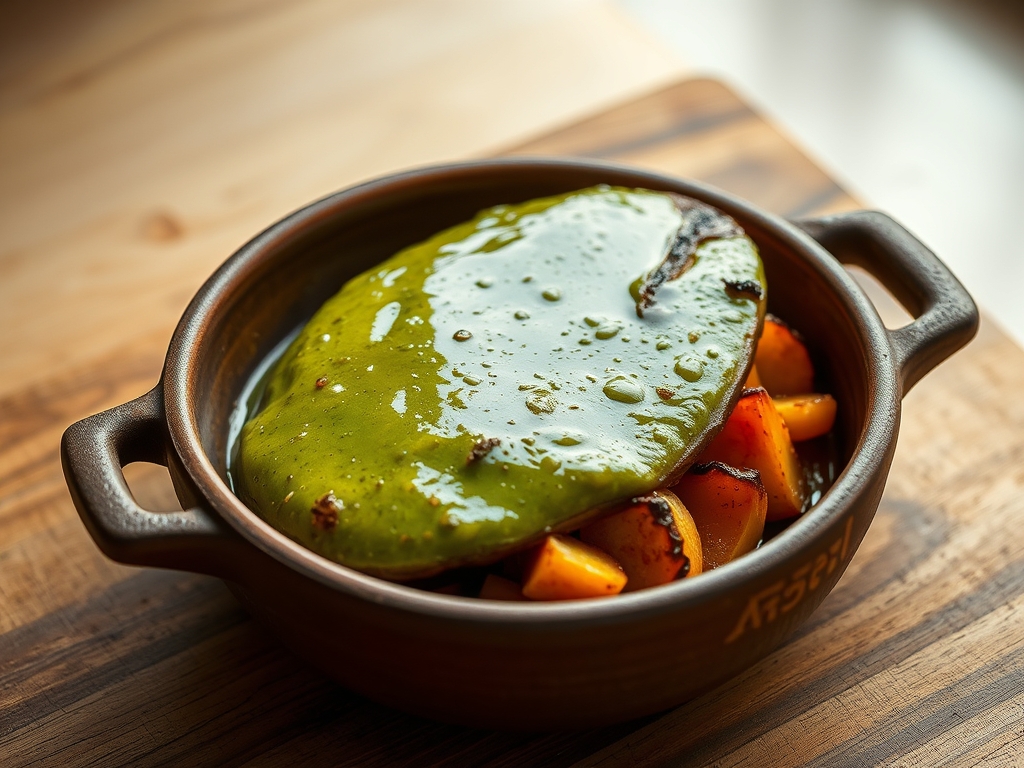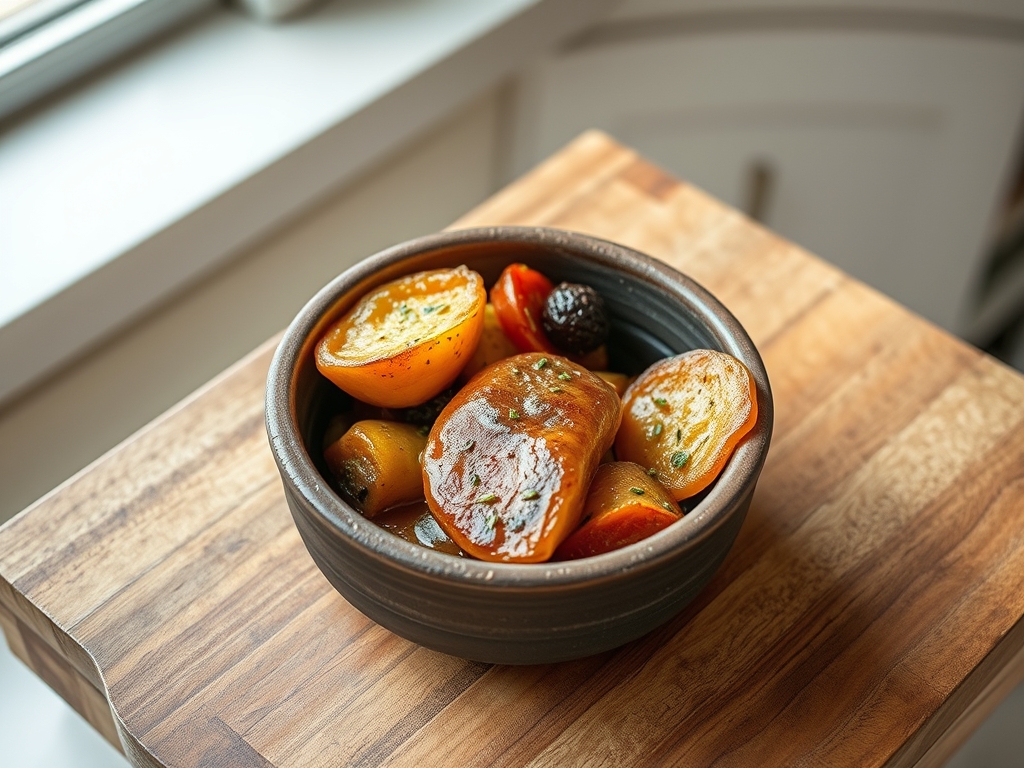
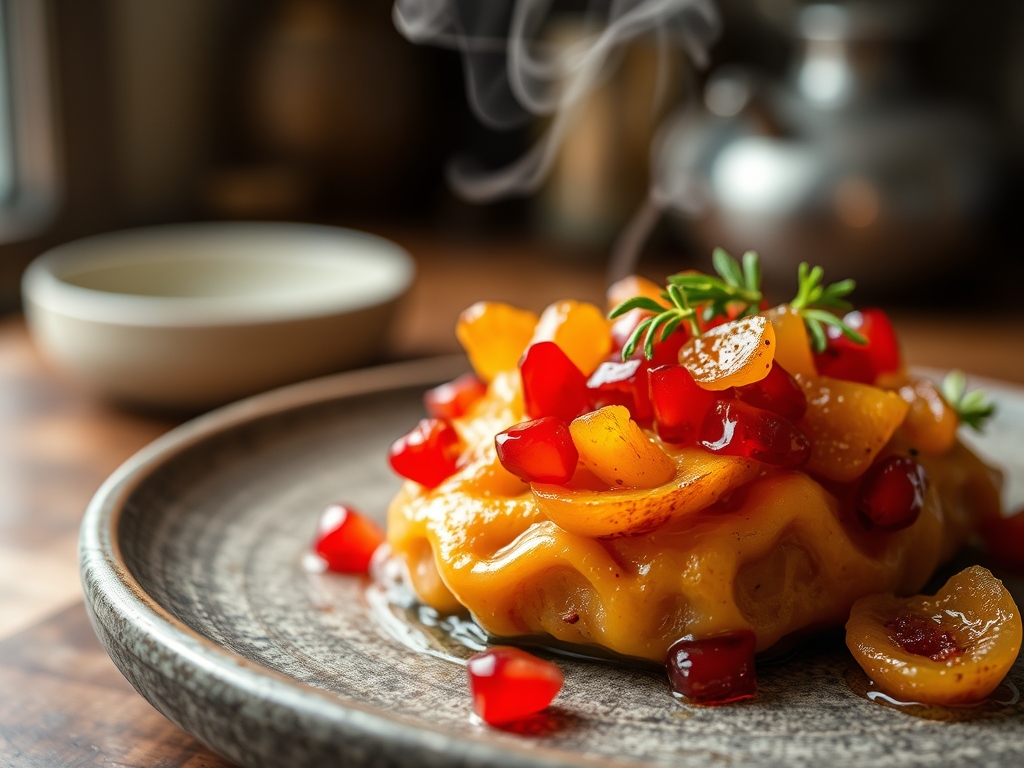
Listen to the snap of the membrane and the staccato pop of ruby-red arils hitting a stainless steel bowl. This is not just fruit prep; it is a high-stakes extraction of Pomegranate Ellagitannins. These polyphenolic powerhouses are the structural steel of your gut microbiome. When you consume them, your intestinal flora converts these complex molecules into urolithins, the metabolic gold standard for cellular rejuvenation. We are building a Pomegranate and Balsamic Glazed Reduction that serves as a delivery vehicle for these bioactive compounds. The scent is sharp and piquant; it fills the kitchen with a heady mix of tart acidity and deep, earthy sweetness. We are looking for a viscous, glass-like sheen that coats the back of a spoon with surgical precision. Forget the bottled syrups of the supermarket aisles. We are engineering a concentrated elixir that balances pH levels while fortifying your internal biological infrastructure. Every drop is a calculated strike against oxidative stress, wrapped in a flavor profile that is aggressively sophisticated and undeniably bold.
THE DATA MATRIX
| Metric | Specification |
|---|---|
| Prep Time | 15 Minutes |
| Execution Time | 35 Minutes |
| Yield | 350ml / 1.5 Cups |
| Complexity (1-10) | 6 |
| Estimated Cost per Serving | $1.45 |
THE GATHERS
Ingredient Protocol:
- 750ml / 3 cups Pure Pomegranate Juice (Cold-pressed, no added sugar)
- 120ml / 0.5 cup Aged Balsamic Vinegar (Aceto Balsamico di Modena)
- 50g / 0.25 cup Raw Honey or Agave Nectar
- 2g / 0.5 tsp Sea Salt (Fine grain)
- 15ml / 1 tbsp Fresh Lemon Juice (To stabilize pH)
- 1 sprig Fresh Rosemary (To infuse essential oils)
- 2g / 0.25 tsp Xanthan Gum (Optional stabilizer for shelf life)
Section A: Ingredient Quality Audit:
The primary failure point in this reduction is the quality of the juice. If your pomegranate source is from concentrate, the Pomegranate Ellagitannins are often degraded by high-heat processing. This results in a flat, metallic aftertaste. To fix this, look for "cold-pressed" or "HPP" (High-Pressure Processing) labels. If the juice tastes overly astringent, your tannins are out of balance. Add a pinch of baking soda to neutralize excess acidity, but be careful; too much will turn the vibrant red into a dull, muddy purple. If your balsamic vinegar is too thin, it lacks the sugar content to caramelize properly. You can compensate by increasing the honey by 10 grams to ensure the reduction achieves the necessary viscosity.
THE MASTERCLASS
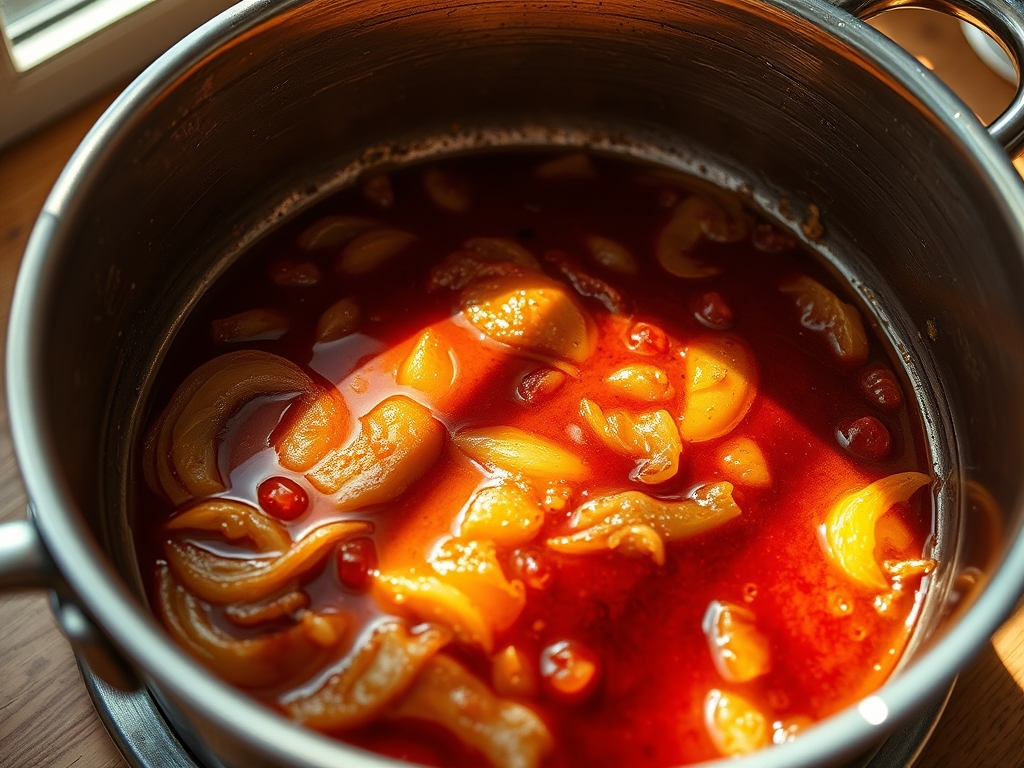
Step-by-Step Execution:
1. The Initial Reduction Phase
Place your 1.5-liter stainless steel saucier on a digital scale to tare the weight before adding 750ml of pomegranate juice and 120ml of balsamic vinegar. Bring the mixture to a gentle simmer over medium heat. Do not let it reach a rolling boil.
Pro Tip: Using a saucier with rounded sides allows for more efficient evaporation and prevents the sugars from scorching in the corners. High heat will denature the Pomegranate Ellagitannins; keeping the temperature below 190 degrees Fahrenheit preserves the molecular integrity of the antioxidants.
2. Infusing the Aromatics
Once the liquid has reduced by one-third, add the rosemary sprig and the honey. Use a silicone whisk to aerate the mixture slightly, ensuring the honey is fully integrated into the solution.
Pro Tip: This is the "infusion window." The heat allows the fat-soluble compounds in the rosemary to migrate into the water-based reduction. Use a digital thermometer to monitor the liquid; you are looking for a consistent simmer that produces small, tight bubbles rather than large, erratic ones.
3. Achieving the Nappe Consistency
Continue to reduce the liquid until it has reached approximately 25% of its original volume. Dip a metal spoon into the liquid and run your finger across the back. If the line remains clean, you have achieved "nappe."
Pro Tip: This is where the Maillard reaction and simple evaporation intersect. Use a bench scraper to clean the sides of the pan periodically. This prevents "sugar crusting," which can introduce grainy textures into your otherwise silky-smooth reduction.
4. Stabilization and Finishing
Remove from heat and whisk in the lemon juice and sea salt. If you are using xanthan gum for long-term emulsion stability, sprinkle it over the surface and use a high-speed immersion blender to shear the molecules into the liquid.
Pro Tip: The lemon juice acts as a brightener, cutting through the heavy sugars and "waking up" the palate. The salt is not for saltiness but to suppress the perception of bitterness from the concentrated tannins, making the final product taste more rounded.
Section B: Prep & Timing Fault-Lines:
Timing is the difference between a gourmet glaze and a pot of burnt carbon. If you reduce the mixture too quickly over high heat, the sugars will polymerize into a hard candy stage, making the sauce impossible to pour once cooled. If you find the sauce is becoming too thick too fast, immediately deglaze the pan with 30ml of water or extra juice to drop the temperature. Conversely, if the reduction is taking too long, check your surface area. A narrow pot slows evaporation; transferring the liquid to a wider skillet can accelerate the process, though you must monitor it with extreme vigilance to prevent burning.
THE VISUAL SPECTRUM
Section C: Thermal & Visual Troubleshooting:
Referencing the Masterclass photo, your final reduction should possess a deep, translucent burgundy hue. If your sauce looks cloudy, you likely boiled it too hard, causing the pectin in the juice to cloud the suspension. If the color is brown rather than red, the sugars have over-caramelized. To fix a dull color, a micro-dose of hibiscus powder can restore the vibrant red spectrum without altering the flavor. If you see crystals forming on the surface, your sugar-to-acid ratio is off; add a teaspoon of corn syrup or glucose to prevent crystallization. The texture should be viscous and slow-moving, resembling warm maple syrup.
THE DEEP DIVE
Macro Nutrition Profile:
Per 30ml serving: 45 Calories, 0g Fat, 11g Carbohydrates (10g Sugar), 0g Protein. The primary value lies in the 150mg of concentrated polyphenols.
Dietary Swaps:
- Vegan: Use agave or maple syrup instead of honey.
- Keto: Replace honey with allulose (which caramelizes similarly to sugar) and reduce the pomegranate juice further to concentrate natural sweetness without adding bulk carbs.
- GF: Naturally gluten-free, but ensure your balsamic vinegar is not thickened with grain-based starches.
Meal Prep & Reheating Science:
Store in a glass airtight container for up to three weeks. To reheat, do not use a microwave; the uneven electromagnetic waves can create "hot spots" that scorch the sugars. Instead, place the container in a warm water bath to gently lower the viscosity. This preserves the molecular structure of the urolithin precursors.
THE KITCHEN TABLE
How do I know if the tannins are too strong?
If you feel a "puckering" sensation on the sides of your tongue that lingers unpleasantly, the tannins are too concentrated. Balance this by adding a tiny amount of high-quality fats, such as a drop of cold-pressed olive oil.
Can I use fresh pomegranates instead of juice?
Yes, but you must muddle the arils and strain them through a fine-mesh sieve. Ensure you do not crush the white pith, as this introduces an overwhelming bitterness that will ruin the delicate balance of the reduction.
Why did my reduction turn into a jelly in the fridge?
Pomegranates are naturally high in pectin. When combined with sugar and acid and reduced, they form a gel. Simply warm the glaze slightly before serving to return it to its liquid, viscous state for drizzling.
What is the best way to clean the pot afterward?
Deglaze the hot pot with boiling water immediately after pouring out the glaze. The residual sugars will dissolve instantly. If you let it cool, you will be scrubbing hardened caramel for an hour. Efficiency is key.