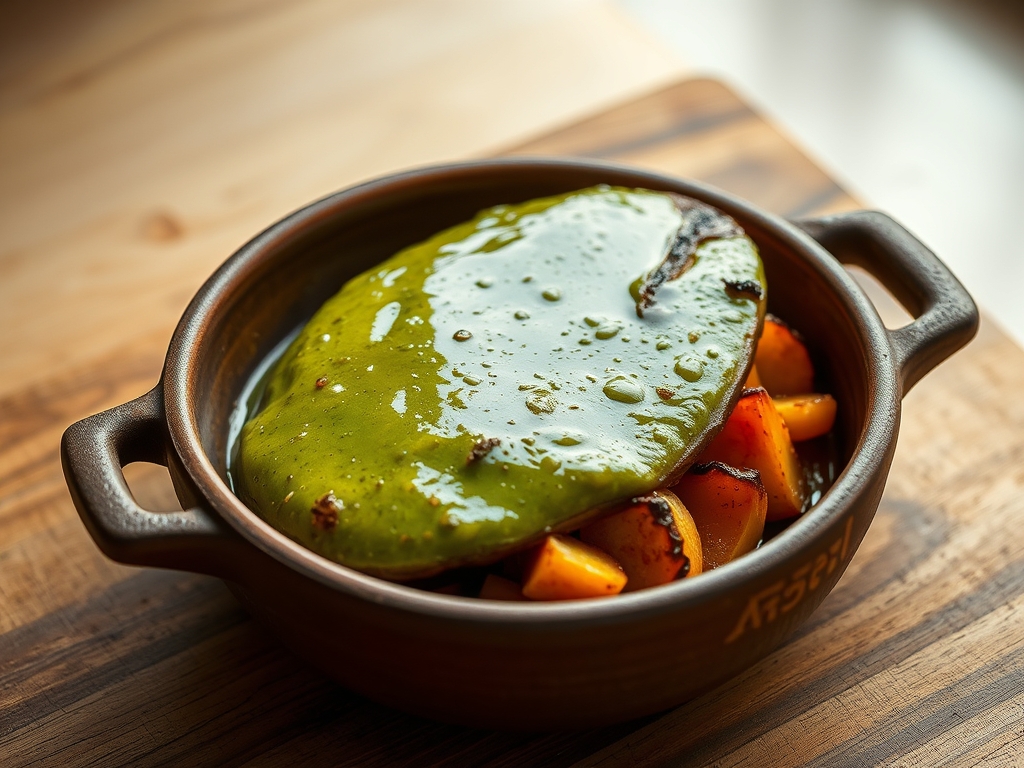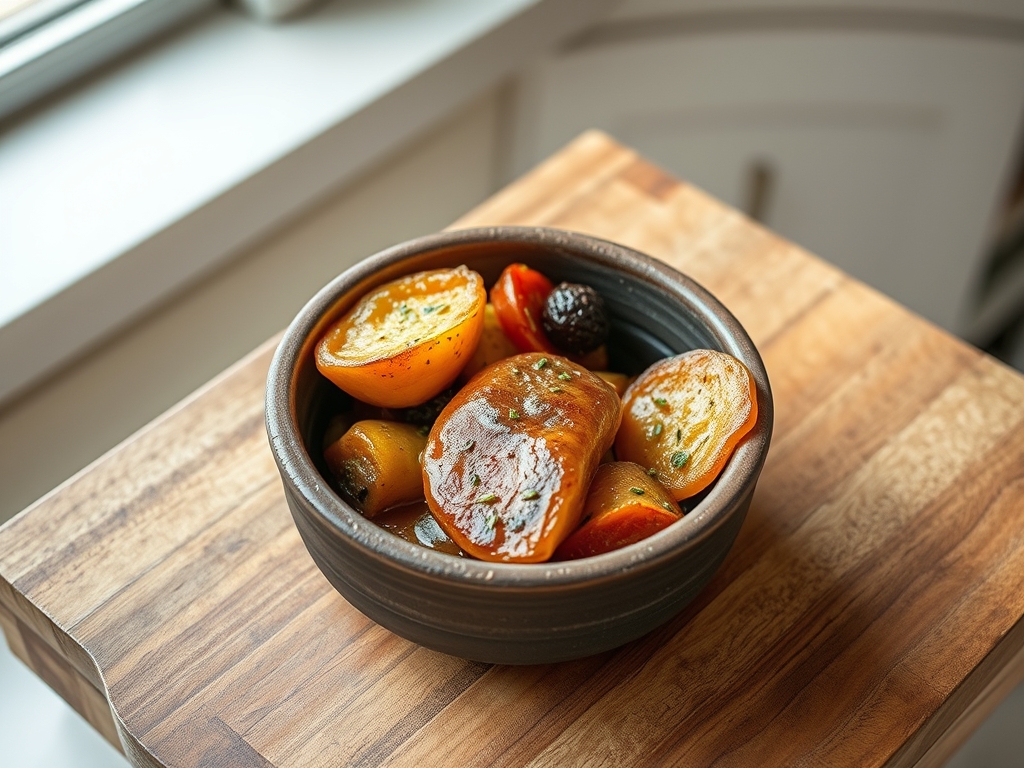
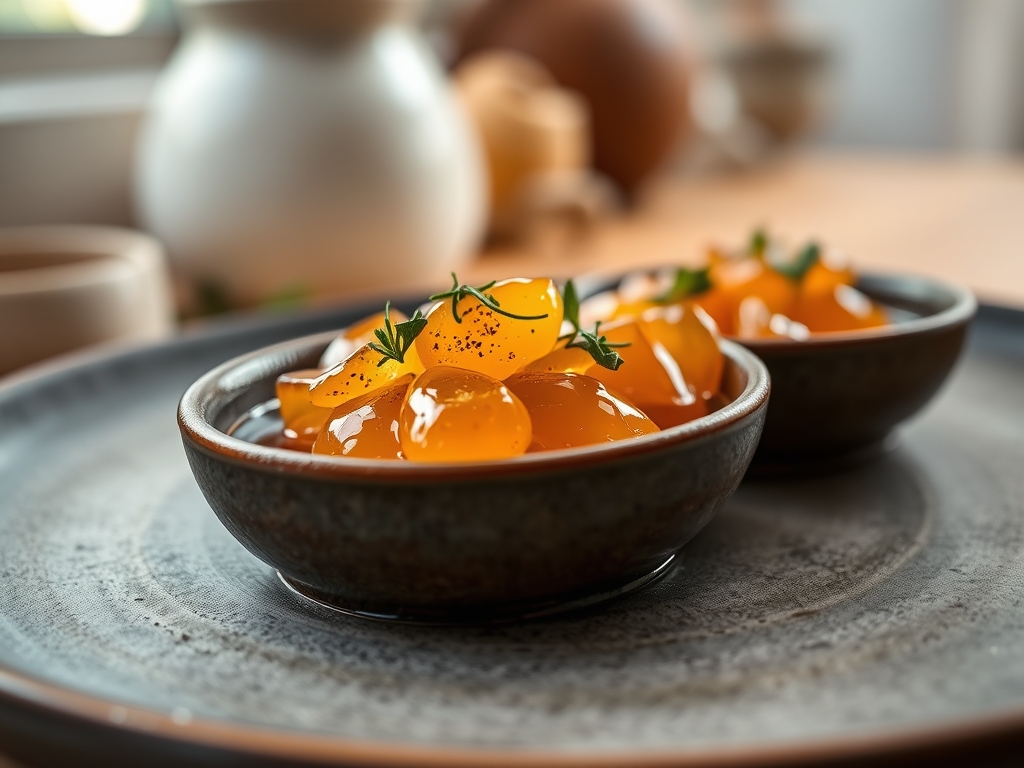
Forget everything you think you know about citrus and stone fruit because we are entering the realm of the Siberian superfruit. We are talking about Sea Buckthorn Lipids; a neon-orange, viscous oil that carries the structural integrity of a heavy cream with the piquant, electric punch of a thousand suns. This is not just an ingredient. It is a biological marvel packed with palmitoleic acid, a rare Omega 7 that triggers cellular signaling and metabolic efficiency. When you drop this lipid profile into a high-heat emulsion or a cold-pressed vinaigrette, you are not just cooking; you are performing a molecular audit of flavor density. The aroma is primal and floral. The color is so vibrant it looks like it was synthesized in a neon lab rather than harvested from a thorny shrub in the sub-arctic. We are going to harness this oil to create a Sea Buckthorn Infused Emulsion that will redefine how you view fat-soluble flavor delivery. Prepare your palate for a sharp, acidic brightness that resolves into a silky, lingering finish.
THE DATA MATRIX
| Metric | Specification |
|---|---|
| Prep Time | 15 Minutes |
| Execution Time | 10 Minutes |
| Yield | 350ml / 1.5 Cups |
| Complexity (1-10) | 7 |
| Estimated Cost per Serving | $4.25 |
THE GATHERS
Ingredient Protocol:
- 60ml / 4 tbsp Cold-Pressed Sea Buckthorn Lipids (Source for high Omega 7 content)
- 180ml / 0.75 cup Neutral Grapeseed Oil (To balance the viscosity)
- 2 Large Egg Yolks (Room temperature for optimal lecithin activity)
- 30ml / 2 tbsp Champagne Vinegar (To provide a crisp acidic backbone)
- 5g / 1 tsp Dijon Mustard (Acting as a secondary emulsifier)
- 3g / 0.5 tsp Flaked Sea Salt (To sharpen the lipid profile)
- 10ml / 2 tsp Manuka Honey (To bridge the gap between acid and fat)
Section A: Ingredient Quality Audit:
The primary failure point in this protocol is the oxidation of the Sea Buckthorn Lipids. If your oil smells like wet cardboard rather than bright, musky pineapple, the palmitoleic acid has degraded. Technical Fix: Always store your lipids in amber glass and keep them refrigerated. If the oil has solidified, do not microwave it. Place the bottle in a warm water bath at 30C to gently render it back to a liquid state without damaging the delicate molecular chains. If your egg yolks are cold, the emulsion will break. Ensure they are at precisely 20C before you begin the mechanical shear process.
THE MASTERCLASS
1. The Lecithin Foundation
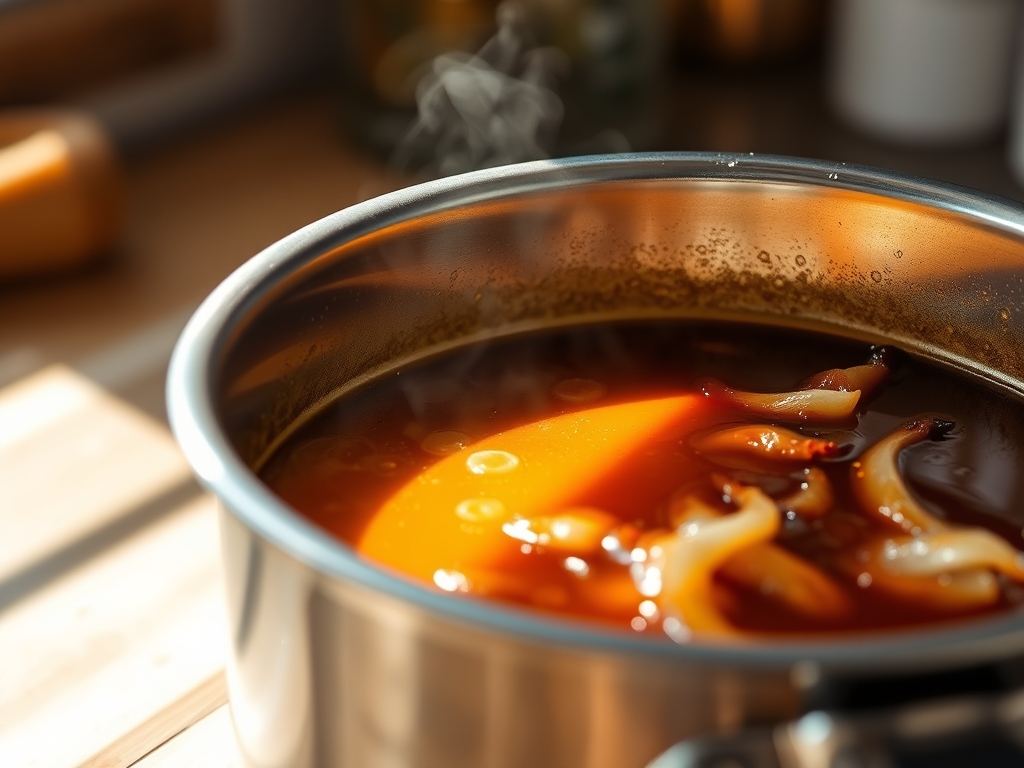
Place your egg yolks, Dijon mustard, and Champagne vinegar into a stainless steel saucier or a high-sided glass bowl. Use a digital scale to ensure your measurements are precise to the gram. Whisk these components vigorously for 60 seconds until the mixture begins to aerate and lightens in color.
Pro Tip: This stage creates the "continuous phase" of your emulsion. The mustard contains mucilage which assists the egg yolks' lecithin in trapping oil droplets. A stainless steel bowl is preferred over plastic because it provides a more stable thermal environment for the proteins.
2. The Slow-Drip Integration
Begin adding your neutral grapeseed oil one drop at a time while whisking constantly. Do not rush this. You are looking for the moment the mixture transitions from a liquid to a viscous cream. Once you have incorporated half of the grapeseed oil, you can increase the flow to a thin, steady stream.
Pro Tip: If the mixture looks oily or "shaggy," stop adding oil immediately. Add a few drops of room temperature water and whisk aggressively to re-stabilize the matrix before continuing. Using a bench scraper to keep your workspace clean ensures no stray moisture enters your oil supply.
3. The Lipid Infusion
Now, introduce the Sea Buckthorn Lipids. Slow your pour rate again. These lipids are denser and contain more particulate matter than the neutral oil. As you infuse the emulsion with the orange oil, you will see a dramatic color shift to a deep, sunset gold.
Pro Tip: The palmitoleic acid in the buckthorn oil increases the surface tension of the emulsion. This makes the final product more stable at room temperature than a standard mayonnaise, but it requires higher mechanical energy to fully incorporate.
4. The Flavor Calibration
Fold in the Manuka honey and the flaked sea salt. Use a silicone spatula to ensure you reach the bottom of the bowl. Taste for the balance of "zip" and "silk." The acidity should hit the front of the tongue, while the Sea Buckthorn Lipids provide a heavy, luxurious mouthfeel on the finish.
Pro Tip: Salt does more than season; it actually helps to "uncoil" the proteins in the egg yolk, which further strengthens the emulsion. Use a microplane if you decide to add a touch of citrus zest at this stage for extra aromatic lift.
Section B: Prep & Timing Fault-Lines:
The most common human error is the "Speed Trap." Attempting to dump the lipids in too quickly will cause the emulsion to "split," resulting in a greasy, broken mess. Technical Fix: If the split occurs, take a fresh egg yolk in a clean bowl and slowly whisk the broken mixture into it. Temperature control is also vital. If the room is over 25C, the fats will move too fluidly to hold a bond. Work in a cool area or set your mixing bowl over a larger bowl filled with cool (not icy) water to maintain a steady 18C to 20C.
THE VISUAL SPECTRUM
Section C: Thermal & Visual Troubleshooting:
Referencing the Masterclass photo, your final emulsion should possess a "High-Gloss Satin" finish. If the surface appears dull or matte, you have likely over-aerated the mixture, introducing too many micro-bubbles. To fix this, stop whisking and use a heavy spoon to "knock out" the air with a folding motion. If you see streaks of dark orange, the Sea Buckthorn Lipids have not been fully integrated into the neutral oil carrier. Continue to whisk until the color is a uniform, opaque marigold. If the texture is too thick (approaching a butter consistency), whisk in 5ml of warm water to "relax" the protein bonds.
THE DEEP DIVE
Macro Nutrition Profile
A single 15ml serving of this Sea Buckthorn emulsion delivers approximately 120 calories, primarily from healthy monounsaturated fats. It contains roughly 2.5g of Omega 7 (Palmitoleic Acid), which is significantly higher than any other plant-based source. It is low in carbohydrates (less than 1g) and provides trace amounts of Vitamin E and Vitamin A due to the intense pigmentation of the buckthorn berries.
Dietary Swaps
- Vegan: Replace the egg yolks with 45ml of Aquafaba (chickpea canning liquid) and 0.5g of Xanthan gum. The Omega 7 profile remains intact.
- Keto: Replace the Manuka honey with a drop of liquid monk fruit or simply omit it; the lipids have a natural sweetness that carries the profile.
- GF: This protocol is naturally gluten-free, but ensure your Dijon mustard does not use flour as a thickener.
Meal Prep & Reheating Science
Emulsions are delicate structures. Do not freeze this sauce, as the ice crystals will puncture the fat globules and cause total separation upon thawing. Store in a glass jar for up to 5 days. If the sauce firms up in the fridge, let it sit at room temperature for 20 minutes and give it a quick whisk to re-align the lipids. Never microwave an emulsion; the rapid molecular vibration will break the protein bonds instantly.
THE KITCHEN TABLE
Why is my Sea Buckthorn oil so orange?
That intense pigment comes from high concentrations of carotenoids. These are fat-soluble antioxidants that protect the Omega 7 fatty acids from oxidation. The deeper the orange hue, the higher the nutrient density of your lipids.
Can I use a blender for this?
Yes, but be cautious. The high-speed blades can generate heat through friction, which may cook the egg yolks and break the emulsion. Use the lowest setting and work in short bursts to maintain a cool temperature.
What does Sea Buckthorn actually taste like?
Imagine a cross between a sour passionfruit and a bitter orange, with a distinct "savory" undertone. It is high in malic acid, which gives it a sharp, tart profile that cuts through the richness of the fats.
My emulsion is too runny. How do I fix it?
You likely didn't add enough oil. It sounds counter-intuitive, but in an emulsion, the "internal phase" (oil) provides the structure. Slowly whisk in another 20ml of neutral oil to increase the density and "tighten" the sauce.