Listen up, flavor architects. We are moving beyond the surface level of salt and heat to enter the realm of deep-tissue culinary engineering. When you approach a Miso Umami Audit, you are not just cooking; you are conducting a high-stakes investigation into the enzymatic breakdown of soy proteins. Imagine the sensory impact of a liquid gold broth that hits the palate with the force of a thousand suns, balanced by a fermented funk that can only be achieved through patient, microscopic labor. This is the infrastructure of taste. We are looking for that specific, viscous mouthfeel that signals a successful liberation of glutamic acid. If your current broth feels thin or one-dimensional, your system is failing. We are here to recalibrate your kitchen's output, ensuring every drop of liquid carries the weight of a centuries-old fermentation legacy. Prepare to audit your pantry, your process, and your expectations. We are building a foundation of flavor that is structurally sound and unapologetically bold.
THE DATA MATRIX
| Metric | Specification |
|---|---|
| Prep Time | 20 Minutes |
| Execution Time | 45 Minutes |
| Yield | 4 Servings |
| Complexity (1-10) | 7 |
| Estimated Cost per Serving | $4.50 USD |
THE GATHERS
Ingredient Protocol:
- 750ml / 3 cups Filtered Water
- 15g / 0.5 oz Dried Kombu (Kelp)
- 20g / 0.7 oz Katsuobushi (Bonito Flakes)
- 60ml / 4 tbsp White Miso Paste (Shiro Miso)
- 30ml / 2 tbsp Red Miso Paste (Aka Miso)
- 200g / 7 oz Firm Silken Tofu, cubed
- 20g / 2 tbsp Scallions, finely bias-cut
- 5ml / 1 tsp Toasted Sesame Oil
Section A: Ingredient Quality Audit:
The primary failure point in a Miso Umami Audit is the quality of the ferment. If your miso paste contains corn syrup or excessive preservatives, the proteolytic activity is effectively dead. To fix this, source unpasteurized miso that still contains active cultures. If your kombu is covered in white powder, do not wash it off; that is mannitol, a natural sugar that contributes to the "sweet" umami profile. If your bonito flakes look grey rather than dusty pink, they are oxidized. Replace them immediately to avoid a fishy, metallic aftertaste that will ruin the delicate balance of your dashi base.
THE MASTERCLASS
1. Dashi Infrastructure Construction
Begin by placing your filtered water and kombu into a high-quality stainless steel saucier. Bring the temperature up slowly to 60C (140F) and hold it there for 10 minutes. Do not allow the water to reach a rolling boil, as this will release bitter tannins from the kelp. Remove the kelp and increase the heat until the water just begins to shimmer.
Pro Tip: Use a digital probe thermometer to monitor the temperature. The science here is "cold extraction" followed by "steeping," which ensures you extract the maximum amount of glutamates without the harsh vegetal notes of overcooked seaweed.
2. The Katsuobushi Infusion
Once the water is shimmering, add the katsuobushi. Turn off the heat immediately. Let the flakes steep for exactly three minutes until they sink to the bottom of the saucier. Use a fine-mesh chinois or a cheesecloth-lined strainer to remove the solids. You now have a "First Dashi," the gold standard of Japanese culinary foundations.
Pro Tip: Do not squeeze the bonito flakes in the strainer. Pressing them releases cloudy impurities and bitter compounds. Let gravity do the work to maintain a translucent, crystalline broth.
3. The Miso Emulsification
In a small stainless steel bowl, combine your white and red miso pastes. Ladle about 100ml of your hot dashi into the bowl. Use a small whisk or a silicone spatula to blend the paste into a smooth, slurry-like consistency. This ensures that no clumps of miso remain in the final service.
Pro Tip: This is a "slurry integration" technique. By tempering the miso before adding it to the main pot, you prevent the proteins from clumping, ensuring a perfectly smooth mouthfeel across the entire batch.
4. Final Assembly and Temperature Control
Pour the miso slurry back into the saucier with the remaining dashi. Add your cubed tofu and heat the mixture over a low flame. It is critical that you do not let the soup boil once the miso has been added. Boiling will kill the delicate aromatic compounds and alter the molecular structure of the fermented paste, resulting in a flat flavor profile.
Pro Tip: Use a bench scraper to cut your tofu into perfectly uniform 1cm cubes. Uniformity is not just for aesthetics; it ensures that every piece of tofu reaches the same internal temperature simultaneously.
Section B: Prep & Timing Fault-Lines:
The most common human error is the "boil-over" mistake. If you boil the miso, you have effectively fired your enzymes. The flavor will turn from piquant and complex to salty and one-dimensional. Another timing error is adding the scallions too early. Scallions should be added at the literal second of service to preserve their volatile oils and crisp texture. If they sit in the hot broth for more than two minutes, they turn into limp, flavorless fibers.
THE VISUAL SPECTRUM
Section C: Thermal & Visual Troubleshooting:
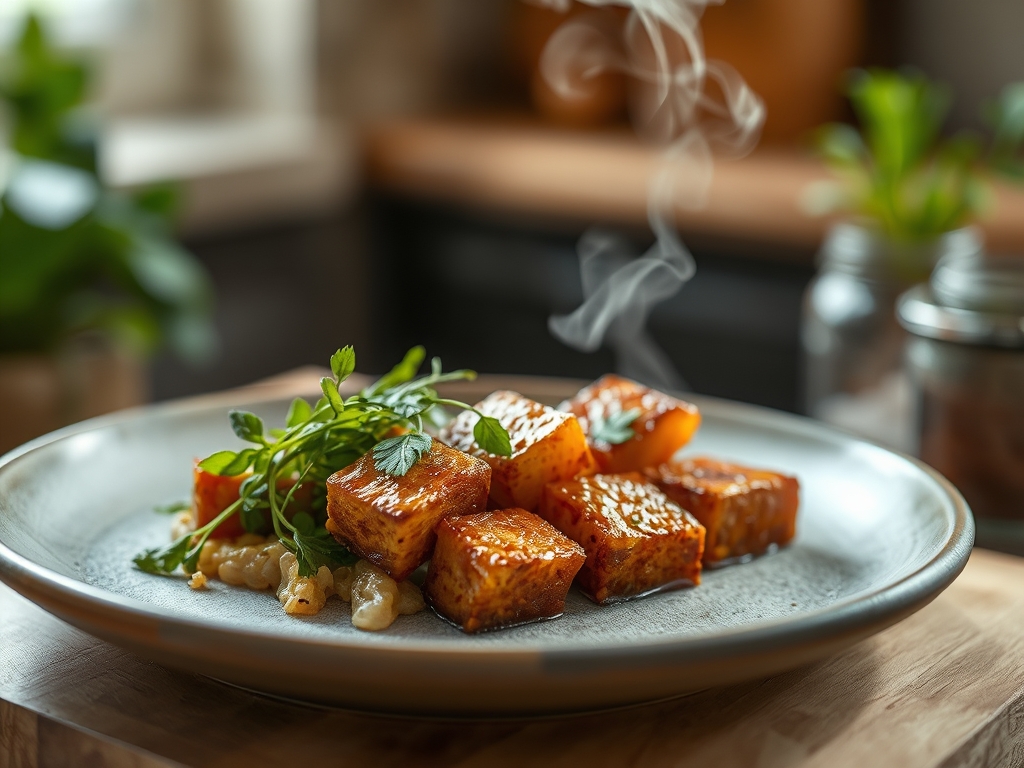
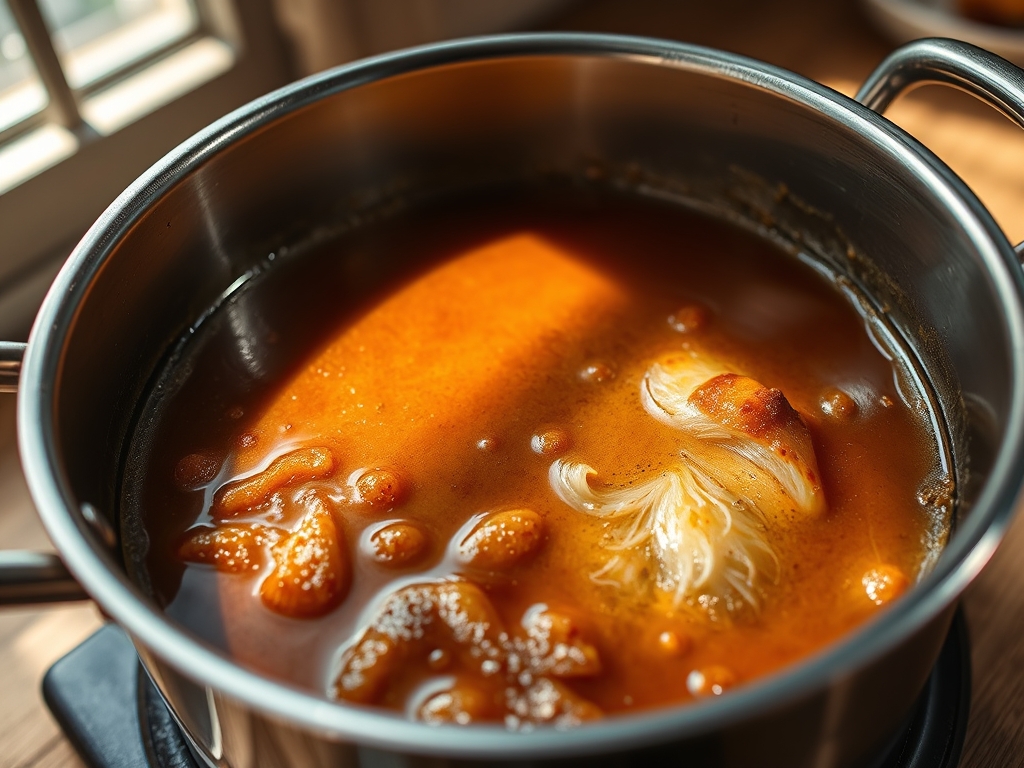
Referencing the Masterclass photo, your broth should exhibit a "cloud-like" suspension known as the "miso bloom." This is where the particulate matter of the fermented soy is suspended in the dashi. If the broth looks clear with a layer of sediment at the bottom, your emulsification was unsuccessful. Give it a gentle stir to re-aerate the solids. If the tofu looks ragged rather than sharp-edged, your knife skills or handling were too aggressive. The color should be a warm, toasted amber. If it looks grey, your dashi was over-extracted or your katsuobushi was old.
THE DEEP DIVE
Macro Nutrition Profile:
A standard serving of this audited miso soup provides approximately 90 calories, 6g of protein, 3g of fat, and 8g of carbohydrates. It is a powerhouse of probiotics and Vitamin K, though the sodium content is high (approx 800mg), so plan your daily intake accordingly.
Dietary Swaps:
- Vegan: Replace the katsuobushi with dried shiitake mushrooms. Soak the mushrooms with the kombu to create a "Zen Dashi."
- Keto: This recipe is naturally low-carb, but you can increase the healthy fats by adding a swirl of chili oil or extra silken tofu.
- Gluten-Free: Ensure your miso paste is labeled GF, as some varieties use barley (mugi miso) as a fermentation base.
Meal Prep & Reheating Science:
To maintain the molecular structure, do not microwave miso soup on high power. This creates localized "hot spots" that boil the miso and destroy the flavor. Reheat it on the stovetop over low heat, stirring constantly until it reaches 70C (160F). If storing, keep the scallions separate and add them fresh upon reheating to maintain the piquant contrast.
THE KITCHEN TABLE
Why does my miso soup look like it is moving?
This is the "miso bloom." It occurs because of convection currents in the hot liquid moving the suspended soy particles. It is a sign of a perfectly balanced, non-boiled emulsion.
Can I use just one type of miso?
You can, but the "Audit" recommends a blend. White miso provides sweetness and light aromatics, while red miso provides the deep, earthy "funk" and salt structure.
How long does dashi last in the fridge?
Fresh dashi is highly volatile. It will stay optimal for about 48 hours. After that, the delicate smoky notes of the bonito begin to sour. Freeze it in ice cube trays for longer storage.
Is it okay to eat the kombu?
Absolutely. While its primary job is flavor extraction, you can slice the softened kombu into thin strips and add it back into the soup for extra fiber and a chewy texture.