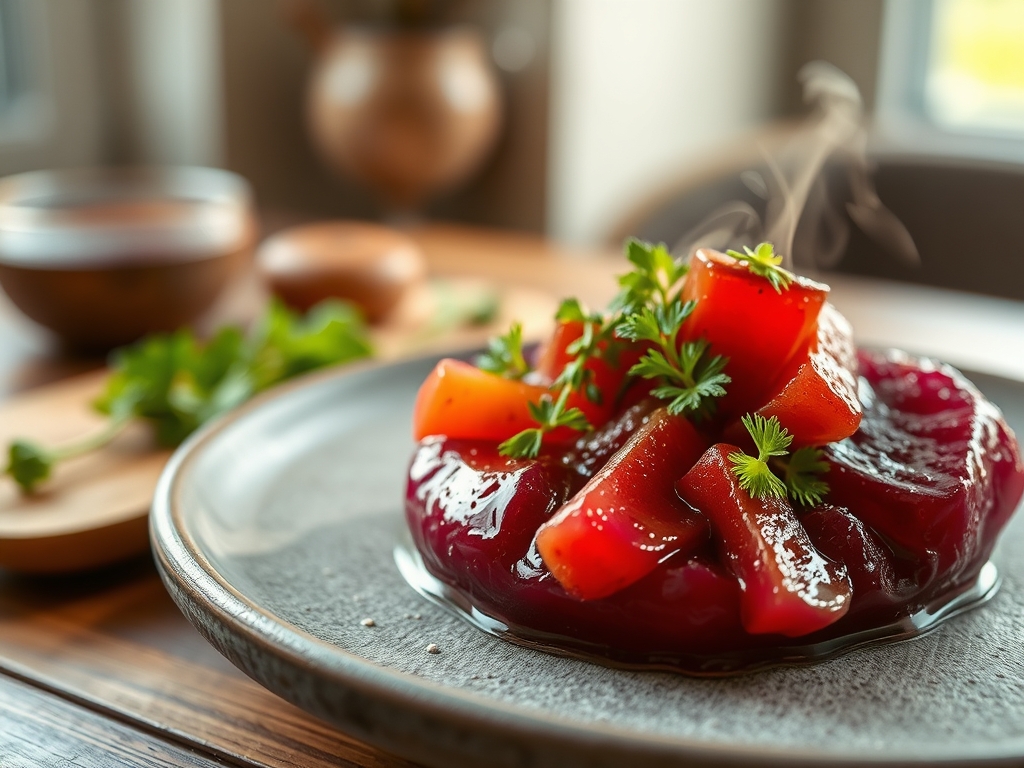
Forget the saccharine, over-processed juices clogging the shelves of your local health food boutique. We are entering the realm of the Kvass Beet Ferment; a liquid infrastructure built on the back of anaerobic respiration and microbial dominance. This is not a smoothie. It is a high-octane, piquant tonic that hums with the energy of a thousand lactic acid bacteria. When you peel back the lid of a maturing ferment, you are met with a scent that is earthy, sharp, and undeniably alive. The color is a deep, viscous crimson that stains everything it touches; a visual testament to the sheer density of betalains and nitrates packed into every milliliter. This beverage is the ultimate bio-hack for the modern kitchen, functioning as both a potent digestive aid and a culinary base for sophisticated sauces. We are here to engineer a masterpiece of fermentation that bridges the gap between ancient tradition and modern molecular precision. Prepare your station; we are about to render raw earth into liquid gold.
THE DATA MATRIX
| Metric | Specification |
|---|---|
| Prep Time | 25 Minutes |
| Execution Time | 5 to 7 Days (Fermentation Window) |
| Yield | 2 Liters / 8.5 Cups |
| Complexity | 3 / 10 |
| Estimated Cost per Serving | $0.45 |
THE GATHERS
Ingredient Protocol:
- 1 kg / 2.2 lbs Organic Red Beets (unpeeled, scrubbed)
- 2 Liters / 8.5 cups Filtered Water (chlorine-free)
- 40g / 2.5 tbsp Sea Salt (non-iodized)
- 15g / 1 tbsp Fresh Ginger (thinly sliced)
- 2 cloves Garlic (smashed)
- 10ml / 2 tsp Whey or Starter Liquid (optional, for acceleration)
Section A: Ingredient Quality Audit:
The integrity of your Kvass Beet Ferment hinges entirely on the raw material. If your beets feel soft or "corky" when squeezed, they have lost their cellular turgor and will produce a flat, dull tonic. Always select beets that are rock-hard and heavy for their size. If you are forced to use older beets, you must increase your salt concentration by 5% to compensate for the lack of natural sugars available for the bacteria. Furthermore, the water quality is non-negotiable. Chlorine is a microbial assassin. If your tap water smells like a swimming pool, boil it for fifteen minutes and let it cool to room temperature before use to ensure the chlorine has evaporated.
THE MASTERCLASS
1. Precision Cubing and Geometry
Utilize a sharp chef knife or a heavy-duty mandoline to process your beets into 2cm cubes. Do not grate them. Grating increases the surface area too drastically, leading to a rapid sugar release that can turn your ferment into alcohol rather than lactic acid. Place your digital scale on the counter and weigh the beets to ensure the salt-to-vegetable ratio remains precise.
Pro Tip: Uniform geometry ensures a consistent rate of extraction. Using a bench scraper to transfer the cubes prevents the loss of precious pigments on your cutting board.
2. Brine Saturation and Salinity
In a large saucier or glass pitcher, whisk your sea salt into the filtered water until fully dissolved. This creates the saline shield necessary to ward off pathogenic mold while allowing Lactobacillus to thrive. The salt works to infuse the brine with minerals while drawing the moisture out of the beet cell walls via osmosis.
Pro Tip: The science of osmosis requires a specific salinity (roughly 2 percent). If your brine is too weak, the beets will soften and rot; too strong, and you will stall the microbial activity entirely.
3. The Anaerobic Chamber
Pack the beets, ginger, and garlic into a sterilized half-gallon glass jar. Pour the brine over the solids until they are completely submerged. Any vegetable matter exposed to oxygen will become a landing strip for Kahm yeast or mold. Use a fermentation weight or a smaller glass jar to keep the beets pinned below the surface.
Pro Tip: Professional fermenters use an airlock system to allow CO2 to escape without letting oxygen in. This maintains the viscous texture and prevents the development of off-flavors.
4. The Fermentation Window
Place the jar in a cool, dark corner (18 to 22 degrees Celsius). Check the jar daily. You should see small bubbles beginning to aerate the liquid within 48 hours. This is the visual cue that your microbial infrastructure is online.
Pro Tip: Temperature control is the most overlooked variable. If the room is too warm, the ferment will proceed too quickly, resulting in a "fizzy" and overly acidic profile that lacks depth.
Section B: Prep & Timing Fault-Lines:
Timing is your greatest enemy in the fermentation lab. If you leave the Kvass for ten days in a heatwave, you will end up with beet vinegar. If you pull it too early, you are just drinking salty beet water. Use a pH strip to audit the acidity; you are looking for a reading between 3.5 and 4.0. If the liquid becomes "syrupy" or develops long strands of slime, your temperature was too high, allowing "pedio" bacteria to take over. If this happens, discard the batch and recalibrate your cooling zone.
THE VISUAL SPECTRUM
Section C: Thermal & Visual Troubleshooting:
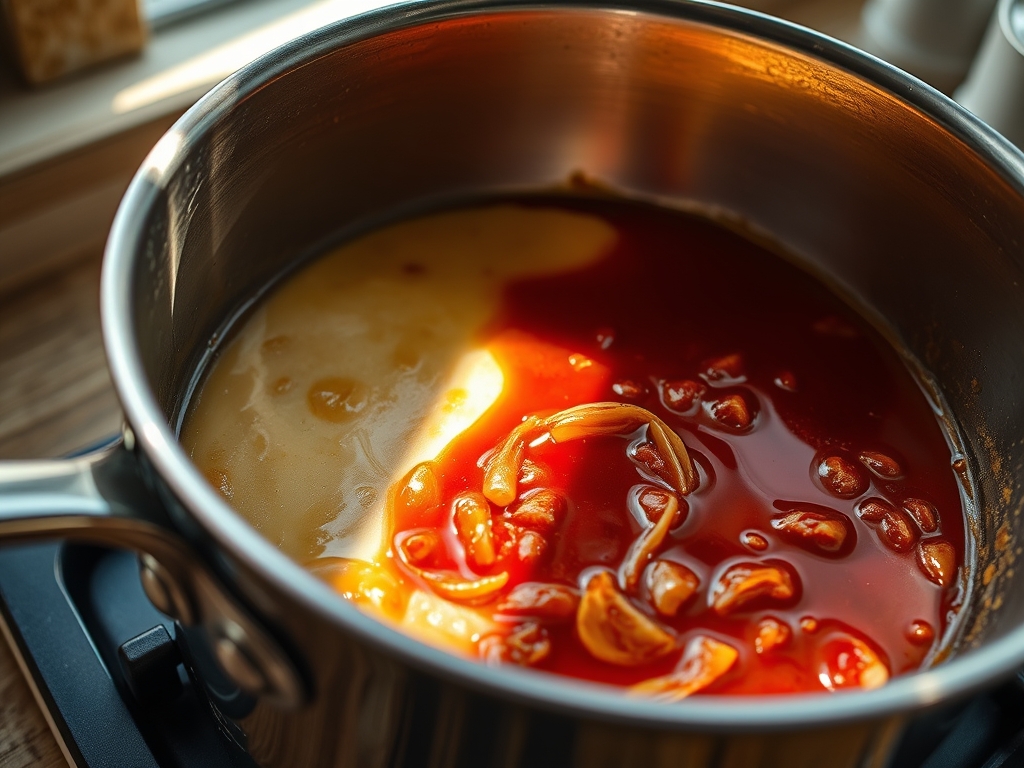
Referencing the Masterclass photo above, observe the clarity and depth of the liquid. A successful Kvass Beet Ferment should be a clear, vibrant ruby color, not cloudy or brown. If your liquid looks muddy, it indicates that the beets were not cleaned properly or that the salt was iodized. If you see a white, filmy crust on the surface, do not panic; this is likely Kahm yeast. Simply skim it off with a sterile spoon. However, if the film is fuzzy, green, or black, the batch is compromised. The goal is a tonic that looks like a liquid gemstone, shimmering with a clean, reflective surface.
THE DEEP DIVE
Macro Nutrition Profile:
Per 250ml serving, expect approximately 35 calories, 8g of carbohydrates, and 2g of protein. The real value lies in the 300mg of nitrates and the billions of CFU (Colony Forming Units) of probiotics.
Dietary Swaps:
- Vegan: Naturally compliant.
- Keto: Beets are higher in sugar, but the fermentation process consumes most of the glucose. Limit intake to 100ml per serving to stay within ketosis.
- GF: Naturally gluten-free.
Meal Prep & Reheating Science:
Never heat your Kvass. Heat will denature the enzymes and kill the probiotic bacteria, effectively destroying the molecular benefits of the ferment. Store the finished product in the refrigerator for up to two months. The cold temperature slows the microbial metabolism, preserving the flavor profile. To serve, simply pour and enjoy chilled to maintain the crisp, piquant finish.
THE KITCHEN TABLE
Why is my Kvass salty instead of sour?
Fermentation takes time. If it is still overly salty, the bacteria have not yet converted the sugars into lactic acid. Give it another 48 hours in a slightly warmer spot to jumpstart the metabolic process.
Can I reuse the beets for a second batch?
Absolutely. You can perform a "second pull" by adding fresh brine to the used beets. The flavor will be lighter, but the microbial colony is already established, meaning the second ferment will often proceed faster than the first.
What is the white sediment at the bottom?
That is spent yeast and bacteria. It is a natural byproduct of a healthy ferment. You can choose to shake the jar to aerate and incorporate it, or leave it settled for a clearer pour.
Does the type of salt really matter?
Yes. Table salt contains anti-caking agents and iodine which can inhibit bacterial growth and turn the brine cloudy. Always use high-quality sea salt or Himalayan pink salt to ensure a clean, successful fermentation cycle.