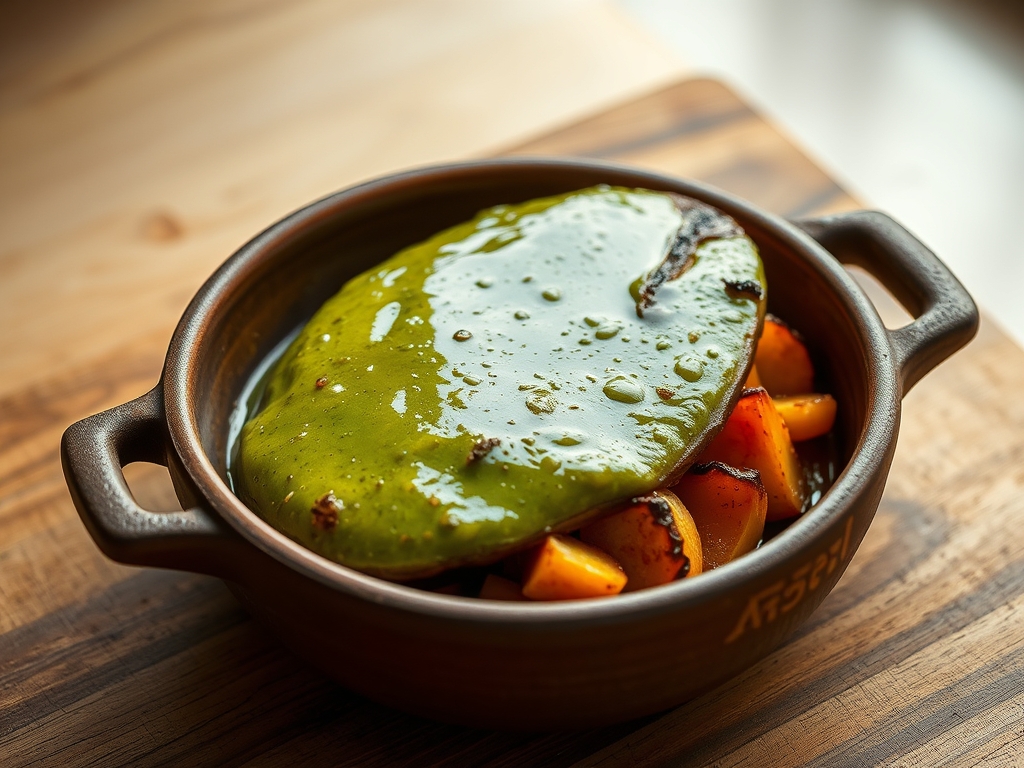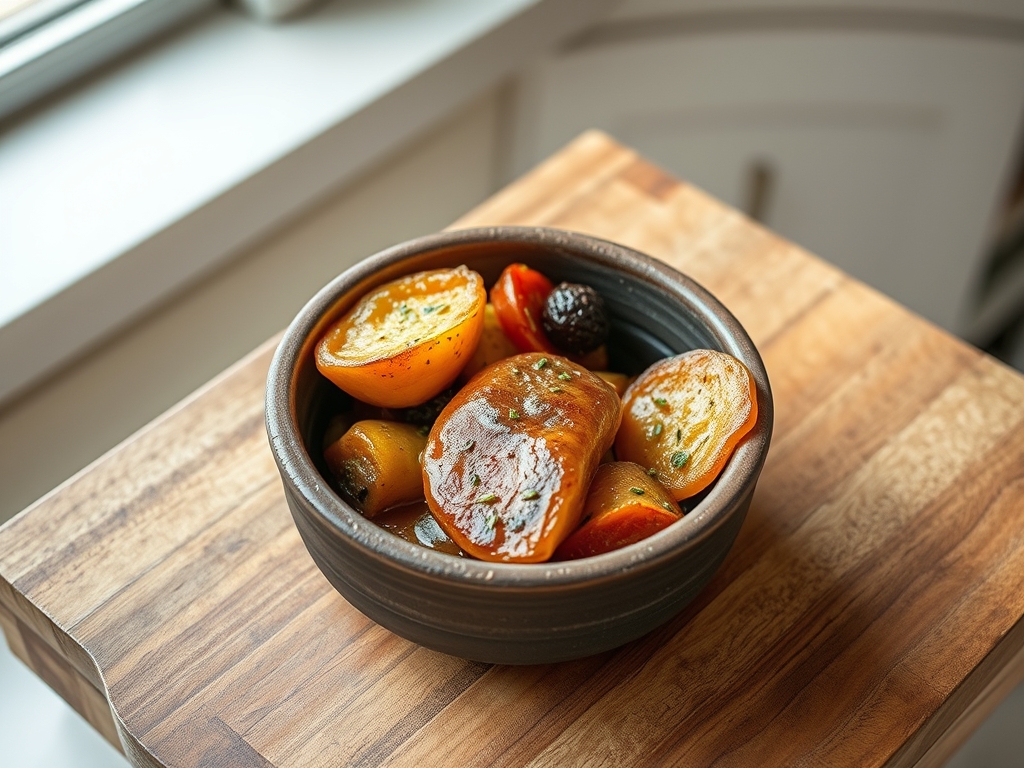
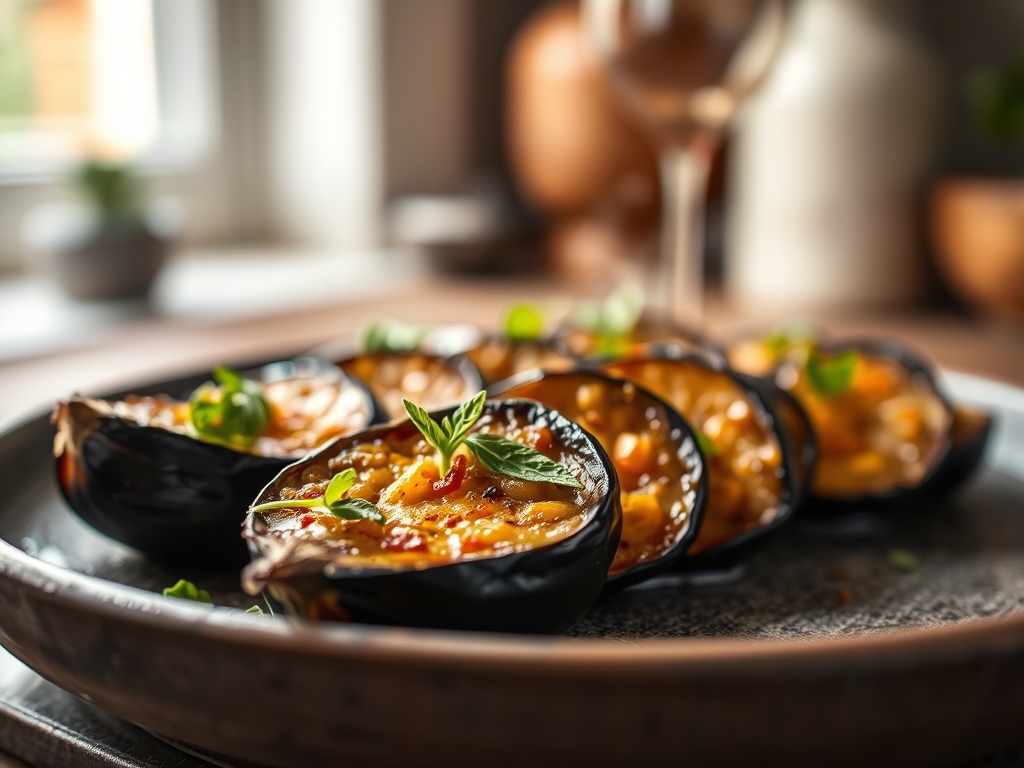
Welcome to the high stakes theater of the nightshade family, where the difference between a culinary masterpiece and a soggy, oil-slicked disaster is measured in cellular integrity. We are here to conduct a rigorous Eggplant Texture Study, an audit of the botanical sponge known as Solanum melongena. To the uninitiated, the eggplant is a treacherous medium; it is a porous matrix of air pockets and cellulose that acts like a thermal vacuum. If you approach this vegetable without a tactical plan, it will drink your expensive olive oil like a desert traveler and collapse into a gray, unappealing mush. However, when managed with precision, those same air pockets become the staging ground for the Maillard reaction. We are looking for that elusive transition where the exterior achieves a crisp, lacquered finish while the interior undergoes a controlled collapse into a rich, custard-like creaminess. This is not just cooking; it is an architectural intervention. We are here to dominate the moisture content and force the sugars to caramelize before the structural walls of the vegetable give way to total entropy.
THE DATA MATRIX
| Metric | Specification |
|---|---|
| Prep Time | 45 Minutes (includes active salting) |
| Execution Time | 15 Minutes |
| Yield | 4 Servings |
| Complexity (1-10) | 6 (Requires thermal vigilance) |
| Estimated Cost per Serving | $2.50 – $3.75 |
THE GATHERS
Ingredient Protocol:
- 2 Large Globe Eggplants (approx. 900g / 2 lbs)
- Kosher Salt for Osmotic Dehydration (30g / 2 tbsp)
- High-Smoke Point Extra Virgin Olive Oil (120ml / 0.5 cup)
- Fresh Garlic, microplaned (3 cloves)
- Aged Balsamic Vinegar (30ml / 2 tbsp)
- Fresh Italian Parsley, chiffonade (15g / 0.5 oz)
- Red Pepper Flakes for piquant heat (2g / 0.5 tsp)
Section A: Ingredient Quality Audit:
The primary failure point in any Eggplant Texture Study is the age of the specimen. If the skin is dull or yields to light thumb pressure without springing back, the internal seeds have likely hardened and turned bitter. Technical Fix: If you are stuck with older eggplant, use a bench scraper to aggressively remove the seed core after slicing. If the vegetable feels abnormally light for its size, the air-to-flesh ratio is too high. You must increase your salt-pressing time by twenty percent to compensate for the excess porosity. Always ensure your olive oil is fresh; because eggplant is a lipid sponge, any rancidity in the oil will be magnified tenfold in the final flavor profile.
THE MASTERCLASS
1. The Osmotic Extraction
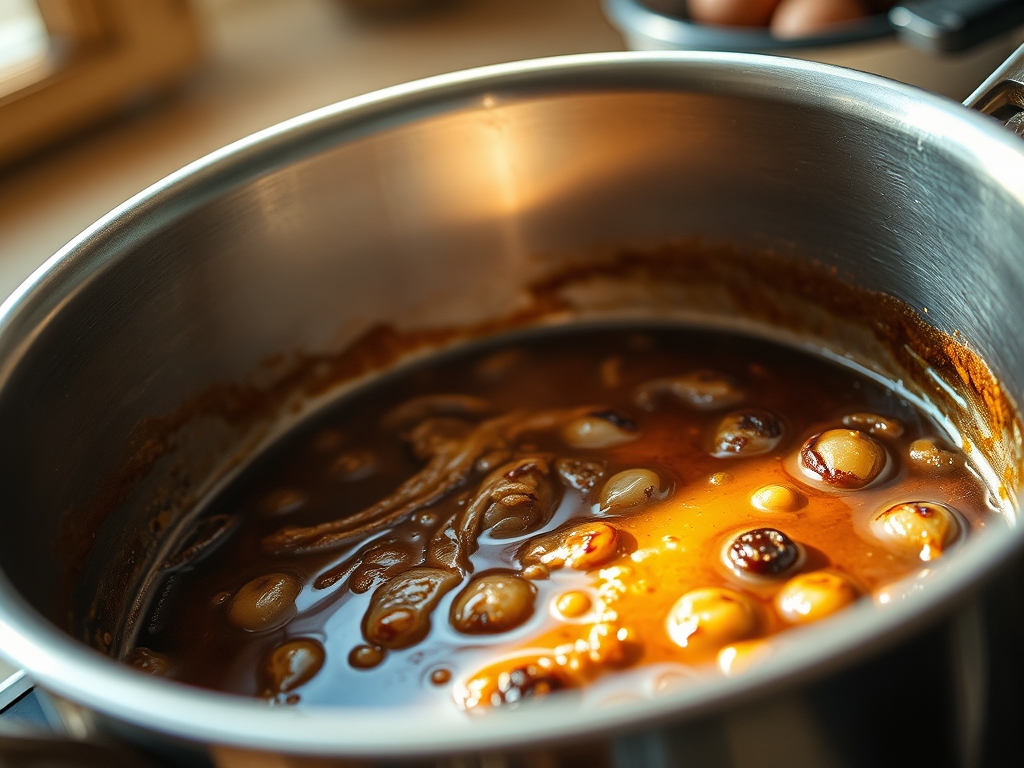
Slice the eggplant into 2cm rounds using a sharpened chef knife. Arrange them on a wire rack set over a sheet pan. Apply a uniform coating of kosher salt to both sides. Allow the slices to sit for at least 30 minutes. You will observe beads of "sweat" forming on the surface as the salt draws out bitter alkaloids and collapses the cellular air pockets.
Pro Tip: Use a digital scale to weigh your salt. Over-salting at this stage is difficult to reverse, but precision ensures the cellulose walls soften just enough to prevent the "spongy" mouthfeel that ruins most amateur attempts.
2. The Compression Phase
After the 30-minute mark, use heavy-duty paper towels or a clean lint-free kitchen towel to firmly press each slice. You are not just drying the surface; you are physically compressing the fiber. This creates a denser material that will sear rather than steam when it hits the heat.
Pro Tip: Use a heavy cast iron press or a second weighted sheet pan during this phase to maximize moisture expulsion. This mechanical advantage ensures a more uniform thickness across all slices.
3. The Lipid Infusion
In a small saucier, gently warm your olive oil with the microplaned garlic and red pepper flakes. Do not let the garlic brown; you simply want to infuse the fat with aromatics. Brush this mixture onto the eggplant slices immediately before they go onto the heat.
Pro Tip: Never soak the eggplant in oil. Because of its porous nature, it will absorb the liquid instantly. Brushing right before searing ensures the oil stays on the surface to facilitate the Maillard reaction rather than migrating to the center.
4. Thermal Execution
Preheat a heavy cast iron grill pan or outdoor grill to medium-high heat (approximately 204C / 400F). Lay the slices down and do not move them for three minutes. You are looking for deep, charred grill marks that signify the breakdown of complex sugars. Flip once and repeat.
Pro Tip: Use an infrared thermometer to verify surface temperature. If the pan drops below 190C, the eggplant will render its remaining moisture and begin to boil in its own juices, destroying the texture.
Section B: Prep & Timing Fault-Lines:
The most common human error is the "crowded pan" syndrome. If you place too many slices in the pan at once, the ambient temperature drops and the released steam has nowhere to go. This results in a gray, flaccid product. Technical Fix: Work in batches. Keep completed slices on a warm wire rack in a 93C (200F) oven to maintain their structural integrity while you finish the audit. Another timing error is the premature application of the balsamic vinegar. Acid should only be introduced at the very end to deglaze the palate and provide a viscous contrast to the rich fats.
THE VISUAL SPECTRUM
Section C: Thermal & Visual Troubleshooting:
Referencing the Masterclass photo, your target visual is a high-contrast topography. The "valleys" created by the grill should be dark mahogany, while the "peaks" should remain a vibrant, creamy ivory. If your eggplant looks uniform and pale, your heat was too low. If the skin is shriveled and separated from the flesh, you skipped the compression phase. A dull, matte finish indicates the eggplant has absorbed all the surface lipids; a quick brush with a finishing oil will restore the lustrous sheen required for professional presentation. If you see "bleeding" of colors, it means the parsley was added while the eggplant was too hot, causing the chlorophyll to break down and turn brown.
THE DEEP DIVE
Macro Nutrition Profile:
Eggplant is a low-density carbohydrate source, primarily composed of water and fiber. A standard serving provides approximately 120 calories, 9g of healthy fats (from the infusion), and 4g of dietary fiber. It is an excellent vehicle for micronutrients like nasunin, an antioxidant found in the purple skin.
Dietary Swaps:
- Vegan: This protocol is inherently vegan.
- Keto: Eggplant is keto-friendly in moderation. To further reduce carbs, ensure the balsamic vinegar is a true aged variety without added thickeners or sugars.
- GF: Naturally gluten-free. Ensure your "deglaze" liquids do not contain hidden malt or soy additives.
Meal Prep & Reheating Science:
To maintain the molecular structure when reheating, avoid the microwave at all costs. The microwave agitates water molecules, which will turn your carefully grilled slices into a soggy mess. Instead, use an air fryer or a dry skillet for three minutes at high heat to aerate the exterior and crisp the lipids once more.
THE KITCHEN TABLE
Why is my eggplant still bitter after salting?
You likely didn't rinse or wipe the salt away thoroughly. The bitterness is carried in the liquid that the salt draws out; if that liquid isn't physically removed, the bitter compounds stay on the surface.
Can I use a regular non-stick pan?
You can, but you will lose the "char" aesthetics. Cast iron is preferred because its high thermal mass prevents temperature drops when the cold vegetable makes contact, ensuring a superior sear.
Does the thickness of the slice really matter?
Absolutely. Anything thinner than 1.5cm will collapse into a wafer; anything thicker than 3cm will have a raw, spongy center while the outside burns. Precision is the key to texture.
What if I want to skip the oil?
The Eggplant Texture Study concludes that oil is a functional component, not just a flavor. Without lipids to conduct heat into the cellulose, the eggplant will simply dehydrate and become leathery rather than creamy.