Listen to the snap. That sharp, percussive crack of a vibrant green pod is the sound of structural integrity meeting precision thermal application. We are not just snacking; we are conducting a high-stakes extraction of Edamame Soy Protein from its fibrous, cellulose-bound fortress. To the uninitiated, it is a bowl of beans. To the culinary auditor, it is a masterclass in isoflavone retention and osmotic seasoning. We are hunting for that perfect intersection of a buttery, nutty interior and a salt-crusted exterior that demands immediate consumption. The Edamame Soy Protein found within these pods is a nutritional powerhouse, but it is volatile. Subject it to excessive heat for too long, and you lose the bright, verdant chlorophyll and the firm, snappy texture that defines the experience. We are here to ensure that every pod delivers a piquant punch of flavor while maintaining the molecular density required for a world-class appetizer. Grab your digital timers and your finest sea salt; we are about to optimize your legume infrastructure.
THE DATA MATRIX
| Metric | Specification |
|---|---|
| Prep Time | 5 Minutes |
| Execution Time | 6 Minutes |
| Yield | 4 Servings |
| Complexity (1-10) | 2 |
| Estimated Cost per Serving | $1.15 |
THE GATHERS
Ingredient Protocol:
- 500g / 1.1 lbs Frozen or Fresh Edamame Pods (In-shell)
- 15ml / 1 tbsp Toasted Sesame Oil
- 10g / 2 tsp Flaked Sea Salt (Maldon preferred)
- 5g / 1 tsp Shichimi Togarashi or Red Chili Flakes
- 30ml / 2 tbsp Water (for steam generation)
- 10ml / 2 tsp Rice Wine Vinegar
Section A: Ingredient Quality Audit:
The primary failure point in this protocol is the use of "freezer-burned" pods. If you detect ice crystals inside the bag, the cellular walls of the Edamame Soy Protein have likely ruptured. This leads to a mushy, waterlogged texture upon thawing. To fix this, do not boil the pods in a large pot of water. Instead, use a flash-steaming method to infuse heat without further saturating the tissues. If your pods appear dull or yellowed, they have lost their chlorophyll via oxidation. You can partially rescue the visual profile by adding a pinch of baking soda to the steaming liquid; this raises the pH and helps "lock in" the green magnesium atom at the center of the chlorophyll molecule. Finally, ensure your salt is flaked, not granulated. Granulated salt will bounce off the pods, whereas flaked salt adheres to the microscopic textures of the shell.
THE MASTERCLASS
1. Thermal Priming and Vessel Selection
Place a heavy-bottomed saucier or a wide cast-iron skillet over medium-high heat. Allow the vessel to reach a temperature of approximately 175C (350F). Use an infrared thermometer to verify the surface heat. Once the pan is primed, add the sesame oil and swirl to coat the surface.
Pro Tip: Using a saucier with sloped sides allows for better steam circulation and easier tossing. The high smoke point of sesame oil is not the goal here; rather, we want to slightly render the aromatic compounds in the oil before the pods hit the pan.
2. The Flash-Steam Execution
Toss the edamame pods into the pan in a single layer. Immediately add the 30ml of water and cover with a tight-fitting lid. This creates a high-pressure steam environment that cooks the Edamame Soy Protein rapidly without leaching nutrients into a boiling bath.
Pro Tip: The science here is latent heat of vaporization. Steam carries significantly more energy than boiling water, allowing for a faster cook time which preserves the delicate isoflavones. Keep a digital scale nearby to ensure your water-to-bean ratio is exact.
3. Emulsification and Seasoning Adherence
After 3 minutes, remove the lid. The water should be nearly evaporated. Add the rice wine vinegar and the chili flakes. Increase the heat to high for 60 seconds, tossing the pods constantly with a bench scraper or heat-resistant spatula to aerate the mixture and ensure an even coating.
Pro Tip: The vinegar acts as a surfactant, helping the oil and spices form a thin, viscous film over the pods. This ensures that the seasoning stays on the shell and eventually transfers to the palate during the "extraction" phase of eating.
4. The Final Salt Application
Transfer the pods to a chilled stainless steel bowl. Sprinkle the flaked sea salt over the pods from a height of at least 12 inches to ensure even distribution. Toss one final time and serve immediately.
Pro Tip: Salting off the heat prevents the salt from dissolving into the residual moisture. You want the crystals to remain intact for a tactile, crunch-driven sensory experience.
Section B: Prep & Timing Fault-Lines:
The most common human error is the "Over-Steamer Syndrome." If you leave the pods in the steam for more than 5 minutes, the vibrant green shifts to a muddy khaki. This is caused by the replacement of the magnesium ion in chlorophyll with a hydrogen ion. To prevent this, always use a digital timer. If you are prepping for a crowd, use the "Shock and Sear" method: steam for 2 minutes, plunge into an ice bath to stop the reaction, and then deglaze them in a hot pan with oil and salt just before serving to restore the surface temperature.
THE VISUAL SPECTRUM
Section C: Thermal & Visual Troubleshooting:
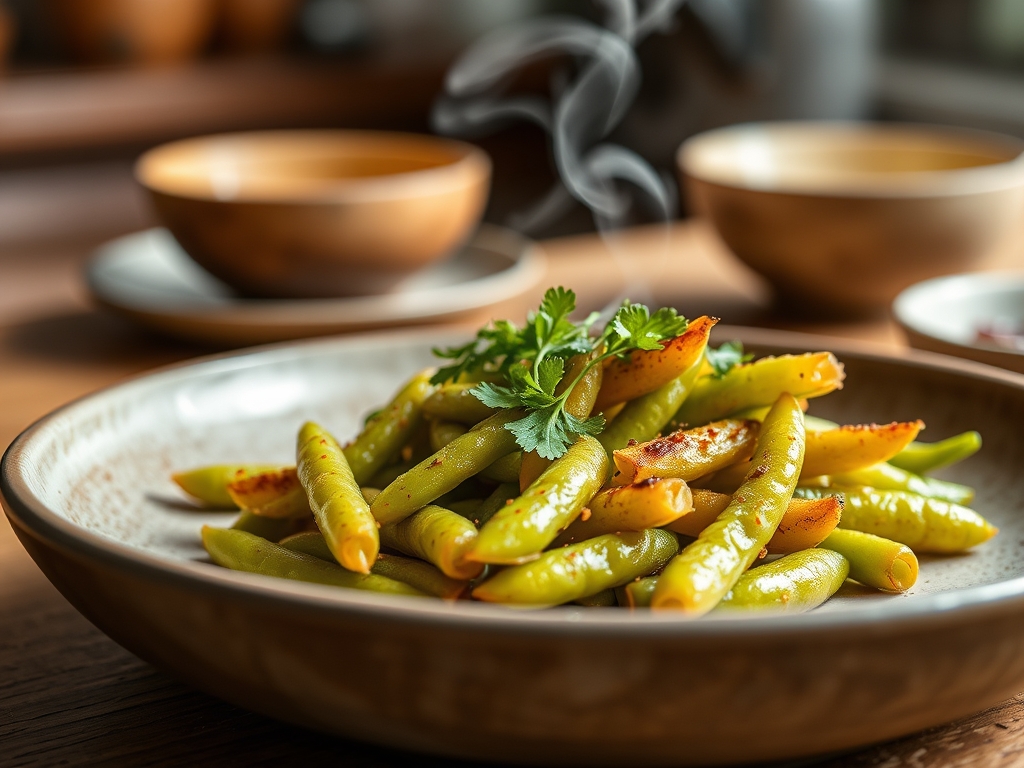
Referencing the Masterclass photo, notice the "blistered" appearance of the pods. This indicates that the pan was sufficiently hot before the water was added. If your pods look wet and limp, your heat was too low, resulting in a "stewing" effect rather than a steam-sear. If the salt appears to have disappeared, you applied it too early while the pods were still emitting significant steam. The ideal visual cue is a slight char on the exterior ridges of the pod, contrasted against a bright, neon-green body. This indicates a successful Maillard reaction on the surface while the internal Edamame Soy Protein remains vibrant and snap-fresh.
THE DEEP DIVE
Macro Nutrition Profile:
A standard serving of these pods provides approximately 18g of Edamame Soy Protein, 8g of fiber, and 12g of healthy fats. It is a complete protein source, containing all nine essential amino acids required for human biological function.
Dietary Swaps:
- Vegan: Naturally compliant.
- Keto: High fiber counts lower the net carb impact, making this an ideal snack for ketogenic protocols.
- GF: Ensure your Shichimi Togarashi does not contain hidden grain fillers.
Meal Prep & Reheating Science:
To maintain molecular structure during reheating, avoid the microwave. The agitation of water molecules in a microwave will turn the pods rubbery. Instead, use an air fryer at 200C (400F) for 3 minutes. This removes surface moisture and restores the "snap" of the pod wall without overcooking the protein core.
THE KITCHEN TABLE
Why are my edamame pods tough and chewy?
This usually indicates undercooking or using older, "woody" pods. Ensure you are using "young" soy pods and that the steam phase reaches at least 3 minutes to break down the tough outer cellulose.
Can I use bottled lemon juice instead of vinegar?
You can, but the acidity profile is different. Rice wine vinegar provides a subtle sweetness that complements the nuttiness of the Edamame Soy Protein, whereas lemon juice can become overly metallic when heated.
Is it safe to eat the shells?
While not toxic, the shells are extremely high in indigestible fiber and are generally discarded. The goal is to use your teeth to "scrape" the beans and seasoning into your mouth.
How do I get the salt to stick better?
The secret is the oil-vinegar film. If the pods are bone-dry, salt will not adhere. Ensure there is a microscopic layer of fat on the surface before applying your flaked salt.