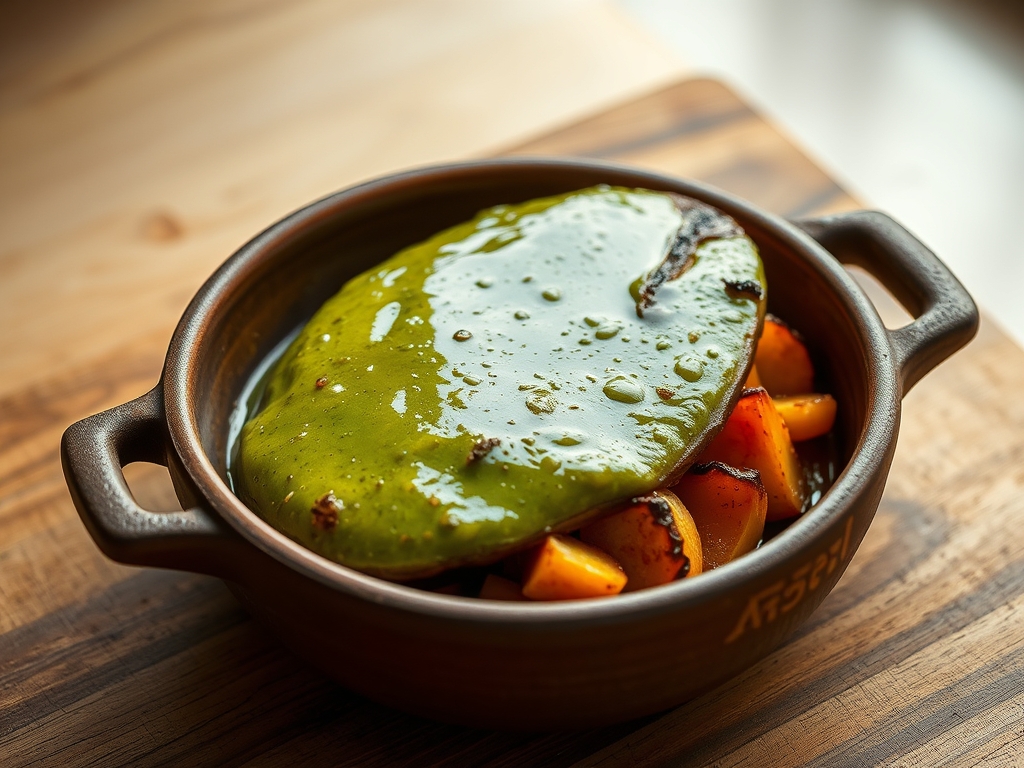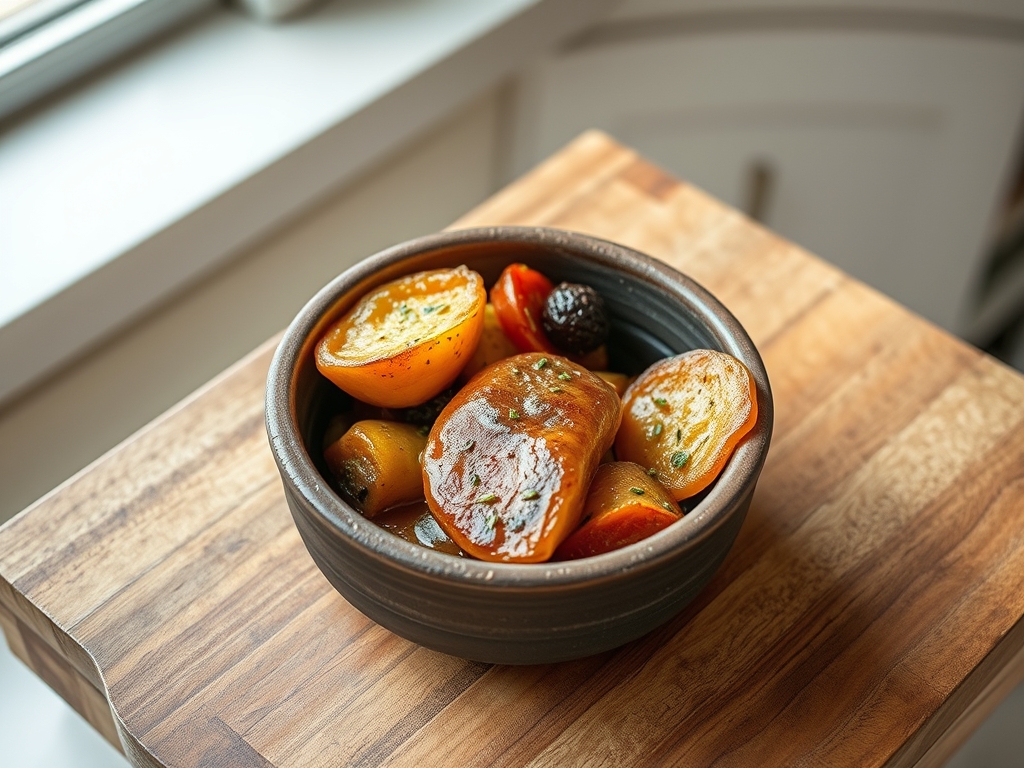
Forget the limp, steamed florets of school cafeterias and the uninspired side dishes of yesteryear. We are entering the realm of high-performance vegetable engineering where the brassica is no longer a garnish; it is the structural centerpiece. Welcome to the world of Cauliflower Steak Tech. We are looking for more than just "edible" results here. We are hunting for the perfect Maillard reaction, that deep, nutty caramelization that transforms humble cellulose into a savory powerhouse. When you slice through the central core of a head of cauliflower, you are creating a cross-sectional canvas for heat transfer. This is about managing thermal mass and moisture evaporation to achieve a texture that is tender yet resistant to the tooth. We are talking about high-heat searing followed by a controlled oven finish to ensure the interior reaches peak enzymatic breakdown without collapsing into mush. This is culinary infrastructure at its finest. If your kitchen isn't smelling like toasted butter and roasted sulfur compounds within twenty minutes, you have failed the audit. Let us begin the calibration.
THE DATA MATRIX
| Metric | Specification |
|---|---|
| Prep Time | 15 Minutes |
| Execution Time | 25 Minutes |
| Yield | 2 – 4 Servings |
| Complexity (1-10) | 4 |
| Estimated Cost per Serving | $2.50 – $4.00 |
THE GATHERS
Ingredient Protocol:
- 1 Large Head of Cauliflower (approx. 800g / 1.75 lbs)
- 60ml / 4 tbsp High-Smoke Point Oil (Avocado or Grapeseed)
- 45g / 3 tbsp Unsalted Butter (for basting)
- 5g / 1 tsp Smoked Paprika
- 3g / 0.5 tsp Garlic Powder
- 10g / 2 tsp Kosher Salt
- 2g / 0.5 tsp Cracked Black Pepper
- 15ml / 1 tbsp Fresh Lemon Juice
- 5g / 1 tbsp Flat Leaf Parsley (finely minced)
Section A: Ingredient Quality Audit:
The primary failure point in Cauliflower Steak Tech is the structural integrity of the raw material. If your cauliflower exhibits "ricey" textures or loose curds, it will disintegrate the moment your knife meets the cutting board. Ensure the head is dense and heavy for its size. If you encounter black spots (oxidative stress), do not discard the unit; simply use a microplane to shave off the surface discoloration. If the vegetable feels rubbery, it has lost turgor pressure. To fix this, submerge the entire head in an ice water bath for 30 minutes to rehydrate the cellular walls before slicing. This restores the crispness necessary for a clean cross-sectional cut.
THE MASTERCLASS
1. The Architectural Slice
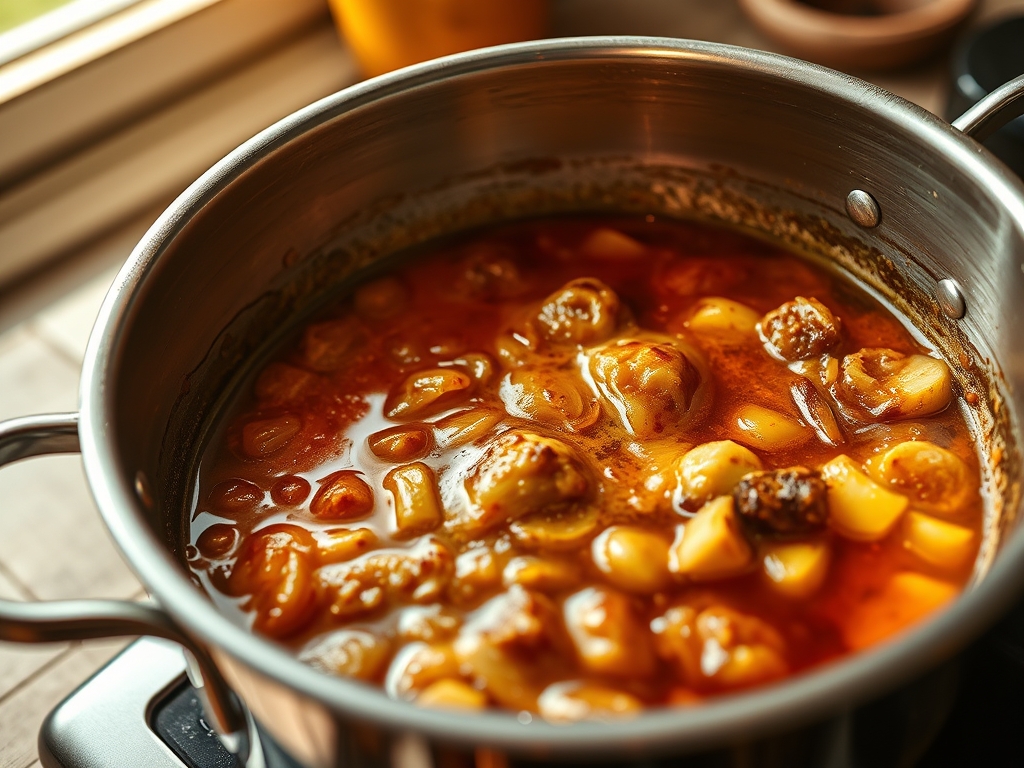
Place the cauliflower on a stable cutting board. Use a sharp chef knife to remove the outer leaves, but keep the stem intact; the stem acts as the structural "glue" for your steaks. Slice the head directly down the center. Cut 2cm (3/4 inch) thick slabs from the middle of each half. You will likely get two or three prime "steaks" per head.
Pro Tip: Use a digital scale to ensure each steak is within 10 grams of the others. Consistent mass leads to consistent thermal absorption. Use a bench scraper to clear the "cauliflower rice" debris from your board to maintain a clean workspace.
2. The Surface Preparation
Pat the steaks dry with a lint-free towel. Moisture is the enemy of the Maillard reaction. In a small bowl, whisk your oil, paprika, garlic powder, salt, and pepper until it forms a viscous slurry. Brush this generously over both sides of the cauliflower slabs, ensuring the nooks and crannies of the florets are fully coated.
Pro Tip: If you want a deeper flavor profile, let the seasoned steaks sit for 10 minutes. The salt will draw out a microscopic layer of moisture that, when mixed with the oil, creates a brine that helps infuse the spices deeper into the vegetable fibers.
3. The High-Heat Sear
Heat a heavy cast-iron skillet over medium-high heat. Once the pan begins to wisps of smoke, carefully lay the steaks in. Do not crowd the pan. Sear for 3 to 4 minutes per side until a deep, dark golden-brown crust forms.
Pro Tip: Use a heavy saucier or another pan to press down on the steaks during the first minute of searing. This maximizes surface-to-metal contact, ensuring an even distribution of heat across the irregular surface of the brassica.
4. The Butter Baste and Finish
Reduce heat to medium. Add the butter to the pan. As it begins to foam and render, tilt the pan and use a large spoon to continuously pour the hot butter over the steaks. This is where you add the lemon juice to deglaze the pan slightly and create a piquant pan sauce. Transfer the pan to a 200C (400F) oven for 8 to 10 minutes to soften the core.
Pro Tip: Use an infrared thermometer to check the pan surface temperature before adding butter. If it is over 175C (350F), the butter solids will burn instantly. You want the butter to brown (beurre noisette), not turn to carbon.
Section B: Prep & Timing Fault-Lines:
The most common human error is premature flipping. If you move the steak before the proteins and sugars have bonded and caramelized, you will tear the delicate florets. Trust the timer. Another fault-line is the "cold core" syndrome, where the outside is charred but the center is raw. This happens when the pan is too hot. If you see smoke becoming acrid, pull the pan off the heat immediately and allow the residual thermal energy to finish the job.
THE VISUAL SPECTRUM
Section C: Thermal & Visual Troubleshooting:
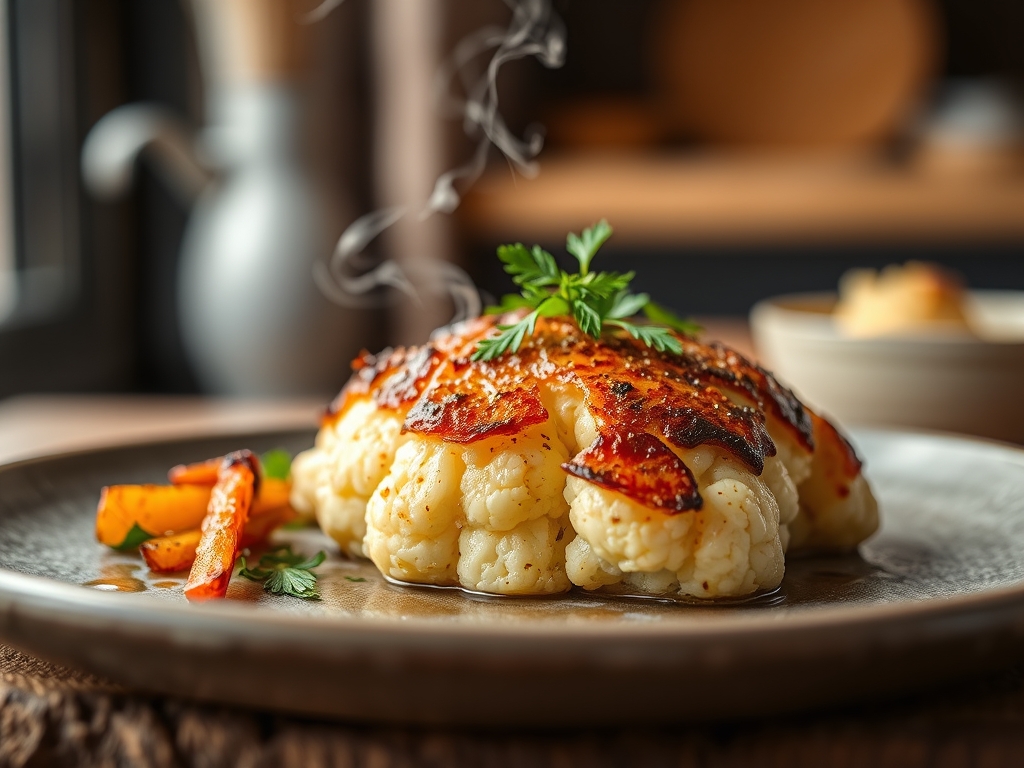
Look at the Masterclass photo above. Notice the "Golden Ratio" of browning; the edges should be dark, almost charred, while the center remains a vibrant, buttery yellow. If your steaks look pale and grey, your pan was not hot enough, resulting in "steaming" rather than "searing." If the steaks look dry, you likely skipped the basting phase. A properly executed steak should have a glistening, viscous sheen from the emulsified butter and lemon juice. If the florets are falling off, you cut the steaks too thin or removed too much of the central core. Use the visual cues of the "char-flecking" on the top edges to determine when the sugars have sufficiently transformed.
THE DEEP DIVE
Macro Nutrition Profile:
A standard serving (one large steak) provides approximately 180 calories, 14g of healthy fats (primarily from the oil and butter), 8g of carbohydrates, and 4g of fiber. It is a micronutrient powerhouse, high in Vitamin C and Vitamin K.
Dietary Swaps:
- Vegan: Replace the butter with a high-quality vegan butter substitute or extra virgin olive oil. To maintain the "umami" punch, add a teaspoon of nutritional yeast to the spice rub.
- Keto/GF: This recipe is naturally Keto and Gluten-Free. To boost fats, top with a dollop of gremolata or a tahini-based dressing.
Meal Prep & Reheating Science:
Cauliflower has a high water content, meaning reheating can often lead to sogginess. To maintain molecular structure, avoid the microwave. Reheat in a 190C (375F) oven for 6 minutes or in an air fryer for 3 minutes. This flashes off surface moisture and restores the "crunch" of the sear.
THE KITCHEN TABLE
Why is my cauliflower steak falling apart?
The core is your anchor. If you cut the steaks too far from the center or remove the stem entirely, the florets lose their connection. Always slice through the vertical axis of the stem to maintain structural integrity.
Can I use frozen cauliflower?
Negative. Frozen cauliflower has undergone cellular rupture due to ice crystal formation. It lacks the turgor pressure required to hold a "steak" shape and will turn into a mash upon contact with high heat.
What is the best oil to use?
Avoid extra virgin olive oil for the initial sear; its smoke point is too low. Use avocado oil or grapeseed oil. Save the high-end olive oil for a finishing drizzle to preserve its delicate aromatics.
How do I get that deep crust without burning?
The secret is the "dry-pat." Any surface moisture creates steam, which acts as a thermal barrier against browning. Ensure the vegetable is bone-dry before the oil and spices are applied for maximum crust development.