Forget the watery, translucent stock found in cardboard boxes on supermarket shelves. We are here to discuss the architecture of liquid gold. When you embark on a quest for Glycine Proline Extraction, you are not merely making soup; you are conducting a high-stakes thermal audit of connective tissue. This process is a relentless pursuit of the gelatinous "wobble" that signifies a successful breakdown of collagen into its constituent amino acids. The primary objective is the liberation of Bone Broth Minerals from the calcified matrix of bovine and avian skeletal structures. We want the phosphorus, the magnesium, and the calcium suspended in a liquid so viscous it coats the back of a spoon like velvet. This is culinary engineering at its most primal. If your finished product does not turn into a rigid piquant jelly when chilled, you have failed the audit. We are looking for a deep, amber clarity and a mouthfeel that speaks of long-term simmering and meticulous skimming. Strap in, because we are about to turn raw joints and marrow into a nutritional powerhouse.
THE DATA MATRIX
| Metric | Specification |
|---|---|
| Prep Time | 45 Minutes |
| Execution Time | 12 to 24 Hours |
| Yield | 4 Liters / 1.05 Gallons |
| Complexity (1-10) | 4 |
| Estimated Cost per Serving | $0.85 USD |
THE GATHERS
Ingredient Protocol:
- 2.5 kg / 5.5 lbs Grass-fed beef marrow and knuckle bones
- 1 kg / 2.2 lbs Meaty beef shanks or oxtail
- 500g / 1.1 lbs Organic carrots (unpeeled)
- 300g / 0.66 lbs Yellow onions (skin on for color)
- 200g / 0.44 lbs Celery stalks
- 60ml / 4 tbsp Apple cider vinegar (the catalyst)
- 15g / 1 tbsp Black peppercorns
- 4-5 sprigs Fresh thyme
- 6 Liters / 6.3 Quarts Filtered water
Section A: Ingredient Quality Audit:
If your bones appear bleached or lack any visible connective tissue, your extraction will be thin. Always source "knuckle" or "neck" bones as they possess the highest concentration of collagen. If you find yourself with bones that have been stripped too clean, the technical fix is to incorporate two chicken feet or a pig's trotter into the pot. These additions act as a "collagen insurance policy" to guarantee the desired viscosity. Furthermore, if your vegetables are wilted, do not toss them; their sugars have actually concentrated, which will help deglaze the roasting pan more effectively. Avoid using brassicas like broccoli or cabbage, as their sulfur compounds will create a bitter, swampy profile during the long extraction window.
THE MASTERCLASS
Step-by-Step Execution:
1. The Maillard Activation
Preheat your oven to 230C / 450F. Arrange the bones on a heavy-duty roasting pan. Do not crowd them; they need airflow to render fat and brown effectively. Roast for 40 minutes until they are a deep mahogany.
Pro Tip: Use a bench scraper to lift the caramelized bits (fond) from the pan after roasting. This fond contains the concentrated flavor molecules necessary for a complex profile. The science here is the Maillard reaction, where amino acids and reducing sugars create hundreds of different flavor compounds.
2. The Acidic Maceration
Place the roasted bones into a large stainless steel saucier or stockpot. Cover with cold filtered water and add the apple cider vinegar. Let this sit for 30 minutes before turning on the heat.
Pro Tip: Using a digital scale to measure your water-to-bone ratio ensures consistency. The vinegar lowers the pH of the water, which helps dissolve the calcium and other Bone Broth Minerals from the bone matrix into the liquid.
3. The Controlled Simmer
Bring the liquid to a bare simmer. You should see only one or two bubbles breaking the surface every few seconds. Use a fine-mesh skimmer to remove the "scum" or gray foam that rises to the top in the first hour.
Pro Tip: Never allow the broth to reach a rolling boil. High heat will emulsify the fats and impurities into the liquid, resulting in a cloudy, greasy broth rather than a clean, clear extraction.
4. The Aromatic Infusion
In the final 4 hours of your 24-hour cycle, add your vegetables and herbs. Adding them too early leads to over-extraction, which can make the broth taste "muddy" or overly vegetal.
Pro Tip: Keep the onion skins on. The tannins in the skin provide a natural golden-orange dye that enhances the visual spectrum of the broth without adding unwanted flavors.
5. The Precision Strain
Once the time has elapsed, use a spider strainer to remove the large solids. Pass the remaining liquid through a chinois or a sieve lined with cheesecloth into a large bowl set in an ice bath.
Pro Tip: Rapid cooling is vital for food safety and to preserve the molecular structure of the gelatin. A quick drop in temperature prevents the growth of thermophilic bacteria.
Section B: Prep & Timing Fault-Lines:
The most common human error is impatience. If you terminate the extraction at 6 hours, you have essentially made a weak stock. The Bone Broth Minerals require time to migrate from the dense bone interior to the aqueous solution. Another fault-line is temperature fluctuation. If your stove top is inconsistent, use a slow cooker or a heavy Dutch oven in a low-temperature oven (95C / 200F) to maintain a perfectly steady thermal environment.
THE VISUAL SPECTRUM
Section C: Thermal & Visual Troubleshooting:
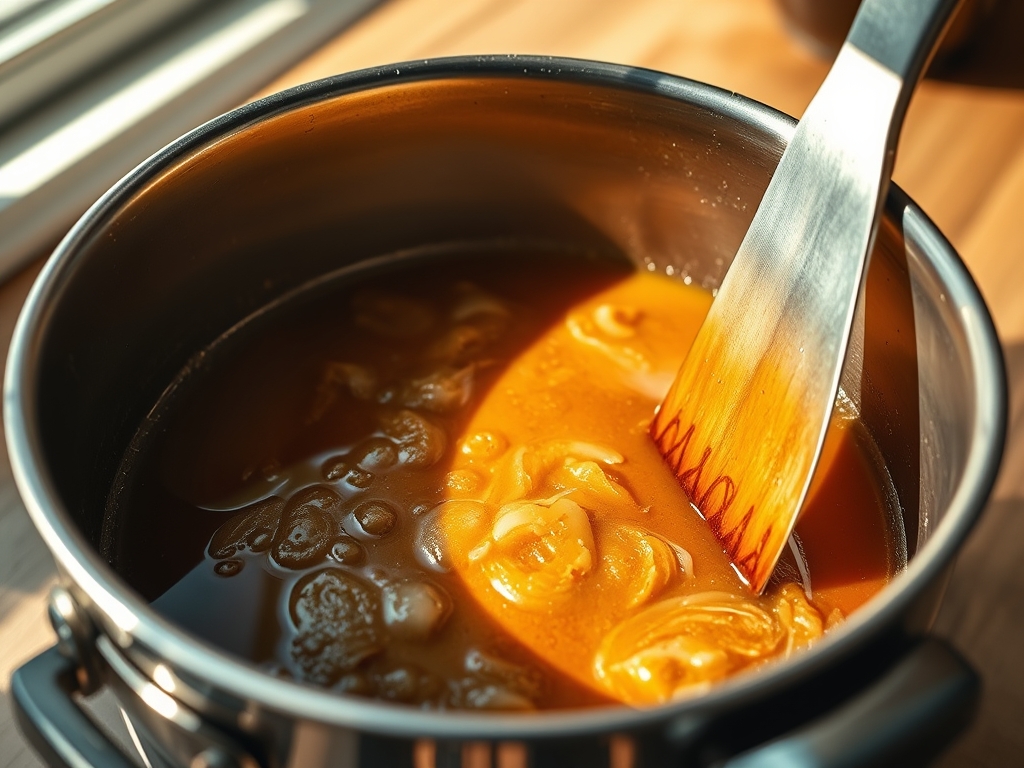
Referencing the Masterclass photo, your broth should exhibit a "high-gloss" surface. If your broth looks dull or matte, you likely skipped the roasting step or failed to remove the surface impurities. If the color is too pale, your Maillard activation was insufficient; next time, roast the bones until they are nearly chocolate-colored. If the broth remains liquid even when cold, your water-to-bone ratio was too high. You can fix this by returning the strained broth to the heat and reducing it by half to concentrate the proteins.
THE DEEP DIVE
Macro Nutrition Profile:
A standard 250ml serving of this technical extraction contains approximately 10g of protein, 0g of carbohydrates, and 2g of fat. The primary value lies in the 6g of collagen-derived gelatin and the concentrated dose of Bone Broth Minerals including potassium, phosphorus, and magnesium.
Dietary Swaps:
- Vegan: Use dried shiitake mushrooms, kombu, and roasted soy beans to mimic the umami and mineral content, though the collagen profile cannot be replicated.
- Keto/GF: This recipe is natively compliant with both protocols. Ensure your apple cider vinegar contains "the mother" for maximum enzymatic activity.
Meal Prep & Reheating Science:
When reheating, do not use a microwave as it can cause uneven heating and "hot spots" that break down delicate amino acid chains. Reheat on the stovetop over medium-low heat. To maintain the molecular structure, avoid bringing it back to a full boil; heat only until it reaches a drinkable 70C / 160F.
THE KITCHEN TABLE
Why is my broth bitter?
You likely over-roasted the bones or left the vegetables in for the full 24 hours. Burnt bones or over-cooked celery release bitter alkaloids that dominate the flavor profile. Always add aromatics in the final quarter of the cook time.
Can I reuse the bones for a second batch?
Yes, this is called a "remouillage." While the second extraction will be thinner, it still contains significant Bone Broth Minerals. It is an excellent way to ensure zero-waste in a high-efficiency kitchen environment.
How long does it stay fresh?
Store in airtight glass jars for up to 5 days in the refrigerator. For long-term storage, freeze in silicone molds. The high gelatin content protects the liquid from freezer burn by stabilizing the water molecules.
What is the layer of fat on top?
That is the "tallow" or "schmaltz." Once chilled, it forms a hard seal that actually protects the broth from oxidation. Do not discard it; use it as a high-smoke-point cooking fat for searing steaks or roasting potatoes.