The scent of bubbling fruit hitting a high-heat copper basin is the olfactory equivalent of a siren song for the culinary elite. We are not merely cooking; we are conducting a high-stakes extraction of Blueberry Anthocyanins, those potent pigment compounds that serve as the primary defensive line against oxidative stress. Imagine a deep, royal violet hue so intense it threatens to stain the very air of your kitchen. This is the visual signature of health-optimizing infrastructure. When these berries rupture under controlled thermal tension, they release a viscous nectar packed with flavonoids that do more than just dazzle the palate. They act as molecular scavengers. As an auditor of the plate, I demand more than flavor; I demand a structural masterpiece where the tartness of the skin balances the syrupy interior. This recipe is an architectural blueprint for a Blueberry Anthocyanin reduction, designed to be drizzled over high-protein foundations or enjoyed as a concentrated antioxidant shot. Prepare for a sensory overhaul that prioritizes cellular integrity without sacrificing a single note of piquant brilliance.
THE DATA MATRIX
| Metric | Specification |
|---|---|
| Prep Time | 15 Minutes |
| Execution Time | 25 Minutes |
| Yield | 500ml / 2 Cups |
| Complexity (1-10) | 4 |
| Estimated Cost per Serving | $1.45 |
THE GATHERS
Ingredient Protocol:
- 500g / 3.5 cups Fresh Organic Blueberries (High Anthocyanin Density)
- 120ml / 0.5 cup Raw Local Honey or Agave
- 15ml / 1 tbsp Freshly Squeezed Lemon Juice
- 2g / 0.5 tsp Fine Sea Salt
- 5ml / 1 tsp Pure Vanilla Bean Paste
- 10g / 1 tbsp Cornstarch (Optional for increased viscosity)
- 30ml / 2 tbsp Filtered Water
Section A: Ingredient Quality Audit:
If your berries arrive lackluster and soft, the pectin levels are likely compromised. This results in a "flat" flavor profile. To fix this, increase the lemon juice by 5ml to provide the necessary acid spark to infuse life back into the fruit. If the honey has crystallized, do not microwave it. Place the jar in a warm water bath to gently render it back to a liquid state without destroying the delicate enzymes. Sub-par vanilla often tastes like medicinal alcohol; always opt for paste or whole beans to ensure the aromatic compounds survive the reduction process.
THE MASTERCLASS
Step-by-Step Execution:
1. Thermal Activation and Maceration
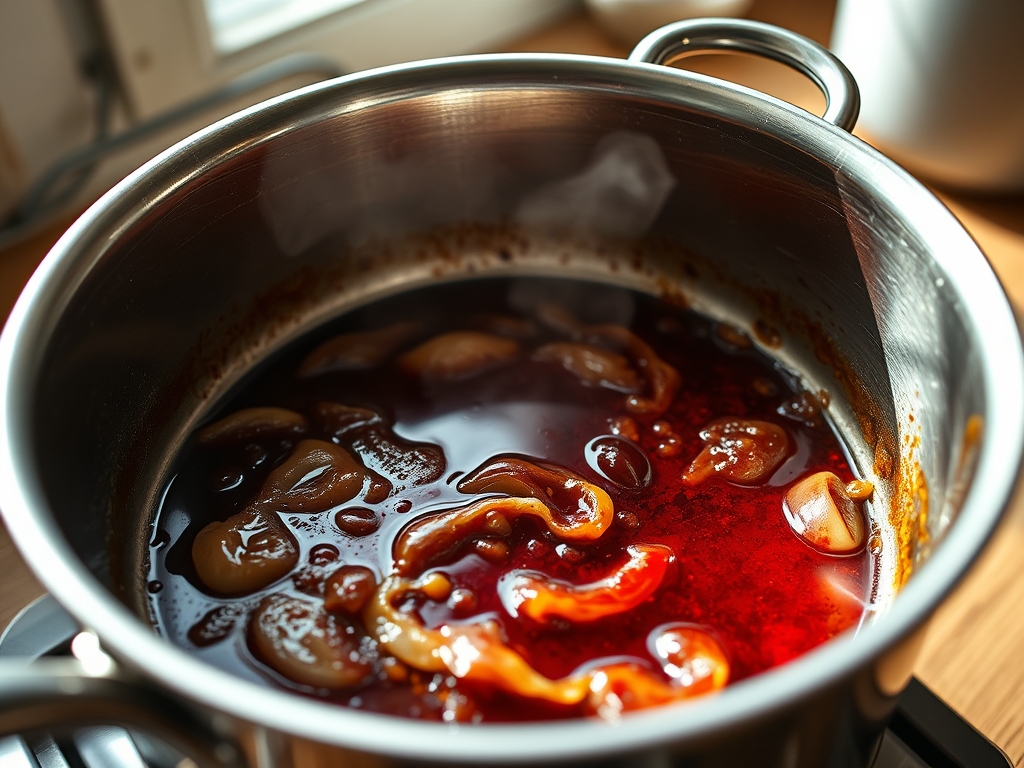
Place your blueberries into a stainless steel saucier over medium-low heat. Add the honey and salt. Use a wooden spoon to gently press about one-third of the berries against the side of the pan to release their juices.
Pro Tip: Using a saucier with rounded bottom edges prevents the fruit from scorching in "dead zones" where a standard saucepan might fail. The salt here is not for saltiness; it functions as a flavor bridge that suppresses bitterness and amplifies the perception of sweetness.
2. The Anthocyanin Extraction
Increase the heat to medium. Bring the mixture to a gentle simmer. You will notice the liquid turning a deep, opaque purple. This is the Blueberry Anthocyanins leaching into the syrup. Maintain this simmer for 12 minutes.
Pro Tip: Monitor the temperature with an infrared thermometer if available. You want to stay below 100 degrees Celsius to prevent the degradation of heat-sensitive antioxidants. Constant agitation with a bench scraper or spatula ensures even heat distribution across the molecular surface.
3. Emulsification and Thickening
In a small ramekin, whisk the cornstarch and water until smooth. Slow-pour this slurry into the simmering berries while whisking constantly. The liquid will transform from translucent to a glossy, viscous glaze within 60 seconds.
Pro Tip: Always use a digital scale to measure your starch. Even a 2-gram variance can turn a delicate reduction into a gummy paste. The starch granules must aerate and hydrate fully to create a smooth mouthfeel.
4. Acid Balance and Finishing
Remove the pan from the heat. Stir in the lemon juice and vanilla bean paste. This final hit of acid "sets" the color, shifting the pH to stabilize the vibrant violet hues.
Pro Tip: Adding volatiles like vanilla at the very end prevents the aromatic oils from evaporating. This ensures the scent profile remains complex and layered rather than one-dimensional.
Section B: Prep & Timing Fault-Lines:
The most common failure in this protocol is "The Flash Boil." If you apply excessive heat too quickly, the sugars will caramelize and mask the delicate berry notes. If the mixture looks too thin, do not simply add more starch. Allow it to cool for five minutes; the pectin in the blueberries will naturally tighten the structure as the kinetic energy decreases. If you over-reduce the sauce, deglaze the pan with a splash of water or apple juice to restore the desired consistency.
THE VISUAL SPECTRUM
Section C: Thermal & Visual Troubleshooting:
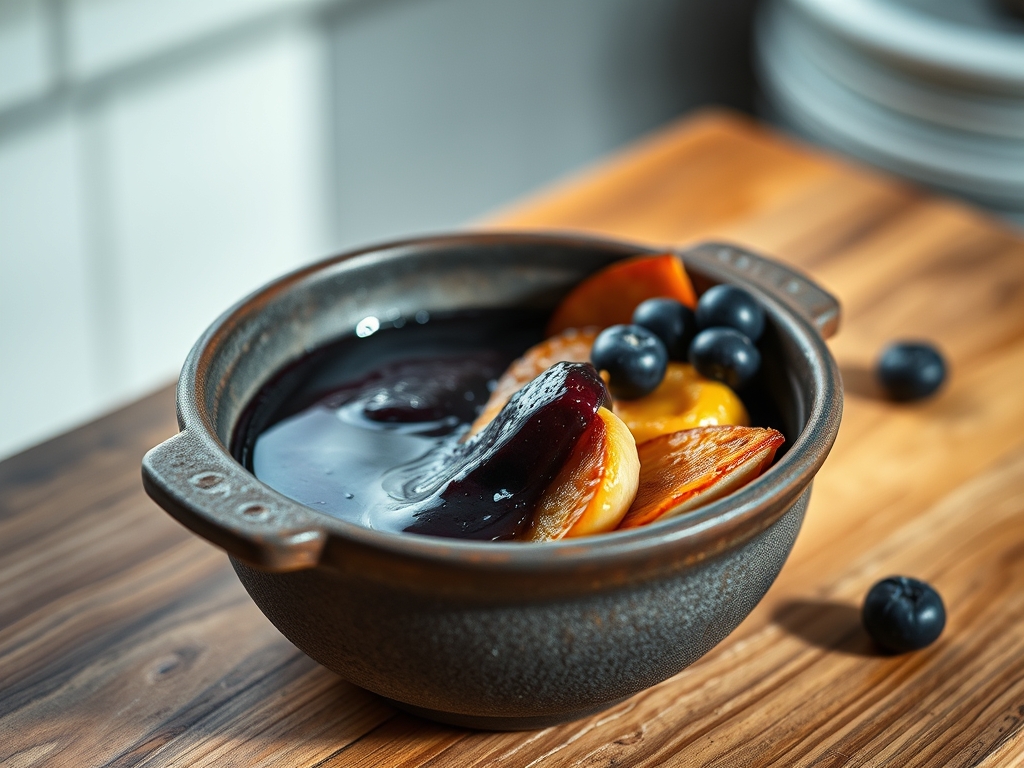
Referencing the Masterclass photo, your final product should exhibit a "High-Gloss Violet" finish. If your sauce appears dull or brownish, you likely overcooked the berries, causing the Blueberry Anthocyanins to oxidize. To fix a dull appearance, add a teaspoon of lemon zest; the oils will provide a temporary sheen. If the fruit has completely disintegrated into a mush, your heat was too high. For future batches, ensure you leave at least 60 percent of the berries whole during the initial maceration phase to maintain structural integrity and visual "pop."
THE DEEP DIVE
Macro Nutrition Profile:
Per 60ml serving: 85 Calories, 0g Fat, 21g Carbohydrates (3g Fiber, 16g Sugar), 0.5g Protein. This reduction is a concentrated source of Vitamin C and Manganese.
Dietary Swaps:
- Vegan: Use agave or maple syrup instead of honey.
- Keto: Replace honey with Allulose and omit the cornstarch; use xanthan gum (0.5g) for thickening.
- GF: Naturally gluten-free, provided your cornstarch is certified.
Meal Prep & Reheating Science:
Store in a glass airtight container for up to 10 days. When reheating, do so over low heat on the stovetop. Avoid the microwave, as uneven electromagnetic waves can rupture the remaining whole berries and cause "hot spots" that degrade the anthocyanin content. If the sauce has firmed up too much in the fridge, whisk in 10ml of warm water to restore the viscous flow.
THE KITCHEN TABLE
Why are my blueberries turning green?
This is a pH reaction. Blueberries contain pigments that react to alkaline environments. If your water is "hard" or you added baking soda, the purple will shift to green. Add lemon juice immediately to restore the acidic balance and purple hue.
Can I use frozen berries for this?
Absolutely. Frozen berries are often processed at peak ripeness, ensuring high anthocyanin levels. Do not thaw them first; throw them straight into the saucier. Just extend the simmering time by 3 to 5 minutes to account for the extra moisture.
How do I get a perfectly smooth sauce?
If you prefer a coulis texture, pass the finished mixture through a fine-mesh chinois. Use the back of a ladle to push the solids through. This removes the skins and seeds, leaving a silky, professional-grade reduction.
Does cooking destroy the antioxidants?
While some Vitamin C is heat-sensitive, the Blueberry Anthocyanins are remarkably resilient. Brief, controlled heating can actually increase the bioavailability of certain compounds by breaking down the tough cellular walls of the berry skin.