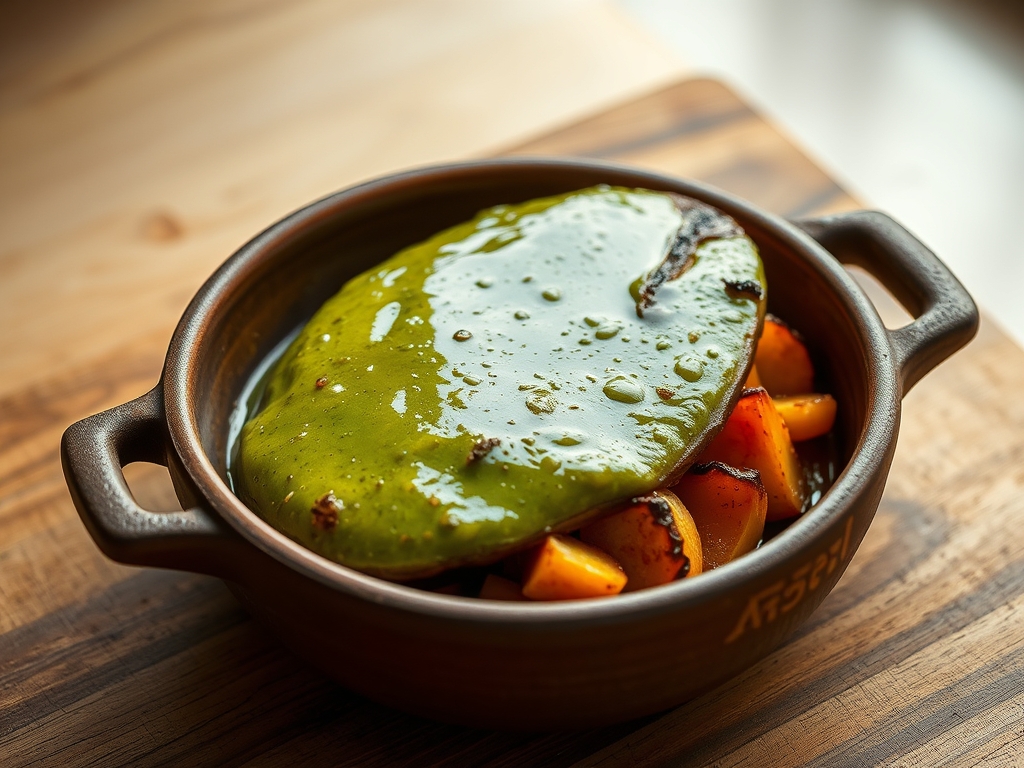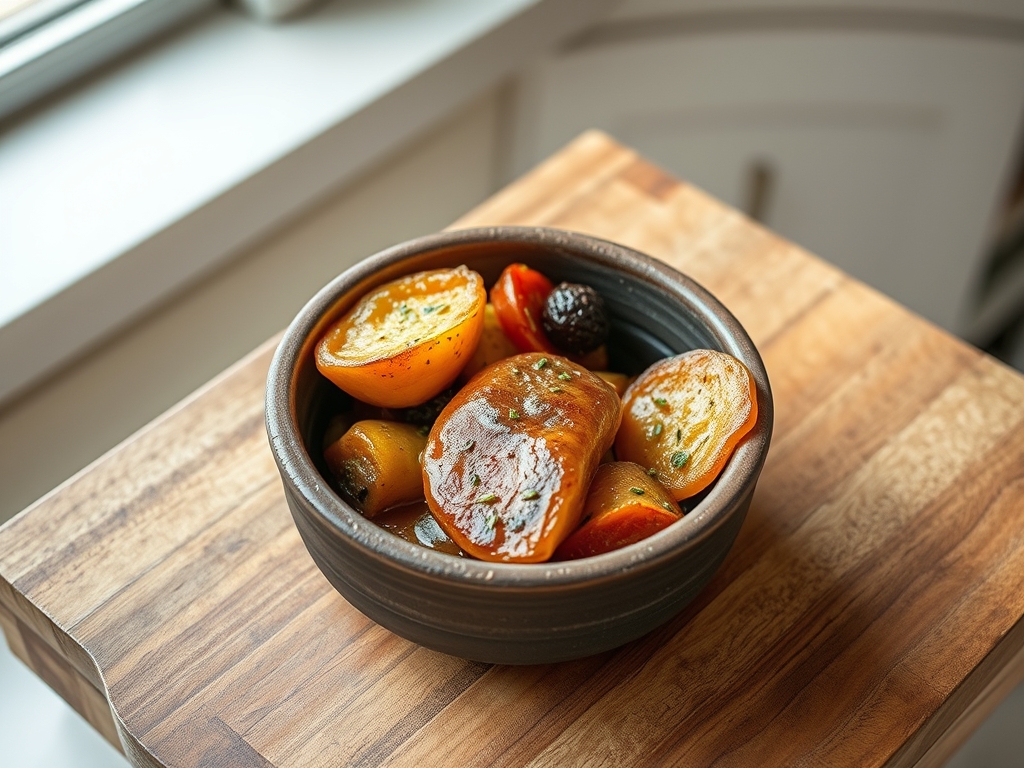
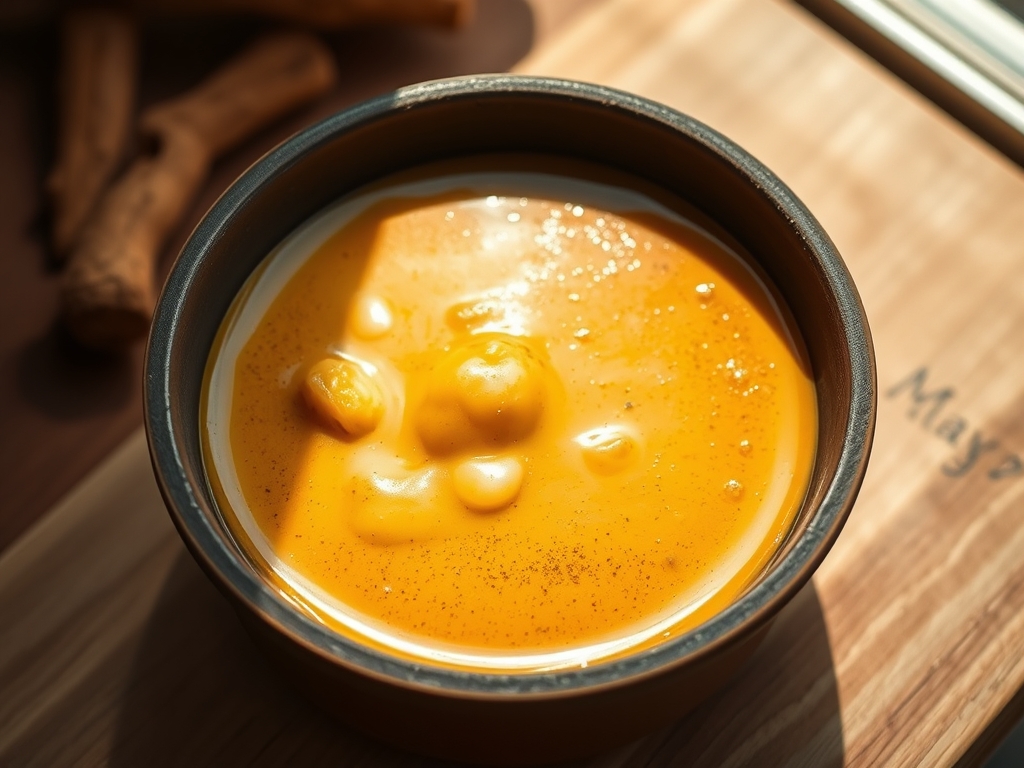
Listen to the sizzle as the fat hits the pan. That sound is the overture to a biochemical masterpiece where we force biology to dance with culinary physics. We are not just making a meal; we are executing a high-stakes extraction of the Turmeric Curcumin Load to ensure maximum bioavailability. Raw turmeric is a stubborn beast. It is hydrophobic and possesses a low metabolic ceiling. Without the precise application of heat, lipids, and the alkaloid piperine found in black pepper, that golden dust is essentially inert ballast. We are here to change that. By manipulating the molecular structure of the rhizome through controlled thermal exposure, we unlock a vibrant, viscous elixir that stains the soul as much as the cutting board. This audit demands precision. We are looking for that specific piquant aroma that signals the breakdown of complex starches and the release of essential oils. If your kitchen does not smell like a high-voltage spice market within five minutes, you have already failed the protocol.
THE DATA MATRIX
| Metric | Specification |
|---|---|
| Prep Time | 15 Minutes |
| Execution Time | 35 Minutes |
| Yield | 4 Servings |
| Complexity (1-10) | 6 |
| Estimated Cost per Serving | $4.25 USD |
THE GATHERS
Ingredient Protocol:
- 500g / 1.1 lbs Boneless Chicken Thighs (or Firm Tofu for Vegan Protocol)
- 15g / 3 tbsp Fresh Turmeric Root (Microplaned)
- 5g / 1 tsp Ground Black Pepper (High Piperine Content)
- 30ml / 2 tbsp Extra Virgin Olive Oil or Ghee
- 400ml / 1.7 cups Full-Fat Coconut Milk
- 50g / 1/2 cup Shallots (Finely Minced)
- 20g / 4 cloves Garlic (Crushed)
- 10g / 2 tsp Fresh Ginger (Grated)
- 5ml / 1 tsp Sea Salt
Section A: Ingredient Quality Audit:
The primary failure point in any Turmeric Curcumin Load optimization is the use of oxidized, stale spices. If your ground turmeric looks like dull mustard rather than neon gold, the curcuminoids have likely degraded. Fix: Source fresh rhizomes that feel firm to the touch; if they are shriveled, the moisture loss indicates a loss of volatile oils. Another common error is using low-fat dairy or "light" coconut milk. Curcumin is fat-soluble. Without a robust lipid carrier, the Turmeric Curcumin Load will pass through your system without absorption. If you find your sauce splitting, it is often due to a lack of emulsification. Use a whisk to vigorously aerate the coconut milk before adding it to the pan to ensure a stable suspension.
THE MASTERCLASS
Step-by-Step Execution:
1. The Lipid Activation
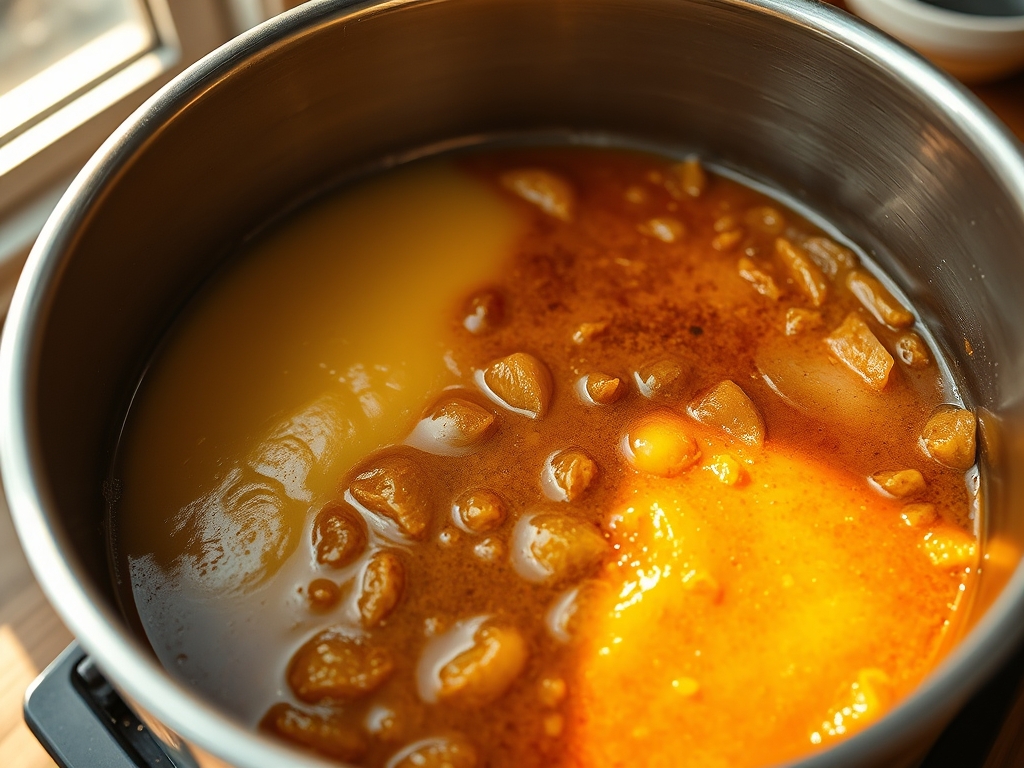
Place your heavy-bottomed saucier over medium heat and add the ghee or oil. Once the fat begins to shimmer, introduce the microplaned turmeric and black pepper. You are looking for a gentle bubbling. This is the "blooming" phase where the piperine begins to bridge the gap for the Turmeric Curcumin Load.
Pro Tip: Use a digital infrared thermometer to ensure the oil stays between 120C and 140C. This temperature range is high enough to render the aromatic compounds without scorching the delicate polyphenols.
2. The Aromatics Infusion
Add the minced shallots, garlic, and ginger to the golden oil. Sauté until the shallots become translucent and the garlic loses its raw sulfurous edge. Do not allow them to brown excessively; we are seeking a soft, aromatic base, not a Maillard-heavy crust.
Pro Tip: Use a silicone spatula to constantly scrape the bottom of the saucier. This prevents the turmeric from sticking and creating "hot spots" that lead to bitterness.
3. Protein Integration
Increase the heat slightly and add your protein. If using chicken, sear until the exterior is opaque. If using tofu, ensure it is pressed dry with a heavy weight beforehand to allow the Turmeric Curcumin Load to penetrate the cellular structure.
Pro Tip: Use a digital scale to ensure your protein portions are uniform. Consistent surface area ensures that the infuse process happens at the same rate across all pieces.
4. The Emulsion Phase
Pour in the full-fat coconut milk. Use a whisk to deglaze the bottom of the pan, incorporating all those concentrated golden bits into the liquid. Bring the mixture to a slow simmer. Do not boil vigorously, as this can break the coconut milk emulsion and result in a greasy texture.
Pro Tip: A high-quality saucier with rounded edges is superior to a straight-sided skillet here, as it allows for better fluid dynamics during the reduction phase.
5. The Final Reduction
Lower the heat and allow the sauce to reduce until it coats the back of a spoon. This increases the density of the Turmeric Curcumin Load per milliliter. Season with sea salt to taste, which will sharpen the earthy notes of the turmeric.
Pro Tip: Use a bench scraper to clean your workstation during this final simmer. Maintaining a sterile environment is key to a professional culinary audit.
Section B: Prep & Timing Fault-Lines:
Temperature control is the most frequent human error. If you add the coconut milk to a pan that is too hot, the proteins in the milk can denature and clump. If the simmer is too short, the Turmeric Curcumin Load remains trapped in the fiber of the ginger and turmeric bits. Ensure a minimum of 15 minutes of simmering. If the sauce becomes too viscous too quickly, add a splash of water or bone broth to loosen the matrix. Timing the addition of garlic is also critical; adding it too early results in burnt acridity that masks the spice profile.
THE VISUAL SPECTRUM
Section C: Thermal & Visual Troubleshooting:
Observe the image above. The sauce should possess a deep, marigold hue with a glossy sheen, indicating a successful lipid-spice emulsion. If your dish looks pale or beige, your Turmeric Curcumin Load was insufficient, or your heat was too low to extract the pigment. If the sauce appears broken with yellow oil floating on top, the heat was too high or the coconut milk lacked stabilizers. To fix a dull color, add a pinch of fresh turmeric at the very end. To fix a broken sauce, remove from heat and whisk in a teaspoon of cold coconut cream to re-establish the emulsion. The texture should be smooth and velvety, not grainy.
THE DEEP DIVE
Macro Nutrition Profile:
A single serving provides approximately 320 calories, 24g of healthy fats (primarily MCTs from coconut), 28g of protein, and 8g of carbohydrates. The glycemic load is exceptionally low, making this an ideal protocol for metabolic stability.
Dietary Swaps:
- Vegan: Replace chicken with extra-firm tofu or chickpeas. Ensure you sear the chickpeas to crack the skins for better absorption.
- Keto: This recipe is naturally keto-compliant. Serve over cauliflower rice instead of jasmine rice.
- GF: Naturally gluten-free. Ensure your spices are certified to avoid cross-contamination with flour agents.
Meal Prep & Reheating Science:
Curcumin is remarkably stable during reheating, but the emulsion of coconut milk is fragile. When reheating, do not use a microwave on high power. Instead, use a small saucepan over low heat. Add a tablespoon of water to compensate for evaporation. This preserves the molecular structure and prevents the fats from separating into a greasy film.
THE KITCHEN TABLE
Why must I use black pepper?
Black pepper contains piperine, which inhibits the metabolic pathway that eliminates curcumin. Without it, your body flushes the Turmeric Curcumin Load before it can provide any anti-inflammatory benefit. It is the essential chemical key to the lock.
Can I use powdered ginger instead?
While possible, fresh ginger contains gingerol which works synergistically with curcumin. Powdered versions often lose the volatile "zing" that balances the earthy heaviness of the turmeric. Use fresh for the best technical results.
My sauce is too thin, what happened?
You likely did not reduce the coconut milk long enough or used a brand with high water content. Continue simmering without a lid to allow excess moisture to evaporate, concentrating the flavors and the Turmeric Curcumin Load.
Is it okay if my skin turns orange?
Handling fresh turmeric often results in temporary staining due to the intense pigment concentration. This is a visual indicator of a high Turmeric Curcumin Load. Use gloves if you have a formal event following your kitchen audit.