Stop thinking of the goji berry as a mere garnish for a trendy smoothie bowl and start viewing it as a high-performance biological engine. We are here to dismantle the architecture of this Himalayan powerhouse, specifically focusing on Goji Berry Polysaccharides. These complex carbohydrates are the structural backbone of the fruit; they dictate the viscous mouthfeel and the sustained energy release that prevents the dreaded insulin spike. When you rehydrate these dried rubies, you aren't just soaking fruit; you are initiating a molecular expansion. The water infiltrates the dried cellular walls, unlocking bioactive compounds that would otherwise remain dormant. We are aiming for a precision-engineered infusion that balances a low glycemic load against a staggering antioxidant density. This is culinary infrastructure at its finest. We will utilize controlled thermal application to render these polysaccharides into a functional syrup that defies the cloying sweetness of traditional preserves. Prepare your station. We are moving beyond the surface level to audit the very chemistry of vitality, ensuring every milligram of nutrition is accounted for and optimized for peak physiological absorption.
THE DATA MATRIX
| Metric | Specification |
|---|---|
| Prep Time | 15 Minutes |
| Execution Time | 45 Minutes |
| Yield | 500ml / 2 Cups |
| Complexity (1-10) | 4 |
| Estimated Cost per Serving | $1.45 |
THE GATHERS
Ingredient Protocol:
- 250g / 2 cups Dried Organic Goji Berries (High Chromaticity)
- 500ml / 2 cups Filtered Alkaline Water
- 15ml / 1 tbsp Fresh Ginger Root (Micro-planed)
- 5ml / 1 tsp Pure Vanilla Bean Paste
- 2g / 0.5 tsp Himalayan Pink Salt
- 10ml / 2 tsp Fresh Lemon Juice (High Acidity)
- 1g / 0.25 tsp Xanthan Gum (Optional for structural stability)
Section A: Ingredient Quality Audit:
If your berries appear dark brown or brittle, they have suffered from oxidation and heat damage during transport. This indicates a degradation of the Goji Berry Polysaccharides. To fix this, increase the soaking time by 20 percent and add a pinch of citric acid to the water to help brighten the piquant notes. If your ginger is woody, do not use the fibrous center; only use the juice expressed through a fine-mesh sieve to avoid a gritty texture in the final reduction.
THE MASTERCLASS
1. The Hydration Phase
Place your dried berries into a stainless steel bowl and cover with the filtered water. Allow them to sit for 15 minutes until they are plump and the water has taken on a deep amber hue. Use a digital scale to ensure the water-to-berry ratio is exact.
Pro Tip: This cold-soak preserves the delicate heat-sensitive antioxidants before we move to the thermal phase. Using a scale prevents a watery consistency that would dilute the nutrient density.
2. The Thermal Infusion
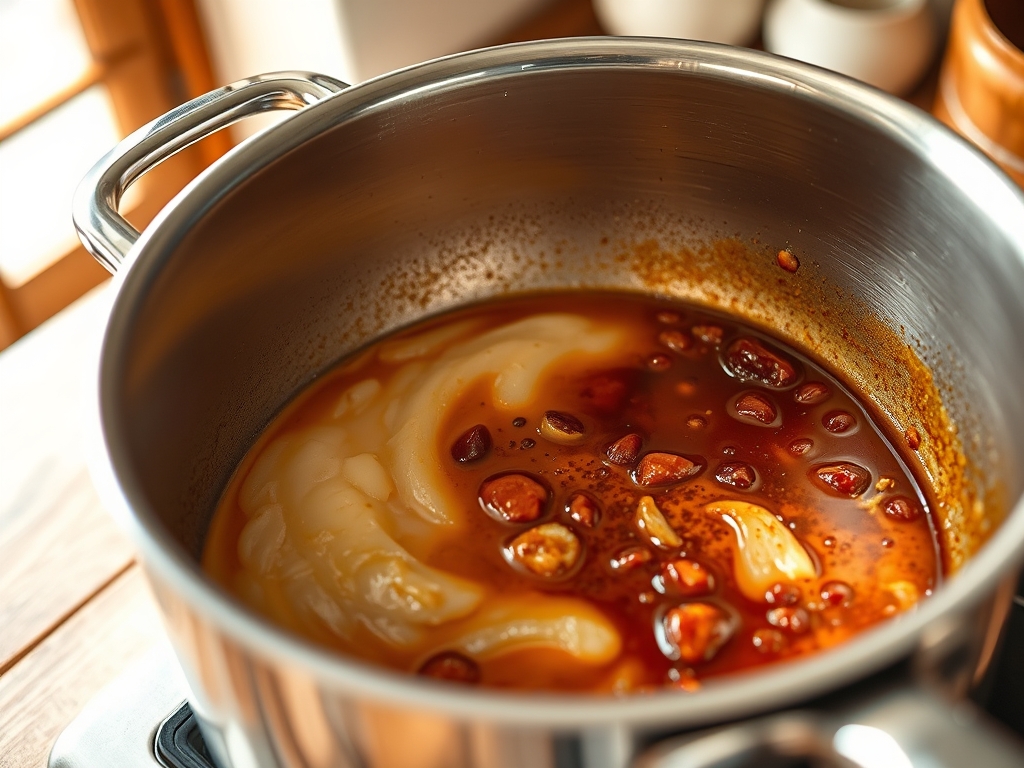
Transfer the berries and the soaking liquid into a heavy-bottomed saucier. Bring the mixture to a faint simmer over medium-low heat. Do not allow it to reach a rolling boil. Add the micro-planed ginger and salt.
Pro Tip: Keeping the temperature below 85 degrees Celsius prevents the thermal degradation of the polysaccharides. The saucier's curved bottom ensures even heat distribution and prevents localized scorching.
3. Molecular Homogenization
Once the berries are soft, use an immersion blender to aerate and emulsify the mixture into a smooth, viscous puree. If you desire a shelf-stable consistency, slowly whisk in the xanthan gum while the motor is running.
Pro Tip: High-speed shearing breaks down the cellulose walls, making the Goji Berry Polysaccharides more bioavailable for digestion. This increases the surface area for enzyme interaction in the gut.
4. The Acidic Finish
Remove from heat and stir in the lemon juice and vanilla bean paste. The acidity will infuse the mixture with a bright finish that cuts through the earthy sweetness.
Pro Tip: Adding acid at the end of the cooking process prevents the dulling of the vibrant red pigments. Use a silicone spatula to scrape every gram of the concentrate from the pan.
Section B: Prep & Timing Fault-Lines:
The most common failure is the "Boil-Over." If you subject the berries to high heat, the sugars will caramelize too quickly, creating a bitter profile and destroying the antioxidant matrix. Use an infrared thermometer to monitor the surface temperature. If the mixture becomes too thick too fast, whisk in 30ml of warm water to deglaze the sides of the pan and restore the emulsion.
THE VISUAL SPECTRUM
Section C: Thermal & Visual Troubleshooting:
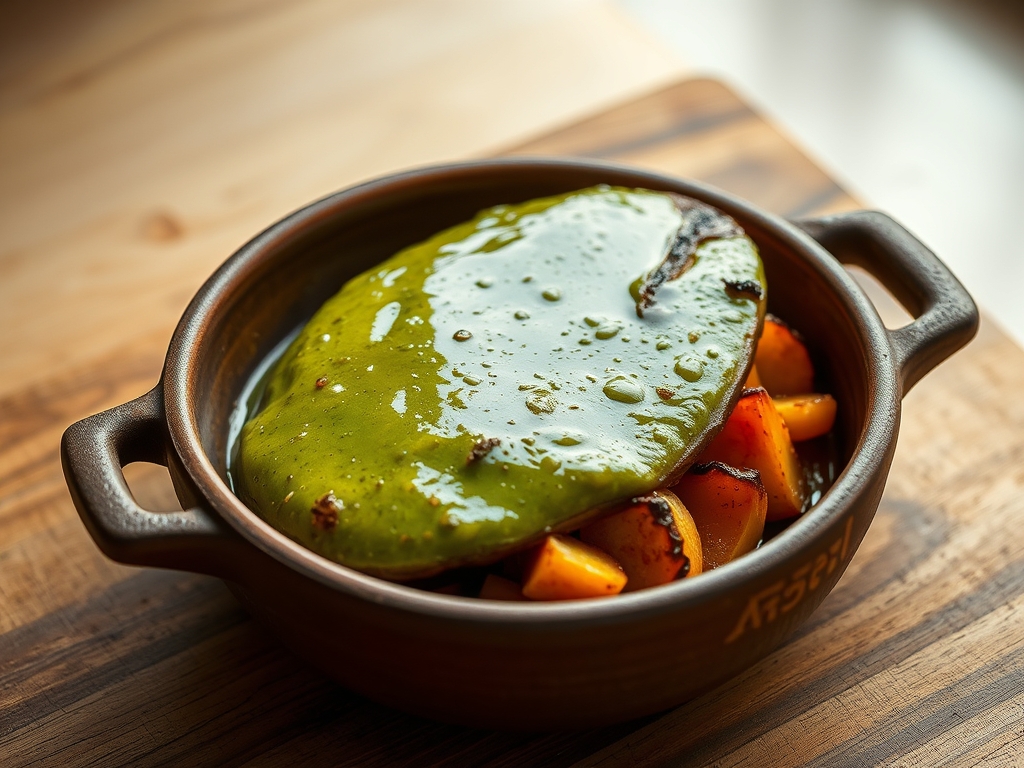
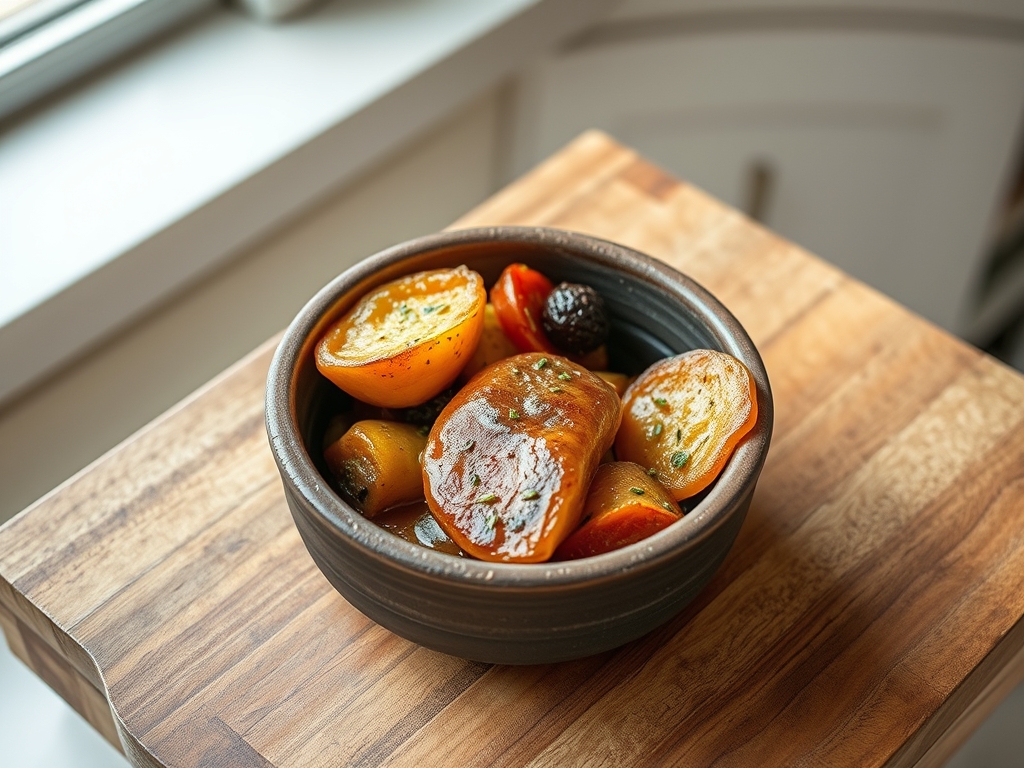
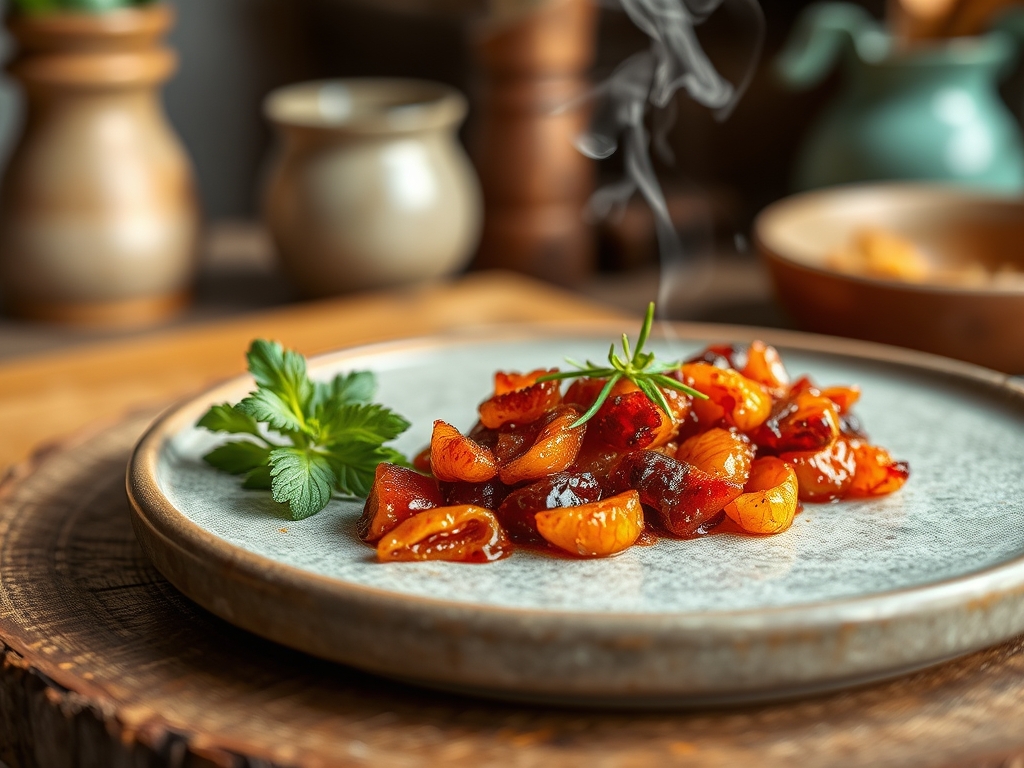
Look at the Masterclass photo. The texture should be a deep, saturated crimson with a glossy sheen, not a matte brick red. If your mixture looks dull, it is likely overcooked or the pH is too high; add a drop more lemon juice to shift the color spectrum. If you see separation (liquid pooling at the edges), your emulsion has broken. Return it to the blender and add a tiny amount of lecithin or xanthan gum to re-bind the fats and fibers. The "Visual Cue" is a coating that clings to the back of a spoon without dripping immediately.
THE DEEP DIVE
Macro Nutrition Profile:
A single 30ml serving contains approximately 45 calories, 9g of carbohydrates (with 3g of fiber), and 1g of protein. The glycemic load is exceptionally low because the fiber and complex polysaccharides slow the conversion of sugar into glucose.
Dietary Swaps:
- Vegan: Naturally compliant.
- Keto: Limit serving size to 15ml; the natural sugars are present but the fiber offset is significant.
- GF: Naturally gluten-free; ensure your xanthan gum is certified.
Meal Prep & Reheating Science:
Store this concentrate in a glass Mason jar in the coldest part of the refrigerator for up to 14 days. When reheating, do not use a microwave; the uneven radiation can create "hot spots" that denature the proteins. Instead, place the jar in a warm water bath to gently lower the viscosity without damaging the molecular structure.
THE KITCHEN TABLE
How do I maximize the polysaccharide count?
Always source "Grade A" sun-dried berries. Avoid those treated with sulfur dioxide. The gentle simmer method used here is the gold standard for extracting these compounds without causing molecular fractures or thermal oxidation.
Why is my puree gritty?
Grittiness usually stems from under-hydrated berries or using the woody core of the ginger. Ensure the berries are fully plump before blending. If the texture persists, pass the entire mixture through a chinois or fine-mesh sieve.
Can I use a different citrus?
Lime or orange juice works well, but lemon provides the cleanest acidity. Orange juice will increase the glycemic load slightly due to its higher fructose content. Lime offers a more tropical, floral note to the finish.
Does freezing ruin the antioxidants?
Freezing is actually an excellent way to preserve the antioxidant density for long-term storage. Use a silicone ice cube tray to freeze individual portions. The molecular structure of the polysaccharides remains stable at sub-zero temperatures.