Listen up. We are not just making a snack; we are conducting a high-stakes Walnut Omega 3 Audit on your cognitive hardware. Imagine the snap of a perfectly tempered shell, the bitter-sweet perfume of tannins hitting the air, and the buttery, lipid-heavy payload of a fresh kernel. Most people treat walnuts as a garnish; I treat them as a structural engineering project for your neurons. We are hunting for alpha-linolenic acid (ALA), the plant-based gold standard of fatty acids. When you toast these botanicals, you are not just browning them; you are initiating a complex sequence of molecular transformations. The goal is to render the fats without scorching the delicate polyunsaturated chains. We want a crunch that resonates through your jawbone and a flavor profile that is deep, earthy, and aggressively sophisticated. This is about precision. This is about optimizing your biological infrastructure through superior lipid mapping. If you are ready to stop playing with your food and start auditing your intake, let's get to work on the bench.
THE DATA MATRIX
| Metric | Specification |
|---|---|
| Prep Time | 10 Minutes |
| Execution Time | 20 Minutes |
| Yield | 4 Servings |
| Complexity (1-10) | 4 |
| Estimated Cost per Serving | $2.75 |
THE GATHERS
Ingredient Protocol:
- Shelled Raw Walnuts: 250g / 2 cups
- Grade A Maple Syrup: 60ml / 4 tbsp
- Maldon Sea Salt: 5g / 1 tsp
- Ground Cinnamon: 2g / 1/2 tsp
- Cayenne Pepper: 0.5g / 1/8 tsp
- Unsalted Grass-Fed Butter: 15g / 1 tbsp
Section A: Ingredient Quality Audit:
If your walnuts smell like old paint or wet cardboard, abort the mission immediately. This indicates the lipids have oxidized, turning the healthy Omega-3s into inflammatory rancid fats. To fix slightly stale (but not rancid) nuts, soak them in cold filtered water for 15 minutes to infuse moisture back into the cellular structure, then pat them bone-dry before roasting. If your maple syrup is "pancake syrup" (corn syrup), your audit will fail. Use only 100% pure maple to ensure the sugars caramelize at the correct thermal threshold without becoming viscous sludge.
THE MASTERCLASS
1. The Thermal Calibration
Preheat your convection oven to 165C / 325F. Use a digital scale to weigh your walnuts to ensure the surface-to-volume ratio is consistent for even heat distribution. Spread the walnuts in a single layer on a heavy-duty rimmed baking sheet.
Pro Tip: Low and slow is the mantra for a Walnut Omega 3 Audit. High heat destroys the delicate double bonds in the Omega-3 molecules. By keeping the temperature under 175C, you preserve the structural integrity of the lipids while still triggering the Maillard reaction.
2. The Lipid Emulsification
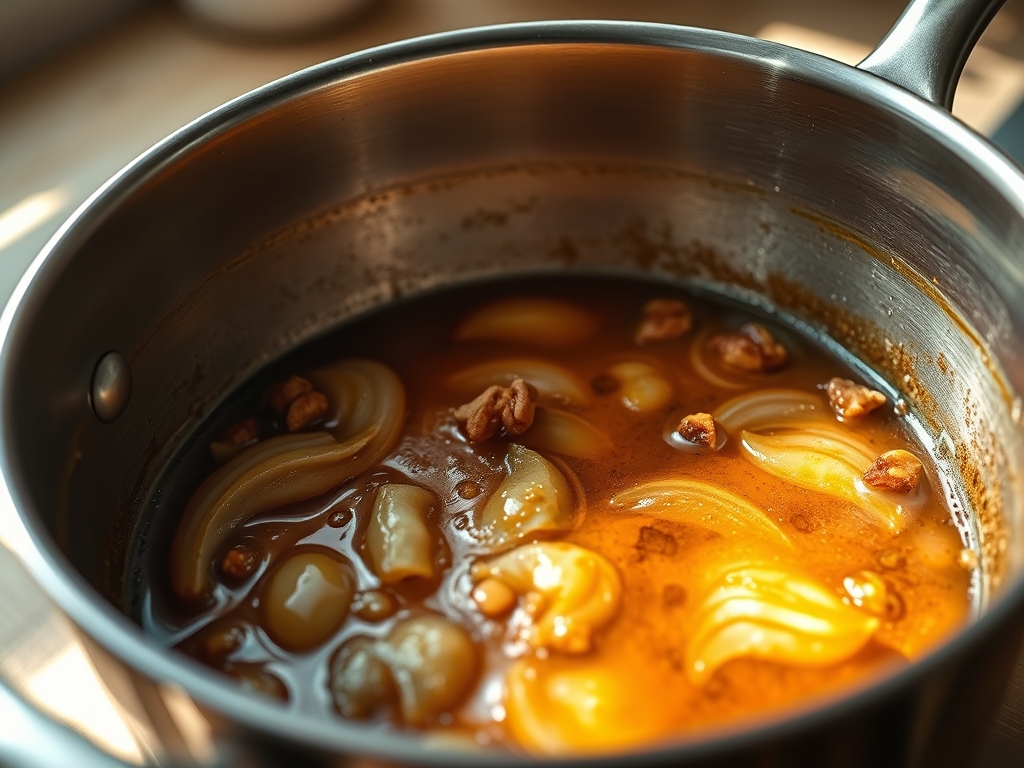
In a small saucier, melt the grass-fed butter over low heat. Once liquid, whisk in the maple syrup, cinnamon, and cayenne until the mixture is perfectly viscous and glossy. Do not let it boil; we are looking to create a stable emulsion, not a hard-crack candy.
Pro Tip: Butter acts as a carrier for the fat-soluble compounds in the cinnamon. Using a whisk ensures the water in the butter and the sugars in the syrup don't separate, creating a uniform coating that clings to the walnut's craggy surface.
3. The Coating Protocol
Pour the warm emulsion over the raw walnuts. Use a bench scraper or a silicone spatula to toss the nuts until every crevice is saturated. The goal is to infuse the spice profile into the nooks of the brain-shaped kernels.
Pro Tip: The irregular surface area of a walnut is a nightmare for even coating. Using a folding motion with a spatula ensures the liquid is forced into the deep grooves without breaking the fragile "lobes" of the nut.
4. The Dehydration Phase
Return the coated nuts to the oven. Roast for 12 to 15 minutes, tossing them halfway through the process. You are looking for a deep mahogany hue and a scent that is toasted but never smoky.
Pro Tip: Use an infrared thermometer to check the surface of the nuts. If they exceed 180C, the sugars will burn and the oils will turn acrid. The goal is to render out the internal moisture while setting the exterior glaze.
5. The Crystalline Finish
Remove the tray from the oven and immediately sprinkle with the Maldon sea salt. Use a bench scraper to move them around so they don't fuse into a single tectonic plate as they cool. Let them rest for at least 20 minutes to allow the sugars to harden.
Pro Tip: Salt must be applied while the glaze is still tacky. As the temperature drops, the sugar molecules crystallize, locking the salt flakes into the structure for that essential piquant contrast.
Section B: Prep & Timing Fault-Lines:
The most common failure is the "thermal carryover" effect. Walnuts continue to cook for 3 to 5 minutes after leaving the oven due to their high fat content. If they look "perfect" in the oven, they will be burnt by the time they hit the cooling rack. Pull them when they are one shade lighter than your target color. If the glaze remains sticky after 30 minutes, your oven temperature was likely too low; pop them back in for 3 minutes at 175C to flash-dry the sugars.
THE VISUAL SPECTRUM
Section C: Thermal & Visual Troubleshooting:
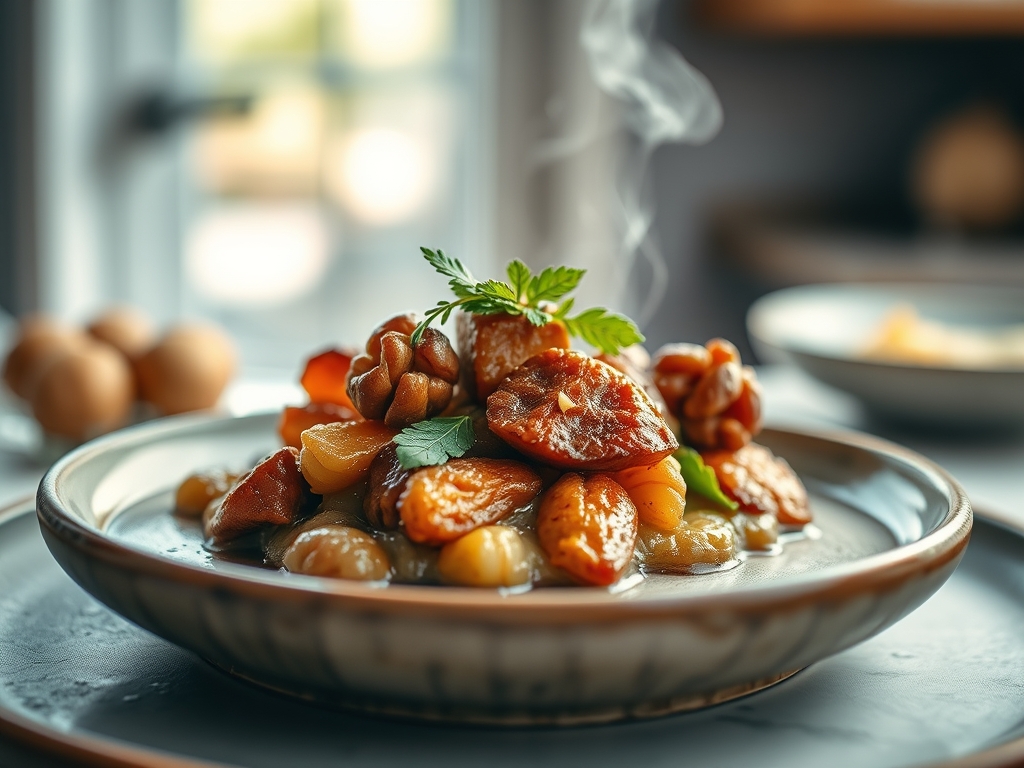
Referencing our Masterclass photo, look for the "shatter-glaze" effect. The walnuts should have a matte-to-semi-gloss finish. If they appear dull and grey, you skipped the butter, which provides the necessary lipids for a reflective surface. If you see black spots on the edges, your tray was too close to the heating element; rotate the tray more frequently next time. The ideal visual cue is a uniform amber coating that looks like it was shrink-wrapped onto the nut. If the walnuts are clumping, you didn't aerate them enough during the cooling phase.
THE DEEP DIVE
Macro Nutrition Profile:
A single serving provides approximately 18g of healthy fats, 4g of protein, and 2.5g of ALA Omega-3s. This is a high-density fuel source designed for sustained cognitive output rather than quick-burst glucose spikes.
Dietary Swaps:
- Vegan: Replace the butter with refined coconut oil. It maintains the smoke point while providing a clean finish.
- Keto: Swap maple syrup for a monk fruit-based maple alternative and increase the salt.
- GF: This protocol is naturally gluten-free, but ensure your spices are certified to avoid cross-contamination.
Meal Prep & Reheating Science:
Store these in an airtight glass container. Plastic is porous and will allow oxygen to seep in, degrading the lipids over time. To reheat, do not use a microwave; it will turn the fats flaccid. Use a toaster oven at 150C for 4 minutes to render the surface oils and restore the crunch.
THE KITCHEN TABLE
Why are my walnuts bitter after roasting?
You likely scorched the tannins in the skin. High heat turns these polyphenols acrid. Ensure your oven is calibrated and keep the temperature below 170C to maintain a sweet, nutty profile.
Can I use pre-chopped walnut pieces?
Negative. Pieces have more surface area exposed to oxygen, increasing the rate of rancidity. Always start with whole halves to ensure the Walnut Omega 3 Audit reflects peak nutritional density and superior texture.
How long do these stay fresh?
In an airtight container at room temperature, they last 7 days. For long-term storage, freeze them. The high fat content prevents them from freezing solid, and it protects the Omega-3 chains from oxidative stress.
What is the best way to clean the sheet pan?
Deglaze the pan with boiling water immediately after removing the nuts. The residual sugars will dissolve instantly, preventing a permanent carbonized layer from forming on your professional equipment.