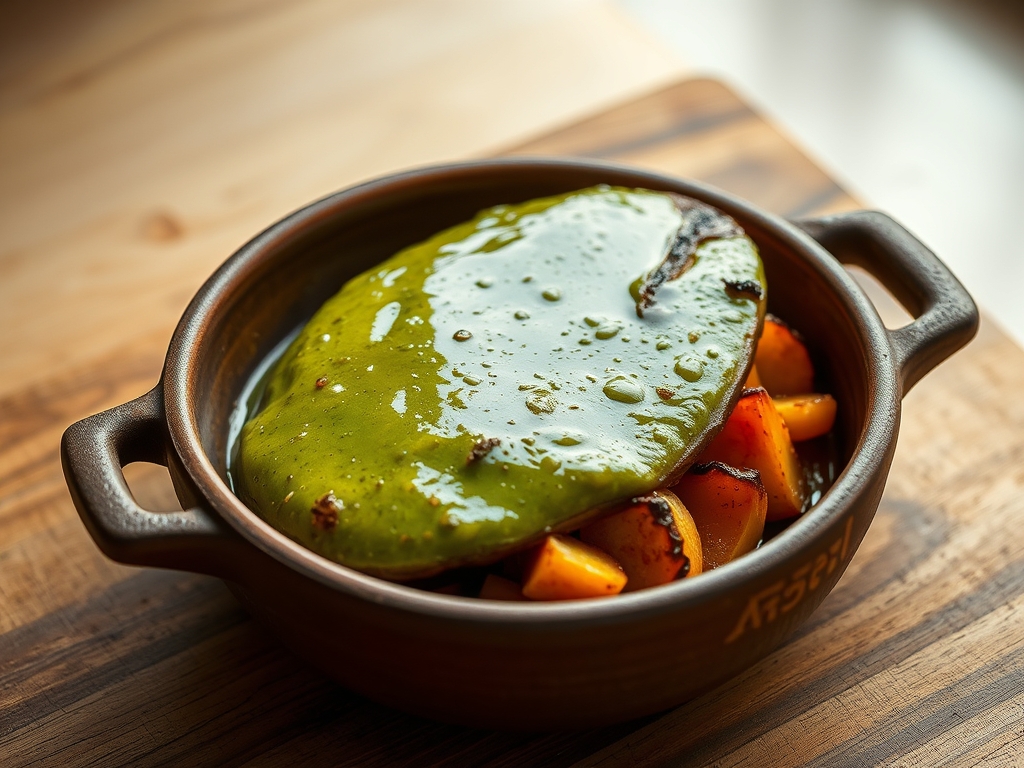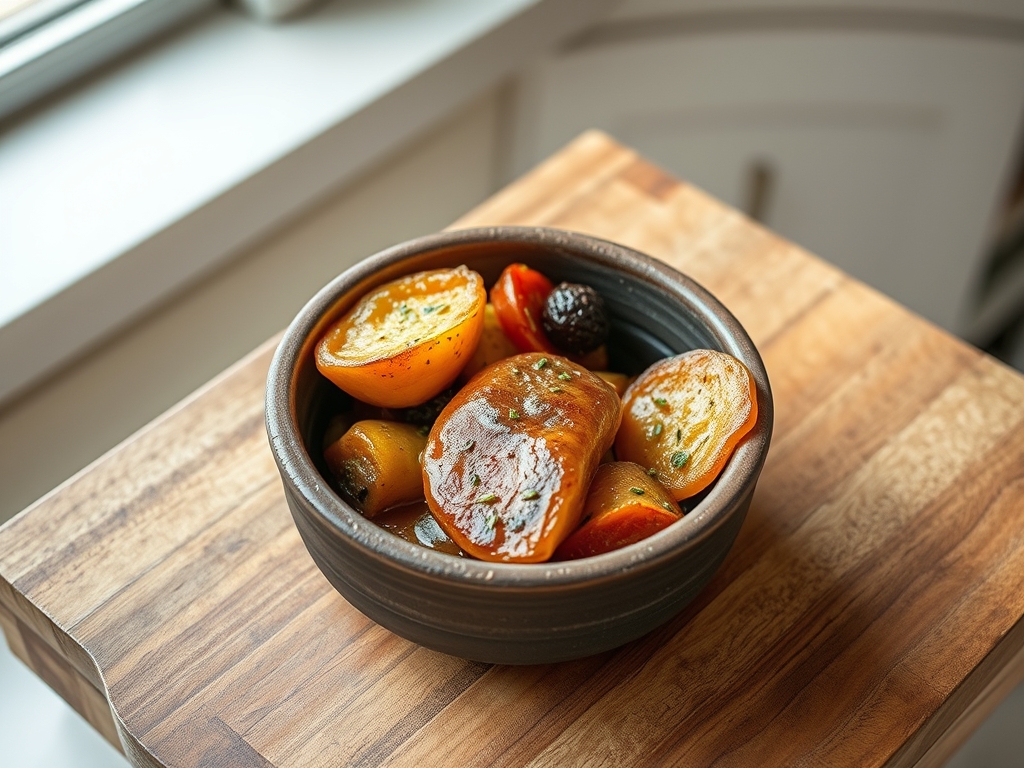
Forget everything you know about limp greens and soggy garnishes because we are entering the realm of high-performance botanical engineering. When we discuss the Kale Micronutrient Study, we are not just talking about a salad; we are analyzing a structural matrix of lutein, vitamin K, and calcium that requires precise thermal management to unlock. Most home cooks commit culinary malpractice by over-boiling these fibrous powerhouses until the cell walls collapse into a flavorless mush. We are here to perform a technical audit of your kitchen infrastructure to ensure that every leaf of Lacinato or Curly kale retains its vibrant chlorophyll concentration while achieving a texture that is nothing short of transformative. This is about maximizing the bioavailability of nutrients through strategic fat integration and heat application. We are looking for that perfect intersection of a piquant flavor profile and a crisp, structural integrity that stands up to the most rigorous sensory evaluation. Strap in, sharpen your knives, and prepare to treat your produce like the high-grade biological fuel it actually is.
THE DATA MATRIX
| Metric | Specification |
|---|---|
| Prep Time | 15 Minutes |
| Execution Time | 8 Minutes |
| Yield | 4 Servings |
| Complexity (1-10) | 4 |
| Estimated Cost per Serving | $1.75 |
THE GATHERS
Ingredient Protocol:
- 500g / 2 large bunches Lacinato (Dino) Kale, de-stemmed and torn.
- 45ml / 3 tbsp Extra Virgin Olive Oil (High polyphenol count preferred).
- 4 cloves / 20g Fresh Garlic, microplaned.
- 5ml / 1 tsp Red Pepper Flakes (for capsaicin-driven heat).
- 30ml / 2 tbsp Fresh Lemon Juice (to catalyze iron absorption).
- 5g / 1 tsp Flaky Sea Salt.
- 30g / 1/4 cup Toasted Pine Nuts or Sliced Almonds.
- 15g / 2 tbsp Nutritional Yeast or Pecorino Romano.
Section A: Ingredient Quality Audit:
If your kale feels flaccid or displays yellowing edges, the chlorophyll has already begun to degrade. To resuscitate wilted greens, submerge them in an ice-water bath for ten minutes to restore turgor pressure within the plant cells. If your garlic has developed a green germ in the center, remove it immediately; that sprout contains bitter compounds that will ruin the delicate balance of your sauté. Always use a high-quality oil with a high smoke point if you plan to increase the heat, but for this audit, we prioritize flavor stability. If your lemon is hard and yields little juice, microwave it for ten seconds and roll it on the counter to break the internal membranes before slicing.
THE MASTERCLASS
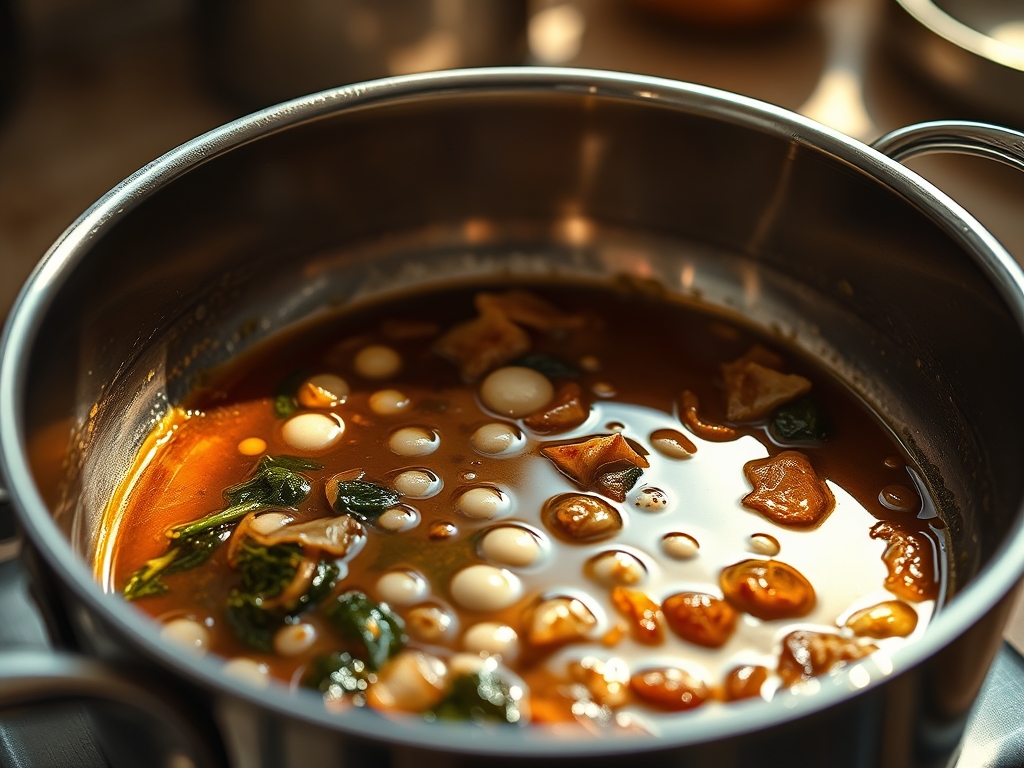
Step 1: The Structural Deconstruction
Use a professional bench scraper to clear your station as you strip the leaves from the woody ribs. The ribs are too fibrous for a quick sauté and require a different thermal profile. Tear the leaves into uniform 2-inch pieces to ensure even heat distribution.
Pro Tip: Uniformity in size prevents smaller pieces from over-caramelizing while larger pieces remain raw. The Kale Micronutrient Study suggests that minimizing surface area exposure before cooking preserves more volatile antioxidants.
Step 2: Cold Start Infusion
Place your cold saucier or wide skillet on the burner and add the olive oil, garlic, and red pepper flakes before turning on the heat. Set the flame to medium-low. This allows the fat to infuse with the aromatics without scorching the garlic solids.
Pro Tip: Starting in a cold pan prevents the garlic from seizing and allows the oils to render out the spicy capsaicin more effectively, creating a more cohesive flavor base.
Step 3: Flash Sauté and Aeration
Increase the heat to medium-high and add the kale in batches. Use tongs to aerate the leaves, tossing them constantly so they coat in the infused oil. You want to see the color shift to a deep, neon green.
Pro Tip: Use a digital scale to ensure you aren't overloading the pan. If the pan is too crowded, the kale will steam in its own moisture rather than sautéing, leading to a loss of the desired crisp texture.
Step 4: The Acidic Finish
Once the kale has wilted slightly but still retains its structural "snap," remove the pan from the heat. Squeeze the fresh lemon juice over the greens and toss one final time. The acid will deglaze any browned bits of garlic from the bottom of the pan.
Pro Tip: Adding acid at the very end prevents the chlorophyll from turning a dull olive drab. The lemon juice also significantly increases the bioavailability of the non-heme iron found in the kale.
Section B: Prep & Timing Fault-Lines:
The most common failure in this protocol is the "Soggy Bottom" syndrome, caused by washing the kale and not drying it sufficiently. Use a centrifugal salad spinner to remove every drop of surface moisture. If water remains on the leaves, the temperature of the oil will drop instantly upon contact, preventing the Maillard reaction and resulting in a boiled texture. Furthermore, if you leave the garlic in the pan for more than 60 seconds at high heat without adding the greens, it will undergo a chemical change that creates a permanent bitter aftertaste that no amount of salt can fix.
THE VISUAL SPECTRUM
Section C: Thermal & Visual Troubleshooting:
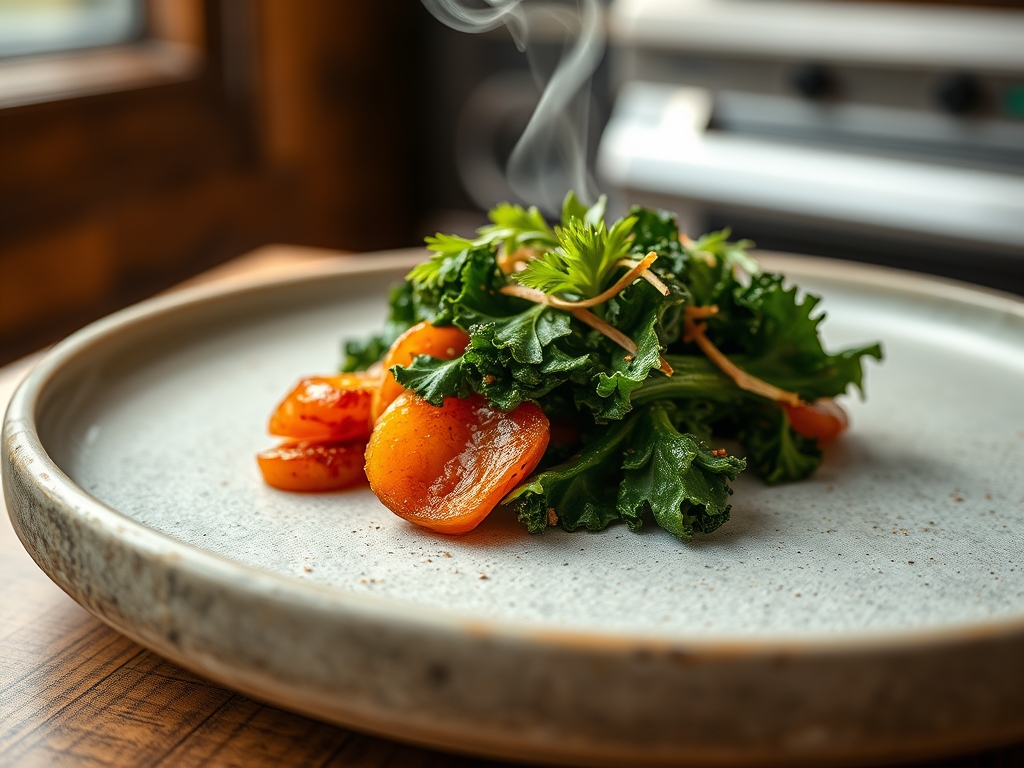
Referencing the Masterclass photo, notice the specific "blistered" appearance of the leaf edges. This indicates a successful high-heat sear. If your kale looks dull or brownish, you have overcooked it, likely by leaving it on the heat for more than three minutes. If the greens look "wet" or are sitting in a pool of liquid, your heat was too low. The final product should have a viscous sheen from the oil but should not be greasy. If the garlic is black rather than golden, your temperature control was erratic; discard and restart the infusion. The visual goal is a high-contrast plate where the dark green of the kale pops against the pale toasted nuts.
THE DEEP DIVE
Macro Nutrition Profile
Per serving, this preparation yields approximately 120 calories, 9g of healthy fats, 4g of fiber, and 3g of protein. It provides over 200% of your daily Vitamin A and K requirements. The addition of healthy fats is non-negotiable, as Vitamins A, D, E, and K are fat-soluble; without the oil, your body cannot effectively process the nutrients identified in the Kale Micronutrient Study.
Dietary Swaps
- Vegan: This recipe is inherently vegan if using nutritional yeast.
- Keto: This is a perfect low-carb side; increase the pine nuts for additional healthy fats.
- GF: Naturally gluten-free. Ensure your red pepper flakes are not processed in a facility with wheat.
Meal Prep & Reheating Science
To maintain molecular structure during reheating, avoid the microwave. The microwave causes water molecules to vibrate violently, which ruptures the cell walls and turns the kale into a mushy pulp. Instead, use a cold skillet with a teaspoon of water and a lid. Heat on medium for two minutes to "steam-refresh" the greens without further cooking the fibers.
THE KITCHEN TABLE
Why is my kale still tough after cooking?
You likely skipped the "massage" or didn't use enough heat. For Lacinato kale, a high-heat flash sauté is required to break down the cellulose. If it remains tough, add a splash of water and cover for 30 seconds to steam.
Can I use curly kale instead of Lacinato?
Yes, but curly kale has more surface area and traps more water. You must be extra vigilant about drying the leaves. Curly kale also wilts faster, so reduce your sauté time by approximately 45 seconds to avoid a total structural collapse.
What does the lemon juice actually do?
Beyond flavor, the Vitamin C in the lemon juice acts as a reducing agent. It converts the iron in the kale into a form that is more easily absorbed by your intestines, making the dish more nutritionally efficient.
Why start the garlic in cold oil?
Garlic contains delicate sugars and oils that burn at low temperatures. Starting cold allows the flavor to migrate into the oil gradually. This ensures the entire dish tastes like garlic, rather than just having occasional bites of burnt allium.