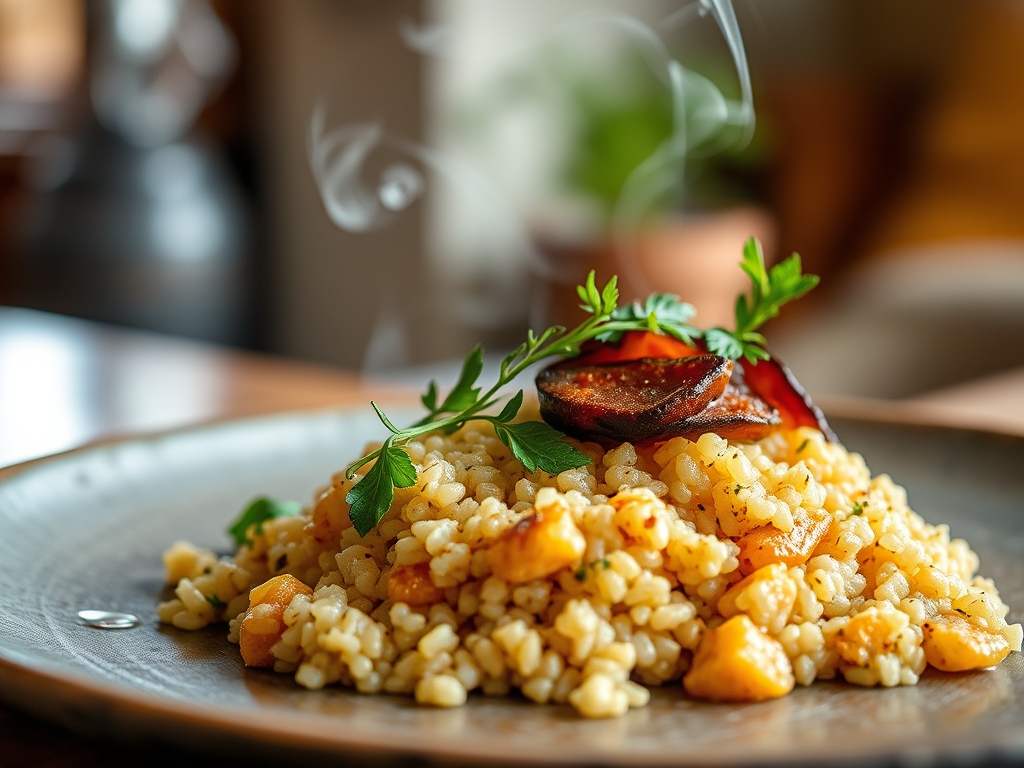
Forget the instant, pulverized dust of the modern breakfast aisle. We are here to talk about structural integrity. When you engage in a Steel Cut Oats Audit, you are not just making cereal; you are managing a slow-release carbohydrate reactor. The goal is a texture that resists the tooth, a kernel that remains distinct, and a viscous suspension that coats the palate without turning into a monolithic paste. This is the infrastructure of satiety. We are looking for the "pop" of the groat and the nutty, toasted fragrance that only comes from a controlled thermal application. If your current breakfast resembles a bowl of wet cement, you have failed the audit. True steel cut oats require a commitment to time and a respect for the fiber matrix. We are building a foundation of energy that refuses to spike and crash. Prepare to discard your microwave habits and embrace the precision of the stovetop. We are auditing the very essence of the oat groat to ensure maximum flavor extraction and perfect structural density.
THE DATA MATRIX
| Metric | Specification |
|---|---|
| Prep Time | 5 Minutes |
| Execution Time | 30 to 40 Minutes |
| Yield | 4 Servings |
| Complexity (1-10) | 3 |
| Estimated Cost per Serving | $0.45 |
THE GATHERS
Ingredient Protocol:
- Steel Cut Oat Groats: 180g / 1 cup
- Filtered Water: 710ml / 3 cups
- Whole Milk or Nut Milk: 240ml / 1 cup
- Unsalted Grass-Fed Butter: 14g / 1 tablespoon
- Kosher Salt: 3g / 0.5 teaspoon
- Pure Maple Syrup: 30ml / 2 tablespoons
- Toasted Pecans: 50g / 0.5 cup
Section A: Ingredient Quality Audit:
The primary failure point in any Steel Cut Oats Audit is the age of the grain. Old oats lose their volatile oils and become "dusty," leading to a chalky mouthfeel. If your oats lack a distinct nutty aroma when raw, they are past their prime. To fix this, you must infuse life back into them through a dry toast. Another common error is using tap water with high mineral content. This can interfere with the softening of the oat bran. Use filtered water to ensure the hydration process is clean and efficient. Finally, if your salt is too fine, you risk over-seasoning. Always use Kosher salt for a controlled, gradual dissolve that enhances the natural sweetness of the grain without a sharp saline bite.
THE MASTERCLASS
1. The Maillard Activation
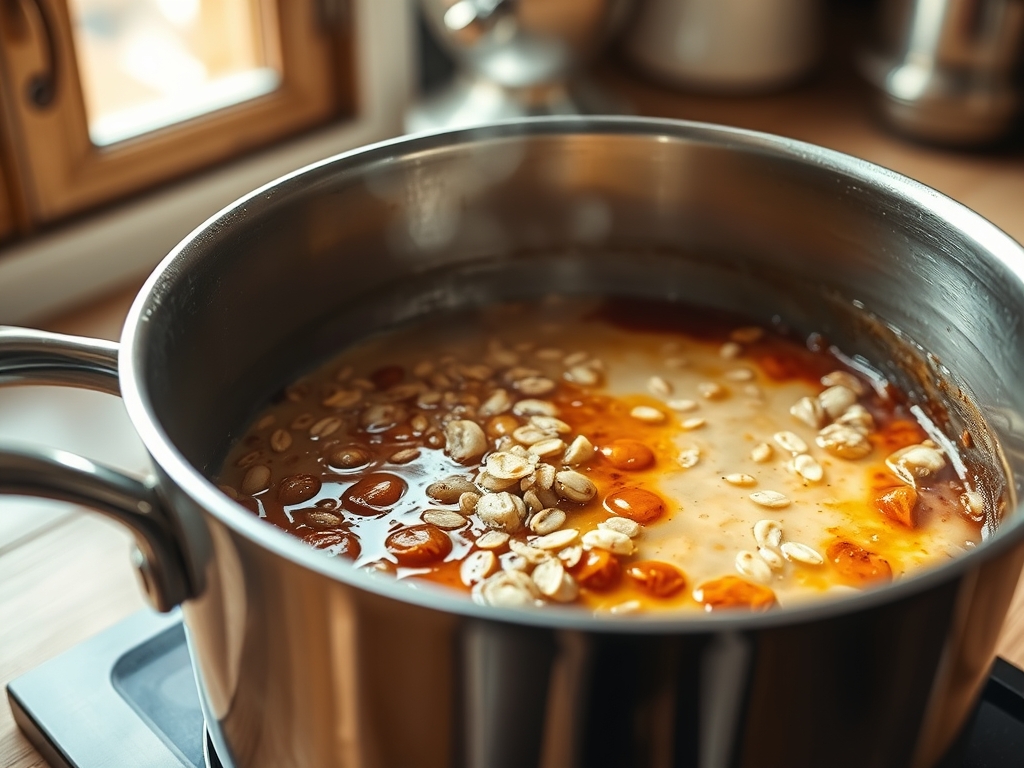
Place your saucier over medium heat and add the butter. Once the butter begins to foam, add the dry oats. Stir constantly with a wooden spoon or heat-resistant spatula for 3 to 5 minutes until the oats turn a golden hue and smell like toasted popcorn.
Pro Tip: This step utilizes the Maillard reaction to create complex flavor compounds. By toasting the oats in fat, you also create a hydrophobic barrier that prevents the oats from becoming overly mushy during the hydration phase.
2. The Hydration Phase
Carefully pour the filtered water and salt into the pan. The mixture will hiss and steam violently. Reduce the heat to a low simmer. Cover the pan partially to allow a small amount of steam to escape while maintaining a consistent internal temperature.
Pro Tip: Use a digital scale to measure your water by weight for absolute precision. The ratio of liquid to grain is the most critical variable in determining the final viscosity of the matrix.
3. The Gentle Agitation
Simmer for 20 to 25 minutes. Do not stir excessively. Stirring triggers the release of excess starch, which can lead to a gummy texture. Only stir occasionally to ensure the bottom does not scorch.
Pro Tip: A saucier with rounded bottom edges is superior to a standard saucepan here. It prevents oats from getting trapped in the "corners" of the pan where they would otherwise overcook and burn.
4. The Emulsification Finish
Once the water is mostly absorbed and the oats are tender but firm, stir in the milk. Continue to simmer for another 5 to 10 minutes until the desired thickness is achieved. Remove from heat and let sit, covered, for 5 minutes before serving.
Pro Tip: This resting period allows the starch molecules to set. It ensures the liquid and solids reach a state of equilibrium, creating a creamy, viscous finish that holds its shape on the spoon.
Section B: Prep & Timing Fault-Lines:
The most frequent human error is "The Flash Boil." Subjecting the oats to a violent boil for the entire duration destroys the outer bran before the inner germ is hydrated. This results in a "crunchy yet slimy" texture. You must maintain a gentle simmer. If you find you are running out of liquid before the oats are tender, your heat is too high. Add a splash of warm water to compensate. Another fault-line is the "Premature Sweetening" error. Adding sugar or syrup too early can inhibit the oats' ability to absorb water. Always add sweeteners at the very end of the process.
THE VISUAL SPECTRUM
Section C: Thermal & Visual Troubleshooting:
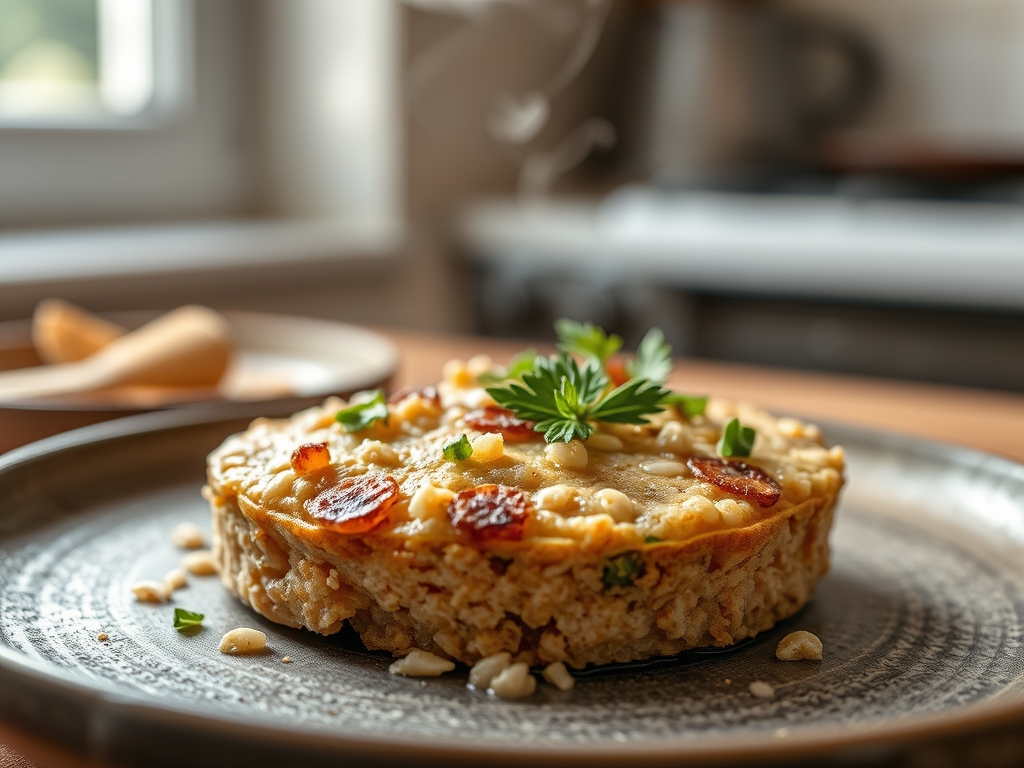
Look at the Masterclass photo above. Notice the individual definition of each oat grain. If your oats look like a singular, flat mass of beige, you have over-agitated the starch. The color should be a warm tan, not a pale white. If the color is dull, it indicates a lack of proper toasting in Step 1. If you see "weeping" (water separating from the oats on the plate), the emulsification was incomplete. To fix this, stir in a small knob of cold butter at the end to render a silkier finish. The pecans should be dark and glossy, indicating they were toasted enough to release their oils but not scorched.
THE DEEP DIVE
Macro Nutrition Profile
A single serving provides approximately 300 calories, 10g of protein, 5g of fat, and 8g of fiber. The high beta-glucan content is the "infrastructure" that slows digestion and keeps glucose levels stable.
Dietary Swaps
- Vegan: Replace butter with coconut oil and use oat or almond milk for the finish.
- Keto: Steel cut oats are high-carb by nature. For a lower-carb "n'oatmeal," use a base of hemp hearts and chia seeds.
- GF: Ensure the oats are certified Gluten-Free to avoid cross-contamination from wheat processing facilities.
Meal Prep & Reheating Science
Steel cut oats are perfect for meal prep because their molecular structure is robust. When reheating, the starches will have "set" into a firm gel. Add a splash of liquid (water or milk) and heat slowly to break the temporary bonds and restore the original viscous texture.
THE KITCHEN TABLE
Why are my oats still crunchy after 30 minutes?
Your oats are likely old or the simmer was too low. Check the "best by" date. If the grains are stubborn, add 50ml of water, cover tightly, and let them steam off the heat for ten minutes.
Can I make these in a slow cooker?
Yes, but you sacrifice the Maillard toast. Use a 1 to 4 ratio of oats to liquid and cook on low for 7 to 8 hours. This method produces a much softer, more porridge-like consistency.
Why do you add salt to a sweet dish?
Salt is a flavor amplifier. It suppresses bitterness and enhances the perception of sweetness. Without salt, the oats will taste flat and "cardboard-like," regardless of how much syrup you add.
What is the best way to store leftovers?
Store in an airtight glass container for up to five days. The oats will firm up significantly in the fridge. Use a bench scraper to portion out cold blocks for easy reheating in a pan.