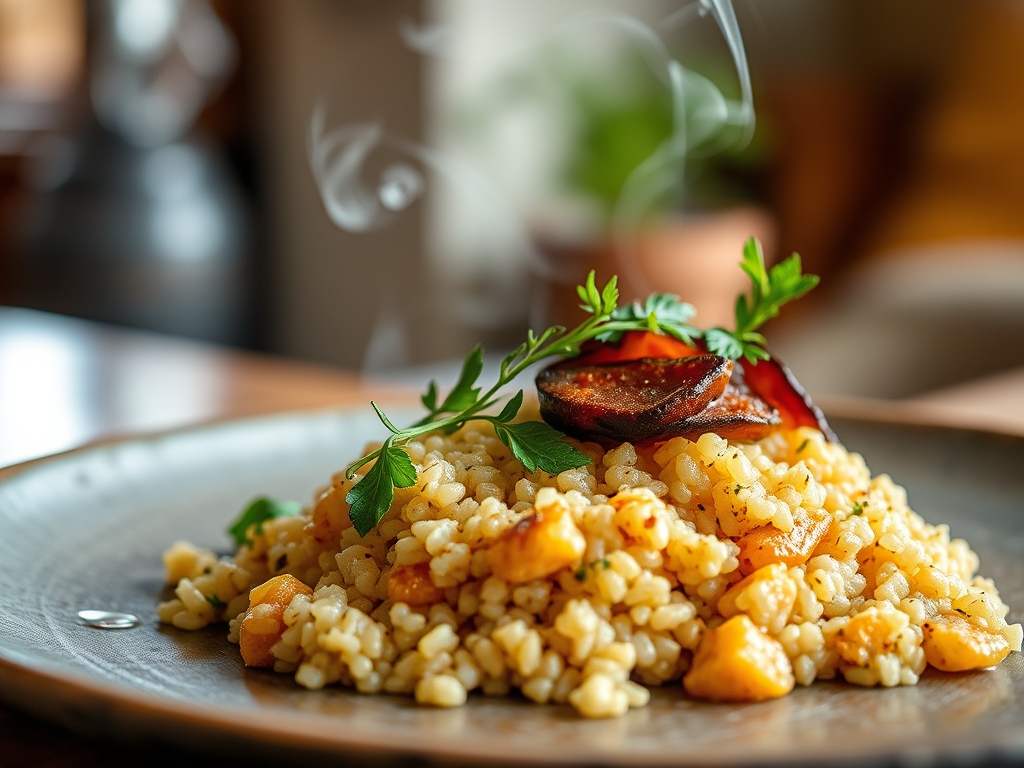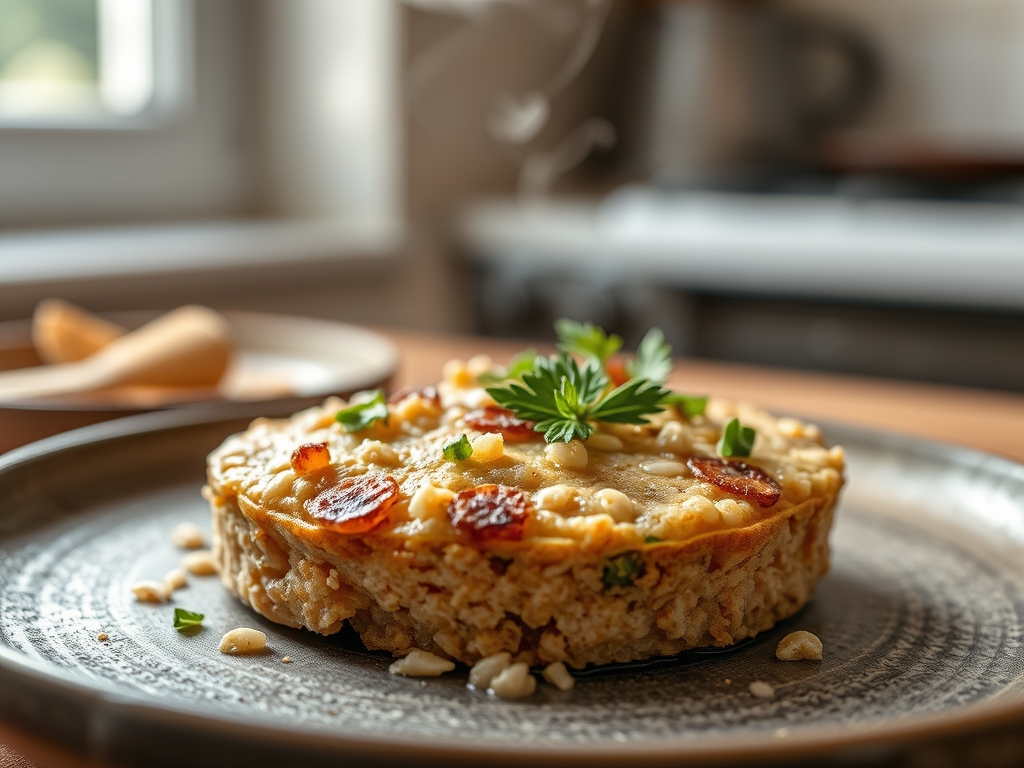
Listen to the sound of a high-heat wok screaming as it meets a slurry of cold water and refined powder. That sharp, percussive hiss is the sound of Sweet Potato Starch undergoing a violent phase transition. While cornstarch is the reliable middle manager of the pantry, sweet potato starch is the elite structural engineer. It possesses a higher amylopectin content and a larger granule size, which translates to a level of translucency and "chewy-crisp" structural integrity that other tubers simply cannot replicate. We are not just making a sauce; we are building a polymer network. When you drop a battered protein into 375-degree oil, this starch creates a micro-porous crust that acts as a thermal shield. It traps moisture internally while the exterior undergoes a rapid dehydration process, resulting in a glass-like crunch that defies the laws of humidity. This is the technical infrastructure of the orange tuber. It is the secret behind the ethereal snap of Korean fried chicken and the elastic pull of authentic dim sum wrappers. Prepare to audit your pantry.
THE DATA MATRIX
| Metric | Specification |
|---|---|
| Prep Time | 20 Minutes |
| Execution Time | 15 Minutes |
| Yield | 4 Servings |
| Complexity (1-10) | 7 |
| Estimated Cost per Serving | $4.25 |
THE GATHERS
Ingredient Protocol:
- 500g / 1.1 lbs Pork Tenderloin (Cubed)
- 120g / 1 cup Sweet Potato Starch
- 60ml / 0.25 cup Ice Cold Water
- 15ml / 1 tbsp Toasted Sesame Oil
- 30ml / 2 tbsp Light Soy Sauce
- 5g / 1 tsp White Pepper
- 1 Large Egg White (Aerated)
- 500ml / 2 cups Neutral Frying Oil (Grapeseed or Peanut)
Section A: Ingredient Quality Audit:
The primary failure point in this infrastructure is starch oxidation or moisture contamination. If your Sweet Potato Starch feels "clumpy" or lacks a squeaky, chalk-like resistance when pressed, it has absorbed ambient humidity. This will result in a heavy, doughy coating rather than a crisp shell. To fix this, spread the starch on a sheet tray and dehydrate it in a low oven (150F) for ten minutes before use. Furthermore, ensure your soy sauce is fermented, not chemically hydrolyzed. Chemically produced soy sauces lack the complex amino acids required to infuse the protein with deep umami during the short frying window.
THE MASTERCLASS
Step-by-Step Execution:
1. Protein Architecture and Marination
Slice the pork into uniform 2cm cubes using a sharp chef knife to ensure even thermal penetration. Place the cubes in a stainless steel mixing bowl and add the soy sauce, white pepper, and sesame oil. Use your hands to massage the liquid into the muscle fibers until the bowl is dry.
Pro Tip: This process is called "denaturing." By allowing the salt to penetrate the protein for 15 minutes, you create a tacky surface that allows the starch to bond at a molecular level. Use a digital scale to ensure your ratios are exact; guessing leads to structural instability.
2. The Hydrated Starch Matrix
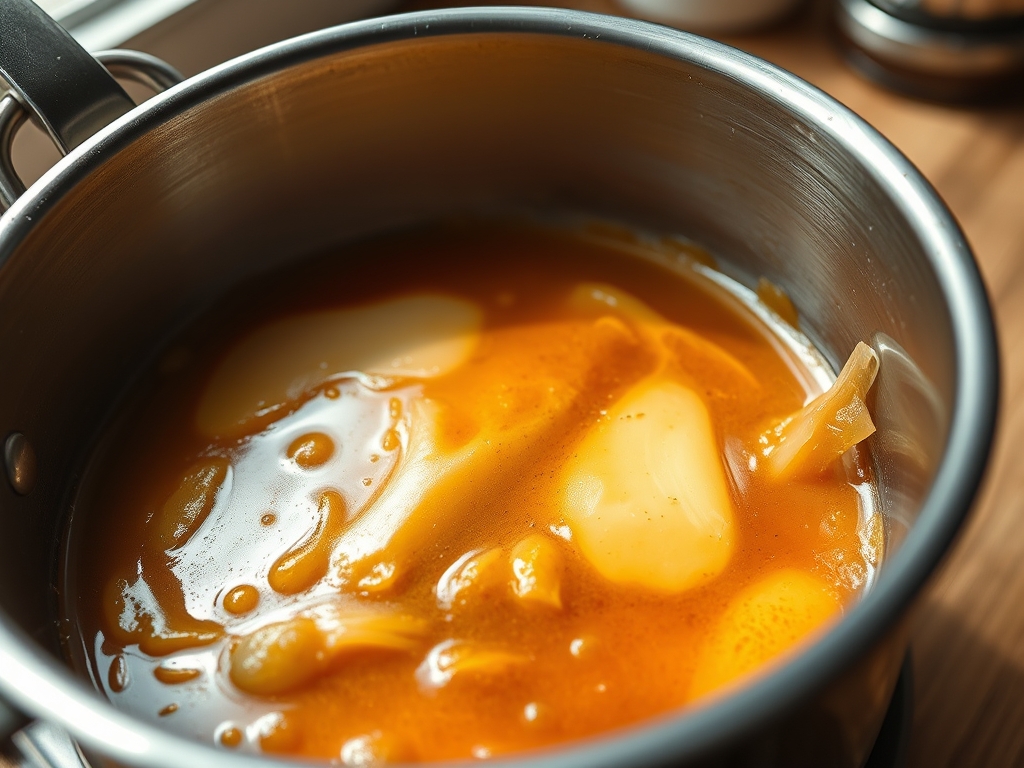
In a separate bowl, combine the Sweet Potato Starch with the ice-cold water. Do not whisk vigorously; instead, use a bench scraper or a sturdy spoon to fold the water into the starch until it forms a thick, non-Newtonian fluid. It should resist fast movement but flow like a liquid when handled gently.
Pro Tip: Using ice-cold water inhibits the premature swelling of starch granules. This ensures that the expansion happens only when the batter hits the hot oil, creating maximum surface area and a lighter texture.
3. Emulsifying the Coating
Whisk the egg white until it reaches soft peaks, then fold it into the starch slurry. Add the marinated pork to this mixture, ensuring every crevice is coated in the viscous batter. The egg white acts as a leavening agent, providing the air pockets necessary to aerate the crust.
Pro Tip: A saucier or a deep wok is the ideal vessel here. The curved sides allow for better oil circulation and prevent the heavy starch from sticking to the bottom of the pan during the initial set.
4. The Double-Fry Protocol
Heat your oil to 325F. Carefully drop the pork pieces in one by one. Fry for 3 minutes until pale gold, then remove and drain on a wire rack. Increase the heat to 375F and flash-fry the pork for a second time for 60 seconds until a deep, resonant crunch is achieved.
Pro Tip: The first fry cooks the interior and sets the starch structure. The second fry triggers the Maillard reaction and drives out residual moisture from the crust, ensuring it stays piquant and crisp even after saucing.
Section B: Prep & Timing Fault-Lines:
The most common human error is "crowding the wok." If you drop too much cold protein into the oil at once, the temperature will plummet. This causes the starch to absorb oil rather than repel it, leading to a greasy, limp disaster. Use an infrared thermometer to monitor the oil between batches. If the temperature drops below 310F, stop and wait for the recovery time. Another timing fault is the "dwell time" between battering and frying. If the starch sits on the meat for too long, the salt in the marinade will draw out moisture, thinning the batter and causing it to slide off the protein during the fry.
THE VISUAL SPECTRUM
Section C: Thermal & Visual Troubleshooting:
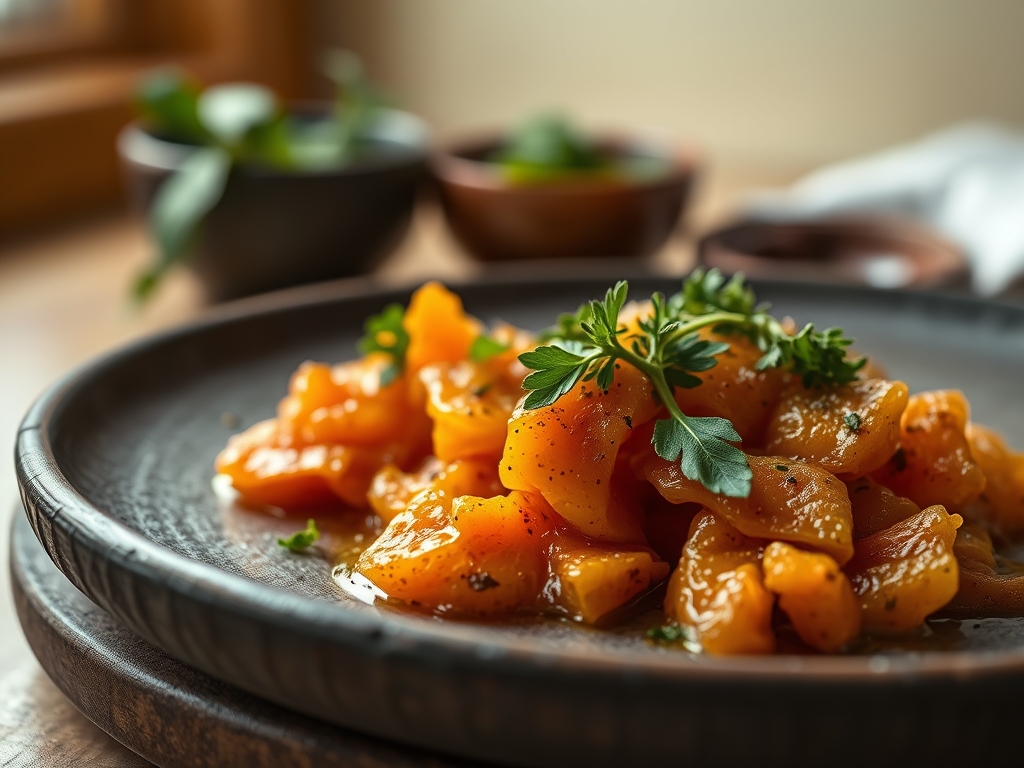
Referencing the Masterclass photo, your final product should exhibit a "shattered glass" texture. If your coating looks smooth and matte, you likely over-mixed the batter, collapsing the air bubbles. If the color is a dull grey rather than a vibrant golden brown, your oil temperature was too low, preventing the sugars in the sweet potato starch from caramelizing.
Uneven browning usually indicates that the protein was not dried sufficiently before the marinade was applied. Any "bald spots" on the fried pork suggest that the starch slurry was too thin; add a tablespoon of dry starch to the mix to increase the viscosity. The visual goal is a craggy, topographical surface that provides maximum "nooks and crannies" for sauce adhesion.
THE DEEP DIVE
Macro Nutrition Profile:
Sweet potato starch is a complex carbohydrate powerhouse. While it is high in starch, it has a lower glycemic index than wheat flour. A single serving of this fried infrastructure provides approximately 450 calories, with 28g of protein and 45g of carbohydrates. It is naturally fat-free, though the frying process introduces lipids.
Dietary Swaps:
- Vegan: Replace the pork with firm tofu or king oyster mushrooms. Swap the egg white for 15ml of aquafaba (chickpea liquid) to maintain the aeration.
- Keto: This specific recipe is starch-heavy and cannot be made Keto; however, you can reduce the carb load by using a 50/50 mix of starch and almond flour, though the "snap" will be compromised.
- GF: Sweet potato starch is naturally gluten-free. Ensure your soy sauce is replaced with Tamari.
Meal Prep & Reheating Science:
To maintain the molecular structure, never reheat in a microwave. The steam will turn the starch matrix into a gummy paste. Instead, use an air fryer or a convection oven at 400F for 4 minutes. This re-activates the fats within the crust, essentially "re-frying" the exterior without overcooking the center.
THE KITCHEN TABLE
Why use sweet potato starch over cornstarch?
Sweet potato starch has a higher "retrogradation" resistance. This means it stays crispy for longer periods and provides a much more significant "crunch" factor due to its larger granule size and unique amylose-to-amylopectin ratio.
Can I use the starch for thickening soups?
Absolutely. It creates a highly viscous and crystal-clear sheen. It does not have the "cereal" aftertaste often associated with flour-based thickeners, making it ideal for delicate broths where you want to infuse subtle flavors.
My batter is sliding off the meat. What happened?
The protein surface was likely too wet. Always pat your meat dry before marinating. If the moisture content is too high, the starch cannot form a physical bond with the muscle fibers, causing it to delaminate in the hot oil.
Is there a difference between sweet potato flour and starch?
Yes. Flour is the whole dried tuber; starch is just the extracted polysaccharide. For this crisping application, you must use the starch. The flour contains fiber and proteins that will burn at high frying temperatures.