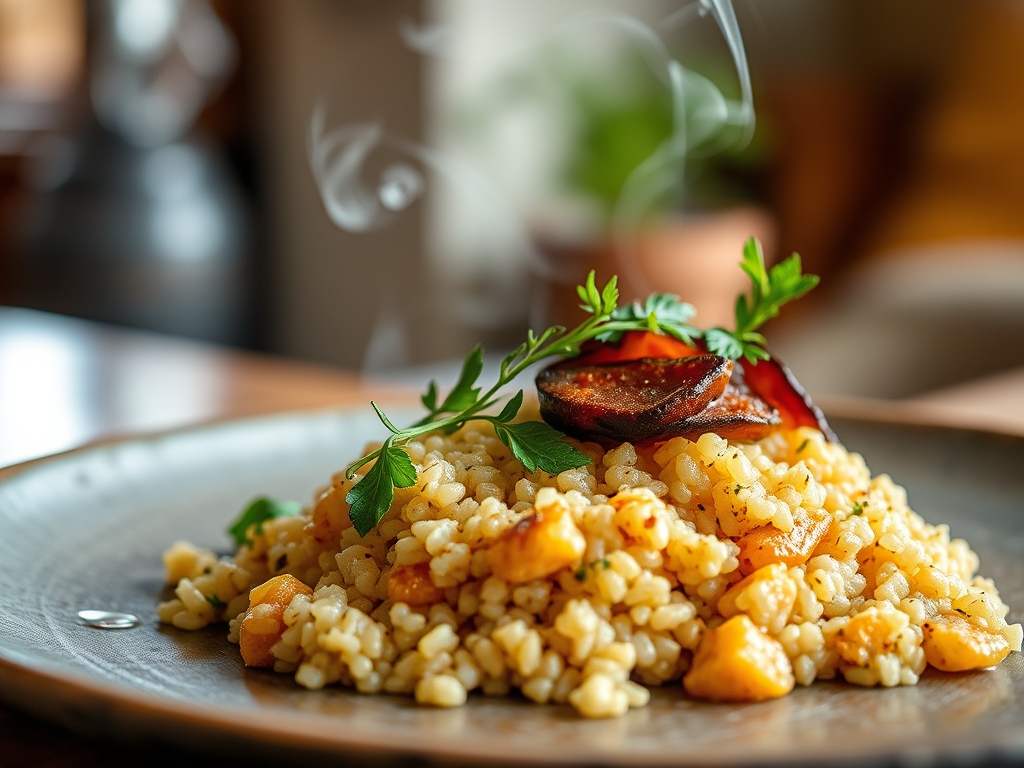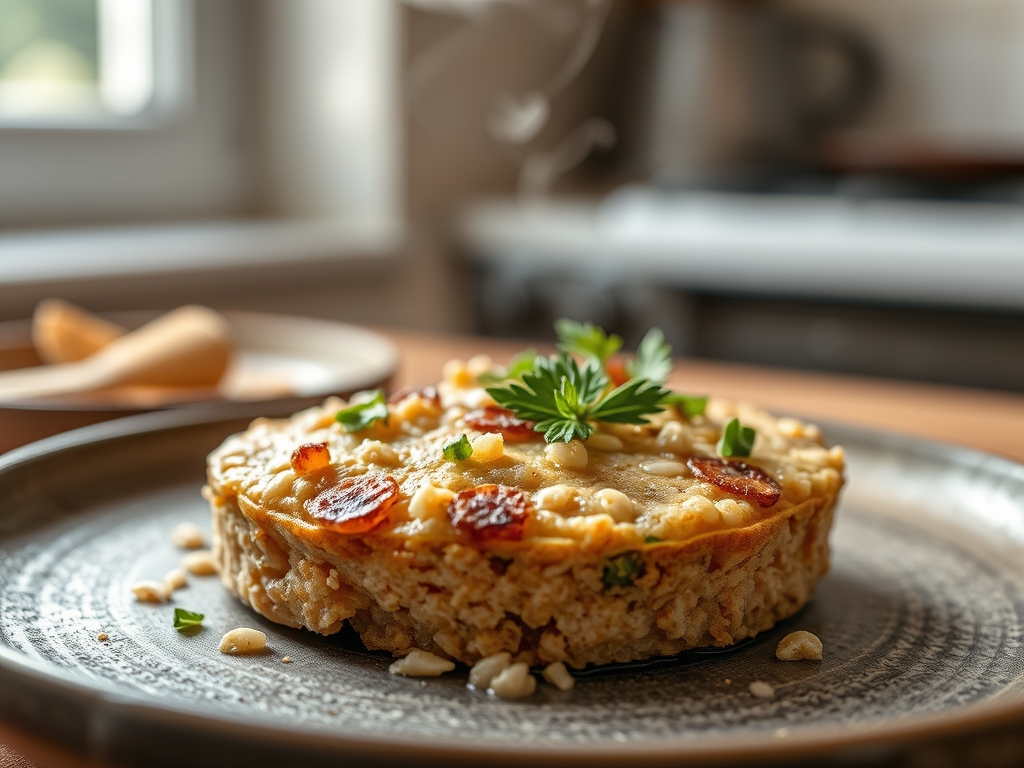
Listen to the sound of a thousand tiny golden pebbles hitting a preheated cast iron skillet; it is the percussion of a grain revolution. We are not just cooking dinner. We are re-engineering the very foundation of the ancient pantry. Proso millet is the underdog of the cereal world. It is a resilient, drought-defying powerhouse that demands respect for its complex cellular architecture. When you engage with the Millet Nutrient Matrix, you are interacting with a sophisticated web of phenolic compounds and high-quality proteins that require precise thermal management to unlock. Forget the mushy, uninspired porridges of the past. We are aiming for a structural masterpiece where every individual grain remains distinct, toasted to a nutty perfection, and infused with aromatic fats. The goal is a textural contrast that defies the standard "soft grain" expectations. We want a snap on the tooth followed by a creamy, mineral-rich finish. This is high-stakes culinary infrastructure. If you treat this grain like white rice, you have already lost the battle. We are here to audit your process and elevate your output to professional standards.
THE DATA MATRIX
| Metric | Specification |
|---|---|
| Prep Time | 15 Minutes |
| Execution Time | 25 Minutes |
| Yield | 4 Standard Servings |
| Complexity (1-10) | 4 |
| Estimated Cost per Serving | $0.85 USD |
THE GATHERS
Ingredient Protocol:
- 200g / 1 cup Proso Millet (Hulled)
- 475ml / 2 cups Alkaline Water or Bone Broth
- 30ml / 2 tbsp Grass-fed Ghee or Neutral High-Smoke Point Oil
- 5g / 1 tsp Himalayan Pink Salt
- 2g / 0.5 tsp Toasted Cumin Seeds
- 15ml / 1 tbsp Fresh Lemon Juice (to brighten the pH)
Section A: Ingredient Quality Audit:
If your raw millet smells dusty or metallic, the oils within the germ have likely oxidized. You cannot cook your way out of rancidity. Always perform a sensory check before the grain hits the heat. If the grains appear dull or grey, they lack the structural integrity required for a high-quality Millet Nutrient Matrix. To fix subpar grains, perform a triple-rinse in 40 degree Celsius water to strip away excess surface starches and dust. If your water source is excessively "hard" or mineral-heavy, it will prevent the grain from hydrating evenly. Use filtered alkaline water to ensure the hemicellulose in the grain walls breaks down at a predictable rate.
THE MASTERCLASS
1. The Dry-Heat Activation
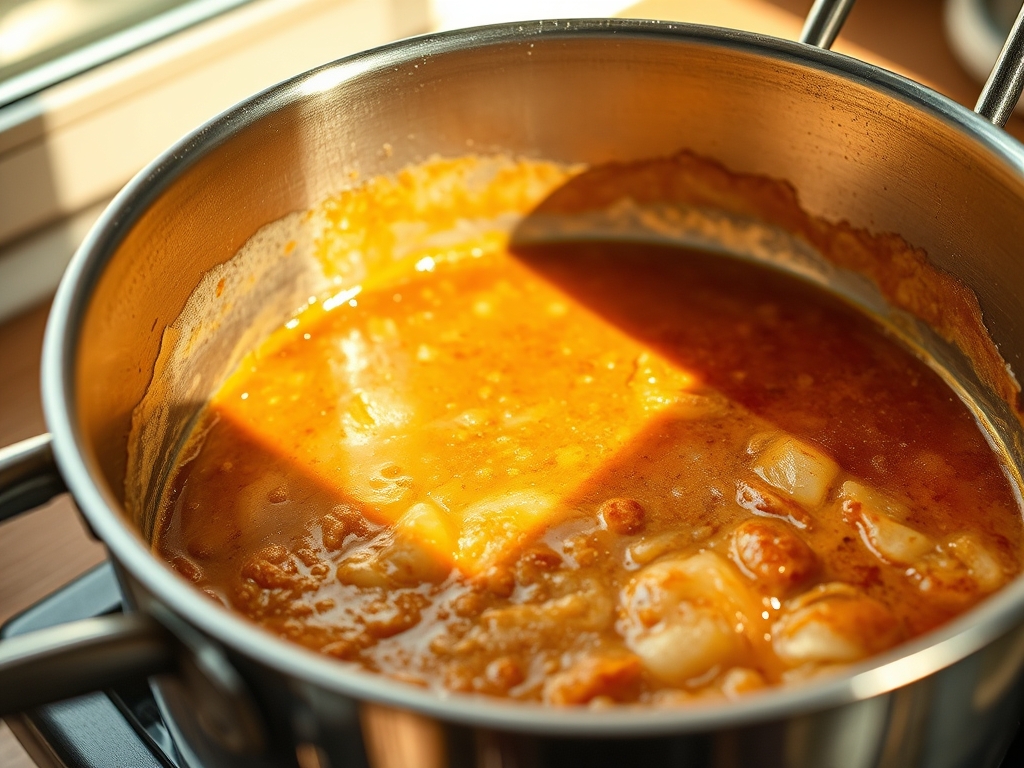
Place your dry, rinsed millet into a heavy-bottomed saucier over medium heat. Do not add liquid yet. Stir constantly with a silicone spatula to ensure even heat distribution. You are looking for a transition from a pale yellow to a deep golden hue.
Pro Tip: This step initiates the Maillard reaction on the grain's exterior. By toasting the grain dry, you are creating a hydrophobic barrier of aromatic compounds that prevents the grain from becoming a cohesive mass of starch once the liquid is introduced.
2. Lipid Infusion and Aromatics
Add your ghee or oil to the toasted grains along with the cumin seeds. Use a digital scale to ensure your fat-to-grain ratio is exact. The fat should coat every single grain, creating a shimmering, viscous layer.
Pro Tip: Fat acts as a heat-transfer medium. By frying the toasted grain for sixty seconds, you infuse the lipid layer with the volatile oils from the cumin, ensuring the flavor is locked into the Millet Nutrient Matrix rather than just floating in the cooking liquid.
3. Precision Hydration
Pour in your measured liquid all at once. It will hiss and steam violently. Immediately reduce the heat to the lowest possible setting and cover with a tight-fitting lid. If your lid is loose, place a clean kitchen towel between the pot and the lid to create a perfect seal.
Pro Tip: Professional kitchens use a "cartouche" or a tight seal to maintain a constant internal vapor pressure. This ensures that the moisture penetrates the core of the grain without the exterior overcooking and turning into mush.
4. The Rest and Aeration
Once the liquid is fully absorbed (approximately 15 to 18 minutes), remove the pot from the heat. Do not open the lid. Let it sit for a full ten minutes. Finally, use a bench scraper or a wide-tined fork to gently lift and aerate the grains.
Pro Tip: Resting allows the residual steam to redistribute evenly. This stabilizes the grain's protein structure. If you stir it while it is piping hot, you will rupture the starch granules and create a gummy texture.
Section B: Prep & Timing Fault-Lines:
The most common failure in grain infrastructure is "The Boil-Over." This happens when the heat is too high, causing the proteins to foam and clog the steam vents. If you see foam, your heat management is failing. Another fault-line is the "Premature Peek." Every time you lift the lid, you lose approximately 15 degrees of internal temperature and a significant volume of steam. This adds three minutes to your cook time and results in uneven hydration. Use a timer and trust the physics of the vessel.
THE VISUAL SPECTRUM
Section C: Thermal & Visual Troubleshooting:
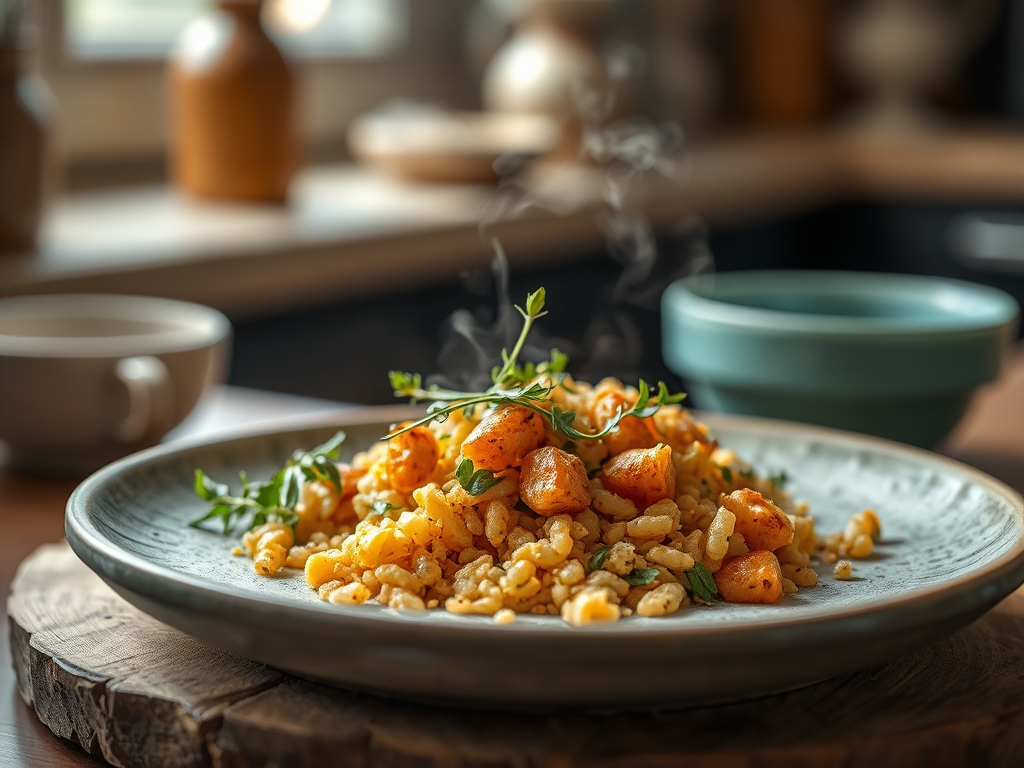
Referencing the Masterclass photo above, notice the distinct separation of grains. If your result looks like a singular yellow block, you skipped the toasting phase or over-agitated the grains during the simmer. If the color is dull rather than vibrant gold, your pH balance is off. A squeeze of lemon juice at the end will deglaze the palate and brighten the visual yellow of the millet. If you see "craters" on the surface of the grain bed, congratulations; that is a visual cue that steam tunnels have formed correctly, indicating perfect hydration throughout the Millet Nutrient Matrix.
THE DEEP DIVE
The Millet Nutrient Matrix is a powerhouse of magnesium, phosphorus, and manganese. From a macro perspective, a single serving provides roughly 6 grams of protein and 2 grams of fiber with a low glycemic load. This makes it an ideal substrate for metabolic health.
Dietary Swaps:
- Vegan: Swap ghee for avocado oil or refined coconut oil.
- Keto: While millet is a carbohydrate, it can be used in small "seed" quantities (20g) as a crunchy topper for salads to add texture without breaking the carb bank.
- GF: Proso millet is naturally gluten-free, but ensure your source is certified to avoid cross-contamination.
Meal Prep & Reheating Science:
To maintain the molecular structure during reheating, avoid the microwave if possible. Instead, place the millet in a pan with a tablespoon of water, cover, and steam on low heat. This re-hydrates the starch without making it rubbery. If you must use a microwave, cover the bowl with a damp paper towel to create a localized steam chamber.
THE KITCHEN TABLE
Why is my millet bitter?
Bitterness is usually caused by saponins on the hull or rancid surface oils. A thorough rinse in warm water or a longer dry-toast period will neutralize these compounds and reveal the natural sweetness of the grain.
Can I use a rice cooker?
Yes, but use the "Brown Rice" setting. The standard "White Rice" cycle is too short to penetrate the dense protein structure of the Proso millet. Always toast the grains in a separate pan first for maximum flavor.
Is soaking necessary?
Soaking for 2 to 4 hours can reduce phytic acid and improve mineral absorption. If you soak, reduce your cooking liquid by 25 percent to compensate for the water already absorbed by the grain matrix.
How do I get it extra crispy?
After the steaming process is complete, spread the cooked millet on a sheet tray and roast at 200 degrees Celsius for ten minutes. This creates a "millet popcorn" effect that is perfect for adding crunch to soups.