Forget everything you think you know about modern wheat. We are not here to discuss the flimsy, over-processed powders of the industrial age. We are here to conduct a structural audit of the ancient world. Spelt is not just a grain; it is a genetic fortress. When we talk about Spelt Flour Integrity, we are referencing a complex matrix of fragile gluten proteins and high mineral density that demands a specific mechanical approach. This is the architect's grain. It offers a nutty, deep profile that puts standard all-purpose flour to shame, but it is temperamental. If you overwork the dough, the protein bonds shatter. If you under-hydrate, the result is a dry, crumbly mess. Today, we are engineering a High-Hydration Spelt Focaccia that utilizes the grain's natural extensibility to create a crumb structure that is both airy and resilient. We are looking for a golden, Maillard-driven crust and a crumb that breathes. Prepare your digital scales and clear your workstations; we are about to optimize your carbohydrate infrastructure.
THE DATA MATRIX
| Metric | Specification |
|---|---|
| Prep Time | 20 Minutes |
| Execution Time | 3 Hours 45 Minutes |
| Yield | 1 Large Sheet Pan (12 Servings) |
| Complexity (1-10) | 6 |
| Estimated Cost per Serving | $0.85 |
THE GATHERS
Ingredient Protocol:
- 500g / 4 cups Organic Spelt Flour (Whole or Light)
- 400ml / 1.7 cups Filtered Water (at 35C / 95F)
- 10g / 2 tsp Fine Sea Salt
- 7g / 2.25 tsp Active Dry Yeast
- 60ml / 0.25 cup Extra Virgin Olive Oil (Cold Pressed)
- 15g / 1 tbsp Fresh Rosemary (Minced)
- 5g / 1 tsp Flaky Finishing Salt
Section A: Ingredient Quality Audit:
The primary failure point in ancient grain baking is enzymatic activity. If your spelt flour has been sitting on a warm shelf for six months, the oils have likely oxidized, leading to a bitter aftertaste. Ensure your flour is fresh and, ideally, stone-ground to maintain the germ's nutritional profile. If your dough fails to rise, your yeast has likely expired or was killed by water exceeding 45C. To fix a low-rising dough, perform a "yeast bloom" in a separate vessel with a pinch of sugar before integrating it into the dry mass. If the dough feels excessively sticky, do not dump more flour into the mix; instead, use autolyse (a resting period) to allow the bran to fully hydrate.
THE MASTERCLASS
1. The Hydration Phase
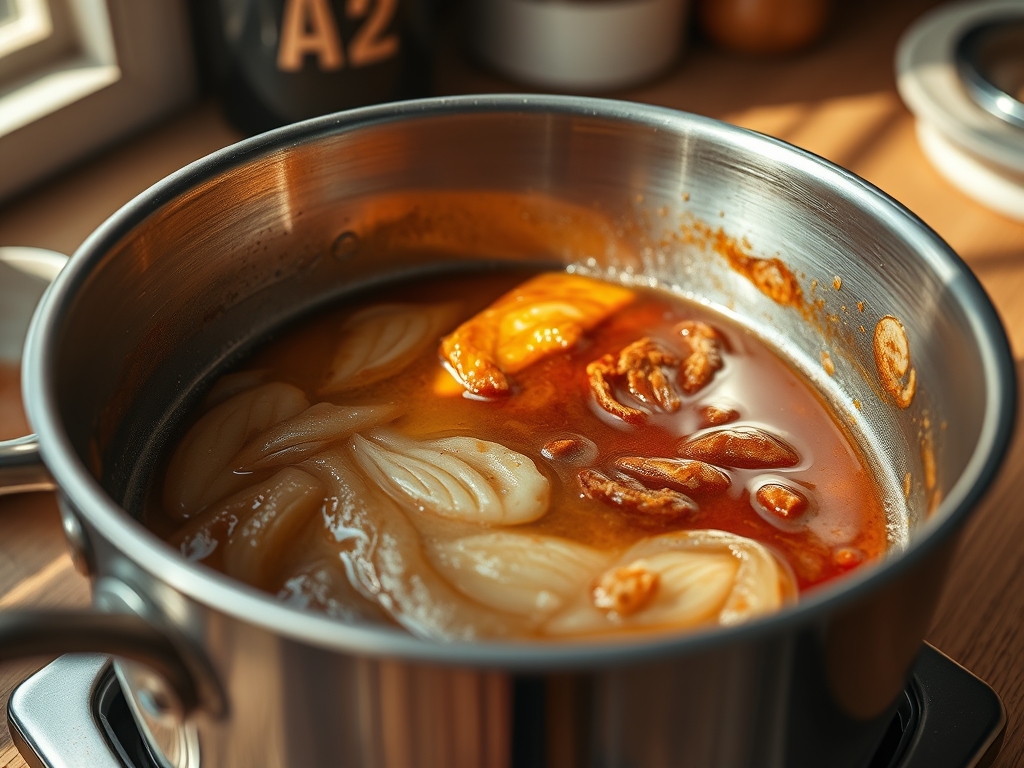
Combine your filtered water and yeast in the bowl of a stand mixer. Sift in the spelt flour to aerate the particles and prevent clumping. Use a sturdy spatula to mix until a shaggy mass forms. Cover and let sit for 30 minutes.
Pro Tip: This is the autolyse stage. Because spelt has a higher solubility in water than modern wheat, this rest allows the proteins to begin forming bonds without mechanical interference. Use a digital scale for this; volume measurements are the enemy of Spelt Flour Integrity.
2. Salt and Oil Integration
Add the sea salt and half of the olive oil. Using the dough hook attachment on low speed, mix for exactly four minutes. The dough will appear more viscous than traditional bread dough; this is normal for high-hydration spelt.
Pro Tip: Salt strengthens the gluten network, but adding it too early can inhibit yeast activity. By waiting 30 minutes, you ensure the yeast has established a colony before the salt begins to tighten the protein strands.
3. The Bulk Fermentation
Transfer the dough to a glass bowl coated in olive oil. Perform a series of "stretch and folds" every 30 minutes for two hours. Cover with a damp cloth between intervals to maintain humidity.
Pro Tip: Use a bench scraper to lift the edges of the dough without tearing the fragile gluten. Spelt gluten is "extensible" but not "elastic," meaning it stretches easily but breaks if pulled too hard. Gentle folding builds the vertical structure needed for those iconic air pockets.
4. The Dimpling Manifold
Pour the remaining olive oil onto a heavy-duty rimmed baking sheet. Transfer the dough and gently stretch it to the corners. Use your fingertips to press deep indentations into the surface. Sprinkle with rosemary and flaky salt.
Pro Tip: This mechanical indentation increases the surface area for the Maillard reaction to occur. It also creates "oil pools" that fry the bottom of the dough, ensuring a crisp texture that contrasts with the soft interior.
5. The Thermal Execution
Slide the tray into an oven preheated to 220C / 425F. Bake for 20 to 25 minutes until the internal temperature reaches 96C / 205F. The crust should be a deep mahogany.
Pro Tip: Use an instant-read probe thermometer to verify the internal structure. If you pull the bread too early, the high moisture content will cause the center to collapse as it cools, ruining the crumb's architectural stability.
Section B: Prep & Timing Fault-Lines:
The most common human error is rushing the fermentation. If the room temperature is below 20C, the yeast will move at a glacial pace. You can troubleshoot this by placing the dough in a turned-off oven with a bowl of steaming water to create a "proof box." Conversely, over-proofing leads to a "spent" dough that smells like vinegar and collapses upon touching. If the dough has over-expanded, degas it completely, reshape it, and allow for a shorter second rise to recover the structure.
THE VISUAL SPECTRUM
Section C: Thermal & Visual Troubleshooting:
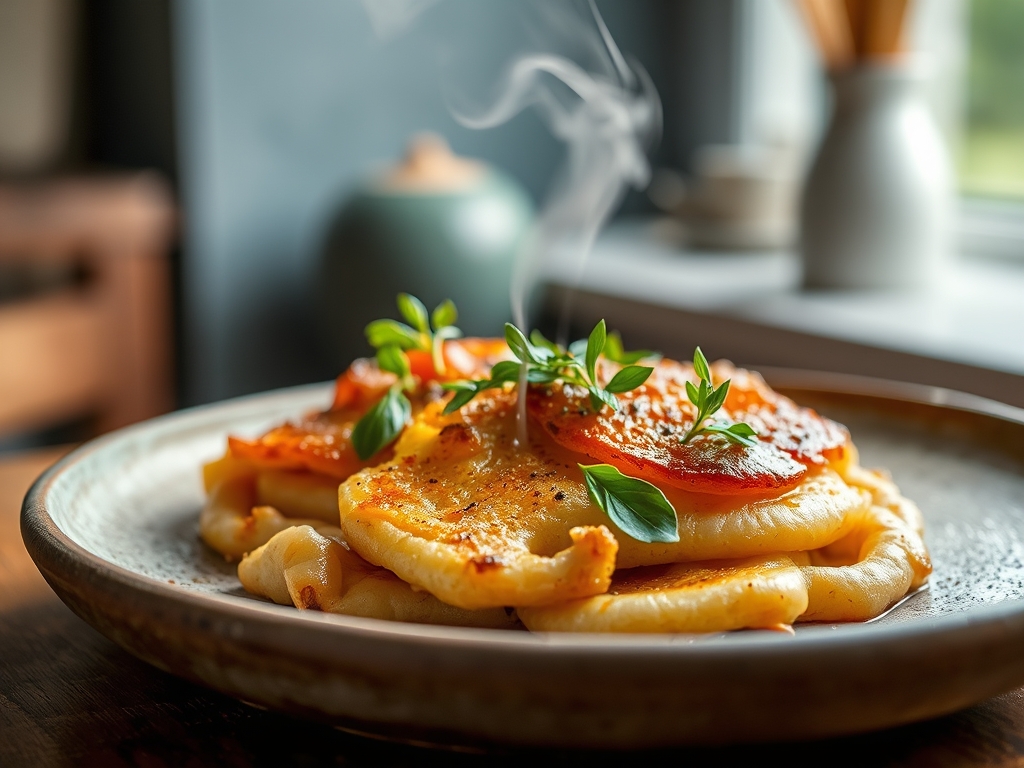
In the Masterclass photo above, notice the alveoli (the large air bubbles) and the uneven, craggy surface. If your focaccia looks flat and pale, your oven temperature was likely too low, failing to trigger the rapid expansion known as "oven spring." If the top is burnt but the middle is raw, your rack position was too high; move the tray to the center. For a dull, matte finish, you likely skimped on the olive oil. The oil acts as a heat conductor; without it, the spelt cannot render its natural sugars into that glossy, golden crust. If the rosemary looks charred and black, soak the herbs in water for ten minutes before applying them to the dough to protect them from the high heat.
THE DEEP DIVE
Macro Nutrition Profile:
Spelt is a nutritional powerhouse compared to its hybridized cousins. A single serving provides approximately 180 calories, 6g of protein, and 4g of dietary fiber. It is particularly rich in Manganese and Niacin, which are essential for metabolic efficiency.
Dietary Swaps:
- Vegan: This recipe is naturally vegan. Ensure your sugar (if used for blooming) is bone-char free.
- Keto: Spelt is a high-carb grain; there is no direct keto swap that maintains this specific gluten structure.
- Gluten-Free: Use a 1:1 GF baking blend, but expect a significantly denser result as spelt's unique protein matrix cannot be easily replicated.
Meal Prep & Reheating Science:
To maintain the molecular structure, do not refrigerate the bread; this accelerates staling through starch retrogradation. Store at room temperature in a paper bag. To reheat, avoid the microwave, which turns the crust into rubber. Use a toaster oven at 175C for five minutes to infuse the crust with heat and crisp the exterior while keeping the crumb moist.
THE KITCHEN TABLE
Why is my spelt dough so much stickier than wheat dough?
Spelt contains more water-soluble proteins. This creates a "slack" dough. Resist the urge to add flour; use wet hands during the folding process to manage the stickiness without altering the hydration ratio.
Can I use a bread machine for this recipe?
You can use the "dough" setting, but the mechanical paddles are often too aggressive for spelt's delicate gluten. For the best Spelt Flour Integrity, manual folding is the superior protocol.
Is spelt flour actually easier to digest?
Many find the gluten in spelt easier to break down because it has not been modified for high-speed industrial processing. However, it still contains gluten and is not suitable for those with Celiac disease.
How do I get that piquant, sourdough-like flavor?
Perform a cold ferment. After the first hour of bulk fermentation, place the dough in the refrigerator for 12 to 24 hours. This slow-motion breakdown of starches creates complex organic acids and deeper flavor.