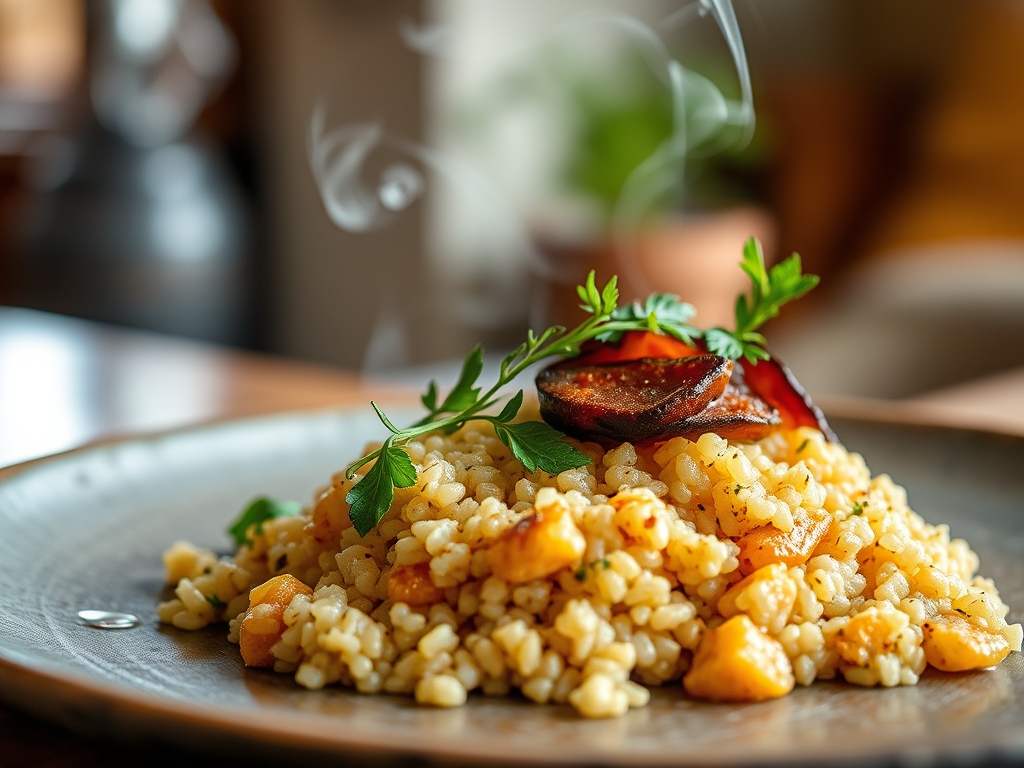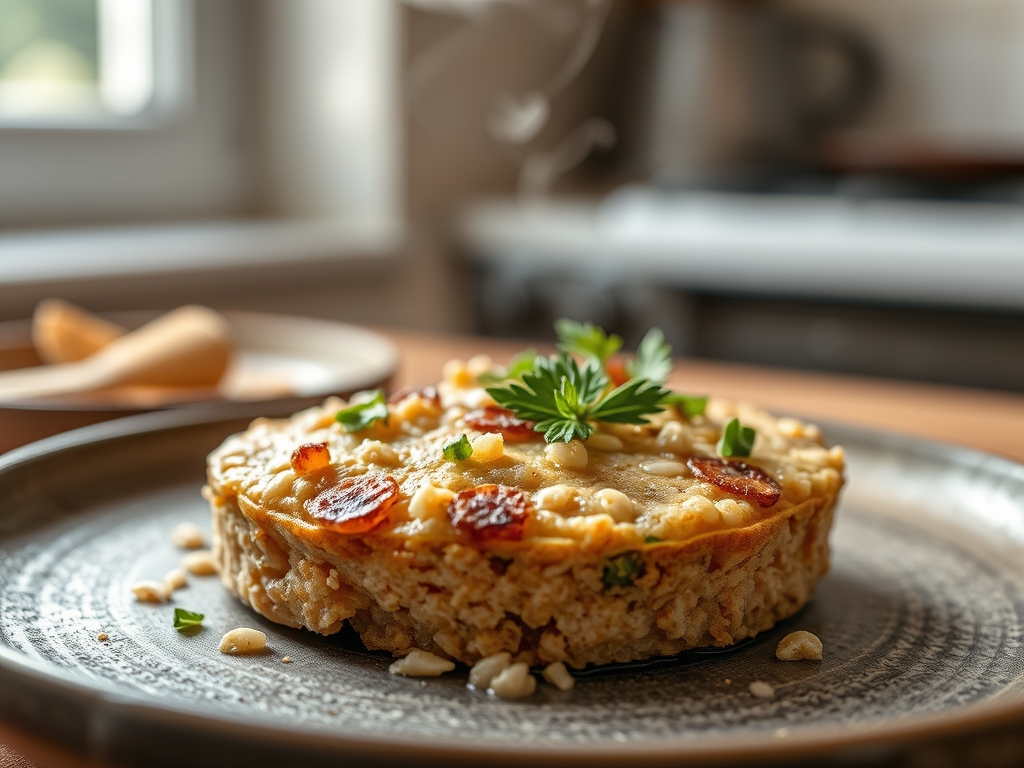
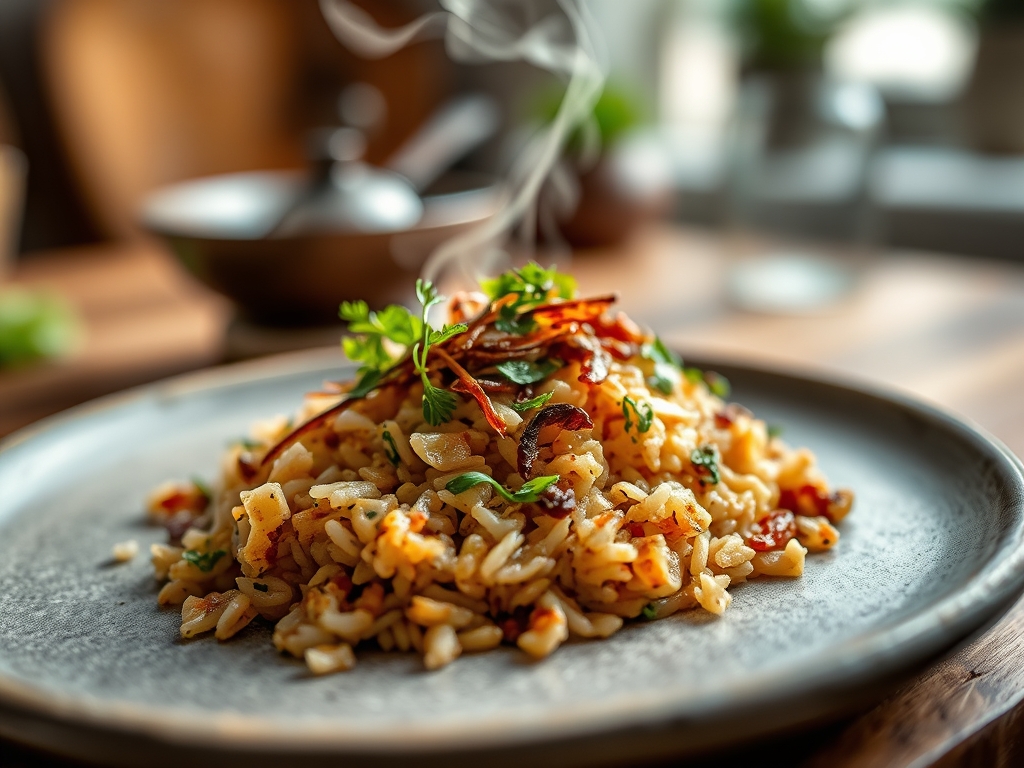
Forget everything you think you know about aquatic grains. We are not discussing the bleached; over-processed fluff found in the bottom of a takeout container. We are diving into the structural integrity of Zizania; the North American marsh grass that defies the culinary laws of standard starch. To master this ingredient; you must first respect the Wild Rice Data. This is a botanical powerhouse boasting a protein-to-carbohydrate ratio that makes white rice look like a nutritional vacuum. When the heat hits the husk; you are witnessing a physical transformation. The rigid outer bran cracks under thermal pressure; revealing a blossoming; ivory interior that carries the scent of toasted pecans and damp earth. This is the infrastructure of flavor. It requires a precise understanding of hydration kinetics and thermal regulation. If you treat this like a commodity grain; you will end up with a bowl of swampy disappointment. If you treat it like the complex grass seed it is; you unlock a texture that is simultaneously snappy and tender.
THE DATA MATRIX
| Metric | Specification |
|---|---|
| Prep Time | 10 Minutes |
| Execution Time | 45 to 55 Minutes |
| Yield | 4 to 6 Servings |
| Complexity (1-10) | 4 |
| Estimated Cost per Serving | $1.85 |
THE GATHERS
Ingredient Protocol:
- Authentic Grade A Wild Rice: 340g / 2 cups
- Filtered Water or Bone Broth: 950ml / 4 cups
- Unsalted European Butter: 45g / 3 tbsp
- Mirepoix (Finely Diced): 300g / 2 cups
- Kosher Salt: 10g / 2 tsp
- Fresh Thyme Sprigs: 3 to 4 units
- Toasted Pepitas: 60g / 0.5 cups
Section A: Ingredient Quality Audit:
The most common failure point is purchasing "Wild Rice Blends." These are a marketing trap. The white rice in the blend will turn to mush long before the wild rice reaches its al dente peak. Always source 100 percent pure wild rice. If your grains look dusty or grey; they have oxidized. To fix this; perform a cold-water agitation rinse until the water runs clear. This removes surface starches and debris that cause a viscous; gummy mouthfeel. If your broth is too salty; dilute it immediately. Wild rice absorbs liquid aggressively; and any salinity in the pot will be concentrated four-fold by the end of the cook cycle.
THE MASTERCLASS
1. The Aromatics Render
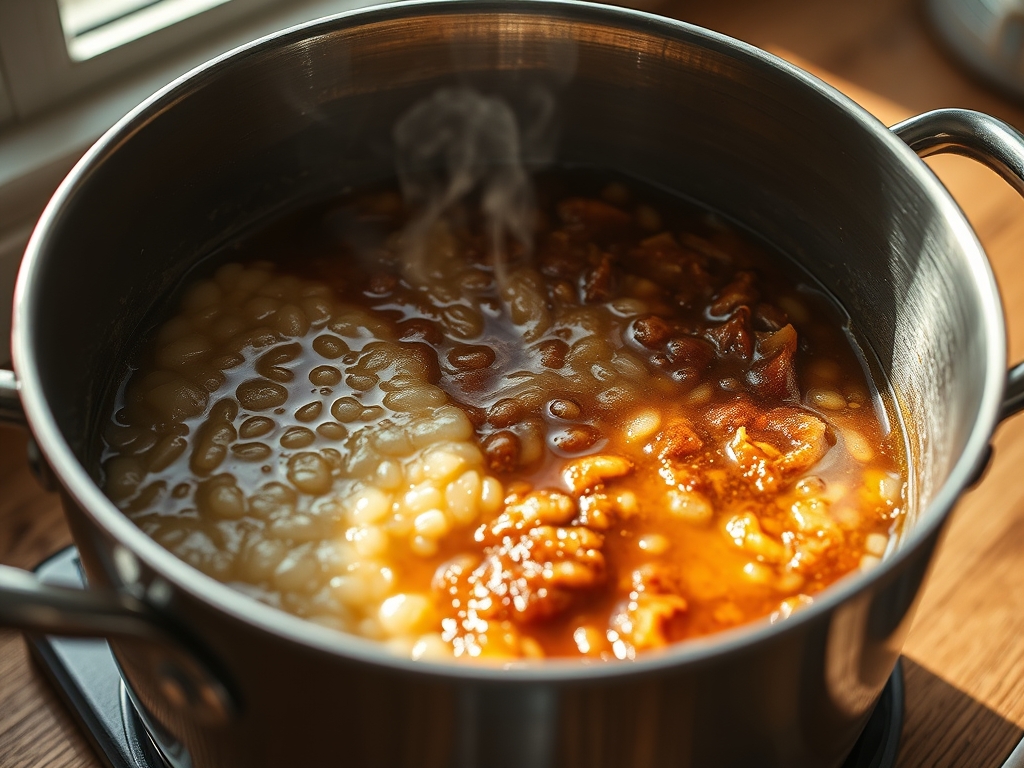
Place a heavy-bottomed saucier over medium-high heat. Add the butter and allow it to melt until the milk solids begin to brown slightly. Toss in your mirepoix. Use a bench scraper to ensure your vegetable dice is uniform; which guarantees even caramelization. Sauté until the onions are translucent and the carrots have softened.
Pro Tip: This stage is about building a flavor foundation. The Maillard reaction occurring with the vegetable sugars and butter creates a complex base that the rice will absorb during the hydration phase.
2. The Grain Toasting
Add the rinsed wild rice directly into the fat and vegetables. Stir constantly for three minutes. You are looking for the rice to emit a nutty aroma and for the edges of the husks to take on a glossy sheen.
Pro Tip: Toasting the dry grain before adding liquid creates a protective barrier. This prevents the grain from over-expanding and becoming waterlogged; ensuring each seed maintains its structural integrity.
3. The Hydration Phase
Pour in your 950ml of liquid. Use a digital scale to ensure your ratios are exact. Add the salt and thyme. Bring the mixture to a rolling boil; then immediately drop the heat to the lowest setting. Cover with a tight-fitting lid.
Pro Tip: Temperature control is vital. If the simmer is too aggressive; the exterior of the grain will disintegrate before the interior is hydrated. You want a gentle convection current within the pot.
4. The Fissure Check
At the 45-minute mark; check the rice. You are looking for the "butterfly" effect. The dark husk should have split; revealing the white starch inside. It should not be curled into a circle; that indicates overcooking.
Pro Tip: Use a fork to fluff the grains. Avoid a spoon; which can crush the delicate "blossoms" and ruin the visual architecture of the dish.
5. The Steam Rest
Remove the pot from the heat but keep the lid on for ten minutes. This allows the residual moisture to redistribute evenly through the grains.
Pro Tip: This resting period is a molecular necessity. It allows the starch to set; ensuring the rice is fluffy rather than sticky when served.
Section B: Prep & Timing Fault-Lines:
If your rice is still crunchy after 55 minutes; your lid likely has a poor seal; allowing steam to escape. To fix this; add 50ml of boiling water and cover the pot with a layer of foil before replacing the lid. If you find the rice is done but there is still excess liquid; do not keep boiling it. Drain the excess through a fine-mesh sieve. Keeping it in the water will lead to a "blown-out" texture where the grain loses all its snap.
THE VISUAL SPECTRUM
Section C: Thermal & Visual Troubleshooting:
Look at the Masterclass photo above. Note the distinct separation of grains and the matte finish of the husks contrasted against the bright white interior. If your dish looks like a uniform brown mass; you have likely over-agitated the rice during the simmer. If the colors are dull; you missed the deglaze opportunity. A splash of lemon juice at the end can aerate the flavor profile and brighten the visual aesthetic. If the rice looks "wet;" it hasn't rested long enough. The steam must be allowed to re-absorb to achieve that professional; dry-touch finish.
THE DEEP DIVE
Wild rice is a nutritional titan. It contains nearly double the protein of brown rice and is a significant source of manganese; magnesium; and phosphorus. Because it is technically a grass seed; it is naturally gluten-free and has a lower glycemic index than almost any other "grain" on the market.
Dietary Swaps:
- Vegan: Swap the butter for a high-quality avocado oil or coconut oil to maintain the fat content needed for toasting.
- Keto: While wild rice is lower in carbs than white rice; it is not strictly keto. However; you can "bulk" the dish by using a 50/50 mix of wild rice and riced cauliflower added in the last 5 minutes.
- GF: This dish is naturally gluten-free; just ensure your broth is certified.
Meal Prep & Reheating Science:
Wild rice is the king of meal prep because its cellular structure is incredibly robust. Unlike white rice; which becomes hard and "chalky" in the fridge due to retrogradation; wild rice maintains its snap. When reheating; add a teaspoon of water and cover tightly to create a steam chamber. This prevents the husk from becoming leathery.
THE KITCHEN TABLE
Why is my wild rice curling into tight circles?
You have overcooked it. The starch has absorbed too much water; causing the grain to lose its structural tension. Next time; reduce the cook time by five minutes and rely on the steam rest to finish the process.
Can I cook wild rice in a standard rice cooker?
Yes; but use the "Brown Rice" setting. The standard "White Rice" cycle is too short to penetrate the tough outer bran of the wild rice. Always use the 1:2.5 rice-to-water ratio for mechanical cookers.
Is rinsing really necessary?
Absolutely. Wild rice is harvested from marshes and can carry silt or organic debris. Rinsing also removes excess surface starch; which is the primary culprit behind "clumpy" or sticky rice results.
My rice smells like tea; is that normal?
Yes. High-quality wild rice often has "grassy" or "tannic" aromatic notes similar to black tea or toasted hay. This is a sign of a fresh; unrefined product rather than a stale grain.