Forget the thin, watery approximations of the past. We are entering the realm of the high-viscosity, fat-forward emulsion that defines the pinnacle of Cashew Yogurt Tech. When you crack the seal on a perfectly fermented batch, you should be greeted by a surface as smooth as polished marble and a scent that is sharply piquant yet creamy. This is not just a snack; it is a biological achievement. We are harnessing the power of Lactobacillus to transform raw, oleaginous drupes into a probiotic powerhouse that rivals any dairy-based Greek yogurt in both mouthfeel and structural integrity. The secret lies in the molecular architecture of the cashew itself. Unlike almonds, which are fibrous and stubborn, the cashew is a treasure trove of starch and monounsaturated fats. When properly hydrated and sheared at high velocities, these fats form a stable matrix that captures CO2 and lactic acid, resulting in a thick, spoonable curd. Prepare your palate for a texture that is unapologetically luxurious and a flavor profile that dances between earthy sweetness and bright, fermented acidity.
THE DATA MATRIX
| Metric | Specification |
|---|---|
| Prep Time | 20 Minutes (plus 12 hours soaking) |
| Execution Time | 8 to 12 Hours (fermentation window) |
| Yield | 1 Liter / 4 Cups |
| Complexity (1-10) | 4 |
| Estimated Cost per Serving | $1.25 USD |
THE GATHERS
Ingredient Protocol:
- 450g / 3 cups Raw Cashews (unroasted and unsalted)
- 500ml / 2 cups Filtered Water (chlorine-free is mandatory)
- 2g / 2 capsules High-Potency Probiotic Powder (minimum 50 billion CFU)
- 15ml / 1 tbsp Grade A Maple Syrup (fuel for initial microbial bloom)
- 2g / 0.5 tsp Sea Salt (to sharpen the finish)
Section A: Ingredient Quality Audit:
The most common failure point in Cashew Yogurt Tech is the use of rancid or roasted nuts. Roasted cashews have undergone the Maillard reaction, which alters their protein structure and prevents a smooth emulsion. If your raw cashews have a yellow tint or a dusty smell, the fats have oxidized. To fix this, perform a "hot blanch" by submerging the nuts in boiling water for 60 seconds before the long soak; this strips away surface impurities and neutralizes bitter enzymes. Furthermore, ensure your water is filtered. Residual chlorine in municipal tap water is a chemical weapon designed to kill bacteria; it will annihilate your probiotic starter before it can colonize the cashew cream.
THE MASTERCLASS
1. The Hydration Phase
Submerge your raw cashews in filtered water for at least 12 hours. This is not merely about softening; it is about enzymatic activation. As the nut absorbs water, it begins to break down complex starches into simpler sugars that the bacteria can easily consume.
Pro Tip: Use a digital scale to measure your water-to-nut ratio exactly. Precision here ensures that the final product reaches the desired viscous consistency without needing artificial thickeners like agar or tapioca.
2. High-Shear Emulsification
Drain the soaking water and rinse the nuts thoroughly. Place them in a high-speed blender with the 500ml of fresh filtered water and maple syrup. Process on the highest setting for 90 seconds until the mixture is friction-heated slightly and completely frictionless to the touch.
Pro Tip: Use a silicone spatula or a bench scraper to ensure every particle is incorporated. The goal is to aerate the mixture slightly while creating a microscopic fat emulsion that feels like silk on the tongue.
3. Microbial Inoculation
Wait for the mixture to cool to approximately 37C (100F). If the base is too hot, you will scald the bacteria. Stir in the probiotic powder using a sterilized stainless steel spoon. Do not use the blender for this step, as the mechanical shear can damage the delicate bacterial cultures.
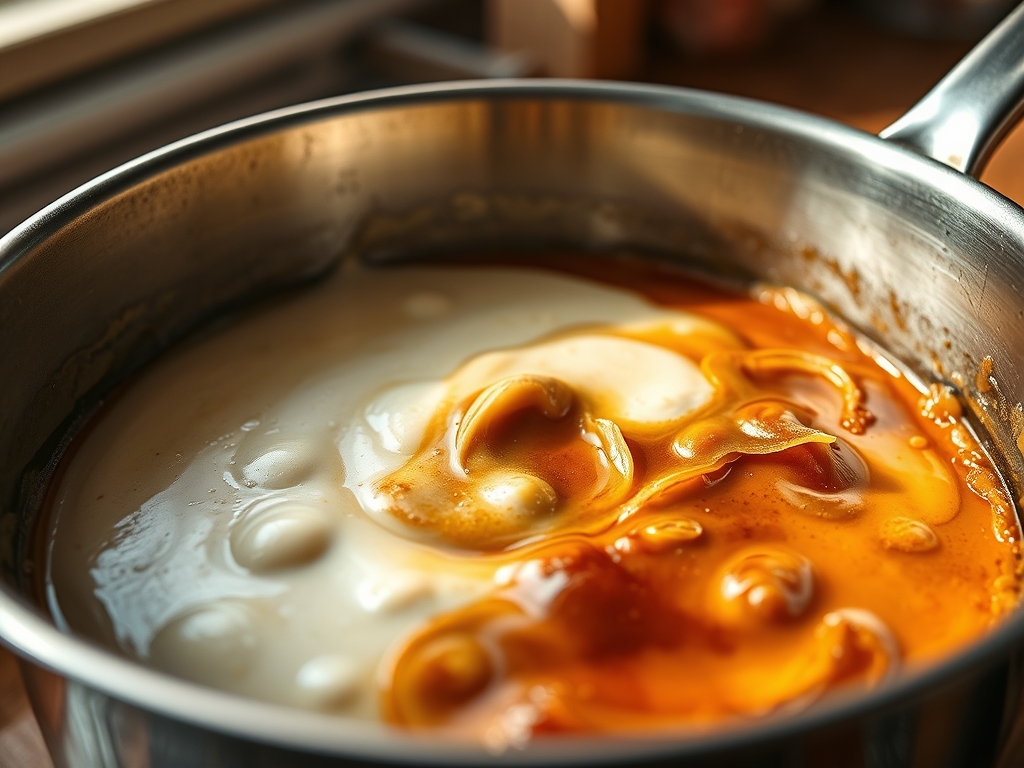
Pro Tip: Professional fermentation setups often use a saucier to gently warm the base if it has cooled too much. Maintaining a precise "Goldilocks" temperature is the difference between a tangy yogurt and a spoiled nut puree.
4. The Incubation Protocol
Transfer the mixture into a sterilized glass jar. Cover with a breathable cheesecloth or a loose lid to allow gasses to escape. Place the jar in a warm, dark environment (like an oven with the light on) for 8 to 12 hours.
Pro Tip: Consistency is key. Use a probe thermometer to monitor the ambient temperature. You are looking for a steady 38C to 43C (100F to 110F) to encourage the Lactobacillus to infuse the cream with lactic acid.
Section B: Prep & Timing Fault-Lines:
Timing is the most volatile variable in the fermentation audit. If you pull the yogurt too early, it will be sweet and liquid. If you leave it too long, the acid profile becomes harsh and the emulsion may separate, leaving a watery layer of whey at the bottom. If separation occurs, do not panic. Use a whisk to re-incorporate the liquid, but note that the flavor will be significantly more aggressive. Always set a recurring timer to check the pH or taste-test the batch at the 8-hour mark.
THE VISUAL SPECTRUM
Section C: Thermal & Visual Troubleshooting:
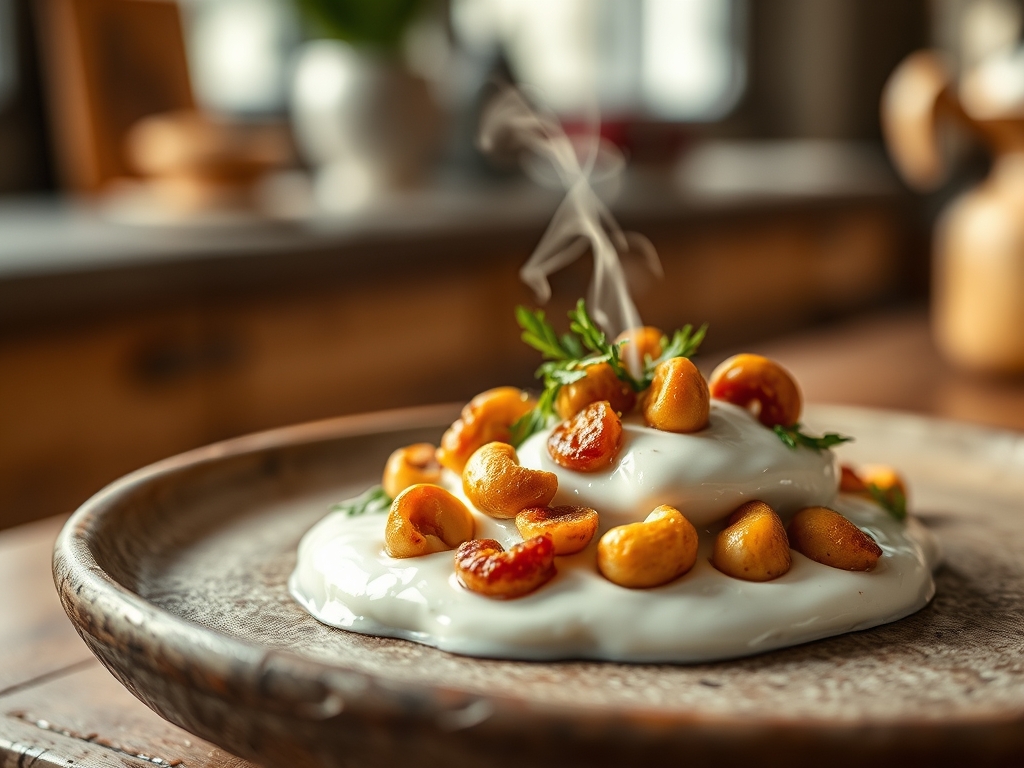
In the Masterclass photo above, notice the tight, uniform air bubbles and the matte finish of the surface. This indicates a successful gas exchange during fermentation. If your yogurt appears "pitted" or has large, uneven craters, your incubation temperature was likely too high, causing the bacteria to produce gas too rapidly. If the color is dull or grey, you may have used low-quality nuts or metal tools that reacted with the acid. A perfect batch should be ivory-white. If you see pink or fuzzy green growth on the surface, the batch is compromised by mold; discard it immediately and re-sanitize your equipment with boiling water.
THE DEEP DIVE
Macro Nutrition Profile
Per 100g serving, this cashew yogurt delivers approximately 180 calories, 14g of healthy fats, 9g of carbohydrates, and 5g of plant-based protein. It is a dense source of magnesium and copper, making it an excellent recovery fuel for neurological and muscular health.
Dietary Swaps (Vegan/Keto/GF)
This recipe is naturally vegan and gluten-free. To make it strictly Keto-compliant, omit the maple syrup. The fermentation will take slightly longer (up to 16 hours) as the bacteria must work harder to break down the natural sugars in the cashews without the "jumpstart" of the added glucose.
Meal Prep & Reheating Science
Store the finished yogurt in the coldest part of your refrigerator. Cold temperatures stabilize the molecular structure and halt the fermentation process. Do not reheat this product in a microwave; high heat will kill the live cultures and cause the fats to render out, turning your yogurt into an oily mess. If you must use it in a warm sauce, whisk it in at the very end of the cooking process after removing the pan from the heat.
THE KITCHEN TABLE
Why is my yogurt thin after 12 hours?
Temperature or starter potency is likely the culprit. If the environment was below 35C, the bacteria remained dormant. Ensure your probiotic capsules are fresh and that your incubation spot maintains a steady, warm glow.
Can I use frozen cashews?
Yes, provided they are thawed completely and brought to room temperature before the hydration phase. Frozen nuts can sometimes have a compromised cellular structure, which actually aids in creating a more viscous blend during the emulsification step.
Is the maple syrup necessary for fermentation?
While not strictly mandatory, it acts as a "bio-accelerant." The bacteria consume the simple sugars in the syrup first, which allows them to colonize the batch faster, outcompeting any stray wild yeasts that might cause spoilage.
How long does a batch stay shelf-stable?
It is not shelf-stable; it is a live product. In a sealed glass container, it will maintain its peak flavor profile for 7 to 10 days. The flavor will continue to sharpen slightly as it ages in the fridge.