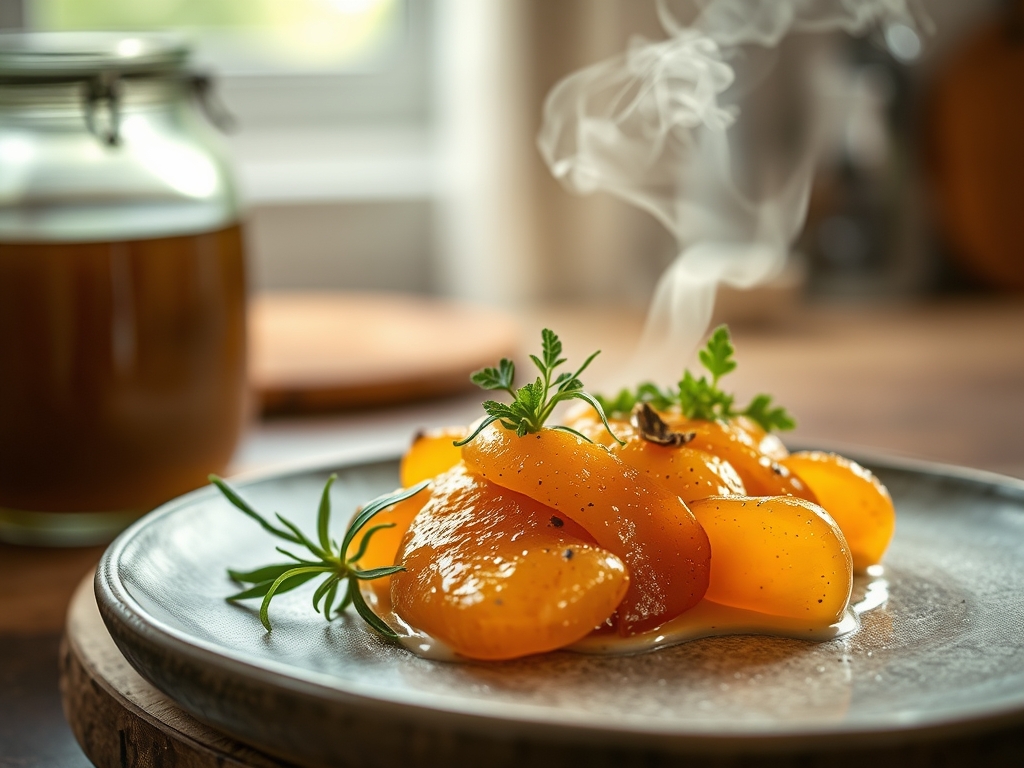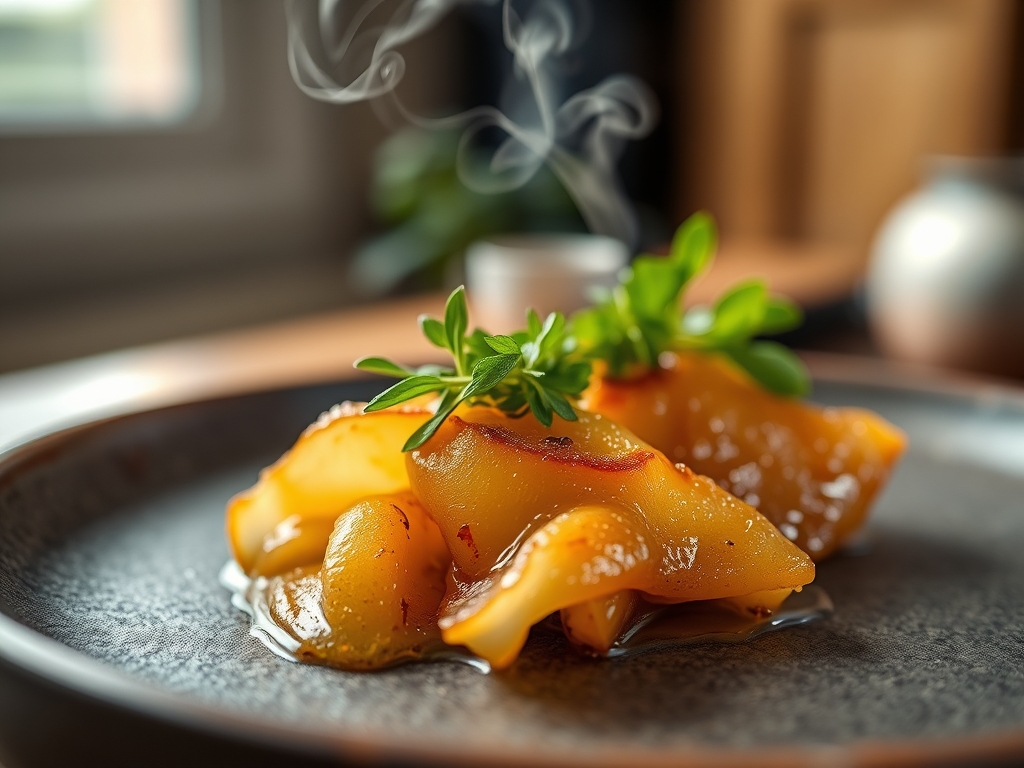
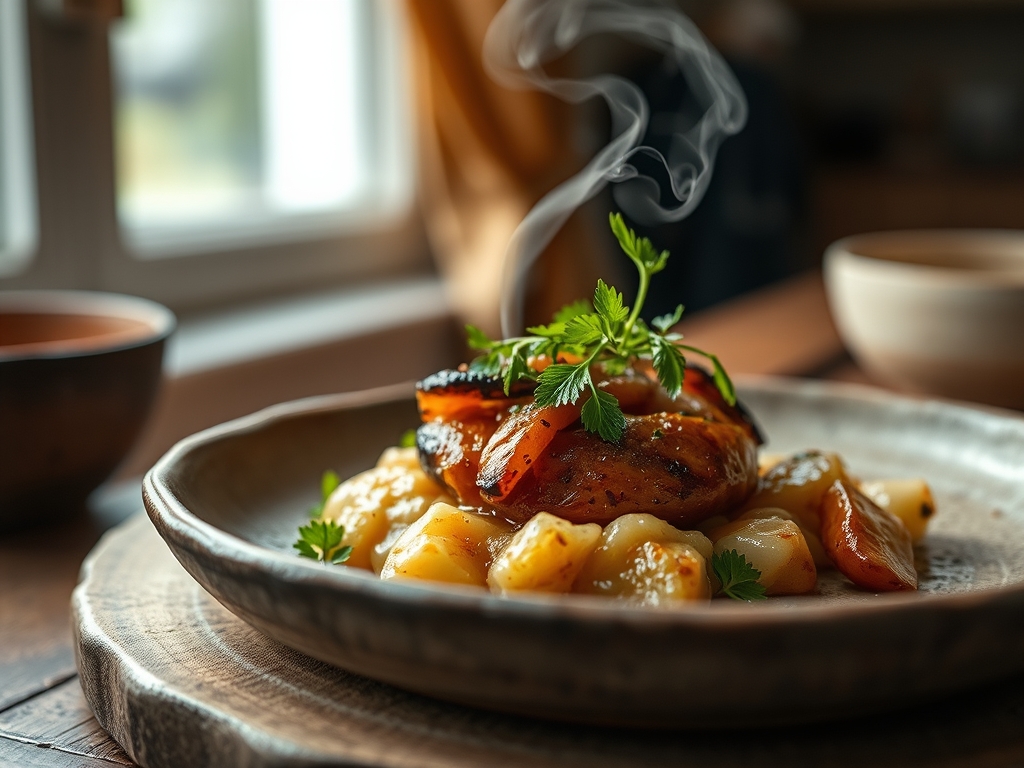
Listen to that sound. It is the frantic sizzle of a cast-iron skillet meeting a cold marinade; it is the high-frequency hiss of moisture evaporating to leave behind a sticky, dark lacquer. We are not just cooking here; we are conducting a high-stakes chemical intervention. If you have spent years tethered to traditional soy sauce, you are likely accustomed to the salt-heavy profile that masks the nuance of your protein. Today, we initiate a full Coconut Aminos Audit. This is about more than just avoiding soy or gluten. This is about leveraging the sap of the Cocos nucifera to achieve a deeper, more complex Maillard reaction. This liquid is a treasure trove of seventeen amino acids. It offers a profile that is naturally sweeter and more viscous than its legume-based counterparts. We are looking for that perfect balance of piquant acidity and earthy depth. Prepare your station. We are moving beyond the basic stir-fry and into the realm of advanced enzymatic flavor architecture.
THE DATA MATRIX
| Metric | Specification |
|---|---|
| Prep Time | 15 Minutes |
| Execution Time | 25 Minutes |
| Yield | 4 Servings |
| Complexity (1-10) | 4 |
| Estimated Cost per Serving | $4.25 |
THE GATHERS
Ingredient Protocol:
- 500g / 1.1 lbs Organic Chicken Thighs (boneless, skinless)
- 120ml / 0.5 cup Premium Coconut Aminos
- 30ml / 2 tbsp Toasted Sesame Oil
- 15ml / 1 tbsp Rice Wine Vinegar
- 20g / 4 tsp Fresh Ginger (microplaned)
- 3 Large Garlic Cloves (crushed)
- 5ml / 1 tsp Fish Sauce (optional for depth)
- 2g / 0.5 tsp Xanthan Gum (for stabilization)
- 15g / 1 tbsp Scallions (finely biased)
Section A: Ingredient Quality Audit:
The primary failure point in this infrastructure is the source material. If your coconut aminos appear thin or transparent, they lack the sugar density required for a proper glaze. Technical Fix: If your aminos are too watery, reduce them by 30% in a small saucier before starting the marinade process. This concentrates the natural sugars. Furthermore, if your ginger is fibrous and dry, do not attempt to mince it. Use a microplane to create a paste; this ensures the essential oils are fully released into the liquid phase rather than remaining trapped in woody cellulose.
THE MASTERCLASS
Step-by-Step Execution:
1. The Molecular Infusion
Place your protein in a glass bowl and introduce the coconut aminos, ginger, and garlic. Use a digital scale to ensure your ratios are precise. Let the mixture sit for at least 20 minutes.
Pro Tip: The salt content in coconut aminos is significantly lower than soy sauce. This allows the enzymes to penetrate the muscle fibers without denaturing the proteins too quickly. This results in a more tender finished product.
2. Rendering and Maillard Initiation
Heat a heavy-bottomed skillet or saucier over medium-high heat. Add the sesame oil. Once the oil begins to shimmer, add the protein but reserve the excess marinade. Do not crowd the pan.
Pro Tip: High heat is essential to render any remaining intramuscular fat. The natural sugars in the coconut sap will begin to caramelize at a lower temperature than cane sugar. Watch for the transition from light brown to a deep mahogany.
3. Deglazing the Infrastructure
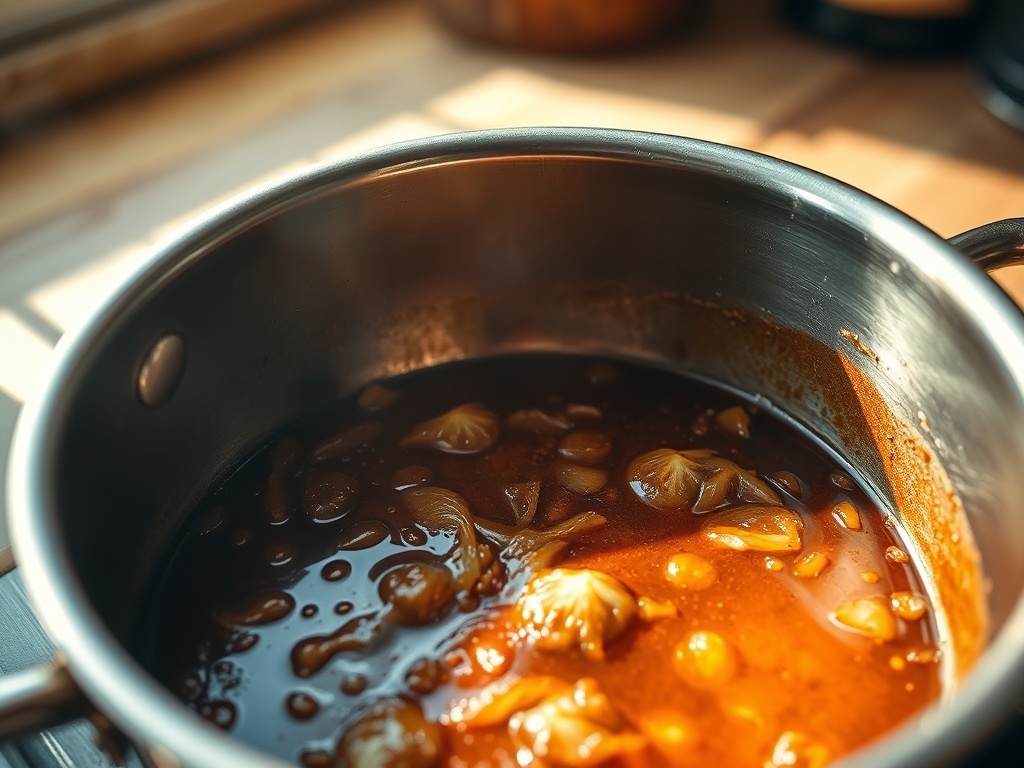
As the sugars stick to the bottom of the pan, forming a "fond," pour in the remaining marinade and rice wine vinegar. Use a bench scraper or wooden spatula to lift these flavor deposits back into the liquid.
Pro Tip: This is the deglaze phase. The acidity of the vinegar acts as a solvent; it breaks down the caramelized proteins and incorporates them into a glossy, viscous sauce that coats the meat.
4. Aeration and Final Emulsification
Reduce the heat to low. If the sauce is too thin, lightly dust the surface with xanthan gum while whisking vigorously to aerate and stabilize the emulsion.
Pro Tip: Using a whisk during the final reduction prevents the sugars from scorching. The goal is a "nappe" consistency; the sauce should be thick enough to coat the back of a spoon without running off instantly.
Section B: Prep & Timing Fault-Lines:
The most common human error is the "Cold Pan Syndrome." If you introduce the aminos to a lukewarm pan, the meat will boil in its own juices rather than sear. This ruins the texture. Always verify your pan temperature with an infrared thermometer or by looking for the first wisps of smoke from the oil. Another timing fault occurs during the reduction phase. Coconut aminos can go from "perfect glaze" to "burnt carbon" in under sixty seconds due to their high sugar-to-salt ratio. Keep your eyes on the pan; do not walk away.
THE VISUAL SPECTRUM
Section C: Thermal & Visual Troubleshooting:
Referencing the Masterclass photo above, observe the specific "lacquered" sheen on the protein. This is the hallmark of a successful Coconut Aminos Audit. If your dish looks dull or grey, you likely skipped the deglaze step or used too much moisture.
Problem: Uneven Browning. This usually stems from overcrowding. If the pieces of meat are touching, steam is trapped between them.
Solution: Cook in batches. Ensure every piece has at least one centimeter of "breathing room" to allow for proper moisture evaporation.
Problem: The Sauce is Breaking. If you see beads of oil separating from the dark liquid, your emulsion has failed.
Solution: Add a teaspoon of warm water and whisk violently. The water acts as a bridge to reconnect the fats and the sugars.
THE DEEP DIVE
Macro Nutrition Profile
Per serving, this infrastructure provides approximately 280 calories. You are looking at 32g of protein, 12g of healthy fats (primarily from sesame and chicken), and 14g of carbohydrates. The glycemic index of coconut aminos is significantly lower than refined sugar, making this an excellent choice for blood sugar management.
Dietary Swaps
- Vegan: Swap the chicken for extra-firm pressed tofu or king oyster mushrooms. The mushrooms, in particular, have a porous structure that excels at infusing the marinade.
- Keto: Coconut aminos are generally keto-friendly in moderation, but ensure your specific brand does not add extra coconut sugar.
- GF: This recipe is inherently gluten-free, provided your fish sauce is certified.
Meal Prep & Reheating Science
To maintain the molecular structure during reheating, avoid the microwave. The high-intensity radiation can cause the sugars to crystallize, making the meat tough. Instead, use a small skillet over low heat. Add a splash of water to re-hydrate the glaze and cover the pan to create a steam-injection environment. This preserves the "just-cooked" tenderness of the protein.
THE KITCHEN TABLE
Why are coconut aminos better than soy sauce?
They offer a lower sodium profile and a higher concentration of amino acids. The natural sweetness provides a more complex flavor base that enhances the piquant notes of your spices without requiring added refined sugars.
Can I use a regular frying pan instead of a saucier?
Yes, but a saucier has sloped sides that facilitate better whisking and evaporation. If using a flat frying pan, be more aggressive with your spatula to ensure the glaze does not burn in the corners.
My sauce is too salty. What happened?
You likely over-reduced the liquid. As water evaporates, the salt concentration increases. To fix this, add a splash of unsweetened coconut milk or water to bring the salinity back into balance.
Does the brand of coconut aminos matter?
Absolutely. Some brands are diluted with water and salt. Look for "barrel-aged" or "traditional fermentation" on the label. High-quality aminos should be dark, thick, and have a smell reminiscent of toasted molasses.