Stop settling for that chalky, gray water masquerading as a premium dairy alternative. If your homemade nut milk looks like a failed science experiment that separates into sediment and sludge within seconds, you are failing the fundamental laws of fluid dynamics. We are here to engineer a superior Nut Milk Emulsion; a stable, creamy, and decadent suspension of lipids within an aqueous phase. Most home cooks treat this as a simple blending exercise. They are wrong. This is a high-shear mechanical process designed to break down cellular walls and liberate the precious almond oils. When you achieve a true Nut Milk Emulsion, the liquid takes on a velvety texture that coats the tongue and resists the gravitational pull of separation. We are looking for a micro-particulate suspension that mimics the mouthfeel of heavy cream without the inflammatory baggage. It is time to stop squeezing bags like a medieval peasant and start auditing your kitchen infrastructure for maximum extraction efficiency. Let us transform raw, dormant seeds into a liquid gold that defies the standard shelf-stable disappointments found in the grocery aisle.
THE DATA MATRIX
| Metric | Specification |
|---|---|
| Prep Time | 12 Hours (Hydration Phase) |
| Execution Time | 15 Minutes |
| Yield | 1 Liter / 4 Cups |
| Complexity (1-10) | 4 |
| Estimated Cost per Serving | $0.85 |
THE GATHERS
Ingredient Protocol:
- 225g / 1.5 cups Raw Organic Almonds (Unpasteurized preferred)
- 1000ml / 4 cups Filtered Alkaline Water
- 2g / 0.5 tsp Himalayan Pink Salt
- 5ml / 1 tsp Pure Madagascar Vanilla Bean Paste (Optional)
- 15ml / 1 tbsp Raw High-Grade Honey or Maple Syrup (Optional)
Section A: Ingredient Quality Audit:
The primary failure point in any Nut Milk Emulsion is the age of the raw material. If your almonds are shriveled or smell faintly of old cardboard, they have undergone lipid oxidation. This creates a bitter, rancid profile that no amount of sweetener can mask. To fix this, always source "steam-pasteurized" or truly raw almonds. If your nuts are overly dry, extend the hydration phase by four hours and add a pinch of baking soda to the soaking water to help soften the stubborn cellulose. Another common audit failure is using tap water. The chlorine and mineral heavy-metal content in municipal water will destabilize the delicate protein bonds you are trying to form. Use only filtered or distilled water to ensure a clean slate for the almond lipids to inhabit.
THE MASTERCLASS
1. The Hydration Protocol
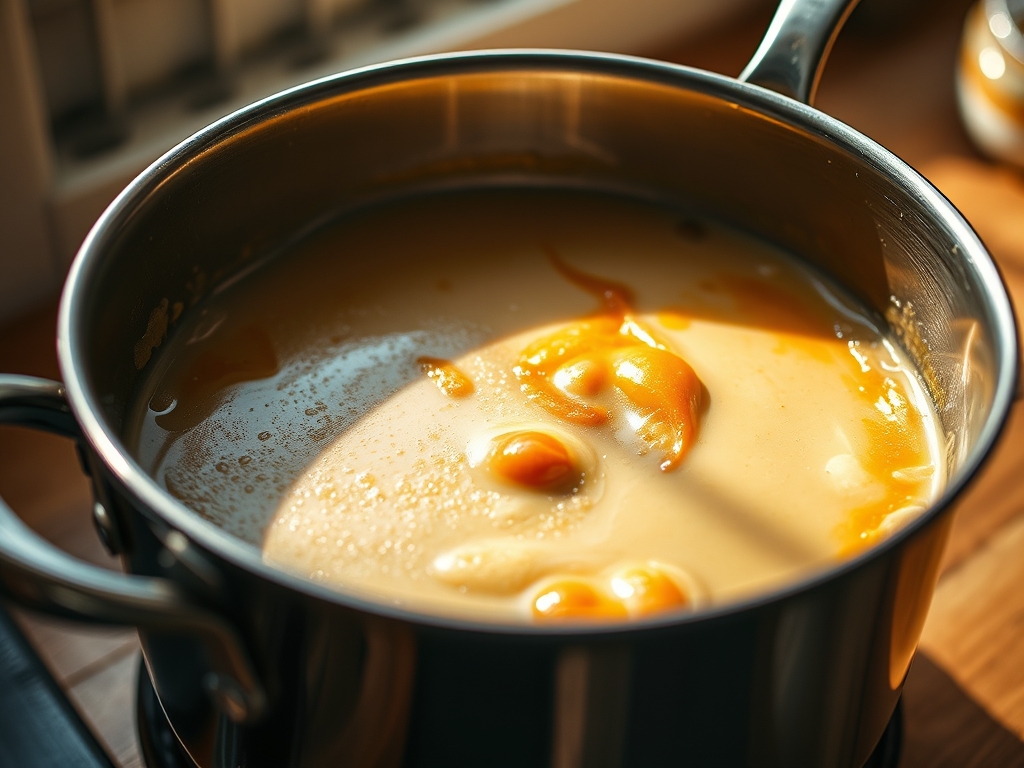
Place your almonds in a glass vessel and submerge them in filtered water. This is not just about softening; it is about enzymatic activation. You are neutralizing phytic acid and allowing the nut to swell, which makes the fats more accessible for the upcoming high-shear event.
Pro Tip: Use a digital scale to ensure your nut-to-water ratio is exact. Precision here dictates the final viscosity. A 1:4 ratio is standard, but a 1:3 ratio creates a "creamer" grade liquid that is perfect for coffee applications.
2. The High-Shear Extraction
Drain and rinse your hydrated almonds thoroughly. Transfer them to a high-speed blender with your fresh 1000ml of filtered water. Start on the lowest setting and rapidly increase to the maximum RPM. You need to pulverize the almonds until the liquid is opaque and frothy.
Pro Tip: Use a high-wattage blender (minimum 1200 watts) to ensure the particles are small enough to remain in suspension. Professional chefs use high-speed blenders to create a "micro-emulsion" that feels smoother on the palate than low-power alternatives.
3. The Filtration Phase
Pour the mixture through a fine-mesh nut milk bag or a multi-layered cheesecloth. Squeeze with consistent, firm pressure to extract every drop of liquid. What remains should be a dry, crumbly meal.
Pro Tip: Use a bench scraper to help press the pulp against a fine-mesh sieve if you lack a bag. This mechanical pressure ensures you capture the "heavy" fats that provide the signature creamy finish.
4. Flavor Stabilization
Return the strained liquid to a clean blender jar. Add your salt, vanilla, and sweetener. Pulse on low for thirty seconds to incorporate. The salt is not just for flavor; it acts as a secondary stabilizer for the protein strands in the milk.
Pro Tip: Use a small saucier to gently warm a quarter-cup of the milk if you are adding honey. Dissolving the honey in a warm liquid before adding it to the cold batch prevents "clumping" and ensures a homogenous sweetness.
Section B: Prep & Timing Fault-Lines:
Temperature control is the silent killer of the Nut Milk Emulsion. If your blender runs for too long, the friction will heat the liquid. Once the temperature crosses 110 degrees Fahrenheit, you risk denaturing the proteins and causing the milk to "break" or curdle prematurely. Audit your blending time; never exceed ninety seconds of continuous high-speed operation. If the container feels warm to the touch, stop immediately and pulse in a single ice cube to bring the thermal load back down to a safe range.
THE VISUAL SPECTRUM
Section C: Thermal & Visual Troubleshooting:
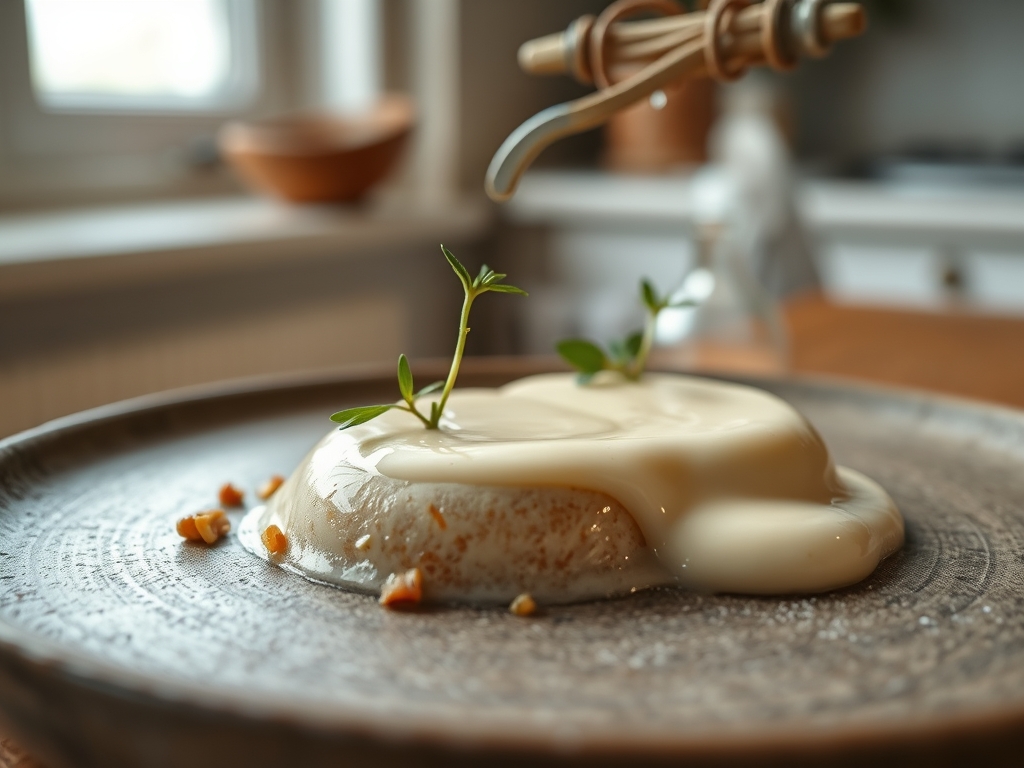
Look at the Masterclass photo above. Notice the uniform, porcelain-white hue and the absence of visible particles. If your milk appears yellow or beige, you likely skipped the peeling phase or used roasted nuts, which introduces toasted compounds that disrupt the "clean" visual profile. If you see a separation layer forming within minutes, your emulsion was not "tight" enough. This usually happens when the blending speed was too low or the ratio of water was too high. To fix a broken visual spectrum, add a 0.25 teaspoon of sunflower lecithin. This phospholipid acts as a molecular bridge between the water and the almond oil, forcing them into a permanent, aesthetically pleasing bond.
THE DEEP DIVE
Macro Nutrition Profile:
A standard 250ml serving of this engineered almond milk contains approximately 40 calories, 3g of healthy fats, 1g of protein, and 2g of carbohydrates. Unlike commercial versions, this contains zero carrageenan or synthetic thickeners, making it much easier on the digestive system.
Dietary Swaps:
For a Keto-compliant version, omit the honey and use three drops of liquid monk fruit. For a "Barista Edition" that foams better for lattes, swap 50g of almonds for 50g of raw cashews. The higher starch content in cashews creates a more stable foam when steamed.
Meal Prep & Reheating Science:
Store your emulsion in a glass airtight bottle in the coldest part of your refrigerator. It will stay fresh for up to five days. When reheating, do not boil. High heat will cause the proteins to coagulate and create a grainy texture. Instead, use a gentle steam wand or heat in a saucier over low flame until it reaches 150 degrees Fahrenheit, whisking constantly to maintain the molecular structure.
THE KITCHEN TABLE
Why does my milk separate in coffee?
The acidity and high temperature of coffee cause the almond proteins to clump. To prevent this, "temper" your milk by adding a small amount of hot coffee to the cold milk before pouring the rest of the cup.
Can I use the leftover almond pulp?
Absolutely. Spread the pulp on a baking sheet and dehydrate it in a low oven to create almond flour. This ensures a zero-waste kitchen audit and provides a high-fiber ingredient for future baking projects.
Is soaking the nuts really necessary?
Yes. Soaking initiates the "germination" process, which breaks down enzyme inhibitors. This makes the nutrients more bioavailable and softens the nut's cellular structure, which is vital for achieving a smooth, professional-grade Nut Milk Emulsion.
How do I make it thicker?
Decrease the water ratio to 1:2 or 1:3. You can also add a single pitted Medjool date during the blending phase. The natural fibers in the date act as a viscous thickening agent without ruining the flavor profile.