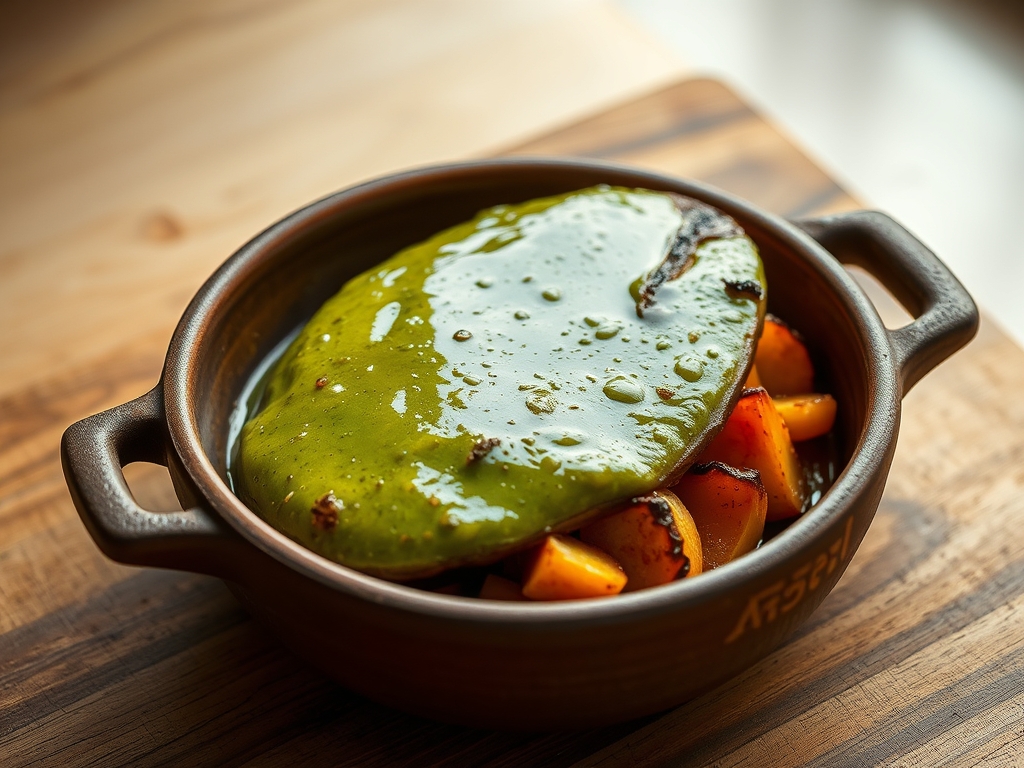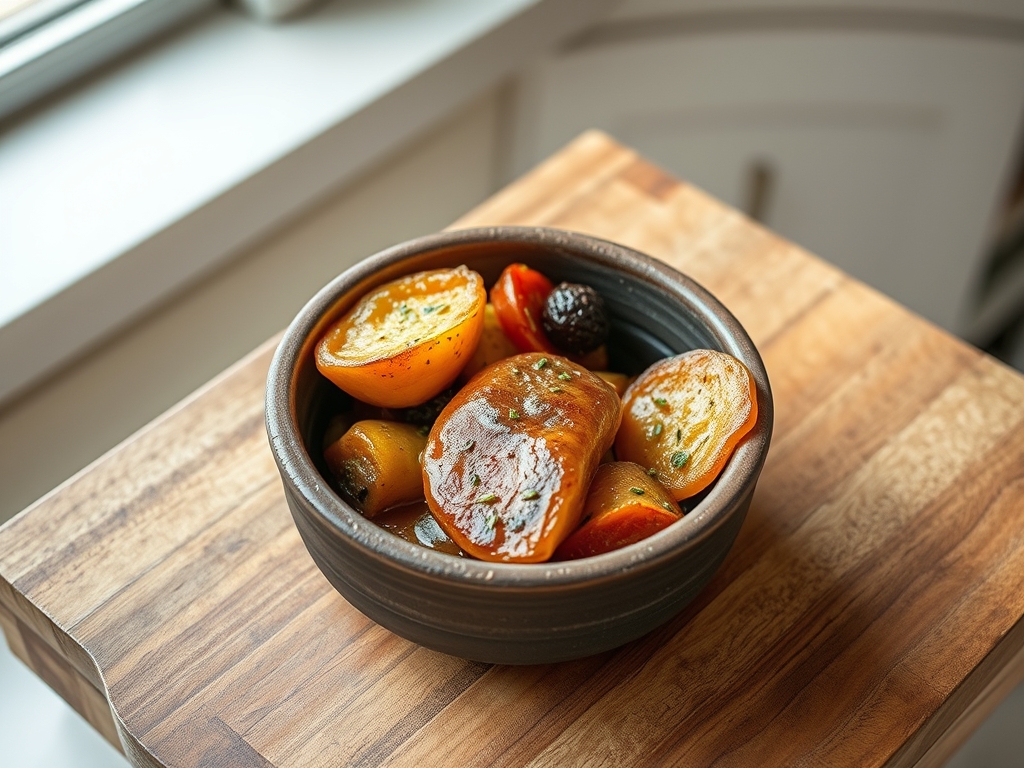
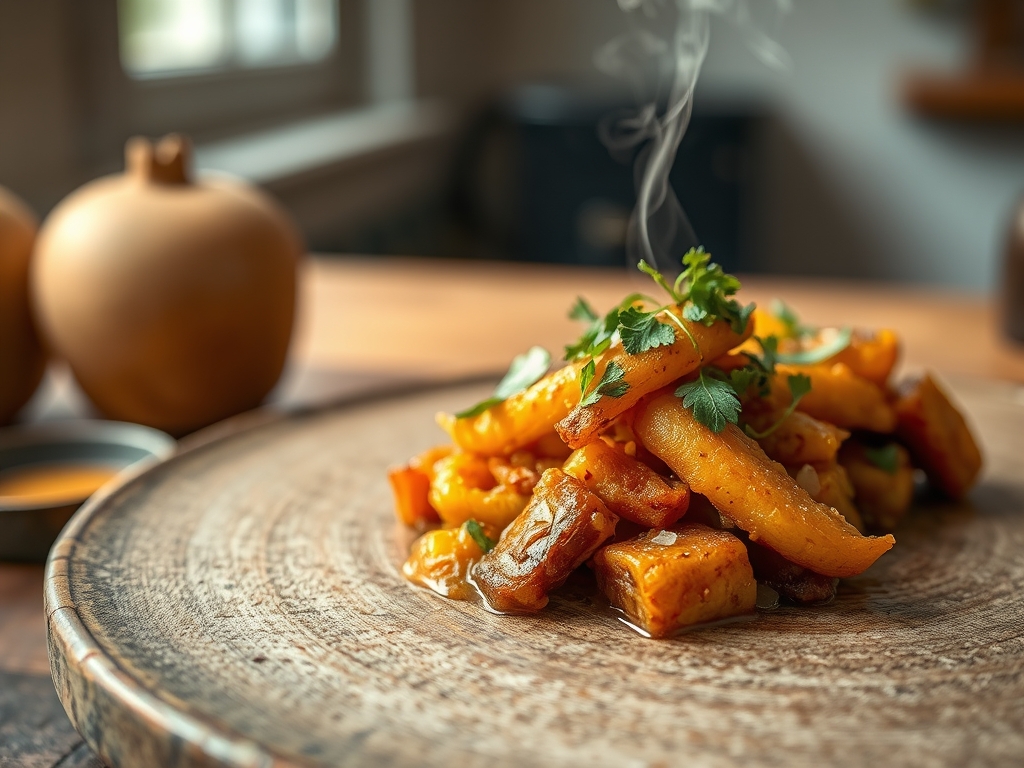
Stop settling for plant based compromises that resemble soggy cardboard more than succulent protein. We are here to conduct a comprehensive Jackfruit Fiber Audit to transform a prehistoric looking fruit into a structural masterpiece of culinary engineering. The secret does not lie in the sauce; it lies in the cellular architecture of the young green jackfruit. We are looking for high density cellulose strands that can withstand thermal stress while maintaining enough porosity to absorb a piquant marinade. When you shred this fruit, you are not just prepping a meal; you are performing a mechanical separation of fibrous bundles. If your current results are mushy or flavorless, your infrastructure is failing. This audit identifies the exact moment the fruit transitions from a dense, starchy block to a tender, strand based matrix that mimics the mouthfeel of slow cooked pork. We will manipulate moisture levels, leverage high heat for surface browning, and ensure every fiber is coated in a lipid based emulsion. It is time to stop guessing and start auditing your texture.
THE DATA MATRIX
| Metric | Specification |
|---|---|
| Prep Time | 20 Minutes |
| Execution Time | 45 Minutes |
| Yield | 4 Standard Servings |
| Complexity (1-10) | 4 (Technique Dependent) |
| Estimated Cost per Serving | $2.50 – $3.50 USD |
THE GATHERS
Ingredient Protocol:
- 565g / 20oz Young Green Jackfruit in Brine (2 cans)
- 30ml / 2 tbsp Avocado Oil or High Smoke Point Lipid
- 150g / 1 cup Yellow Onion, finely diced
- 15g / 3 cloves Fresh Garlic, minced
- 120ml / 0.5 cup Vegetable Stock or Umami Broth
- 60ml / 4 tbsp Apple Cider Vinegar
- 15ml / 1 tbsp Liquid Smoke
- 5g / 1 tsp Smoked Paprika
- 5g / 1 tsp Ground Cumin
- 3g / 0.5 tsp Cayenne Pepper
- 10g / 2 tsp Dark Brown Sugar or Coconut Sugar
- To taste Sea Salt and Black Pepper
Section A: Ingredient Quality Audit:
The most common failure point is the use of "Ripe" jackfruit instead of "Young Green" jackfruit. Ripe jackfruit is high in fructose and low in structural integrity; it will dissolve into a sugary jam rather than maintaining a fibrous pull. Ensure your cans are labeled "In Brine" or "In Water" and never "In Syrup." If your jackfruit feels excessively metallic, it is a result of low quality canning liners. To fix this, perform a triple rinse in cold filtered water followed by a ten minute soak in a diluted lemon juice solution to neutralize the tinny pH. If the fruit pieces contain large, hard seed pods, remove the outer casing of the seed. These casings are indigestible and disrupt the uniform texture of your final shred.
THE MASTERCLASS
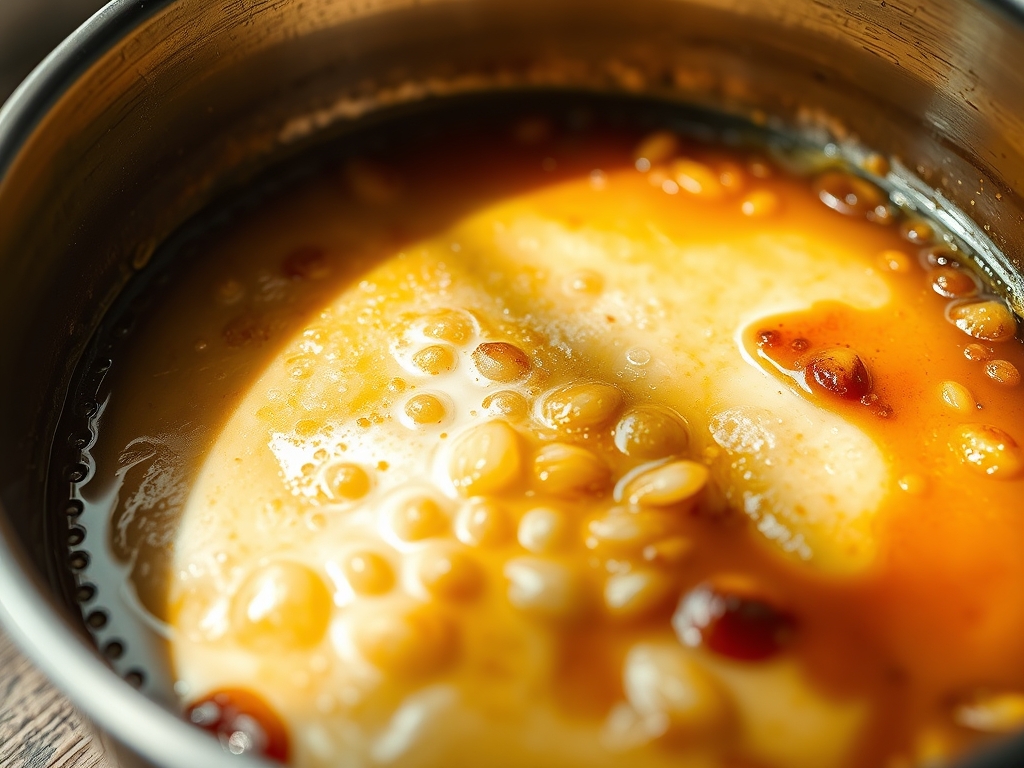
1. Mechanical Breakdown and Desiccation
Drain the jackfruit and pat it dry with surgical precision using lint free towels. Place the chunks on a clean cutting board and use a stainless steel bench scraper or the flat side of a chef's knife to press down firmly. This mimics the "pulling" action by separating the fibers without pulverizing them. Remove the dense core triangles and mince them finely, as they require more surface area to soften.
Pro Tip: Desiccation is the precursor to flavor. If the jackfruit is saturated with brine, the cell walls cannot absorb your seasonings. Use a digital scale to ensure your ratios remain consistent across batches.
2. The Lipid Infusion and Aromatics
Heat your saucier or heavy bottomed cast iron skillet over medium high heat. Add the avocado oil and wait for it to shimmer, indicating a decrease in viscosity. Sauté the onions until they reach a translucent state, then add the garlic. Introduce the jackfruit to the pan, spreading it in a single layer to maximize contact with the heat source.
Pro Tip: The Maillard reaction is your best friend here. By searing the jackfruit before adding liquid, you create a complex flavor profile through the chemical reaction between amino acids and reducing sugars.
3. Deglazing and Fiber Softening
Once the jackfruit edges show signs of golden browning, add your dry spices to toast them for 60 seconds. Immediately deglaze the pan with apple cider vinegar, using a wooden spoon to scrape up any fond. Pour in the vegetable stock and liquid smoke. Reduce the heat to low and cover the pan.
Pro Tip: Deglazing captures the concentrated flavors stuck to the bottom of the pan and forces them back into the porous fibers of the jackfruit. This is where the infuse stage begins.
4. Reduction and Texture Finalization
Remove the lid after 15 minutes. The liquid should be mostly absorbed. Use two forks or a sturdy whisk to further shred the softened pieces. Increase the heat slightly to render out any remaining moisture until the sauce reaches a viscous, lacquer like consistency that clings to every strand.
Pro Tip: If the mixture looks too dry, do not add water. Add a teaspoon of oil or a splash of stock. You want to aerate the strands as you stir to keep the texture light rather than compacted.
Section B: Prep & Timing Fault-Lines:
Timing errors usually occur during the reduction phase. If you rush the heat, the exterior of the jackfruit will burn while the interior remains tough and "woody." Conversely, if you simmer too long with the lid on, you will end up with a mushy puree. The "Sweet Spot" is the moment the liquid has reduced by 90 percent. If your temperature control is erratic, use an infrared thermometer to ensure your pan surface stays between 325F and 350F during the initial sear.
THE VISUAL SPECTRUM
Section C: Thermal & Visual Troubleshooting:
Referencing the Masterclass photo, your target visual is a spectrum of deep mahogany and burnt orange. If your jackfruit looks pale or grey, you skipped the searing phase or failed to toast your paprika. Dull colors indicate a lack of acidity; a final squeeze of lime or a splash of vinegar can brighten the visual profile instantly. If the texture looks "clumpy" rather than "shredded," your mechanical breakdown in Step 1 was insufficient. The photo shows distinct, individual fibers that are glistening but not swimming in liquid. If you see a pool of oil or water at the bottom of your plate, your emulsion has broken or your reduction was incomplete.
THE DEEP DIVE
Macro Nutrition Profile:
Jackfruit is a fiber powerhouse but a protein lightweight. A standard serving offers approximately 150 calories, 2g of protein, 30g of carbohydrates, and 7g of dietary fiber. To balance the macro profile, pair this with high protein sides like black beans or quinoa.
Dietary Swaps:
- Vegan: Already compliant. Ensure your "honey" substitutes are agave or maple.
- Keto: Replace the brown sugar with monk fruit sweetener and serve in lettuce wraps.
- GF: Ensure your liquid smoke and vegetable stock are certified gluten free.
Meal Prep & Reheating Science:
Jackfruit actually improves after 24 hours in the refrigerator as the spices continue to infuse the cellulose. When reheating, avoid the microwave, which can make the fibers rubbery. Instead, use a skillet with a teaspoon of water to rehydrate the sauce while maintaining the structural integrity of the "meat."
THE KITCHEN TABLE
Why is my jackfruit still crunchy?
You likely didn't remove the core or simmer it long enough. The core is the most dense part of the infrastructure and requires extra mechanical breakdown and a longer braise to soften the cellulose bonds.
Can I use a slow cooker?
Yes, but you will lose the Maillard browning. For the best results, sear the jackfruit in a pan first, then transfer it to the slow cooker for 4 hours on low to fully develop the flavor profile.
How do I get rid of the "canned" taste?
The triple rinse and lemon soak are non negotiable. Additionally, using a strong acid like apple cider vinegar during the cooking process helps to mask any residual metallic notes from the preservation process.
What is the best way to serve this?
Think high contrast. Pair the warm, savory, and smoky jackfruit with a cold, crunchy slaw and a creamy avocado dressing. The interplay of temperatures and textures completes the sensory audit of the meal.