Stop settling for the sad; gray; weeping brick of mush that has plagued vegetarian holiday tables for decades. We are here to conduct a full-scale forensic investigation into the structural failures of plant-based proteins. When we talk about Lentil Loaf Integrity; we are discussing the intersection of moisture migration and protein cross-linking. If your loaf crumbles under the weight of a serrated blade; you have failed the engineering phase. We want a specimen that boasts a Maillard-crusted exterior and a dense; toothsome interior that rivals a traditional terrine. This is not just "cooking" a dinner; it is an exercise in culinary architecture. We are going to harness the power of pectin; starches; and amino acids to build a monolithic masterpiece. We will use heat to dehydrate the surface while maintaining a succulent core. Grab your digital scale and clear your station. We are moving beyond the realm of "good enough" and into the territory of high-performance legume deployment. Prepare for a total overhaul of your meat-free expectations.
THE DATA MATRIX
| Metric | Specification |
|---|---|
| Prep Time | 25 Minutes |
| Execution Time | 60 Minutes |
| Yield | 8 Substantial Slices |
| Complexity (1-10) | 4 |
| Estimated Cost per Serving | $1.15 |
THE GATHERS
Ingredient Protocol:
- 500g / 2.5 cups Cooked Brown Lentils (Al dente)
- 200g / 1 cup Finely chopped Walnuts
- 150g / 1.5 cups Panko Breadcrumbs
- 120ml / 0.5 cup Vegetable Stock
- 60ml / 0.25 cup Soy Sauce or Tamari
- 45ml / 3 tbsp Tomato Paste (Triple concentrated)
- 2 Large Eggs (or 2 Flax Eggs for Vegan Protocol)
- 1 Large Yellow Onion (Brunoise cut)
- 3 Cloves Garlic (Microplaned)
- 10g / 2 tsp Smoked Paprika
- 5g / 1 tsp Dried Thyme
- 2g / 0.5 tsp Ground Black Pepper
Section A: Ingredient Quality Audit:
The primary failure point in Lentil Loaf Integrity is the hydration level of the legumes. If you use canned lentils that have been sitting in a viscous brine; you must rinse them until the water runs clear and then pat them dry. Excess moisture is the enemy of structural stability. If your walnuts feel oily or smell "dusty"; they are rancid; the oxidation will ruin the piquant profile of the loaf. To fix sub-par; soft walnuts; toast them in a dry pan for three minutes to render the remaining oils and restore a crisp texture. If your breadcrumbs are too fine (like sand); reduce the vegetable stock by 20ml to prevent the mixture from turning into a slurry.
THE MASTERCLASS
1. The Aromatics Extraction
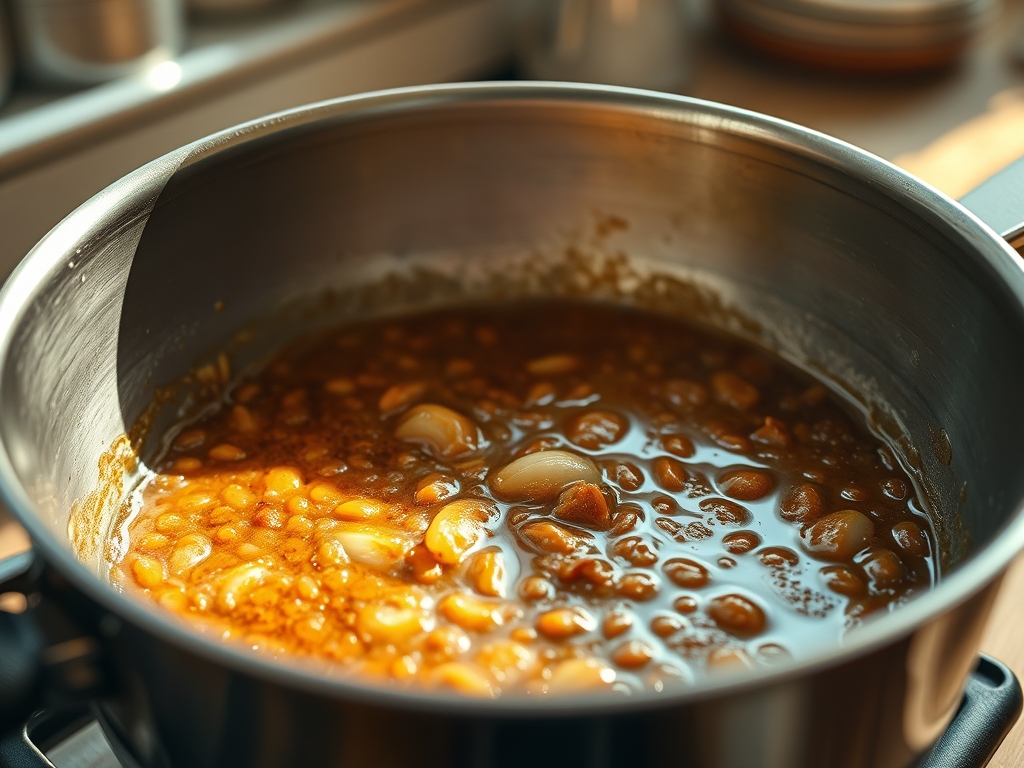
Heat a heavy-bottomed saucier over medium heat with a splash of olive oil. Add the onions and garlic; sautéing until they are translucent and just beginning to caramelize. This is where we infuse the base with depth.
Pro Tip: Use a bench scraper to move your aromatics from the cutting board to the pan cleanly. The science here is the Maillard reaction; which creates complex flavor compounds that lentils lack on their own.
2. The Pulse and Texture Phase
Transfer half of your cooked lentils to a food processor. Pulse five times until a thick paste forms. Combine this paste with the whole lentils in a large mixing bowl.
Pro Tip: Do not over-process. We need the whole lentils to provide "bite" and the paste to act as a biological cement. Using a digital scale ensures your ratio of whole to mashed legumes remains consistent every time.
3. The Emulsion and Binding
Whisk the eggs (or flax substitute); soy sauce; tomato paste; and spices in a separate bowl until fully combined. Pour this liquid over the lentil and walnut mixture. Fold in the breadcrumbs slowly.
Pro Tip: Allow the mixture to rest for ten minutes before pan-loading. This allows the dry breadcrumbs to fully hydrate; ensuring the loaf doesn't crack during the thermal expansion of the baking process.
4. The Loading and Compression
Line a loaf pan with parchment paper. Transfer the mixture into the pan and use the back of a large spoon to press down firmly. You are seeking to eliminate air pockets that would cause structural collapse.
Pro Tip: For a professional finish; use a bench scraper to level the top surface. A flat surface ensures even heat distribution and a uniform crust.
5. Thermal Execution
Bake at 190C / 375F for 45 minutes. At the 30-minute mark; apply a glaze of balsamic vinegar and ketchup to the surface to aerate the steam release and add a tangy finish.
Pro Tip: Use an instant-read thermometer to check the internal temperature. You are looking for 74C / 165F. This ensures the proteins in the eggs have fully coagulated to lock in that Lentil Loaf Integrity.
Section B: Prep & Timing Fault-Lines:
Timing is the silent killer of the plant-based loaf. If you attempt to slice the loaf immediately after removal from the oven; it will disintegrate. The internal steam pressure needs to stabilize. A 15-minute "carry-over" rest period is mandatory. If your oven has cold spots; rotate the pan 180 degrees halfway through the bake to prevent one side from becoming dehydrated while the other remains doughy. If you find the mixture is too wet before baking; do not add more flour; instead; add more panko or a tablespoon of ground flaxseed to absorb the excess moisture without changing the flavor profile.
THE VISUAL SPECTRUM
Section C: Thermal & Visual Troubleshooting:
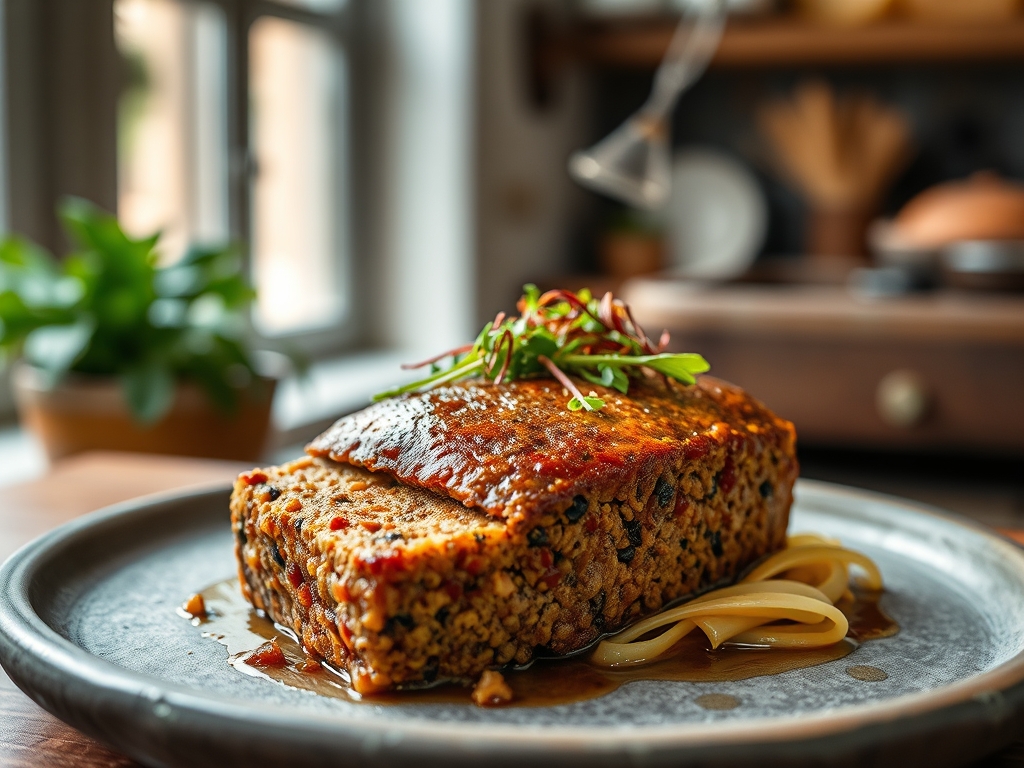
Referencing the Masterclass photo; notice the deep mahogany glaze and the visible chunks of walnut. If your loaf looks pale or "sickly"; your oven temperature is likely too low; or you skipped the tomato paste in the base. A dull; matte finish usually indicates a lack of sugar or acidity in the glaze; deglaze your roasting pan with a bit of apple cider vinegar next time to brighten the colors. If the edges are charred but the center is soft; your pan is too dark or thin; try using a ceramic dish for more even heat absorption. The visual goal is a "rugged" texture; not a smooth block; which indicates a perfect balance of whole and processed ingredients.
THE DEEP DIVE
Macro Nutrition Profile:
A standard slice (approx 125g) provides 18g of Protein; 32g of Complex Carbohydrates; and 9g of Fiber. It is a nutrient-dense powerhouse that provides sustained energy release without the saturated fat found in bovine-based loaves.
Dietary Swaps:
For a Vegan Protocol; utilize a "flax egg" (1 tbsp ground flax + 3 tbsp water). For a Gluten-Free Audit; replace panko with certified GF breadcrumbs or toasted almond meal. To move toward a Keto-Adjacent model; swap lentils for finely chopped mushrooms and walnuts; though structural integrity will be significantly more difficult to maintain.
Meal Prep & Reheating Science:
To maintain the molecular structure during reheating; avoid the microwave. The rapid agitation of water molecules in a microwave will turn the loaf rubbery. Instead; slice the cold loaf and sear each side in a cast-iron skillet with a touch of butter or oil. This re-activates the Maillard reaction and restores the exterior crunch while heating the center gently.
THE KITCHEN TABLE
Why does my loaf always fall apart?
You likely have too much moisture or insufficient binding agents. Ensure your lentils are dry and you press the mixture firmly into the pan to eliminate structural voids.
Can I use green lentils instead?
Yes; but green lentils hold their shape more firmly than brown lentils. You will need to pulse a larger percentage of the mixture to create enough "paste" for binding.
What is the best way to store leftovers?
Wrap the loaf tightly in foil and refrigerate for up to five days. The structure actually improves after 24 hours as the starches retrogress and firm up.
My loaf is dry; how do I fix it?
Increase the vegetable stock by 30ml or add a tablespoon of olive oil to the mix. Ensure you are not over-baking beyond the recommended internal temperature of 74C.