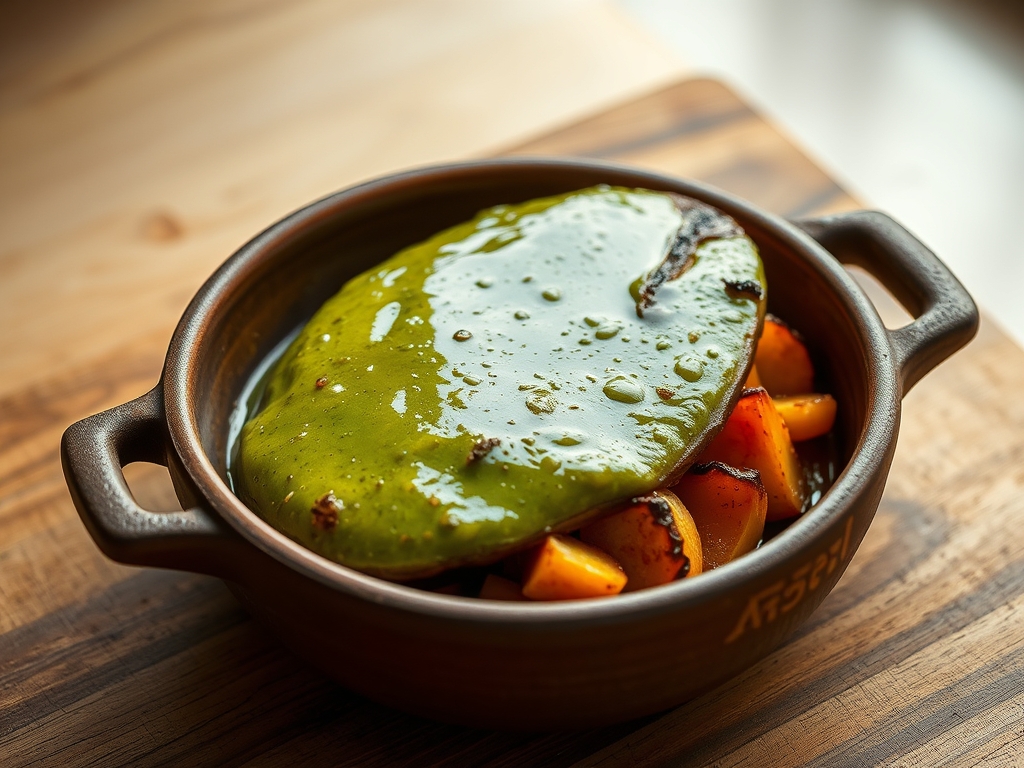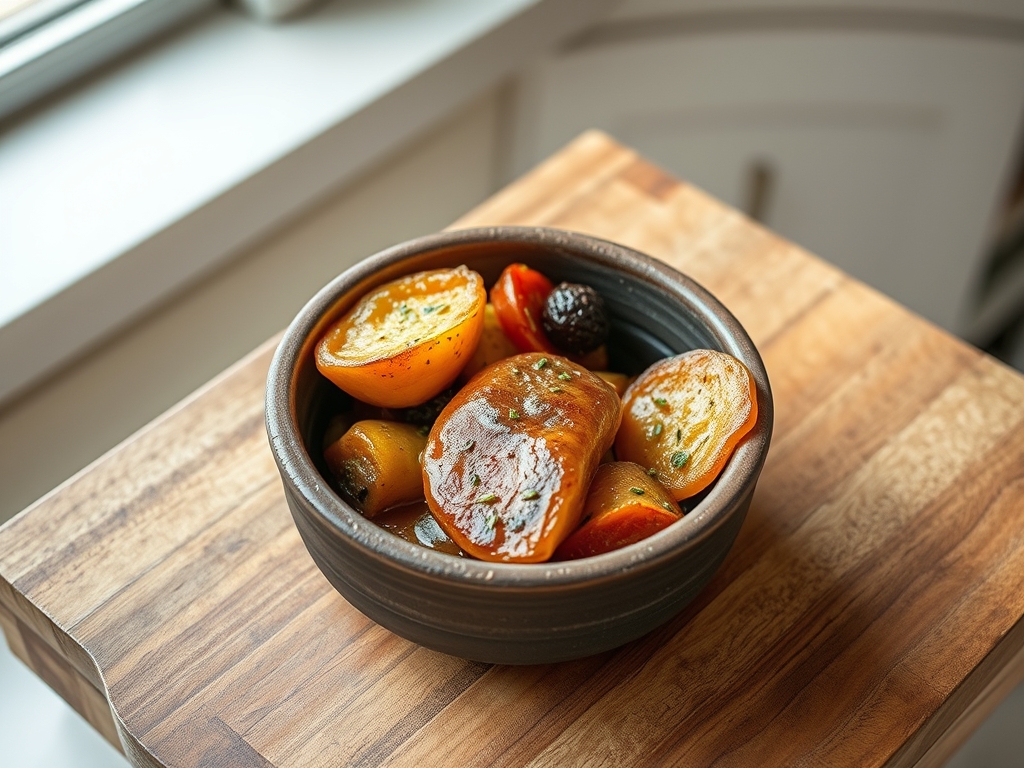
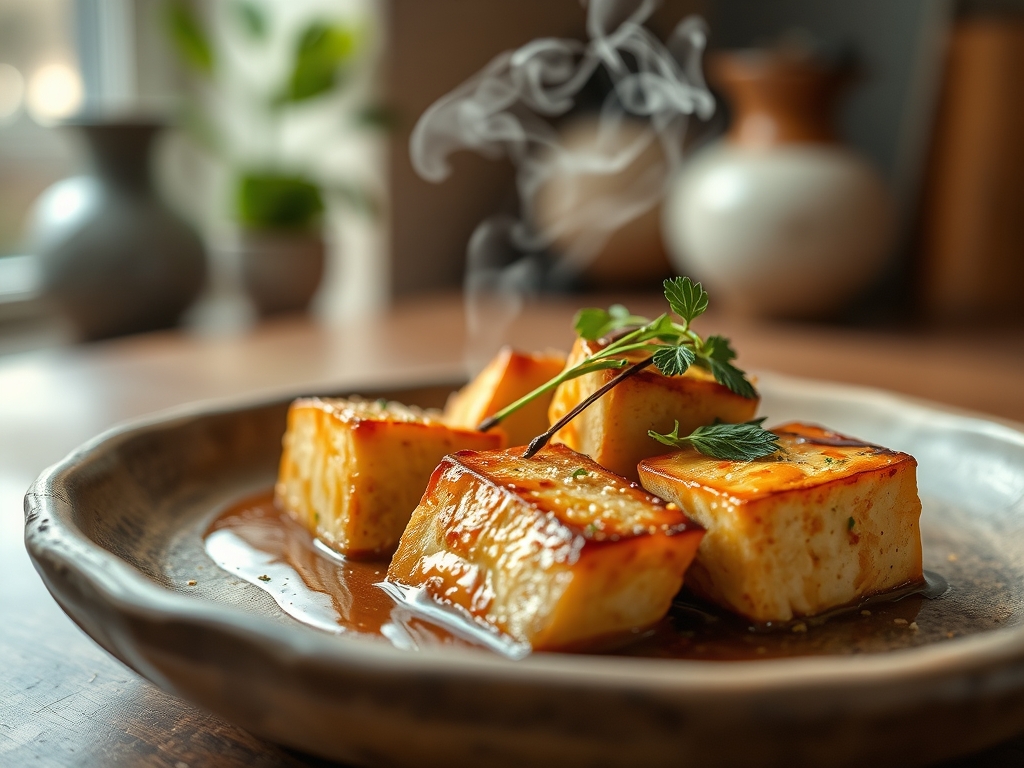
Stop treating your protein as a grocery store commodity and start viewing it as a masterpiece of structural engineering. We are not just making bean curd; we are orchestrating a phase change from a stable liquid suspension to a delicate, protein-dense lattice. This is the domain of Tofu Coagulation Data, where the margin between a silken masterpiece and a grainy disaster is measured in mere milligrams of magnesium chloride. Imagine the scent of toasted soybeans filling your kitchen; a scent that is earthy, nutty, and infinitely promising. When you introduce the nigari, you are initiating a chemical coup d'etat. The proteins, once content to float in their watery void, suddenly find themselves pulled together by ionic forces. They clumping into clouds of white gold while the amber whey separates with clinical precision. This is culinary infrastructure at its finest. If you crave the wobbly, custard-like grace of silken tofu or the resilient, steak-mimicking bite of firm tofu, you must master the math behind the magic.
THE DATA MATRIX
| Metric | Specification |
|---|---|
| Prep Time | 12 Hours (Soaking) |
| Execution Time | 45 Minutes |
| Yield | 500g / 1.1 lbs |
| Complexity (1-10) | 7 |
| Estimated Cost per Serving | $0.45 |
THE GATHERS
Ingredient Protocol:
- 500g / 3 cups Dried Organic Soybeans (Non-GMO preferred)
- 2.5L / 10.5 cups Filtered Water (divided)
- 15ml / 1 tbsp Liquid Nigari (Magnesium Chloride solution)
- 5ml / 1 tsp Fine Sea Salt (optional, for flavor stabilization)
Section A: Ingredient Quality Audit:
The primary failure point in tofu production is the age of the soybean. Old beans lose their lipid content and produce a viscous, dull milk that refuses to separate. If your beans look wrinkled or dusty, they will not infuse the water with enough protein to form a strong curd. Fix this by adding a pinch of baking soda to the soaking water to help break down the stubborn cell walls. Furthermore, the mineral content of your water matters. Hard water contains calcium that can pre-coagulate the milk, leading to a gritty texture. Always use filtered water to ensure your Tofu Coagulation Data remains precise and repeatable.
THE MASTERCLASS
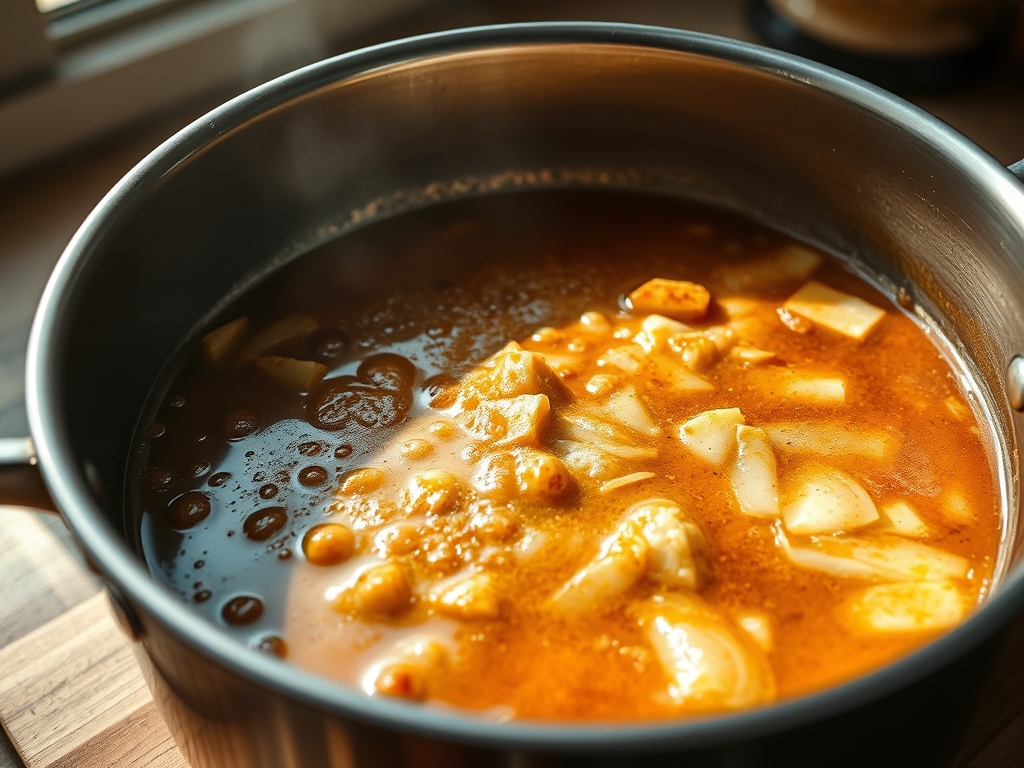
Step-by-Step Execution:
1. The Hydration Phase
Soak your soybeans in triple their volume of water for 12 hours. The beans should split easily and show a uniform, pale interior. Use a digital scale to ensure your dry-to-wet ratio is exact.
Pro Tip: Under-soaked beans will produce a "beany" raw flavor. Ensure the beans have fully doubled in size to allow for maximum protein extraction during the blending phase.
2. The Extraction and Pulverization
Blend the beans with 1.5L of water until the mixture is completely smooth. Transfer the slurry to a heavy-bottomed saucier or stockpot. Add the remaining water and bring to a gentle simmer, stirring constantly with a silicone spatula to prevent scorching.
Pro Tip: Use a high-speed blender to achieve a micron-level particle size. This increases the surface area of the proteins, leading to a higher yield of curds once the coagulant is added.
3. The Filtration Protocol
Strain the hot mixture through a fine-mesh nut milk bag or several layers of cheesecloth into a clean bowl. Use a bench scraper to press the "okara" (soy pulp) against the sides of the strainer to extract every drop of soy milk.
Pro Tip: The milk must be strained while hot to maintain the solubility of the fats. If the milk cools too much, the fats will begin to render out, resulting in a greasy mouthfeel.
4. The Ionic Strike
Heat the strained milk back to exactly 75C (167F). Dilute your nigari in 100ml of warm water. Create a gentle whirlpool in the milk and slowly pour in half of the nigari. Stop the motion with your spoon, then add the rest. Cover and let sit for 15 minutes.
Pro Tip: Temperature is the most critical variable in your Tofu Coagulation Data. If the milk is too hot (above 85C), the curds will be tough and rubbery. If it is too cool, the proteins will not bond, leaving you with a cloudy soup.
5. The Compression Cycle
Line a tofu mold with cheesecloth and ladle the curds into it. For silken tofu, use minimal weight. For firm tofu, place a 1kg weight on top for 20 minutes to expel the whey and consolidate the structure.
Pro Tip: Use a professional-grade tofu press with uniform pressure distribution. Uneven pressing creates "dead zones" in the tofu where the texture remains mushy while the edges become overly dry.
Section B: Prep & Timing Fault-Lines:
Timing is the silent killer. If you wait too long to strain the okara, the milk will over-cook, developing a burnt, sulfurous profile. If you add the nigari too fast, you create "micro-curds" that are too small to trap moisture, resulting in a dry, crumbly product. Use a stopwatch. The moment the nigari hits the liquid, your window for a perfect "break" is less than thirty seconds. Precision is the difference between a professional block and a bowl of soy scraps.
THE VISUAL SPECTRUM
Section C: Thermal & Visual Troubleshooting:
Referencing the Masterclass photo, your curds should look like soft, pillowy clouds floating in a clear, pale-yellow liquid (the whey). If the whey is still milky, your Tofu Coagulation Data is off; you need more coagulant or more heat. If the curds look shattered or jagged, you stirred too vigorously. To fix uneven browning later in the cooking process, ensure the tofu surface is patted bone-dry. Moisture is the enemy of the Maillard reaction. If the tofu looks dull, a quick toss in cornstarch before searing will help it deglaze and develop a golden, shattered-glass crust.
THE DEEP DIVE
Macro Nutrition Profile:
A standard 100g serving of this homemade nigari-set tofu provides approximately 8g of high-quality protein, 4g of healthy fats, and only 2g of carbohydrates. It is an amino-acid powerhouse with zero cholesterol.
Dietary Swaps:
- Vegan: Naturally compliant.
- Keto: High-protein, low-carb nature makes it a staple.
- GF: Ensure your nigari source is certified gluten-free, though it is naturally a mineral salt.
Meal Prep & Reheating Science:
To maintain the molecular structure, store the tofu submerged in filtered water in the refrigerator. Change the water daily to prevent bacterial growth. When reheating, avoid the microwave, which causes the protein lattice to contract and toughen. Instead, gently steam or simmer the tofu in a piquant broth to re-hydrate the proteins and maintain that luxurious, wobbly texture.
THE KITCHEN TABLE
Why is my tofu bitter?
You likely used too much nigari. Nigari is magnesium chloride, which has a naturally sharp, metallic taste. Stick strictly to the Tofu Coagulation Data ratios to ensure the minerals are fully reacted and neutralized within the curd structure.
Can I use lemon juice instead of nigari?
Yes, but the texture will change. Citric acid creates a tighter, more brittle curd compared to the supple, elastic lattice formed by magnesium. The flavor will also have a distinct citrus tang rather than a clean, neutral profile.
My tofu won't hold its shape when frying?
This indicates insufficient pressing or low protein density in your soy milk. Ensure you are using enough beans and pressing the block for at least 20 minutes under a heavy weight to lock the protein fibers together.
How do I get that "silken" restaurant texture?
For silken tofu, do not strain the whey or press the curds. Mix the coagulant directly into the soy milk in its final serving bowl, cover, and steam gently until set like a custard.
Why did my soy milk boil over?
Soy milk contains saponins which act like natural soap, creating a thick foam that expands rapidly when heated. Use a larger pot than you think you need and aerate the surface by stirring to break the bubbles.