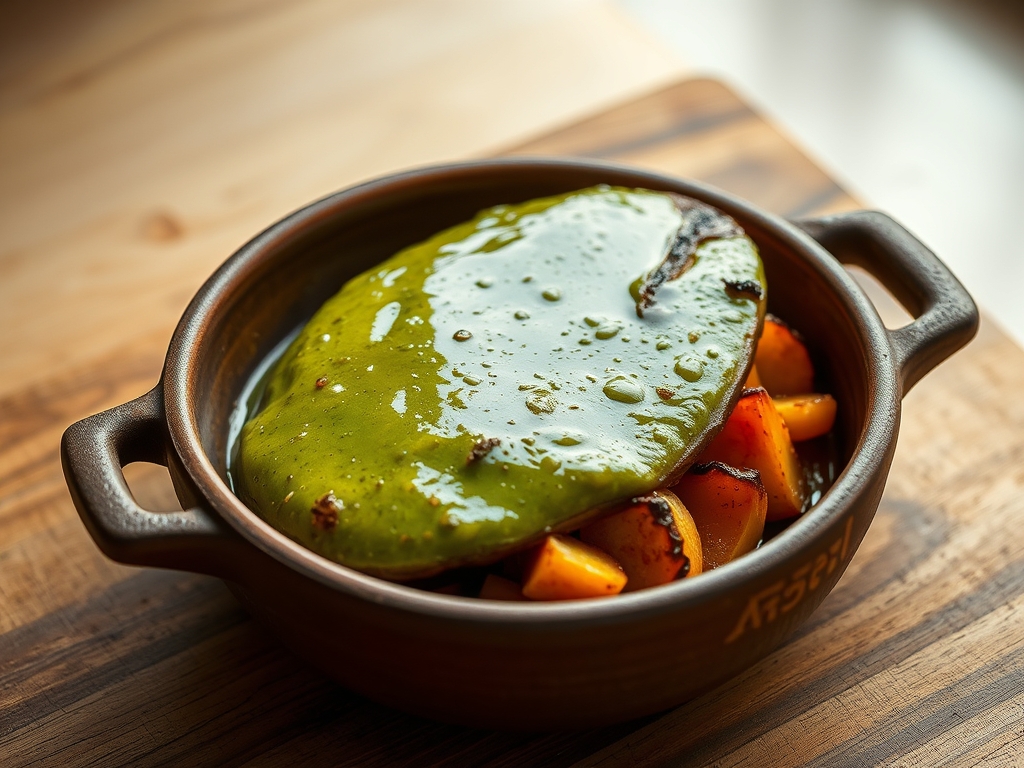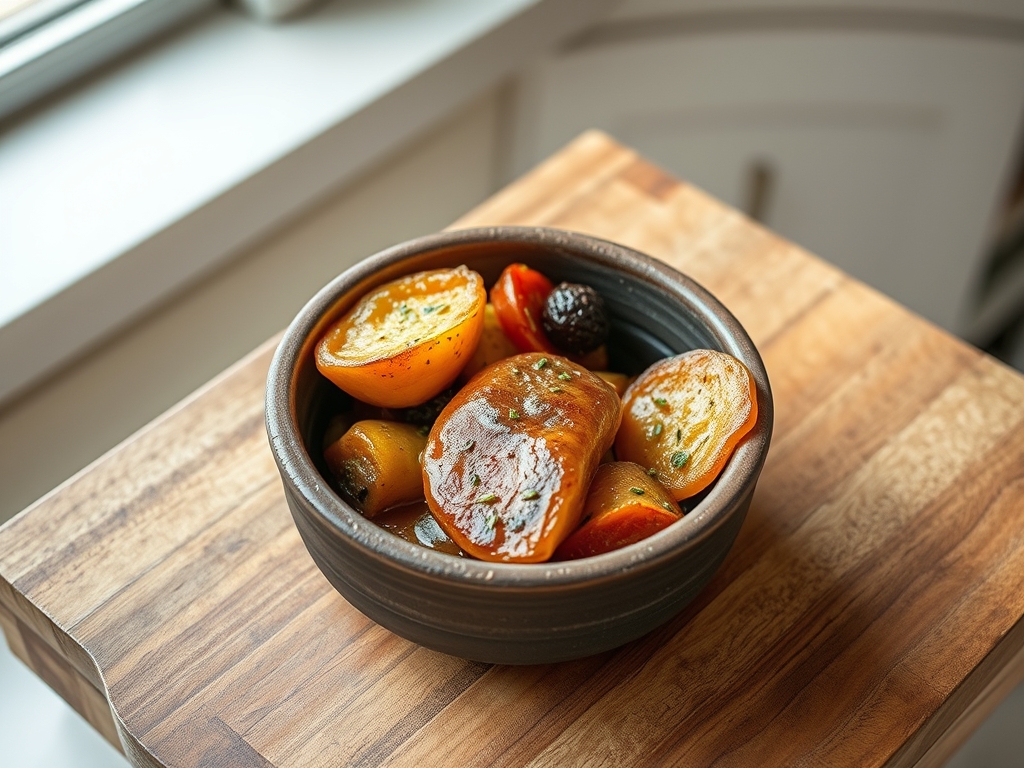
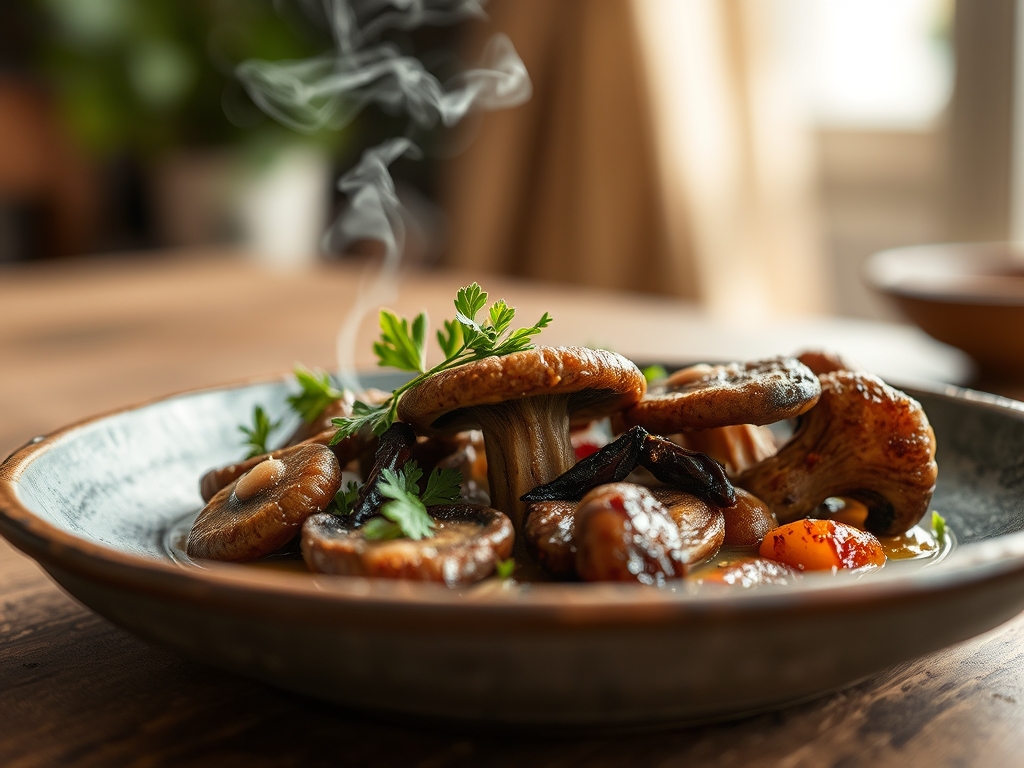
Listen up, flavor architects. We are moving beyond the amateur realm of "tasty" and entering the rigorous domain of molecular saturation. Your kitchen is no longer a room for domestic chores; it is a high-output laboratory where we will execute a comprehensive Mushroom Umami Audit. We are hunting for guanylate, that specific ribonucleotide that acts as a force multiplier for glutamate, creating a synergistic explosion of savory depth. Most home cooks treat fungi like sponges, allowing them to soak up lackluster fats and collapse into a rubbery, grey mess. That ends today. We are going to harness the power of thermal degradation to break down chitin walls and trigger the Maillard reaction. We want a concentrated, viscous essence that coats the palate and lingers like a deep cello note. This is about precision, heat management, and the ruthless pursuit of the fifth taste. If you are ready to stop "cooking" and start auditing your flavor infrastructure, grab your digital scale and prepare for a sensory overhaul.
THE DATA MATRIX
| Metric | Specification |
|---|---|
| Prep Time | 20 Minutes |
| Execution Time | 45 Minutes |
| Yield | 4 Servings |
| Complexity (1-10) | 7 |
| Estimated Cost per Serving | $4.50 USD |
THE GATHERS
Ingredient Protocol:
- Fresh Cremini Mushrooms: 500g / 1.1 lbs (Cleaned and sliced 5mm thick)
- Dried Porcini Mushrooms: 30g / 1 oz (For intense guanylate infusion)
- Unsalted European Butter: 60g / 4 tbsp (High fat content for better emulsification)
- Shallots: 100g / 2 large (Finely minced for aromatic base)
- Dry Sherry: 120ml / 0.5 cup (To deglaze and provide acidity)
- Heavy Cream: 240ml / 1 cup (To create a stable emulsion)
- Fresh Thyme: 5g / 3 sprigs (Stripped)
- Diamond Crystal Kosher Salt: To taste (Crucial for moisture extraction)
- Black Peppercorns: 2g / 1 tsp (Freshly cracked)
Section A: Ingredient Quality Audit:
If your fresh mushrooms feel slimy or have a distinct ammonia scent, your audit has failed before it began. These are signs of bacterial breakdown; discard them immediately. If your dried porcini are mostly dust and stems, you will lack the structural integrity needed for a deep infusion. To fix sub-par dried stock, toast the fragments in a dry pan for 60 seconds before rehydrating to wake up dormant volatile compounds. If your cream breaks or looks grainy, it likely has stabilizers like carrageenan that react poorly to high heat. Always source "heavy" cream with at least 36 percent milkfat to ensure a smooth, viscous finish.
THE MASTERCLASS
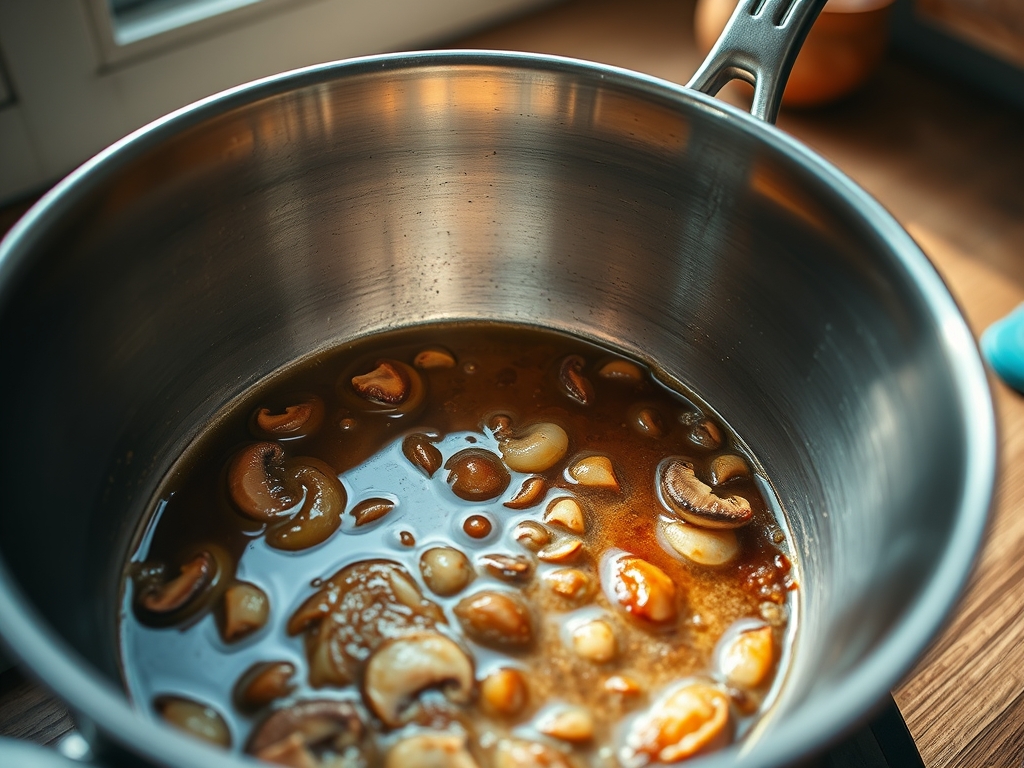
Step 1: The Dry Sear and Chitin Breakdown
Place your sliced cremini mushrooms into a cold, wide-bottomed saucier. Turn the heat to medium-high without adding any fat or oil. As the pan heats, the mushrooms will release their internal moisture. Continue to cook until the liquid evaporates and the mushrooms begin to brown in their own sugars.
Pro Tip: This technique, known as "dry sautéing," allows the chitin cell walls to collapse without the mushrooms absorbing excess fat early on. Use a bench scraper to keep the mushrooms moving and prevent sticking to the bottom of the pan.
Step 2: Fat Integration and Aromatic Infusion
Once the mushrooms are golden and reduced in size, add the butter and minced shallots. Lower the heat to medium. Sauté until the shallots are translucent and the butter begins to foam and smell nutty.
Pro Tip: The foaming butter indicates that water is evaporating, allowing the temperature to rise above 100 degrees Celsius. This is where the Maillard reaction accelerates. Use a digital scale to ensure your butter-to-mushroom ratio is exact for a perfect emulsion.
Step 3: The Sherry Deglaze and Fond Recovery
Pour the dry sherry into the pan. Use a wooden spoon to scrape up all the brown bits (the fond) stuck to the bottom. These bits are concentrated guanylate and glutamate clusters.
Pro Tip: Deglazing is a chemical process where the alcohol and acidity of the wine dissolve the caramelized proteins. This creates a complex flavor base that bridges the gap between the earthy fungi and the rich cream to follow.
Step 4: The Guanylate Infusion
Add the rehydrated porcini (and their strained soaking liquid) along with the fresh thyme. Simmer until the liquid has reduced by half, concentrating the flavors into a piquant syrup.
Pro Tip: Dried mushrooms contain significantly higher concentrations of guanylate than fresh ones. By combining both, you create "umami synergy," where the savory perception is multiplied rather than just added.
Step 5: Final Emulsification and Aeration
Reduce the heat to low and stir in the heavy cream. Simmer gently until the sauce reaches a viscous consistency that coats the back of a spoon. Season with salt and freshly cracked pepper.
Pro Tip: Do not let the sauce reach a rolling boil once the cream is added, as this can cause the fat to separate. Use a whisk to gently aerate the sauce just before serving to give it a lighter, more luxurious mouthfeel.
Section B: Prep & Timing Fault-Lines:
The most common failure in this Mushroom Umami Audit is "crowding the pan." If you dump all the mushrooms in at once in a small vessel, they will steam instead of sear, resulting in a rubbery texture and a pale, lackluster flavor. If your timing is off and the shallots burn before the mushrooms brown, the entire batch will turn bitter. If this happens, you must start over; bitterness cannot be "fixed" in a delicate cream sauce. Always maintain a medium-high heat for the initial sear and drop it immediately once the aromatics are introduced.
THE VISUAL SPECTRUM
Section C: Thermal & Visual Troubleshooting:
Look at the Masterclass photo above. Notice the deep, mahogany edges on the mushrooms and the rich, café-au-lait color of the sauce. If your dish looks grey or washed out, you did not allow the dry sear to proceed long enough. If the sauce looks thin and watery, your reduction phase was cut short. A successful audit results in a sauce that is thick enough to hold its shape on a plate but fluid enough to glide. If you see oil droplets floating on the surface, the emulsion has broken. To fix this, whisk in a tablespoon of cold water or a splash of fresh cream over very low heat to re-bind the fats.
THE DEEP DIVE
Macro Nutrition Profile:
This dish is a powerhouse of micronutrients, specifically B-vitamins and selenium. Per serving, expect approximately 280 calories, 22g of fat, 12g of carbohydrates, and 6g of protein. The high fat content is intentional to carry the fat-soluble flavor compounds of the fungi.
Dietary Swaps:
- Vegan: Replace butter with a high-quality vegan buttery spread and use full-fat coconut milk or a cashew-based cream.
- Keto: This dish is naturally keto-friendly; ensure your sherry is bone-dry to minimize residual sugars.
- GF: Naturally gluten-free, but always verify your sherry and spices are processed in a gluten-free facility.
Meal Prep & Reheating Science:
To maintain the molecular structure when reheating, avoid the microwave. The uneven agitation of water molecules will break the emulsion. Instead, reheat in a small saucepan over low heat, adding a teaspoon of water or milk to loosen the proteins and restore the original viscosity.
THE KITCHEN TABLE
Why are my mushrooms rubbery?
You likely skipped the dry sear. Mushrooms are 90 percent water. If you don't cook that water out before adding fat, they boil in their own juices, resulting in a tough, rubbery texture instead of a tender, meaty bite.
Can I use white wine instead of sherry?
Yes, but the profile will shift. Sherry offers a nutty, oxidized depth that complements the earthiness of the fungi. A dry white wine like Sauvignon Blanc will provide more top-note acidity but less foundational "weight" to the sauce.
Is the porcini soaking liquid necessary?
Absolutely. That liquid is liquid gold, packed with dissolved guanylates. Just ensure you strain it through a fine-mesh sieve or a coffee filter to remove any grit or sand that may have been trapped in the dried mushrooms.
How do I get a deeper brown color?
Patience during the initial sear is key. Do not salt the mushrooms until they have already started to brown. Salt draws out moisture prematurely, which drops the pan temperature and prevents the Maillard reaction from occurring effectively.