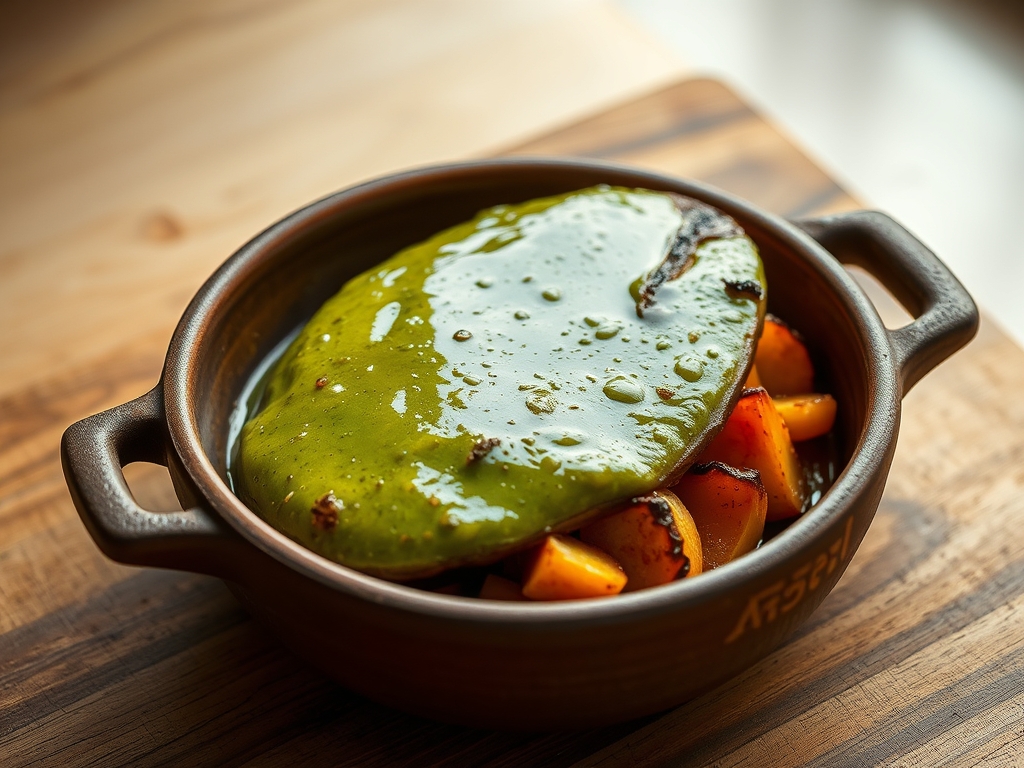
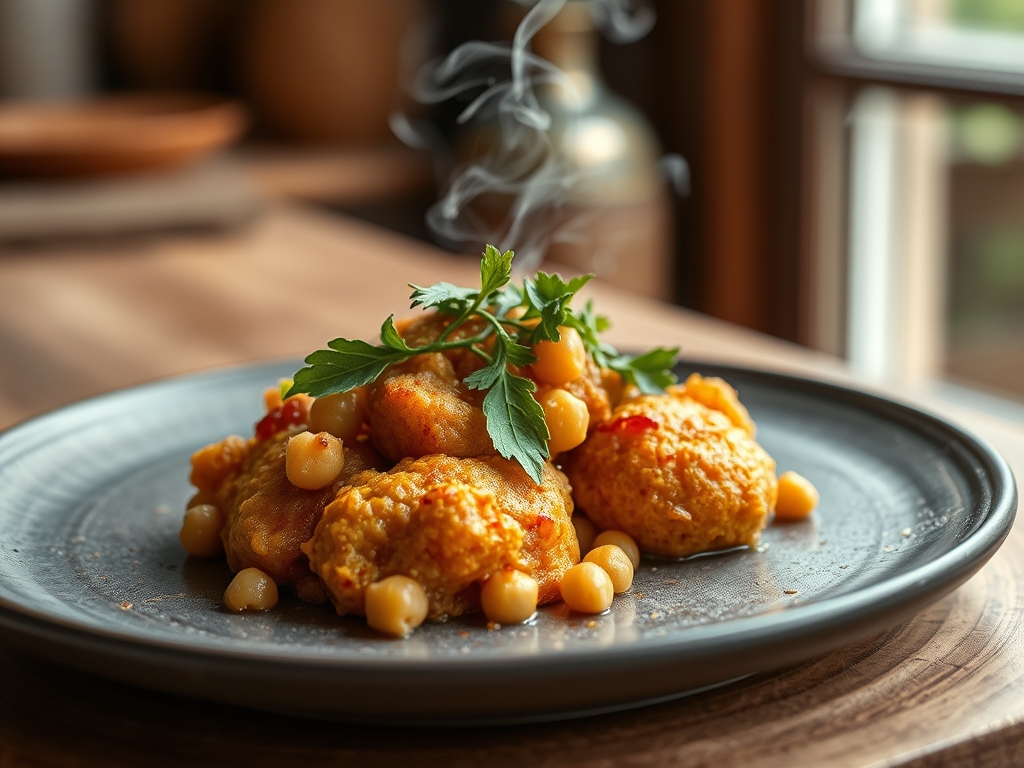
Listen up, kitchen operatives. We are moving beyond the realm of basic pancakes and into the high-stakes world of structural legume engineering. If you think a flatbread is just flour and water, you are playing checkers while the rest of the culinary elite are playing 4D chess. We are talking about Socca; the legendary, copper-hued marvel of the French Riviera that demands respect and a deep understanding of Chickpea Flour Tech. This is not a soft, doughy tortilla. It is a high-performance, crispy-edged, custardy-centered masterpiece that relies on the precise hydration of Cicer arietinum proteins. When you hit that scorching cast iron, you are witnessing a violent, beautiful transformation. The water flashes to steam, the olive oil begins to render the edges into a lacy fringe, and the earthy aroma of toasted legumes begins to infuse the air. This is the intersection of ancient tradition and modern molecular physics. We are here to audit your process, eliminate your errors, and ensure your batter reaches its maximum potential.
THE DATA MATRIX
| Metric | Specification |
|---|---|
| Prep Time | 10 Minutes (plus 2-hour hydration window) |
| Execution Time | 15 Minutes |
| Yield | 4 Large Flatbreads |
| Complexity (1-10) | 4 |
| Estimated Cost per Serving | $0.75 USD |
THE GATHERS
Ingredient Protocol:
- 250g / 2 cups Chickpea Flour (Sifted)
- 500ml / 2 cups Filtered Water (Room Temperature)
- 60ml / 4 tbsp Extra Virgin Olive Oil (Divided)
- 10g / 2 tsp Fine Sea Salt
- 5g / 1 tsp Cracked Black Pepper
- 2g / 1/2 tsp Fresh Rosemary (Finely Minced)
Section A: Ingredient Quality Audit:
The most common failure point in Chickpea Flour Tech is the age and storage of the flour itself. If your flour smells metallic or overly bitter, it has oxidized; the lipids in the chickpea have gone rancid. Technical Fix: Always source stone-ground flour from high-turnover suppliers. If the batter remains grainy despite long hydration, your grind size is too coarse. Use a high-speed blender to aerate and further pulverize the dry flour before mixing. If your olive oil lacks a piquant kick, it will fail to balance the earthy base. Use a robust, early-harvest oil to provide the necessary polyphenols for flavor depth.
THE MASTERCLASS
Step-by-Step Execution:
1. The Hydration Phase
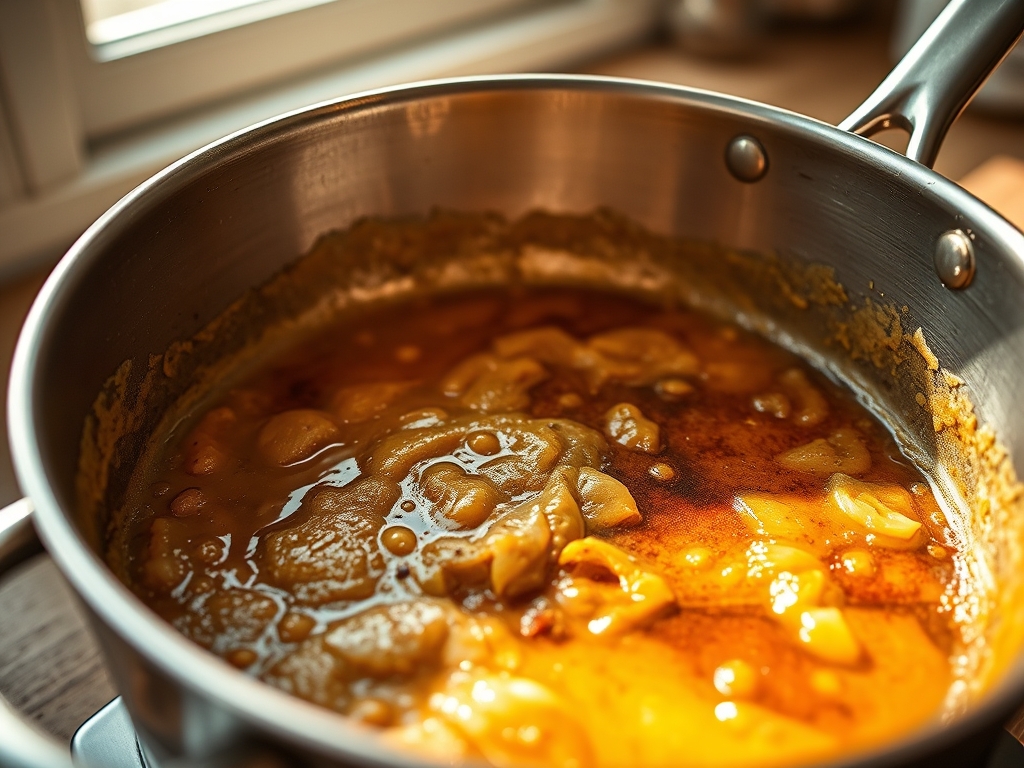
In a large stainless steel saucier, whisk the chickpea flour and salt while slowly streaming in the water. You are aiming for a viscous, heavy-cream consistency. Cover and let the mixture rest for at least two hours.
Pro Tip: This rest period allows the starches to fully swell and the proteins to denature slightly. Skipping this results in a "beany" raw flavor and a brittle texture. Use a digital scale to ensure the 1:2 ratio is exact; volume measurements are for amateurs.
2. The Lipid Integration
Skim any foam from the surface of the batter with a slotted spoon. Whisk in 30ml of the olive oil and the cracked pepper.
Pro Tip: Emulsifying the oil directly into the batter creates a more uniform crumb and prevents the center from becoming unpleasantly rubbery. The oil acts as a localized heat conductor during the bake.
3. The Thermal Saturation
Place a 12-inch cast iron skillet on the highest rack of your oven and preheat to 500F (260C). Once at temperature, switch to the broiler setting for five minutes to saturate the iron with intense thermal energy.
Pro Tip: A digital infrared thermometer should read at least 475F on the pan surface. If the pan is cold, the batter will stick and fail to develop the signature "leopard spotting" on the bottom.
4. The Flash Searing
Using heavy-duty oven mitts, remove the pan. Pour the remaining olive oil into the skillet; it should shimmer and smoke slightly. Immediately pour the batter into the center, swirling to the edges.
Pro Tip: Use a metal bench scraper to quickly clear any drips from the rim of the pan. The goal is a thickness of about 3mm to 5mm. Anything thicker is a cake; anything thinner is a cracker.
5. The Broil Execution
Return the skillet to the top rack under the broiler. Bake for 5 to 8 minutes until the edges are blackened and the top is blistered with dark brown bubbles.
Pro Tip: Rotate the pan 180 degrees halfway through. Watch for the Maillard reaction to peak; you want deep mahogany, not carbonized black.
Section B: Prep & Timing Fault-Lines:
Timing is the silent killer of Socca. If you pour the batter into a pan that has sat on the counter for more than 60 seconds, you lose the "jump" needed for a crisp crust. If your oven recovery time is slow, the middle will remain soggy while the edges burn. Technical Fix: Keep the oven door closed as much as possible. If you are making multiple batches, you must return the empty skillet to the heat for at least 3 minutes between pours to recalibrate the thermal mass.
THE VISUAL SPECTRUM
Section C: Thermal & Visual Troubleshooting:
Observe the Masterclass photo above. Notice the uneven, topographical map of golden-brown and charred spots. This is the visual benchmark.
- Dull, Uniform Yellow: This indicates under-hydration or a low-temperature bake. The sugars did not caramelize. Increase your broiler intensity.
- Centrally Cracked Surface: The batter was too thick or the pan was too small. The steam could not escape horizontally, forcing a vertical rupture.
- Oily Surface Pools: The emulsion broke because the batter was too cold. Ensure your water is at least 70F before mixing.
- Stuck Bottom: You didn't use enough oil or the pan wasn't seasoned. Use a thin offset spatula to gently deglaze the bread from the iron if it resists.
THE DEEP DIVE
Macro Nutrition Profile:
Socca is a nutritional powerhouse. Per serving, you are looking at approximately 280 calories, 12g of plant-based protein, 6g of fiber, and a low glycemic load. It is naturally rich in folate and manganese; making it a superior functional food compared to wheat-based alternatives.
Dietary Swaps:
- Vegan: Naturally compliant. No modifications needed.
- Keto: Chickpeas are higher in carbs, but you can swap 50% of the flour with almond flour to reduce the net carb count, though the structural integrity will decrease.
- GF: Naturally gluten-free. Ensure your flour is certified to avoid cross-contamination.
Meal Prep & Reheating Science:
To maintain the molecular structure, do not microwave. Microwaving agitates water molecules, turning your crisp Socca into a limp sponge. To reheat, place slices in a dry, hot skillet for 2 minutes per side or use an air fryer at 400F for 3 minutes. This restores the crispness of the lipid-saturated edges.
THE KITCHEN TABLE
Why is my Socca gritty?
You likely rushed the hydration phase. The chickpea particles need time to fully absorb the liquid. Aim for a minimum of two hours; or even an overnight soak in the refrigerator for maximum smoothness.
Can I use a non-stick pan?
Negative. Non-stick coatings are not rated for the high-intensity broiler heat required for Chickpea Flour Tech. You risk off-gassing toxic fumes and you will never achieve the necessary sear. Use cast iron or carbon steel.
My Socca is too thin and breaks?
This is a hydration-to-flour ratio error. If your flour is particularly high in fiber, it may require slightly less water. Reduce the water by 10% in your next batch to increase the structural tensile strength.
What are the best aromatics to add?
Cumin and smoked paprika are classic. However, to truly infuse the batter, try adding finely grated lemon zest or a touch of nutritional yeast for a savory, umami-forward profile that complements the nuttiness of the chickpeas.