Listen to that sound. It is the rhythmic, rhythmic hiss of a high speed blender pulverizing cashews into a liquid state that defies the laws of plant biology. Most people look at a block of dairy-free cheddar and see a compromise; I see a structural failure waiting for a solution. We are not just making a snack here. We are engineering a Vegan Cheese Melt that possesses the exact structural integrity and piquant profile of its bovine counterparts. To achieve that iconic stretch and the golden, bubbling crust of a perfect Vegan Cheese Melt, we must master the delicate dance between lipids and starches. We are building a molecular bridge between cashew fats and tapioca hydrates. If you have ever suffered through a gritty, chalky, or watery plant based cheese, your infrastructure was weak. Today, we audit your kitchen protocols and upgrade your culinary hardware. We are going to render these raw materials into a viscous, molten gold that will make even the most hardened dairy traditionalist question their loyalties.
THE DATA MATRIX
| Metric | Specification |
|---|---|
| Prep Time | 15 Minutes (plus soaking) |
| Execution Time | 10 Minutes |
| Yield | 500ml / 2 Cups |
| Complexity (1-10) | 4 |
| Estimated Cost per Serving | $1.15 |
THE GATHERS
Ingredient Protocol:
- 225g / 1.5 cups Raw Cashews (Soaked 4 hours)
- 355ml / 1.5 cups Filtered Water
- 45g / 5 tbsp Tapioca Starch (The Elasticity Engine)
- 15g / 3 tbsp Nutritional Yeast (The Umami Backbone)
- 10ml / 2 tsp Apple Cider Vinegar (The Brightness Agent)
- 5ml / 1 tsp Sea Salt
- 2g / 0.5 tsp Garlic Powder
- 15ml / 1 tbsp Refined Coconut Oil (For the Saturated Fat Snap)
Section A: Ingredient Quality Audit:
The primary failure point in any cashew based emulsion is the raw material. If your cashews smell slightly "paint-like," they have oxidized. Throw them out. Sub-par nuts will yield a bitter, soapy finish that no amount of vinegar can fix. If your tapioca starch is clumping, it has likely absorbed ambient moisture; sift it through a fine-mesh strainer before adding to the blender. For those using hard water, the mineral content can interfere with the starch hydration. Use filtered water to ensure the most neutral canvas for your flavor profile. Finally, ensure your nutritional yeast is fresh. Old "nooch" loses its nutty depth and becomes dusty.
THE MASTERCLASS
Step 1: The High-Shear Pulverization
Place your soaked cashews, water, and flavor aromatics into a high-speed blender. You must aerate this mixture until it is completely smooth. There should be zero grit when rubbed between your thumb and forefinger. Use a digital scale to ensure your ratios are precise to the gram.
Pro Tip: High-speed blenders generate friction heat. Do not let the mixture get too warm yet, or the tapioca starch will begin to hydrate prematurely, creating a "glue" that prevents a smooth emulsion.
Step 2: The Starch Integration
Add the tapioca starch and coconut oil. Pulse for exactly ten seconds. You want to distribute the starch granules evenly throughout the lipid-water matrix without overworking the proteins in the nuts.
Pro Tip: Use a silicone spatula to scrape the sides of the blender jar. Any dry starch left on the walls will create "fish eyes" or translucent lumps in your final Vegan Cheese Melt.
Step 3: Thermal Activation in the Saucier
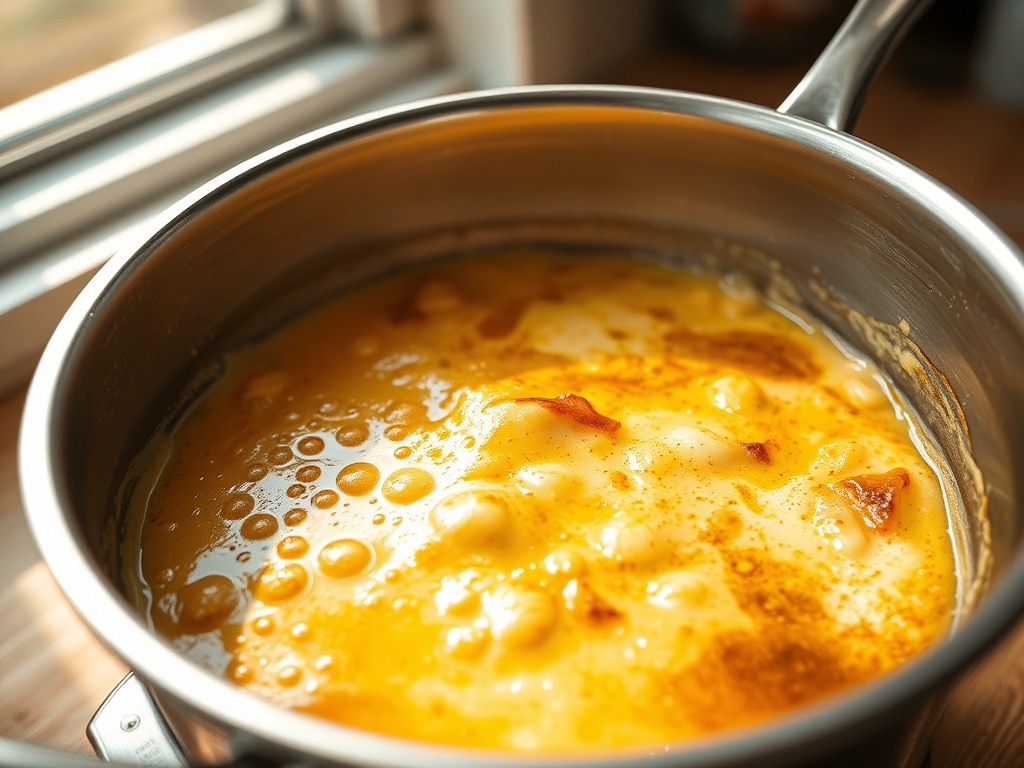
Transfer the liquid to a heavy-bottomed saucier. Set your induction burner or stove to medium-low. Whisk constantly. As the temperature hits 70 degrees Celsius (158 Fahrenheit), the tapioca will begin to gelatinize. The liquid will suddenly turn from a milky soup into a thick, viscous curd.
Pro Tip: A saucier is superior to a saucepan here because its curved walls prevent the cheese from scorching in the corners. Use a balloon whisk to keep the mixture moving and prevent localized overheating.
Step 4: The Gloss Finish
Once the mixture is thick and stretchy, continue to cook for another 60 seconds. This "cooks out" the raw starch flavor and allows the fats to fully emulsify. The cheese should pull away from the sides of the pan in one cohesive, shiny mass.
Pro Tip: If the mixture looks dull, whisk in an extra teaspoon of coconut oil. This adds a "fatty" mouthfeel and a brilliant sheen that mimics the lipid release of melted dairy cheese.
Section B: Prep & Timing Fault-Lines:
The most common human error is impatience. If you do not soak your cashews, you will never achieve the microscopic particle size required for a smooth melt. If you are in a rush, boil the nuts for 15 minutes instead of a 4-hour soak. Another fault-line is the "Heat Spike." If you crank the heat to high to speed up the thickening process, the starch will seize and the oil will separate, leaving you with a broken, greasy mess. Slow and steady wins the emulsification race.
THE VISUAL SPECTRUM
Section C: Thermal & Visual Troubleshooting:
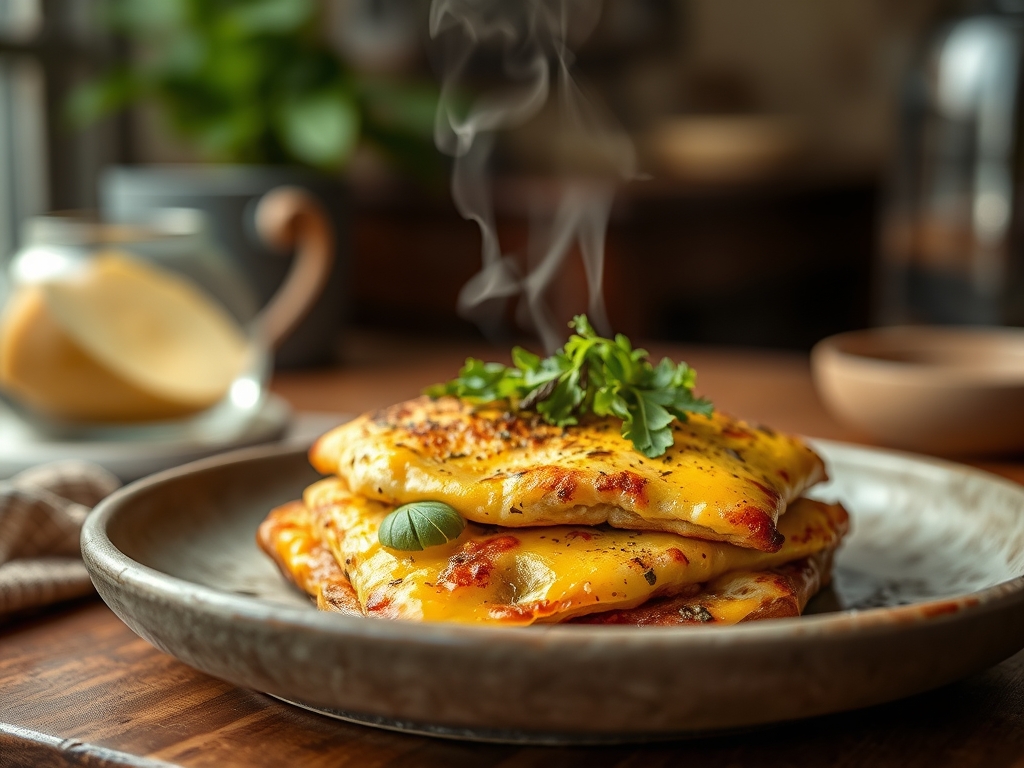
Look at the Masterclass photo above. Notice the "blistering" on the surface and the way the cheese clings to the bread without running off. If your cheese is too runny, you didn't reach the thermal threshold for starch activation; put it back in the saucier. If the color is too pale, a pinch of turmeric or smoked paprika will infuse a golden hue. If you see "beading" of oil on the surface, your emulsion has broken. To fix this, add a splash of warm water and whisk vigorously over low heat to re-incorporate the lipids. The final product should have a slight translucency, indicating the starch is fully hydrated and ready to stretch.
THE DEEP DIVE
Macro Nutrition Profile:
This cashew cheese is a powerhouse of healthy fats and plant-based protein. Per serving (1/4 cup), you are looking at approximately 160 calories, 12g of fat (mostly heart-healthy monounsaturated), 9g of carbohydrates, and 5g of protein. It is naturally cholesterol-free, unlike its dairy counterparts.
Dietary Swaps:
- Keto: Replace the tapioca starch with a combination of xanthan gum and konjac flour to reduce the carb count, though you will lose some of the "stretch."
- Nut-Free: Substitute the cashews with sunflower seeds or hulled hemp hearts. Note that hemp will provide a more "earthy" flavor.
- GF: This recipe is naturally gluten-free as written.
Meal Prep & Reheating Science:
To maintain the molecular structure, store the cheese in an airtight container with a piece of parchment paper pressed directly against the surface to prevent a skin from forming. When reheating for a Vegan Cheese Melt, use a low-moisture heat source like a toaster oven or a covered skillet. Avoid the microwave if possible, as it can cause the starch to "weep" water, leading to a rubbery texture.
THE KITCHEN TABLE
Why is my vegan cheese grainy?
Your blender lacked the necessary RPMs or your cashews weren't soaked long enough. To fix, pass the mixture through a fine-mesh chinois or a nut milk bag before cooking to remove large particles.
Can I freeze this cheese?
Yes, but the starch structure will change. Upon thawing, the cheese may appear watery. Re-whisk it in a saucier over low heat to re-bind the emulsion before using it on your next melt.
How do I get it to brown like real cheese?
Brush the top of your Vegan Cheese Melt with a tiny bit of maple syrup or agave mixed with oil. The sugars will undergo the Maillard reaction, creating that charred, savory crust.
What is the best bread for a Vegan Cheese Melt?
A high-moisture sourdough provides the best structural support. The acidity of the bread complements the piquant notes of the cashew cheese, creating a balanced flavor profile.