Forget the chalky, grit-laden powders of the past that tasted like a dusty basement floor; we are entering the era of high-performance molecular architecture. We are not just cooking; we are engineering a structural masterpiece using Pea Protein Isolate as our primary load-bearing material. This is the gold standard of plant-based infrastructure. It is a refined, high-purity extract that boasts a formidable amino acid profile, specifically rich in branched-chain amino acids like leucine, isoleucine, and valine. When hydrated correctly, this isolate transforms from a fine powder into a viscous, silky matrix capable of mimicking the structural integrity of animal proteins without the inflammatory baggage. The energy in the kitchen is palpable as we prepare to manipulate the surface tension of our liquids and the density of our solids. We are looking for that perfect, piquant balance where technical precision meets culinary art. Prepare your digital scales and calibrate your thermometers. We are about to render a dish that is as nutritionally dense as it is aesthetically arresting. Let us begin the audit of your pantry.
THE DATA MATRIX
| Metric | Specification |
|---|---|
| Prep Time | 15 Minutes |
| Execution Time | 25 Minutes |
| Yield | 4 Servings |
| Complexity (1-10) | 7 |
| Estimated Cost per Serving | $3.25 |
THE GATHERS
Ingredient Protocol:
- 120g / 1 cup Pea Protein Isolate (Unflavored, high-purity)
- 475ml / 2 cups Filtered Water or Vegetable Stock
- 30ml / 2 tbsp Extra Virgin Olive Oil
- 15g / 1 tbsp Nutritional Yeast (For umami depth)
- 5g / 1 tsp Xanthan Gum (As a secondary stabilizer)
- 10g / 2 tsp Smoked Paprika (To infuse color and warmth)
- 5g / 1 tsp Sea Salt
- 2g / 0.5 tsp Black Pepper
- 15ml / 1 tbsp Soy Sauce or Liquid Aminos (To deglaze and add nitrogenous depth)
Section A: Ingredient Quality Audit:
If your Pea Protein Isolate smells excessively "earthy" or like raw hay, it has likely undergone oxidation or was processed at too high a temperature. This will result in a bitter finish that no amount of seasoning can fully mask. To fix this, you must aerate the powder by sifting it twice before hydration. If the mixture fails to form a viscous emulsion, your water-to-protein ratio is likely skewed by ambient humidity. Increase the protein concentration by 5 percent increments until the desired "tack" is achieved. Always ensure your spices are fresh; dull, greyish paprika will lead to a visually unappealing, muddy hue in the final product.
THE MASTERCLASS
Step-by-Step Execution:
1. Precision Hydration and Slurry Formation
Begin by weighing your dry ingredients on a high-accuracy digital scale. In a stainless steel mixing bowl, whisk the Pea Protein Isolate with the xanthan gum and spices. Slowly stream in 250ml of your liquid while whisking vigorously to prevent clumping.
Pro Tip: Use a balloon whisk to aerate the slurry. The science here involves breaking the surface tension of the water to allow the hydrophobic regions of the protein to bond with the liquid, creating a stable colloidal suspension.
2. The Emulsification Phase
Add the olive oil and the remaining liquid to the mixture. Use an immersion blender to achieve a perfectly smooth, viscous consistency. The mixture should resemble a thick heavy cream or a loose batter.
Pro Tip: A high-speed immersion blender is the professional tool of choice here. It shears the fat molecules into microscopic droplets, which are then encapsulated by the protein molecules, preventing separation during the heating phase.
3. Thermal Activation in the Saucier
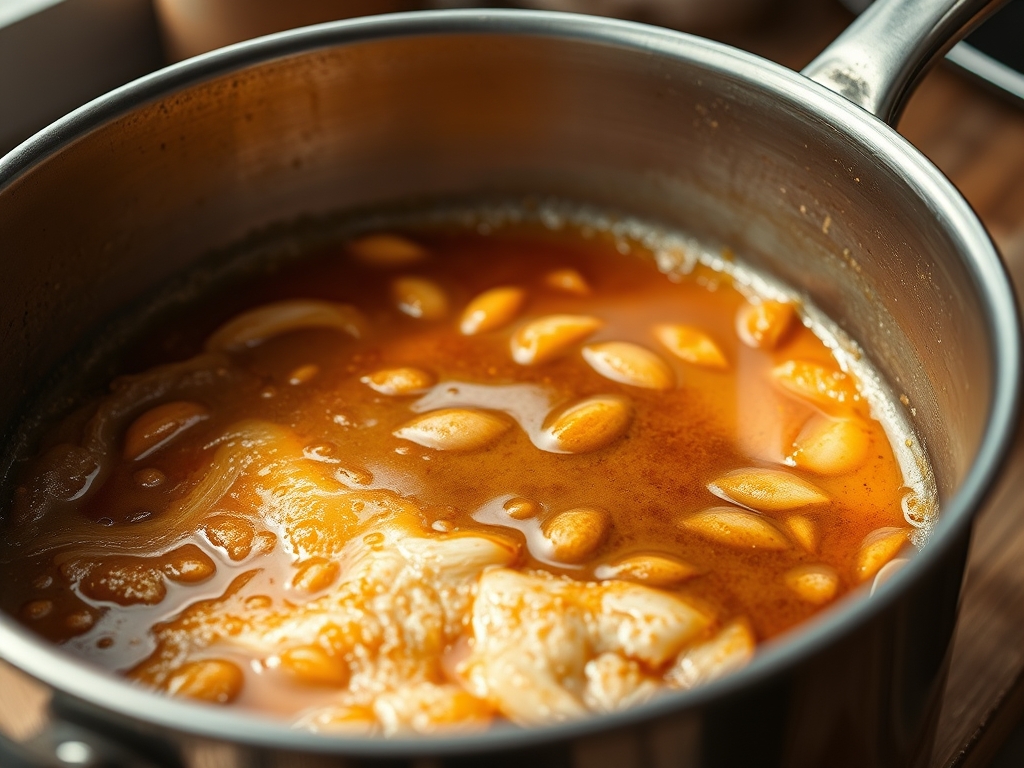
Transfer the mixture to a heavy-bottomed saucier. Heat over medium-low flame, stirring constantly with a silicone spatula. You are looking for the protein to denature and cross-link, which will thicken the mass significantly.
Pro Tip: Constant movement is vital to prevent localized overheating at the base of the pan. The saucier's curved sides allow the spatula to reach every millimeter of surface area, ensuring a uniform thermal gradient throughout the protein matrix.
4. Deglazing and Flavor Integration
As the mixture thickens and begins to pull away from the sides of the pan, add the soy sauce to deglaze any caramelized bits. This adds a "maillard-adjacent" complexity to the flavor profile.
Pro Tip: Use a bench scraper if you are working on a flat-top griddle to flip and compress the protein mass. This mechanical agitation helps develop a "meat-like" fiber structure within the isolate.
Section B: Prep & Timing Fault-Lines:
The most common failure in this protocol is "thermal shock." If you add boiling liquid to the isolate, the proteins will coagulate instantly into rubbery pellets that cannot be smoothed out. Always start with room temperature or cool liquids. Furthermore, if the cooking time is exceeded, the protein will lose its moisture-retention capacity, resulting in a "weeping" effect where water separates from the solid mass. If this occurs, you must immediately remove it from the heat and whisk in a small amount of cold fat to re-emulsify.
THE VISUAL SPECTRUM
Section C: Thermal & Visual Troubleshooting:
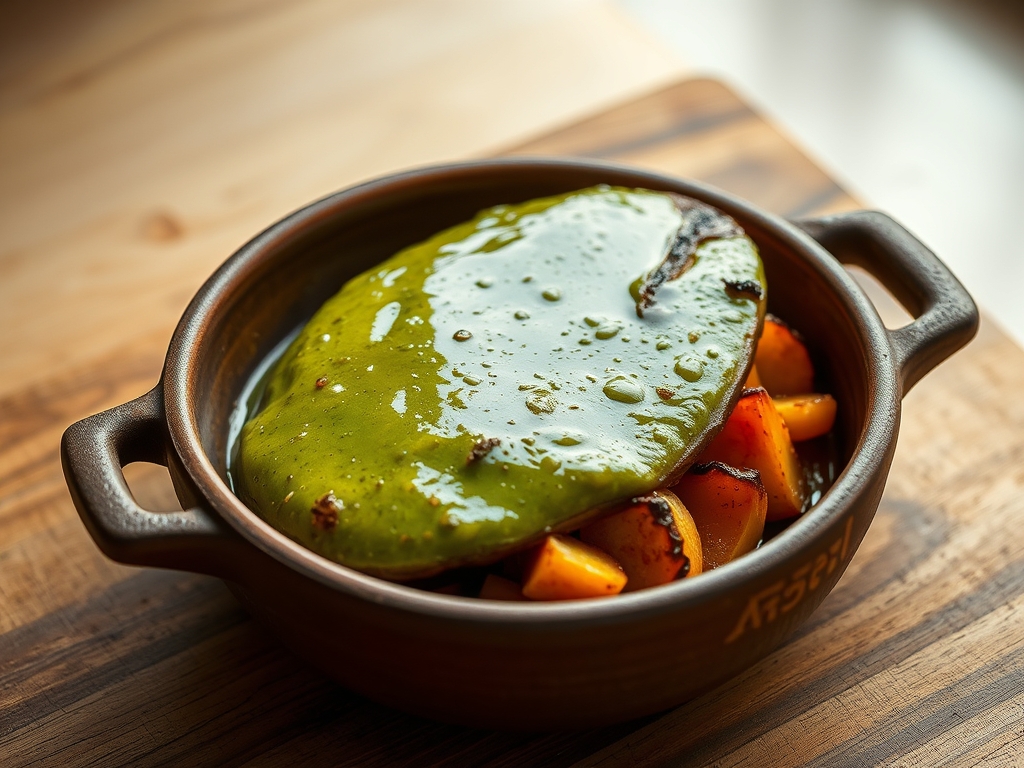
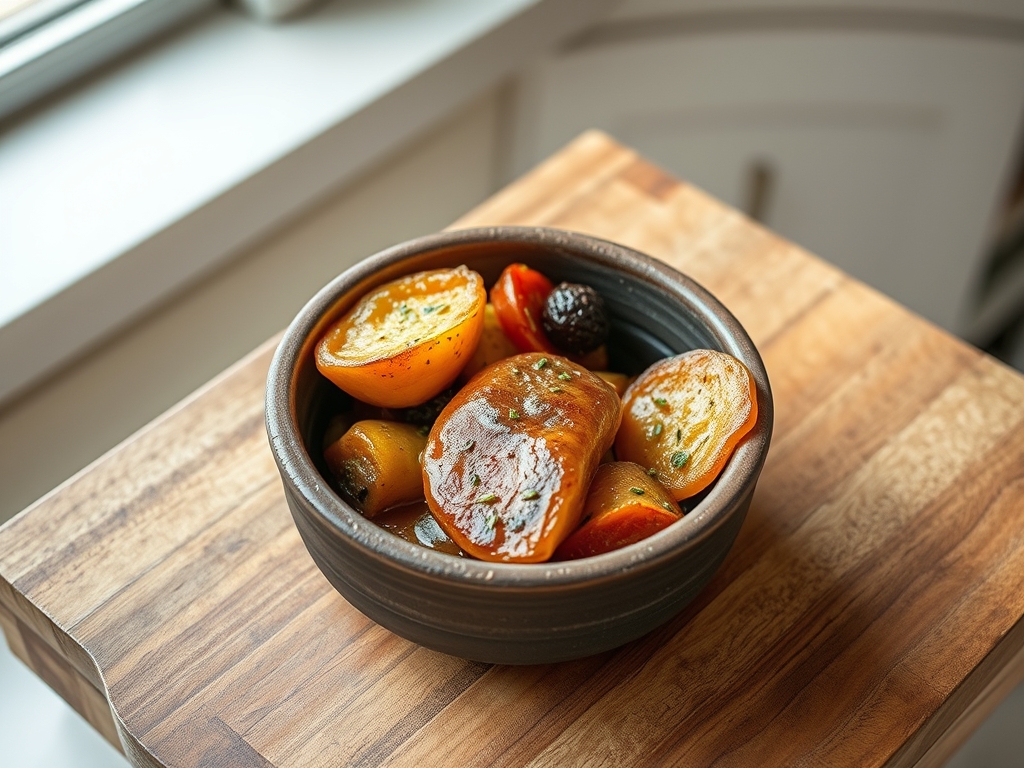
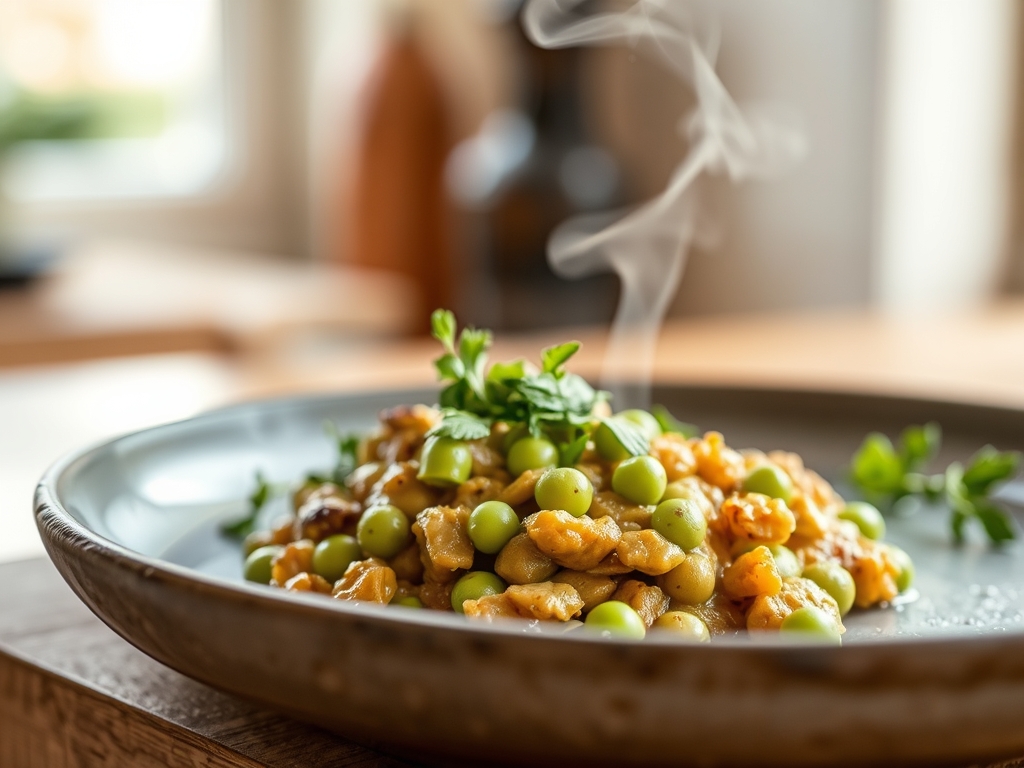
Referencing the masterclass image above, notice the golden-brown exterior and the dense, non-porous interior. If your result looks pale or "spongy," your heat was too low, preventing the surface sugars and proteins from undergoing the Maillard reaction. To fix this, increase the heat during the final two minutes of cooking. If the color is uneven, it indicates poor heat distribution in your cookware. Switch to a heavy cast iron or tri-ply stainless steel pan. If the texture appears "gritty" rather than smooth, the initial hydration phase was rushed. Ensure the powder is fully saturated before the thermal phase begins.
THE DEEP DIVE
Macro Nutrition Profile
A single serving of this Pea Protein Isolate construct provides approximately 25 grams of high-bioavailability protein, 8 grams of healthy fats, and only 3 grams of net carbohydrates. It is a powerhouse of iron and lysine, making it an essential component for muscle recovery and metabolic health.
Dietary Swaps (Vegan/Keto/GF)
This recipe is inherently Vegan and Gluten-Free. To make it strictly Keto, ensure your vegetable stock has zero added sugars and replace the soy sauce with coconut aminos. For an extra fat boost, replace half of the water with full-fat coconut milk to increase the satiety index.
Meal Prep & Reheating Science
To maintain the molecular structure during reheating, avoid the microwave, which can cause "hot spots" that toughen the protein fibers. Instead, reheat in a covered skillet over low heat with a tablespoon of water to create a steam-rich environment. This prevents the protein matrix from dehydrating and becoming brittle.
THE KITCHEN TABLE
How do I remove the "pea" aftertaste?
The "beany" flavor is caused by lipoxygenase enzymes. Using an acid like lemon juice or a fermented product like soy sauce effectively neutralizes these volatile compounds, leaving a clean, savory palate.
Can I use a different protein powder?
Soy or rice protein can work, but they lack the specific gelation properties of Pea Protein Isolate. You would need to adjust the stabilizer ratios significantly to achieve the same structural integrity.
Why is my mixture sticking to the pan?
This indicates a breakdown in the non-stick surface or insufficient fat. Ensure your pan is properly seasoned or use a high-quality silicone spatula to keep the protein in constant motion during thermal activation.
Is it possible to over-mix the batter?
Unlike wheat flour, pea protein contains no gluten, so you cannot "over-work" it in the traditional sense. In fact, more shearing usually leads to a smoother, more professional texture.