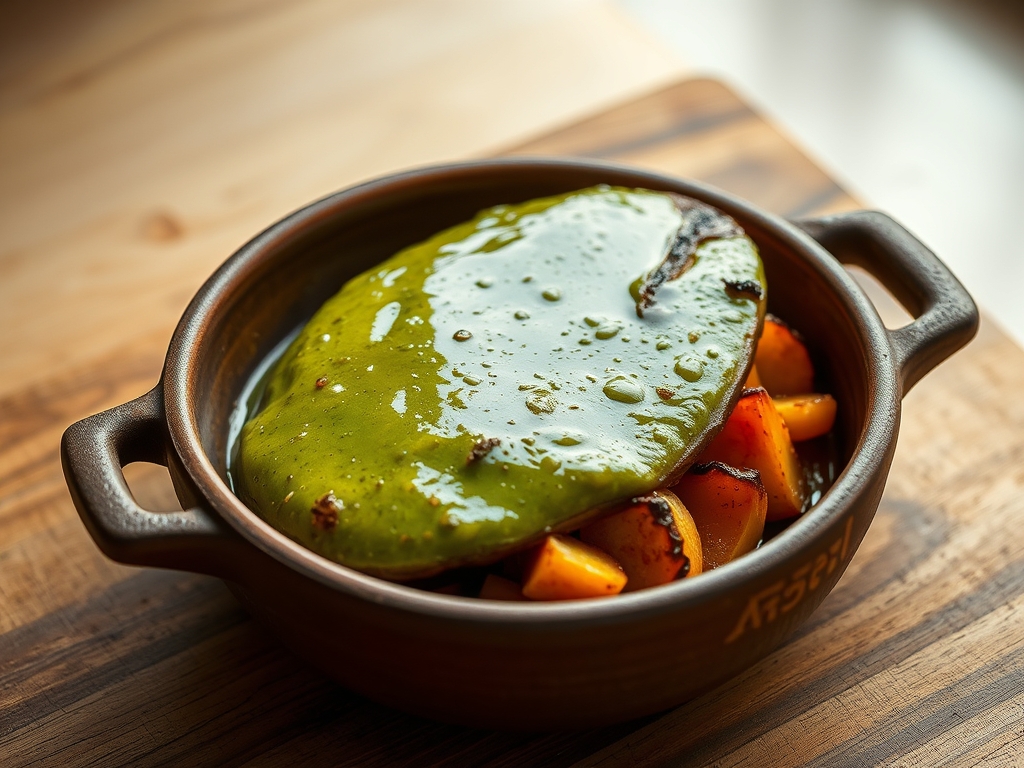
Stop staring at that carton of pale, sulfurous liquid and start thinking like a molecular architect. We are not just making breakfast; we are engineering a protein-dense structural marvel that defies the limitations of the legume. The Mung Bean Scramble is the gold standard of plant-based egg alternatives, but most home cooks treat it like a side dish rather than a high-stakes chemical reaction. When you hit the pan with a properly hydrated mung bean slurry, you are initiating a complex dance of starch gelatinization and protein denaturation. The goal is a curd that is simultaneously viscous and light, capable of holding air while maintaining a rich, fatty mouthfeel that rivals a farm-fresh hen egg. If your current scramble resembles a gritty pancake or a watery mess, your infrastructure is failing. We are here to audit your process, tighten your tolerances, and ensure that every forkful delivers that signature piquant punch of black salt and the buttery glide of a perfect emulsion. Let us get to work.
THE DATA MATRIX
| Metric | Specification |
|---|---|
| Prep Time | 15 Minutes (Plus 8-hour soak) |
| Execution Time | 8 Minutes |
| Yield | 2 Servings |
| Complexity (1-10) | 4 |
| Estimated Cost per Serving | $1.25 |
THE GATHERS
Ingredient Protocol:
- 185g / 1 cup Split Yellow Mung Beans (Moong Dal)
- 120ml / 0.5 cup Unsweetened Soy or Almond Milk
- 15ml / 1 tbsp Nutritional Yeast
- 5g / 1 tsp Kala Namak (Black Salt)
- 2g / 0.5 tsp Turmeric Powder
- 1g / 0.25 tsp Garlic Powder
- 30g / 2 tbsp Vegan Butter or Neutral Oil
- 1g / 0.25 tsp Xanthan Gum (Optional for structural integrity)
Section A: Ingredient Quality Audit:
The primary failure point in a Mung Bean Scramble is the age of the legume. Old beans suffer from "hard-to-cook" syndrome, where the cell walls refuse to break down regardless of soak time. If your batter feels gritty after high-speed blending, your beans are likely past their shelf life. Technical Fix: Add a pinch of baking soda to the soaking water to increase the pH level; this accelerates the breakdown of pectin. Furthermore, ensure your Kala Namak is fresh. The sulfurous aroma that mimics egg yolk is highly volatile and dissipates if the salt is stored in a non-airtight container. If the scent is faint, double the dosage or add it at the very end of the cooking process to preserve the aromatic profile.
THE MASTERCLASS
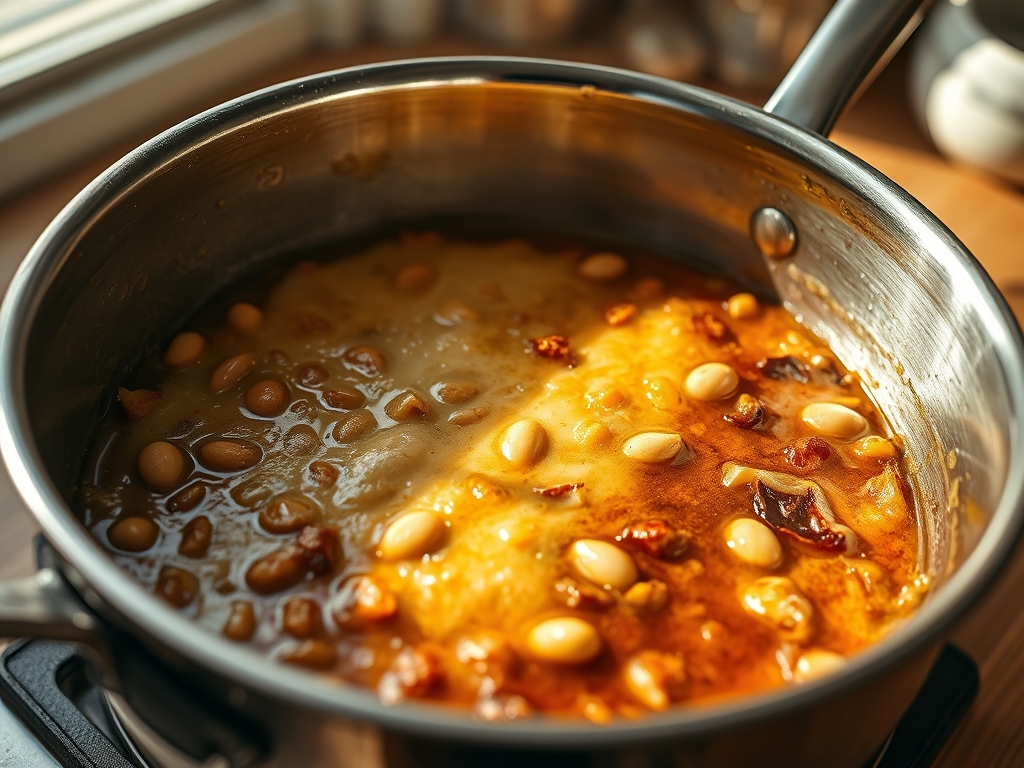
Step-by-Step Execution:
1. Hydration and Filtration
Begin by soaking your split mung beans for at least eight hours. Use a digital scale to ensure the ratio of beans to soaking water is at least one to three. Once hydrated, rinse the beans thoroughly until the water runs clear. This removes excess surface starches that can cause the scramble to become unpleasantly gummy.
Pro Tip: Use a fine-mesh chinois to drain the beans. The science here is simple: excess moisture on the surface of the bean dilutes your milk-to-protein ratio, which will compromise the final viscous texture of the curd.
2. High-Shear Emulsification
Combine the soaked beans, plant milk, nutritional yeast, turmeric, garlic powder, and Kala Namak in a high-speed blender. Process on the highest setting for 60 to 90 seconds. You are looking for a completely smooth, pourable batter with zero grit.
Pro Tip: If using xanthan gum, add it while the blender is running to create a vortex. This hydrocolloid acts as a stabilizer, helping to aerate the mixture and hold the fat from the butter in suspension during the thermal phase.
3. Thermal Initiation
Heat a non-stick saucier or skillet over medium-low heat. Add your vegan butter and allow it to render until it begins to foam but not brown. Pour the mung bean mixture into the center of the pan. Do not touch it for the first 30 seconds to allow the bottom layer to set.
Pro Tip: Use a silicone spatula or a bench scraper to gently lift and fold the mixture from the edges toward the center. This technique creates large, soft curds rather than small, dry pebbles.
4. The Soft Set
Continue to fold the mixture gently. The scramble is done when it still looks slightly wet on the surface. Because of the starch content in mung beans, the mixture will continue to firm up via carry-over cooking once removed from the heat source.
Pro Tip: Professional chefs use the "jiggle test." If the mass moves as one cohesive, soft unit when the pan is shaken, it is ready. Overcooking will cause the proteins to tighten and squeeze out moisture, leading to a "weeping" scramble.
Section B: Prep & Timing Fault-Lines:
Temperature control is the most common human error. If the pan is too hot, the exterior of the mung bean batter will undergo a rapid Maillard reaction and harden before the interior starches have a chance to gelatinize. This results in a "beany" raw flavor. If the pan is too cold, the emulsion will break, and the oil will separate from the protein, leaving you with a greasy mess. Aim for a surface temperature of 300 degrees Fahrenheit (150 Celsius). Use an infrared thermometer to verify your pan's heat before the pour.
THE VISUAL SPECTRUM
Section C: Thermal & Visual Troubleshooting:
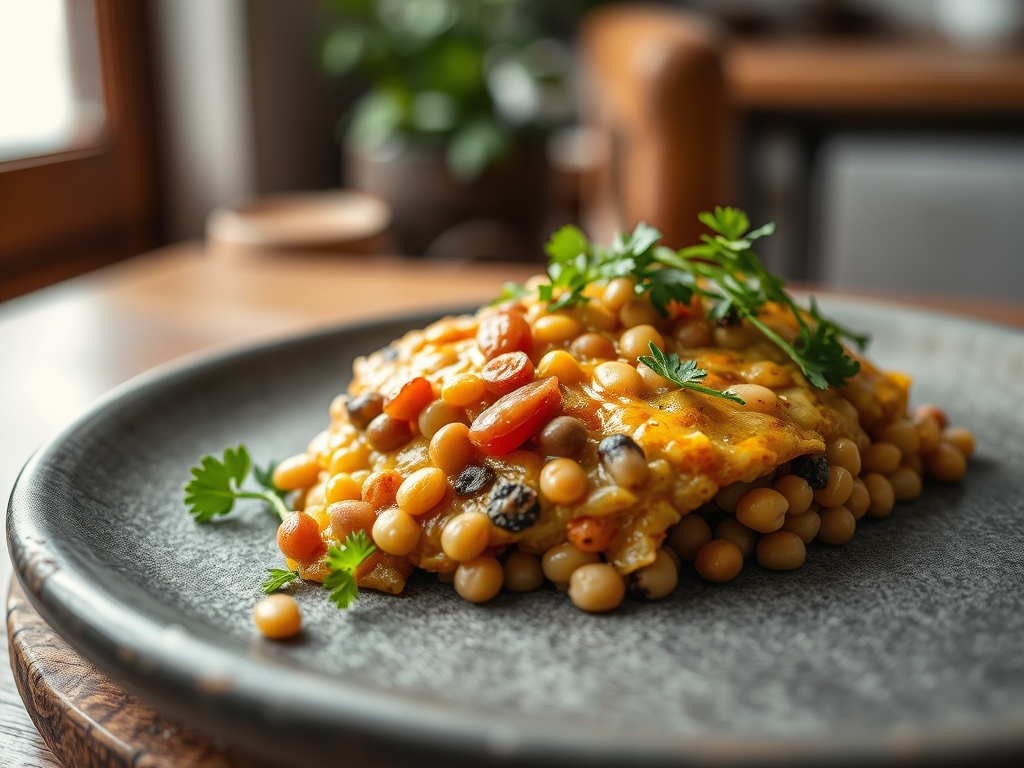
Referencing our Masterclass photo, the ideal Mung Bean Scramble should exhibit a vibrant, golden-yellow hue with soft, pillowy folds. If your scramble appears dull or grey, your turmeric is likely oxidized or you have under-seasoned the batter. If you see brown spots, your heat was too high; you have scorched the sugars in the plant milk. To fix a dry-looking scramble, vigorously whisk in a teaspoon of cold vegan butter or a splash of cream right before serving to infuse the dish with a glossy finish. This "monte au beurre" technique coats the protein fibers and provides a professional sheen.
THE DEEP DIVE
Macro Nutrition Profile:
A standard serving of Mung Bean Scramble provides approximately 12 grams of protein, 4 grams of fiber, and 180 calories (excluding cooking fats). It is a powerhouse of folate and magnesium, making it a superior metabolic fuel compared to processed egg replacements.
Dietary Swaps:
- Vegan: Already compliant.
- Keto: Mung beans contain carbohydrates; to lower the net carb count, replace half the bean volume with crumbled firm tofu.
- GF: Naturally gluten-free, but ensure your black salt and nutritional yeast are certified.
Meal Prep & Reheating Science:
To maintain molecular structure during reheating, do not use a microwave, which agitates water molecules and toughens the starch. Instead, use a steam-induction method. Place the scramble in a pan with a teaspoon of water, cover with a lid, and heat on low. This rehydrates the protein matrix without overcooking the delicate curds.
THE KITCHEN TABLE
Why does my scramble taste like beans?
You likely undercooked the batter or failed to soak the beans long enough. The "beany" flavor is a result of lipoxygenase enzymes that haven't been deactivated by sufficient heat or hydration.
Can I use whole green mung beans?
Technically yes, but the skins will result in a gritty texture and a muddy color. For the refined, egg-like aesthetic shown in our audit, split yellow mung beans are the mandatory structural component.
My scramble is sticking to the pan!
Mung beans are high in starch, making them prone to sticking. Ensure you are using a high-quality non-stick surface and enough fat to create a sliding barrier between the protein and the pan.
Is the black salt really necessary?
Kala Namak contains trace amounts of sulfur. Without it, you are simply eating a savory bean pancake. It is the essential chemical component for achieving a convincing "egg" olfactory profile.