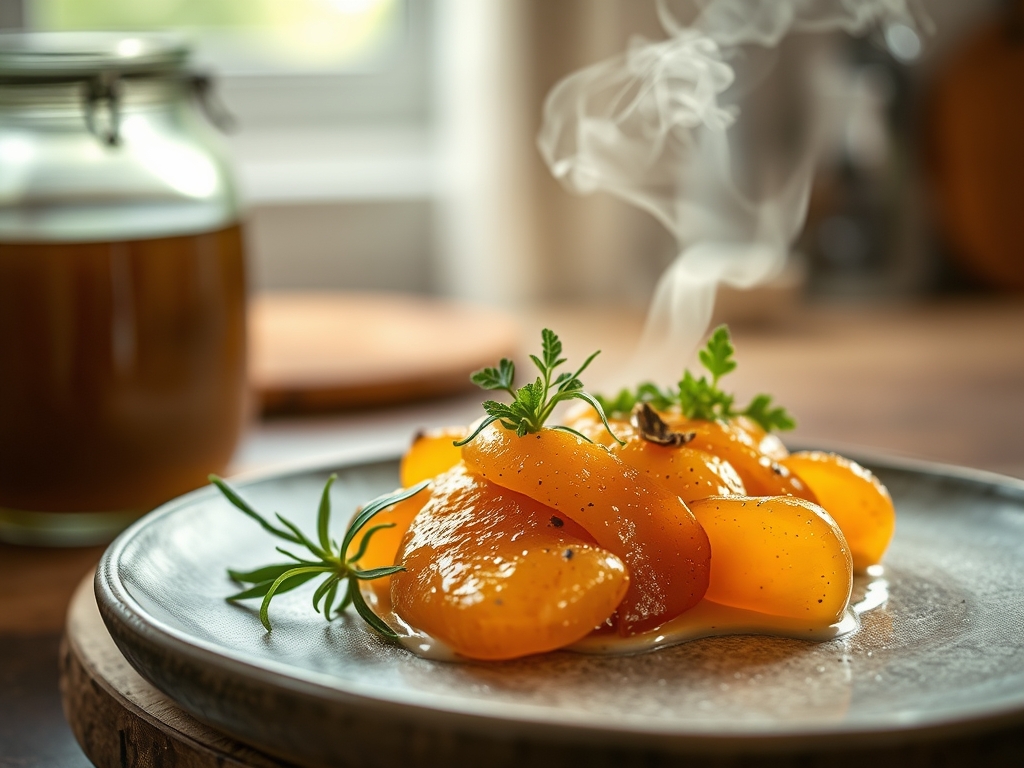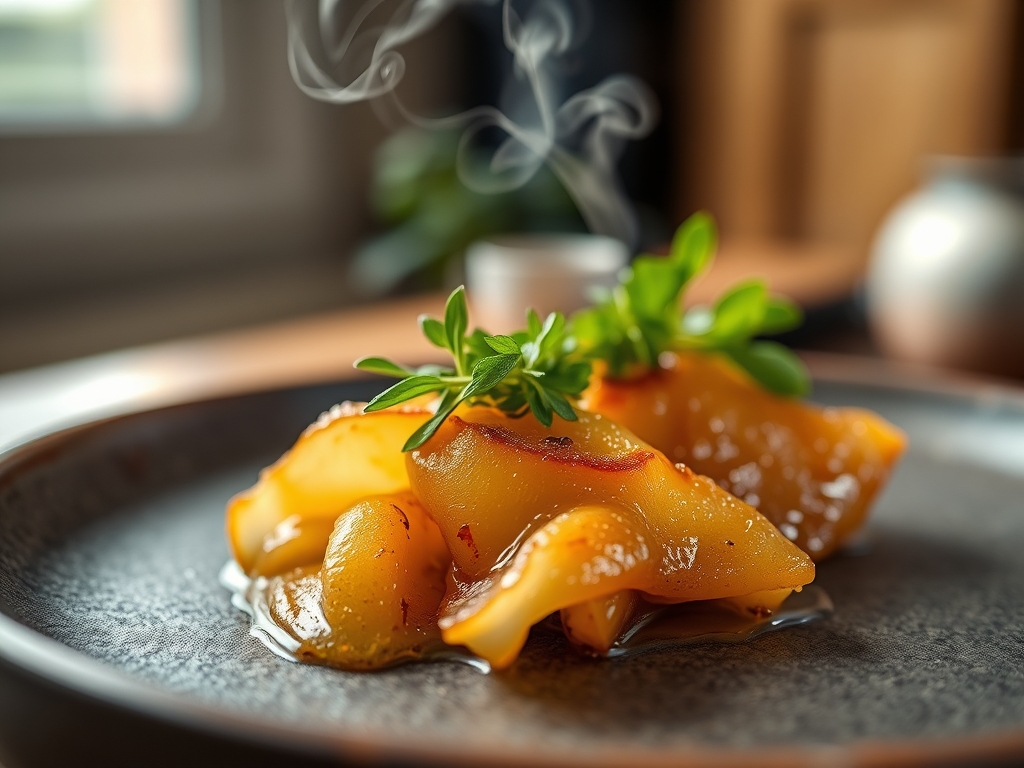
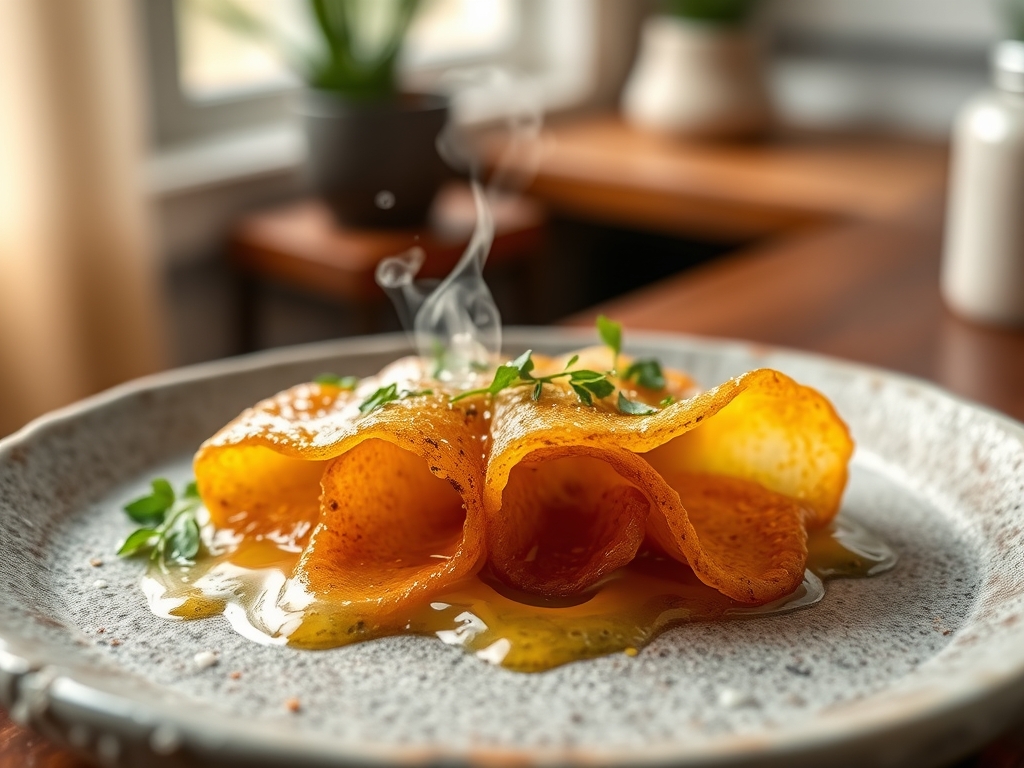
Forget everything you know about those neon-green gels sold in plastic tubes at the local pharmacy. We are entering the realm of high-performance culinary architecture. When you crack open a fresh leaf of Aloe barbadensis miller, you are not just looking at a plant; you are staring at a complex matrix of long-chain acetylated mannose molecules. This is the gold standard of Aloe Vera Hydration. The texture is alien, a shimmering, translucent jelly that vibrates with structural integrity. It is cool to the touch and possesses a clean, vegetal scent that hints at cucumber and melon. In the hands of a technician, this mucilage becomes a versatile canvas for suspension and emulsification. We are going to strip away the bitter aloin, harvest the pristine parenchyma, and transform it into a sophisticated, chilled citrus-infused gel that defies the standard laws of liquid viscosity. Get your scalpels and digital scales ready. We are about to audit the very essence of botanical moisture and turn it into a masterpiece of edible engineering.
THE DATA MATRIX
| Metric | Specification |
|---|---|
| Prep Time | 20 Minutes |
| Execution Time | 45 Minutes (Includes Soaking) |
| Yield | 500ml / 2 Cups |
| Complexity (1-10) | 4 |
| Estimated Cost per Serving | $1.25 |
THE GATHERS
Ingredient Protocol:
- 1 Large Aloe Vera Leaf (Approx. 600g / 1.3 lbs)
- 500ml / 2 Cups Filtered Water (For the aloin purge)
- 120ml / 0.5 Cup Fresh Lime Juice (To stabilize pH)
- 60ml / 4 tbsp Agave Nectar or Honey (To balance the piquant notes)
- 2g / 0.5 tsp Sea Salt (To enhance mineral conductivity)
- 5g / 1 tsp Fresh Mint Leaves (To infuse aromatic top notes)
Section A: Ingredient Quality Audit:
If your aloe leaf arrives limp or displays a reddish-brown hue at the base, the structural integrity of the polysaccharides is compromised. This is often a sign of oxidation or improper storage temperatures. To fix a slightly dehydrated leaf, submerge the base in ice-cold filtered water for thirty minutes to restore turgidity. If the gel inside appears yellow rather than clear, you are dealing with high concentrations of aloin. This requires an extended purge time; otherwise, the final product will be aggressively bitter and may cause digestive distress. Always source organic, thick-cut leaves to ensure a high yield of the inner fillet.
THE MASTERCLASS
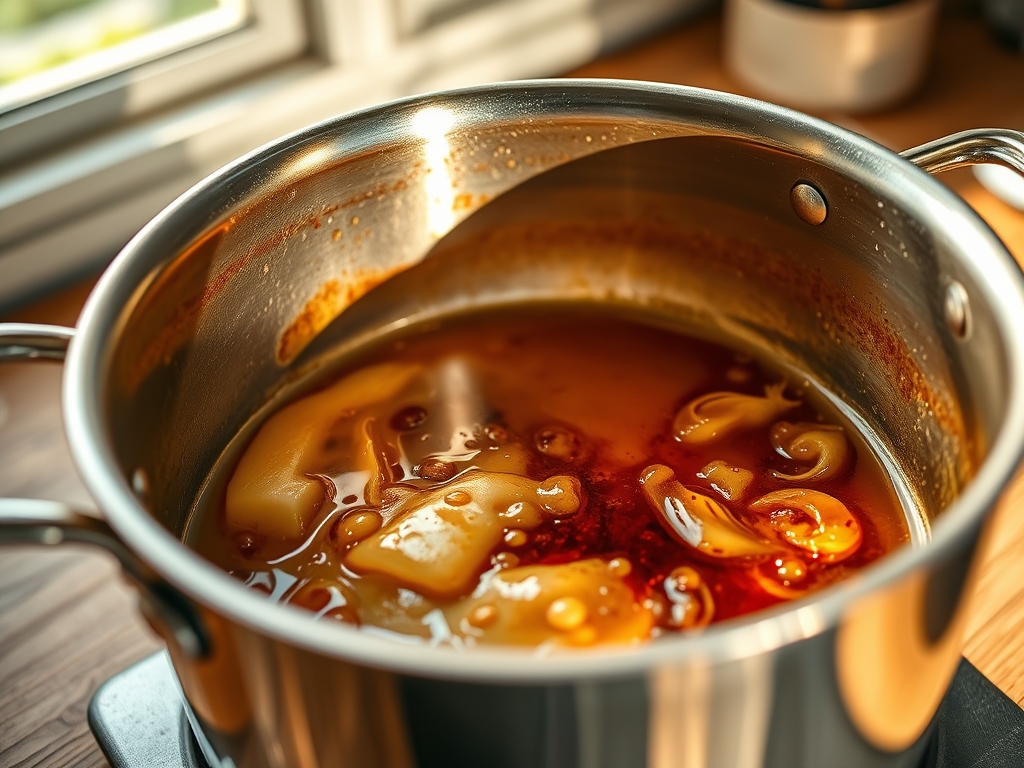
1. The Vertical Purge
Place the aloe leaf upright in a tall glass or saucier for 15 minutes. This allows the yellow sap, known as aloin, to drain out via gravity.
Pro Tip: This is a chemical extraction process. Aloin is a potent laxative and incredibly bitter; by using a digital scale to track the weight of the leaf before and after, you can ensure you have purged at least 5 to 10 grams of this unwanted resin.
2. The Precision Fillet
Lay the leaf flat on a stabilized cutting board. Use a sharp bench scraper or chef's knife to slice off the spiked lateral edges. Carefully slide the blade just beneath the green skin to reveal the clear viscous interior.
Pro Tip: The goal is zero-waste extraction. Use a flexible filleting knife to follow the natural curve of the leaf skin. This preserves the hemicellulose structure which is essential for the mouthfeel of the final gel.
3. The Cold-Water Rinse and Cube
Dice the clear gel into 1cm cubes and immediately submerge them in a bowl of cold, filtered water. Agitate gently to remove any remaining surface residue.
Pro Tip: Cold water keeps the enzymes stable. If the water becomes too cloudy, the gel is leaching its precious nutrients. Keep the temperature below 10 degrees Celsius to maintain the Aloe Vera Hydration profile.
4. The Acidification and Infusion
Transfer the cubes to a high-speed blender. Add the lime juice, agave, and salt. Pulse on low to aerate the mixture slightly without breaking down the long-chain fibers entirely.
Pro Tip: The citric acid in the lime juice acts as a natural preservative. By adjusting the pH to approximately 4.5, you prevent the gel from turning pink or brown through enzymatic browning.
5. The Final Strain and Chill
Pass the mixture through a fine-mesh chinois or cheesecloth into a glass carafe. Refrigerate for at least one hour before serving.
Pro Tip: Use a silicone spatula to press the solids through the mesh. This ensures you capture the most concentrated polysaccharides while discarding any fibrous bypass that would ruin the silky texture.
Section B: Prep & Timing Fault-Lines:
The most common failure in this protocol is rushing the aloin purge. If you skip the 15-minute vertical drain, the bitterness will permeate the entire batch, and no amount of agave can mask it. Temperature control is also vital; if the aloe is exposed to high heat during the blending process, the gel will lose its viscous properties and turn into a thin, watery liquid. Use short pulses on your blender to avoid friction-induced heat.
THE VISUAL SPECTRUM
Section C: Thermal & Visual Troubleshooting:
Referencing the Masterclass photo, your final product should possess a crystalline clarity with small, suspended oxygen bubbles that catch the light. If your gel looks dull or opaque, it likely means the lime juice was not fresh or the blending was too aggressive. If you notice a pink tint, oxidation has begun; you can sometimes "reset" the visual profile by adding a pinch of ascorbic acid (Vitamin C powder). The texture should be thick enough to coat the back of a spoon but fluid enough to pour cleanly without clumping.
THE DEEP DIVE
Macro Nutrition Profile:
A single 100ml serving of this infused gel contains approximately 45 calories, 11g of carbohydrates (mostly from the agave), and 0g of fat. It is a powerhouse of micronutrients, including Vitamin B12, folic acid, and choline.
Dietary Swaps:
- Vegan: Already compliant.
- Keto: Replace agave nectar with liquid monk fruit or erythritol drops.
- GF: Naturally gluten-free.
Meal Prep & Reheating Science:
Aloe gel does not tolerate heat well. Do not attempt to render or boil this mixture, as the heat will denature the complex sugars and destroy the hydration benefits. Store in an airtight glass container for up to five days. If the mixture separates, a quick 5-second shake will re-emulsify the suspension.
THE KITCHEN TABLE
How do I know if the aloin is gone?
The gel should be completely clear and have a neutral, slightly "green" taste. If you feel a harsh tingle on your tongue or taste intense bitterness, rinse the cubes again in cold water before blending.
Can I use a food processor instead?
A food processor is too violent for this delicate structure. It tends to incorporate too much air, leading to a foamy, unappealing froth. A high-speed blender on the lowest setting provides much better control over the final texture.
Why did my gel turn pink after two days?
This is natural oxidation. While it is still safe to consume, the flavor may become slightly more acidic. To prevent this, ensure your storage container is filled to the top to minimize the headspace and oxygen exposure.
What is the best way to serve this?
Serve it as a chilled "shooter" between courses to cleanse the palate, or use it as a base for a high-end botanical cocktail. Its ability to infuse with citrus makes it a perfect companion for gin or sparkling water.