Imagine the sensory overload of a mid-August heatwave. Your palate is screaming for relief, but your physiology demands more than just basic hydration. Enter the architectural marvel of the summer harvest: the watermelon. This is not merely a fruit; it is a pressurized vessel of vascular efficiency. When we discuss Watermelon Citrulline, we are talking about a non-essential amino acid that acts as a potent precursor to nitric oxide. This compound is the secret weapon for vasodilation, ensuring your circulatory system operates like a high-flow industrial pipeline. The goal today is to take this raw biological data and transform it into a refined, chilled elixir. We are not just slicing fruit; we are engineering a bio-available tonic that balances the high-sugar content of the flesh with the nutrient-dense, often ignored white rind. It is sharp, cold, and chemically superior to any neon-colored sports drink. Prepare to optimize your cellular hydration through a calculated application of culinary physics and sharp steel. We are building the ultimate infrastructure for recovery.
THE DATA MATRIX
| Metric | Specification |
|---|---|
| Prep Time | 15 Minutes |
| Execution Time | 5 Minutes |
| Yield | 1.5 Liters / 6 Servings |
| Complexity (1-10) | 3 |
| Estimated Cost per Serving | $0.85 |
THE GATHERS
Ingredient Protocol:
- 1.8 kg / 4 lbs Seedless Watermelon (Cold-stored)
- 30 ml / 2 tbsp Fresh Lime Juice
- 2.5 g / 0.5 tsp Himalayan Pink Salt
- 15 g / 1 tbsp Fresh Mint Leaves (Bruised)
- 5 g / 1 tsp Ginger Root (Microplaned)
- 250 ml / 1 cup Alkaline Water (Optional for dilution)
Section A: Ingredient Quality Audit:
The primary failure point in this build is a mealy, overripe fruit. If the watermelon flesh lacks structural integrity, the viscous quality of the juice will become unpleasably gritty. Check the "field spot" of your melon; it should be a creamy buttery yellow, not white. If the fruit is under-ripe and lacks sweetness, do not reach for refined sugar. Instead, infuse the mixture with a small amount of raw honey or agave to bridge the brix gap. If your lime juice tastes metallic, it is likely due to over-squeezing the pith. Use a hand-press juicer and stop before the skin collapses.
THE MASTERCLASS
1. The Architectural Breakdown
Begin by placing the melon on a stable cutting board. Use a sharpened 8-inch chef knife to remove the polar ends. Stand the melon upright and shave the green skin away, but leave the white rind intact. This white layer is where the highest concentration of Watermelon Citrulline resides.
Pro Tip: Use a digital scale to ensure your ratios are exact. The rind-to-flesh ratio determines the final nitrogen-boosting potency of the beverage.
2. The Micro-Extraction
Cube the melon into 2-inch segments. Place the cubes into a high-speed blender caraffe. Add the microplaned ginger and pink salt. The salt is not just for flavor; it acts as a chemical catalyst to render the sweetness of the fruit more prominent while providing essential electrolytes.
Pro Tip: Avoid over-blending. Use the pulse setting to aerate the mixture without heating the enzymes. Excessive friction from blender blades can degrade the delicate vitamin C content.
3. The Filtration Phase
Pour the blended slurry through a fine-mesh sieve or a chinois into a stainless steel saucier or pitcher. Use a bench scraper or a heavy spoon to press the solids, extracting every drop of the nutrient-dense liquid.
Pro Tip: If you prefer a thicker, smoothie-like consistency, skip the filtration. However, for maximum cellular absorption and a "clean" mouthfeel, a double-strained liquid is the professional standard.
4. The Flavor Stabilization
Stir in the fresh lime juice and the bruised mint leaves. The acidity of the lime stabilizes the color, preventing the vibrant reds from oxidizing into a dull brick hue. Let the mixture sit for five minutes to allow the mint to infuse the liquid.
Pro Tip: Use a thermometer to ensure the liquid stays below 40 degrees Fahrenheit. Heat is the enemy of the refreshing, crisp profile we are targeting.
Section B: Prep & Timing Fault-Lines:
Timing is the silent killer of hydration. If you prep this juice too far in advance, the solids will begin to separate from the liquid, creating a stratified mess. Always stir vigorously before serving to re-emulsify the natural pectins. If your blender begins to smoke or smell of ozone, you are running it too long; the friction will cook the juice, destroying the raw enzymatic benefits of the Watermelon Citrulline.
THE VISUAL SPECTRUM
Section C: Thermal & Visual Troubleshooting:
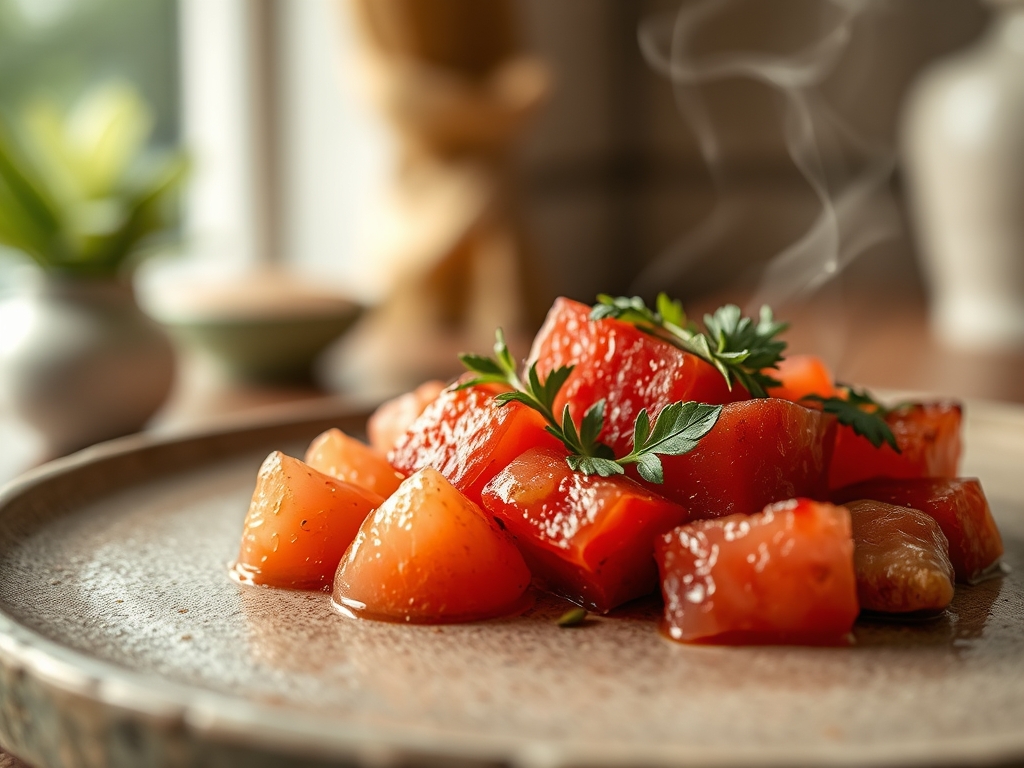
Look at the reference image above. Notice the vibrant, electric pink hue and the lack of visible pulp. If your juice looks cloudy or pale, you likely included too much of the dark green outer skin or failed to strain it properly. If the liquid appears "broken" (with clear water at the bottom and red foam at the top), it needs a high-shear stir. The visual cue for success is a consistent, opaque saturation that clings slightly to the side of the glass. If the mint leaves look brown, they were oxidized by a dull knife; always tear or bruise mint by hand to keep the chlorophyll intact.
THE DEEP DIVE
Macro Nutrition Profile:
Per 250ml serving, this infrastructure provides approximately 45 calories, 0g fat, 11g carbohydrates (9g sugars), and 1g protein. The standout metric is the 1.5g to 2g of L-Citrulline, depending on the rind-to-flesh ratio used during the extraction.
Dietary Swaps:
- Vegan: Naturally compliant.
- Keto: This is high in fructose; to adapt, use only the rind and a small amount of flesh, diluting heavily with sparkling water and adding stevia for sweetness.
- GF: Naturally compliant.
Meal Prep & Reheating Science:
Never reheat this. It is a raw molecular structure. For meal prep, freeze the juice into ice cube trays. This prevents the degradation of the Watermelon Citrulline and allows you to "reconstitute" the drink by blending the cubes later, maintaining a perfect slushie texture without the need for added ice which dilutes the flavor.
THE KITCHEN TABLE
Why use the white rind?
The rind contains significantly higher concentrations of L-Citrulline than the red flesh. By including it in your juice infrastructure, you maximize the nitric oxide precursors, turning a simple snack into a legitimate performance-enhancing beverage.
Can I use a centrifugal juicer?
Yes, but be aware that centrifugal juicers introduce more oxygen into the liquid. This leads to faster oxidation and a shorter shelf life. Drink the result immediately to ensure you are getting the full spectrum of active nutrients.
How long does it last in the fridge?
For peak enzymatic activity, consume within 24 hours. After 48 hours, the flavor profile begins to shift from piquant and fresh to slightly fermented and dull. Always store in an airtight glass container to prevent odor absorption.
Does the salt really matter?
Absolutely. The Himalayan pink salt provides trace minerals and works synergistically with the potassium in the watermelon to regulate fluid balance across cell membranes. It also suppresses bitterness from the rind, making the drink more palatable.