Forget the tepid, watery infusions of your grandmother's garden party. We are entering the realm of high-octane botanical engineering. When you approach the vibrant, crimson world of Hibiscus Tea Acid, you are not just making a beverage; you are managing a volatile chemical reaction of anthocyanins and organic acids. This is the heavy hitter of the herbal world. It carries a piquant punch that rivals the sharpest citrus while offering a deep, tannic structure that grounds the palate. The infusion process is a high-stakes extraction of malic and citric acids, balanced by a floral complexity that can turn a simple syrup into a masterpiece or a bitter, over-extracted disaster. We are looking for that perfect, viscous ruby liquor that stains the soul and electrifies the tongue. If your current brew lacks the aggressive brightness of a professional-grade concentrate, your infrastructure is failing. It is time to audit your extraction methods, calibrate your thermal variables, and harness the raw power of the calyx. Let us dismantle the amateur approach and rebuild your infusion from the molecular level up.
THE DATA MATRIX
| Metric | Specification |
|---|---|
| Prep Time | 10 Minutes |
| Execution Time | 25 Minutes |
| Yield | 1 Liter / 4 Cups |
| Complexity (1-10) | 4 |
| Estimated Cost per Serving | $0.45 |
THE GATHERS
Ingredient Protocol:
- 50g / 1.75 oz Dried Hibiscus Sabdariffa Calyces (Whole)
- 1L / 4.25 cups Filtered Water (Hardness < 50ppm)
- 150g / 0.75 cup Organic Cane Sugar (Optional for Syrup)
- 10g / 2 tsp Fresh Ginger Root (Microplaned)
- 2g / 0.5 tsp Himalayan Pink Salt (Mineral Catalyst)
- 1 Cinnamon Stick (Ceylon variety for subtle aromatics)
Section A: Ingredient Quality Audit:
The primary failure point in any botanical system is the raw material. If your dried hibiscus appears dusty, brown, or lacks a sharp, fruity aroma, it has undergone oxidative degradation. You cannot extract vibrancy from a corpse. Fix: Source whole, deep-purple calyces rather than pre-bagged dust. If your water is too hard, the calcium ions will bond with the Hibiscus Tea Acid, resulting in a cloudy, muted infusion. Always use filtered or distilled water to ensure the anthocyanins remain clear and the pH stays aggressively low. If the ginger feels woody, it will provide heat without the essential oils; choose firm, taut-skinned rhizomes to ensure a bright, spicy top note that cuts through the floral density.
THE MASTERCLASS
Step-by-Step Execution:
1. Thermal Priming and Mineral Balancing
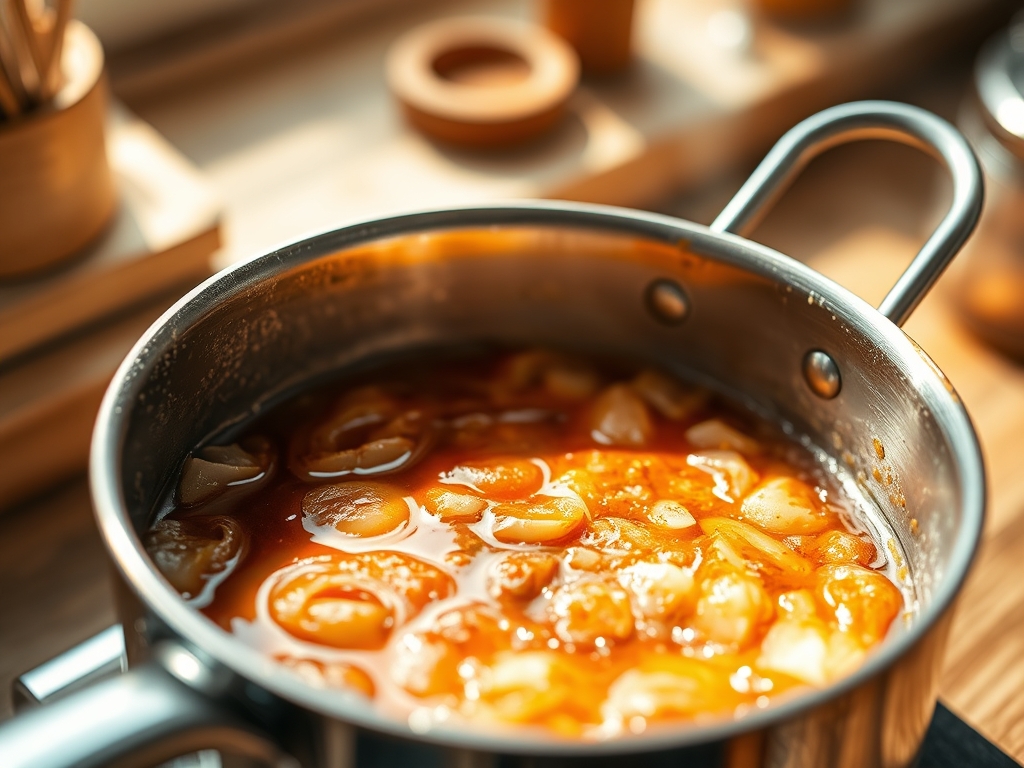
Begin by weighing your water on a digital scale to ensure precision. Place the water in a heavy-bottomed saucier and bring it to a rolling boil. Add the salt and cinnamon. The salt acts as a flavor bridge, suppressing bitterness while amplifying the perception of sweetness and acidity.
Pro Tip: Boiling water facilitates the rapid breakdown of the hibiscus cell walls, but prolonged boiling will render the delicate floral esters inert. Use a digital thermometer to ensure you do not exceed 100C before the botanicals are introduced.
2. The Rapid Infusion Phase
Kill the heat source immediately and introduce the dried hibiscus and microplaned ginger. Use a silicone spatula to submerge all solids. Cover the vessel with a tight-fitting lid to trap the volatile aromatic compounds that would otherwise escape with the steam.
Pro Tip: This is where the Hibiscus Tea Acid is liberated. The infuse duration should be exactly 15 minutes. Any longer and you begin to extract heavy tannins and lignin compounds that create a dry, "furry" mouthfeel.
3. Separation and Filtration
Set up a fine-mesh strainer lined with a double layer of cheesecloth over a glass carafe. Pour the mixture through, allowing gravity to do the work. Do not press the solids with a spoon; this forces particulate matter through the mesh and creates a turbid, cloudy result.
Pro Tip: Using a bench scraper to clean your prep area while the liquid filters keeps your station professional. A clean workspace prevents cross-contamination of flavors, ensuring the Hibiscus Tea Acid remains the singular profile.
4. Brix Calibration and Storage
If creating a syrup, whisk in the cane sugar while the liquid is still above 70C. The heat will allow the sugar to dissolve into a viscous state without requiring further boiling, which preserves the "fresh" acidic profile. Once dissolved, transfer to a sterilized glass bottle.
Pro Tip: Rapidly cooling the concentrate in an ice bath stabilizes the anthocyanins. This thermal shock locks in the "electric ruby" color seen in the masterclass photo, preventing the transition to a dull brick-red.
Section B: Prep & Timing Fault-Lines:
The most common human error is the "steep and forget" syndrome. If you leave the hibiscus in the water for an hour, the acidity will become astringent rather than piquant. Your timing must be surgical. Another fault-line is temperature control during the sugar integration phase. If you add sugar to cold tea, it will not fully incorporate, leading to a grainy texture and inconsistent sweetness. Use your digital scale for every addition; volumetric measurements are for amateurs who enjoy inconsistent results.
THE VISUAL SPECTRUM
Section C: Thermal & Visual Troubleshooting:
Look at the masterclass photo. Notice the clarity of the liquid and the absence of sediment at the bottom of the glass. If your infusion looks muddy or brownish, you likely over-boiled the calyces, causing the pigments to degrade. If the color is pale pink rather than deep blood-red, your water-to-hibiscus ratio is skewed, or your water is too alkaline. A high-quality Hibiscus Tea Acid should have a refractive quality, catching the light like a liquid garnet. If you see "floaters" or cloudiness, your filtration system failed; use a finer grade of cheesecloth or a coffee filter for the final pass to achieve that professional, polished sheen.
THE DEEP DIVE
- Macro Nutrition Profile: Per 250ml serving (unsweetened), expect 0g Fat, 0g Protein, and approximately 1g Carbohydrate. It is an antioxidant powerhouse, loaded with Vitamin C and minerals like magnesium.
- Dietary Swaps (Vegan/Keto/GF): This system is inherently vegan and gluten-free. For a Keto-compliant version, swap the cane sugar for Allulose or Erythritol. Allulose is preferred as it maintains a similar viscous body without the cooling aftertaste of other sweeteners.
- Meal Prep & Reheating Science: This concentrate can be stored in the refrigerator for up to 14 days. To maintain the molecular structure, do not reheat the entire batch. Only heat what you need, and never bring it back to a boil, as this will further concentrate the acids and potentially shift the flavor profile toward the metallic.
THE KITCHEN TABLE
Why is my hibiscus tea bitter?
Bitterness is usually the result of over-extraction or poor-quality water. If you steep longer than 20 minutes, or use water with high mineral content, you extract harsh tannins that mask the natural Hibiscus Tea Acid brightness.
Can I use fresh hibiscus flowers?
Only if they are the Hibiscus Sabdariffa variety. Most ornamental garden hibiscus are not suitable for consumption and lack the concentrated acid profile required for this technical audit. Stick to culinary-grade dried calyces for safety and flavor.
How do I get that deep red color?
The color is pH-dependent. The more acidic the environment, the more vibrant the red. Ensure your water is filtered and consider adding a squeeze of lime juice post-infusion to further drop the pH and make the anthocyanins "pop."
What is the best way to store the concentrate?
Store in an airtight glass container in the coldest part of your refrigerator. Avoid plastic, as the high acidity can react with certain polymers over time, and the intense pigments will permanently stain the vessel.
Can I freeze this into ice cubes?
Absolutely. Freezing Hibiscus Tea Acid into cubes is an excellent way to chill drinks without dilution. The molecular structure remains stable during the freezing process, preserving both the piquant flavor and the intense visual spectrum.