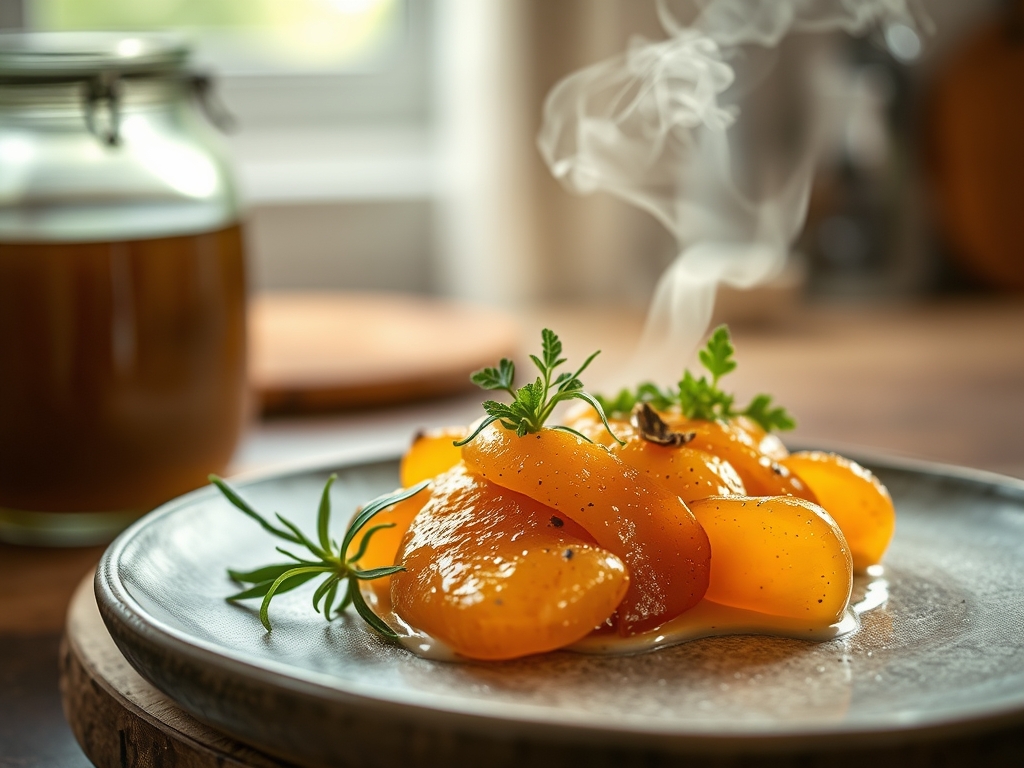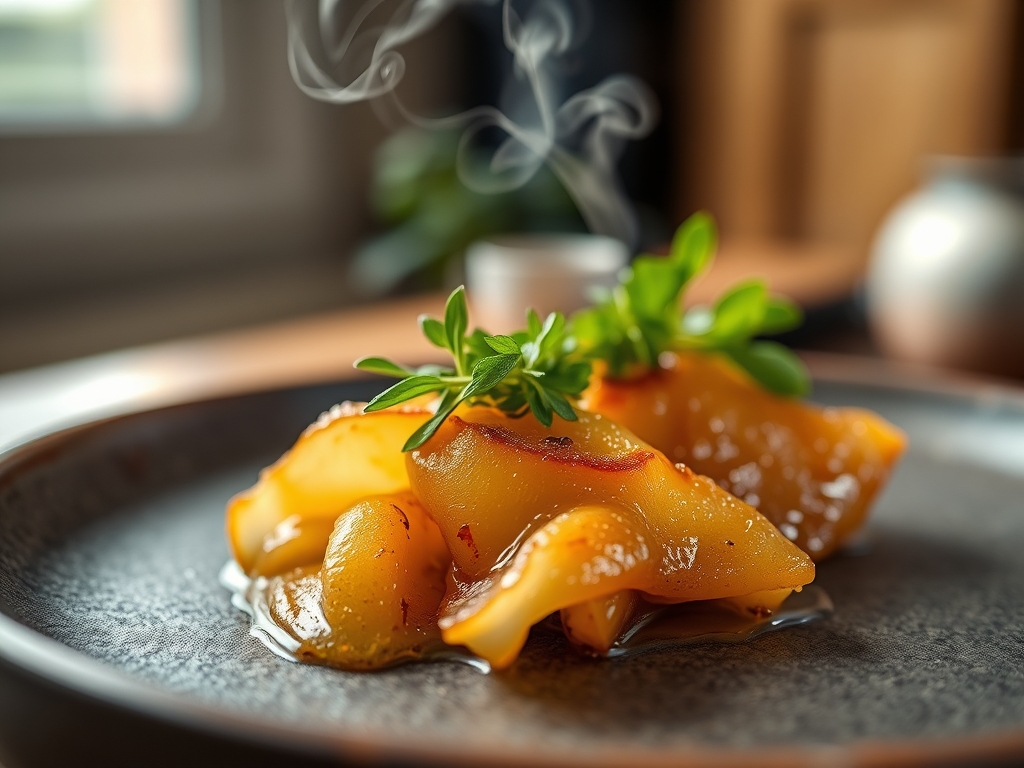
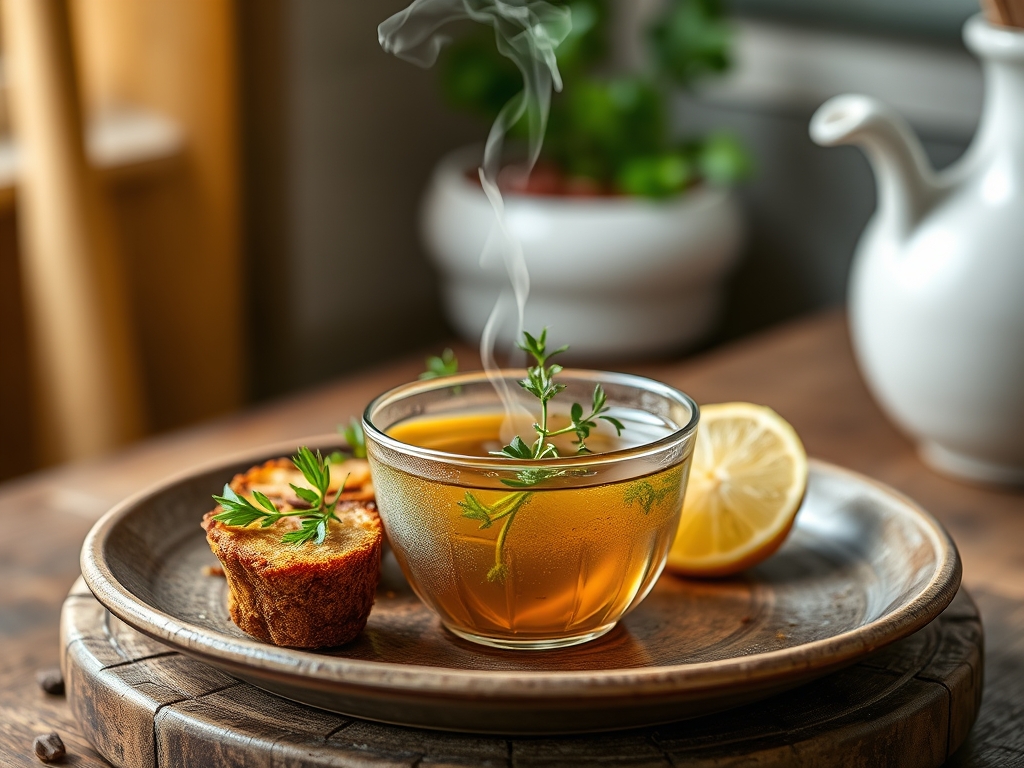
Forget the tepid, watery infusions of your local health food aisle. We are not here to steep a bag of dust; we are here to engineer a beverage that mimics the dark, viscous soul of a morning espresso while stripping away the jittery caffeine payload. Dandelion Root Tea is the ultimate infrastructure project for the discerning palate. It is a masterclass in the Maillard reaction, transforming a common lawn nuisance into a complex, toasted elixir that hits the tongue with notes of dark chocolate and chicory. When you harvest or source high-quality Taraxacum officinale, you are engaging with a botanical powerhouse. The goal is to infuse the water with the deep, earthy bitterness of the root while balancing the piquant undertones with a hint of natural sweetness. This is a high-stakes extraction process where temperature control and particle surface area determine the difference between a muddy mess and a crystal-clear, mahogany-hued masterpiece. Prepare your station; we are about to audit the very essence of roasted botanicals.
THE DATA MATRIX
| Metric | Specification |
|---|---|
| Prep Time | 15 Minutes |
| Execution Time | 20 Minutes |
| Yield | 500ml / 2 Servings |
| Complexity (1-10) | 4 |
| Estimated Cost per Serving | $0.45 |
THE GATHERS
Ingredient Protocol:
- 20g / 4 tbsp Raw, organic dandelion root (cleaned and chopped)
- 500ml / 2 cups Filtered water (neutral pH is critical)
- 2g / 0.5 tsp Cinnamon bark (optional, for aromatic complexity)
- 5ml / 1 tsp Raw honey or maple syrup (optional, to balance bitterness)
- 30ml / 2 tbsp Heavy cream or oat milk (optional, for mouthfeel)
Section A: Ingredient Quality Audit:
The primary failure point in Dandelion Root Tea is the age and moisture content of the raw material. If your roots are limp or display greyish oxidation, the resulting brew will be flat and lack the necessary aromatic compounds. To fix sub-par, woody roots, you must aerate them in a low-moisture environment before roasting. If the roots are overly bitter, a quick 30-second blanching in boiling water before the roasting phase can render out the harshest tannins. Always ensure your water is filtered; high mineral content can inhibit the extraction of the root's delicate polysaccharides, leading to a cloudy and chemically imbalanced profile.
THE MASTERCLASS
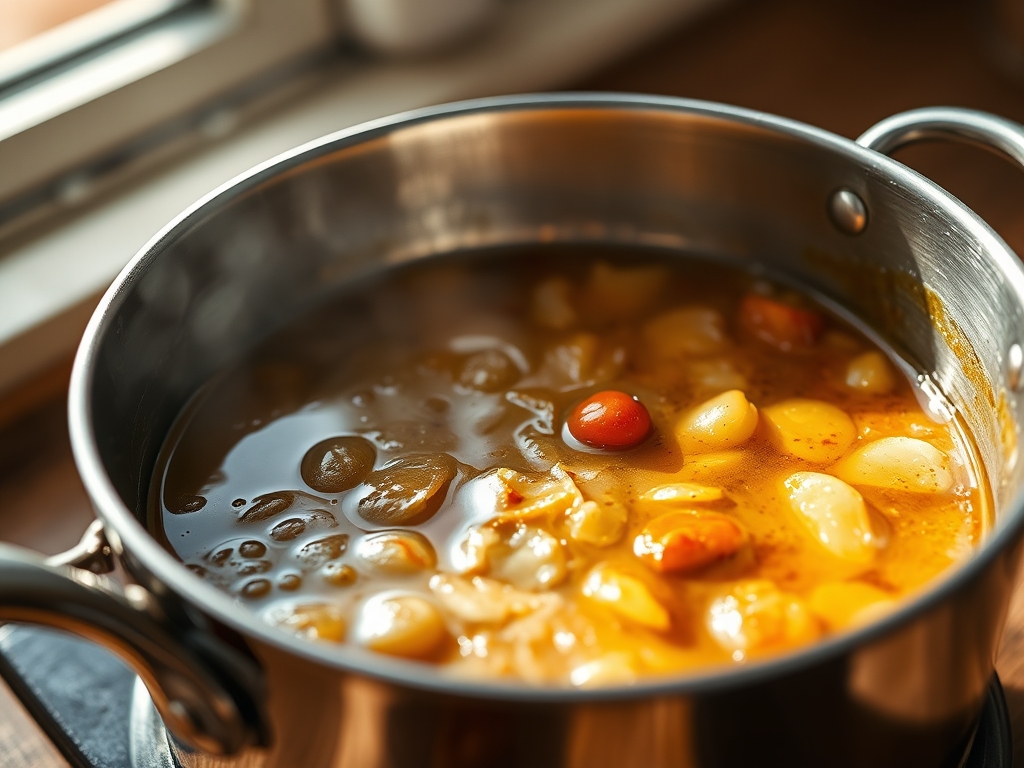
Step 1: Precision Particle Reduction
Utilize a heavy-duty bench scraper or a sharp chef's knife to dice the cleaned roots into uniform 5mm cubes. Consistency in size is the bedrock of even thermal distribution. Place the cubes on a digital scale to ensure you have exactly 20g of material.
Pro Tip: Uniformity ensures that the heat penetrates the center of each piece at the same rate. This prevents the smaller fragments from carbonizing while the larger pieces remain raw and grassy.
Step 2: The Maillard Roasting Phase
Transfer the diced roots to a stainless steel saucier over medium-high heat. Do not add oil. Constantly agitate the pan to render the moisture from the roots until they turn a deep, chocolate brown and emit a nutty aroma.
Pro Tip: This is where the chemistry happens. The heat triggers the Maillard reaction between amino acids and reducing sugars, creating the complex flavor profile that characterizes a premium Dandelion Root Tea.
Step 3: The Decoction Extraction
Pour 500ml of filtered water directly into the hot pan to deglaze the toasted sugars. Bring the mixture to a rolling boil, then immediately reduce the heat to a low simmer. Cover the saucier to prevent the loss of volatile aromatic oils.
Pro Tip: Unlike delicate green teas, dandelion root requires a decoction (boiling the plant material) rather than a simple steep. This aggressive heat is necessary to break down the tough cellulose walls of the root.
Step 4: Final Filtration and Aeration
After simmering for 10 minutes, use a fine-mesh conical strainer to remove the solids. Pour the liquid from a height of six inches into your serving vessel to aerate the tea, which opens up the bouquet and softens the perceived bitterness.
Pro Tip: Aeration introduces oxygen into the liquid, which can slightly alter the pH on the tongue and enhance the perception of sweetness without adding sugar.
Section B: Prep & Timing Fault-Lines:
The most common human error is the "boil and forget" syndrome. If you simmer the roots for longer than 15 minutes, you will extract excessive lignins, resulting in a tea that tastes like wet cardboard. Use a digital timer to maintain strict control. If your temperature is too high during the roasting phase, the roots will scorch; if you see black smoke, the batch is compromised and must be discarded. The sweet spot for roasting is reached when the roots are the color of an old penny.
THE VISUAL SPECTRUM
Section C: Thermal & Visual Troubleshooting:
Referencing the Masterclass photo, your final brew should exhibit a translucent, deep amber clarity. If your tea appears opaque or muddy, you likely agitated the roots too much during the decoction, or your strainer was not fine enough. Uneven browning in the pan leads to a "mottled" flavor profile where some sips are burnt and others are weak. To fix a dull, greyish color, ensure you are using a stainless steel or glass pot; reactive metals like aluminum can cause the tea to oxidize and lose its vibrant, warm glow. If the texture feels thin, you may need to increase the root-to-water ratio or extend the roasting time to develop more viscous soluble fibers.
THE DEEP DIVE
Macro Nutrition Profile:
Dandelion Root Tea is a nutritional powerhouse with virtually zero calories. It is rich in inulin, a prebiotic fiber that supports gut health. It also contains significant levels of potassium, which acts as a natural electrolyte to balance its diuretic properties.
Dietary Swaps:
- Vegan: Use agave or coconut nectar instead of honey.
- Keto: Use heavy cream or MCT oil to add healthy fats without carbohydrates.
- GF: Naturally gluten-free, but ensure your roots are not processed in a facility that handles malt or barley.
Meal Prep & Reheating Science:
To maintain the molecular structure, store the tea in an airtight glass carafe in the refrigerator for up to 48 hours. When reheating, avoid the microwave as it creates "hot spots" that can degrade the antioxidants. Instead, use a saucier on the stovetop and bring it just to a quiver (approximately 85 degrees Celsius) to preserve the delicate flavor profile.
THE KITCHEN TABLE
Why is my tea excessively bitter?
You likely over-roasted the roots or simmered them for too long. Bitterness is a result of over-extraction. Reduce your decoction time by two minutes in the next batch to maintain a smoother, more balanced profile.
Can I reuse the roasted roots?
Technically yes, but the second extraction will be significantly weaker. The primary flavor compounds and the viscous inulin are mostly depleted during the first 10-minute simmer. It is better to compost them.
What is the best time to drink this?
Due to its diuretic properties, it is best consumed in the morning or early afternoon. This allows the infrastructure of your body to process the nutrients without interrupting your sleep cycle.
Is it safe to harvest my own roots?
Only if you can guarantee the soil has not been treated with pesticides or heavy metals. For a controlled audit, it is safer to purchase certified organic dried roots from a reputable purveyor.