Forget the tepid, watery infusions found in corporate breakrooms; we are here to engineer a high-velocity liquid payload. When you peel back the fibrous skin of a fresh rhizome, you are not just prepping a root. You are unlocking a chemical arsenal. The primary objective is the extraction of Ginger Tea Gingerols; the bioactive compounds responsible for that signature piquant burn and thermogenic kick. These molecules are the heavy lifters of the digestive system, acting as potent anti-inflammatory agents while simultaneously increasing your metabolic baseline. To achieve the perfect brew, we must treat the kitchen like a laboratory. We are aiming for a viscous, amber-hued nectar that coats the palate and vibrates with heat. This is not a passive beverage experience. It is a sensory audit of your internal infrastructure. By manipulating temperature and surface area, we maximize the solubility of these gingerols, ensuring that every milliliter of the final product delivers maximum biological impact and a sharp, refreshing clarity that resets your system.
THE DATA MATRIX
| Metric | Specification |
|---|---|
| Prep Time | 10 Minutes |
| Execution Time | 20 Minutes |
| Yield | 1000ml / 4 Cups |
| Complexity (1-10) | 3 |
| Estimated Cost per Serving | $0.45 |
THE GATHERS
Ingredient Protocol:
- 150g / 5.3oz Fresh Young Ginger (Firm, non-shriveled)
- 1000ml / 4.2 Cups Filtered Water (pH neutral preferred)
- 60ml / 4 Tbsp Raw Local Honey or Agave
- 1 Large Organic Lemon (Zested and juiced)
- 2g / 0.5 tsp Black Peppercorns (Whole)
- 1 Small Cinnamon Stick (Optional for depth)
Section A: Ingredient Quality Audit:
If your ginger feels spongy or exhibits a dull, grayish interior, your Ginger Tea Gingerols count has plummeted. Sub-par rhizomes result in a woody, bitter infusion rather than a bright, spicy one. Technical Fix: If the ginger is slightly dehydrated, soak the unpeeled root in cold, filtered water for thirty minutes to rehydrate the cellular structure before slicing. If your lemons are yielding low juice volume, microwave them for fifteen seconds and roll them firmly against a hard surface to rupture the juice vesicles before slicing. Always audit your water quality; high mineral content can inhibit the extraction of delicate aromatics, leading to a flat flavor profile.
THE MASTERCLASS
1. Surface Area Optimization
Peel the ginger using the edge of a stainless steel spoon to minimize waste. Once peeled, use a sharp mandoline or a heavy-duty chef knife to create paper-thin cross-sections. Pro Tip: Increasing the surface area is the most efficient way to infuse the water with Ginger Tea Gingerols. Use a digital scale to ensure your ginger-to-water ratio is precise; guessing leads to inconsistency in potency.
2. Thermal Activation
Place the ginger slices and peppercorns into a heavy-bottomed saucier. Add the filtered water and bring the mixture to a precise simmer. Do not allow it to reach a rolling boil, as excessive heat can degrade the more volatile aromatic compounds. Pro Tip: Using a saucier with rounded bottom edges prevents "dead zones" where ginger slices might stick and scorch, ensuring an even thermal distribution throughout the liquid.
3. The Extraction Phase
Reduce the heat to low and cover the vessel. Maintain a gentle simmer for exactly fifteen to twenty minutes. This duration is the "sweet spot" for rendering the gingerols into the aqueous solution without extracting excessive tannins from the skin or pith. Pro Tip: Use an infrared thermometer to maintain a liquid temperature between 85 and 92 degrees Celsius. This range optimizes the molecular release of the spicy resins.
4. Filtration and Emulsification
Strain the liquid through a fine-mesh chinois into a heat-resistant carafe. While the liquid is still hot, whisk in the honey and lemon juice. Pro Tip: Use a high-speed milk frother or a small whisk to aerate the mixture slightly as you add the honey. This helps to emulsify the natural oils from the ginger with the sweeteners, creating a more cohesive mouthfeel.
Section B: Prep & Timing Fault-Lines:
The most common failure in ginger tea production is the "Boil and Forget" error. If you boil the ginger for over thirty minutes, the liquid becomes overly astringent, and the bright notes of the Ginger Tea Gingerols are replaced by a muddy, earthy bitterness. If your tea lacks "bite," you likely sliced the ginger too thick, preventing the water from penetrating the fibrous core. Technical Fix: If the brew is too weak, do not simply boil it longer. Instead, muddle the existing ginger slices directly in the pot to force out the remaining juices, then strain immediately.
THE VISUAL SPECTRUM
Section C: Thermal & Visual Troubleshooting:
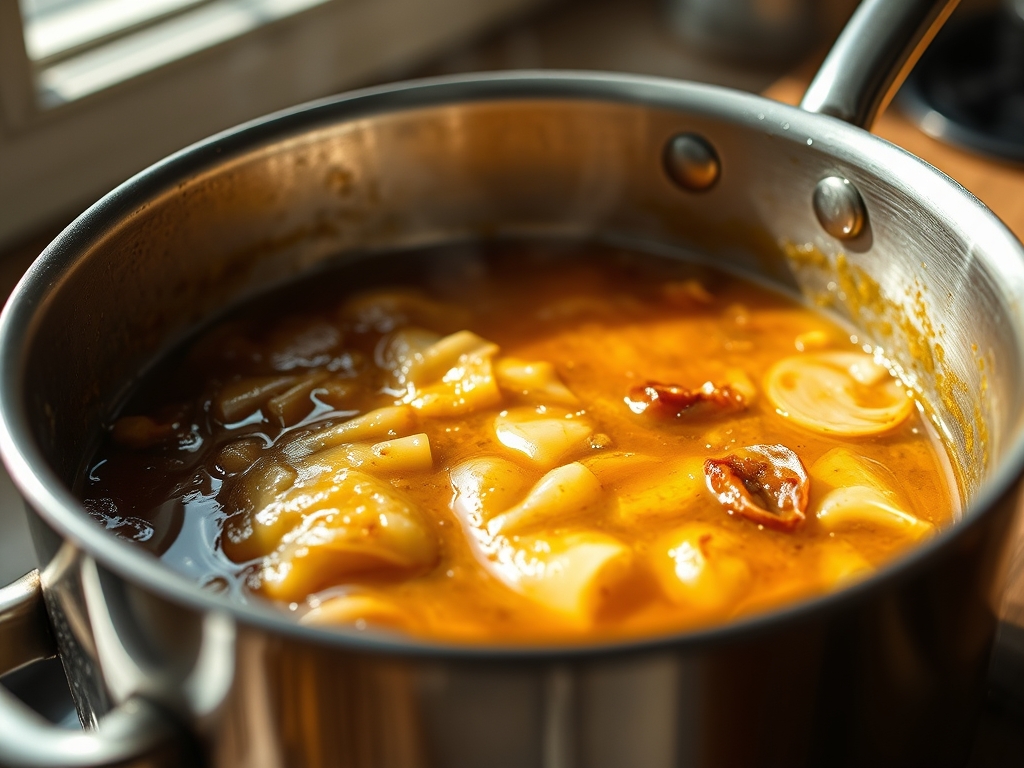
Referencing the Masterclass photo, your final brew should exhibit a translucent, golden-straw color with a slight viscous sheen on the surface. If your liquid appears cloudy or "milky," you likely used a high-starch ginger variety or boiled the root too aggressively, causing the starches to gelatinize. If the color is overly dark or brown, your honey may have scorched, or you used oxidized ginger. Technical Fix: To restore clarity, pass the liquid through a paper coffee filter. This will remove micro-sediment and restore that crystalline, professional aesthetic. If the tea looks "thin" or pale, increase the ginger-to-water ratio in your next batch by 20 percent.
THE DEEP DIVE
Macro Nutrition Profile
Per 250ml serving (sweetened with honey):
- Calories: 45 kcal
- Carbohydrates: 12g
- Sugar: 10g
- Protein: 0g
- Fat: 0g
- Micronutrients: High in Vitamin C, Magnesium, and Potassium.
Dietary Swaps
- Vegan: Substitute honey with organic agave nectar or maple syrup.
- Keto: Replace honey with liquid monk fruit or stevia drops. Eliminate the cinnamon stick to keep the flavor profile sharp and clean.
- GF: Naturally gluten-free, but ensure your spices are certified to avoid cross-contamination.
Meal Prep & Reheating Science
To maintain the molecular structure of the Ginger Tea Gingerols, store the tea in an airtight glass container in the refrigerator for up to five days. When reheating, avoid the microwave, which can create hot spots and degrade the honey. Instead, gently warm the liquid in a small saucepan over low heat until it reaches 70 degrees Celsius. This preserves the delicate lemon aromatics and prevents the honey from developing a "cooked" off-flavor.
THE KITCHEN TABLE
Why is my ginger tea not spicy enough?
The heat comes from Ginger Tea Gingerols. If it is weak, your ginger was likely old or sliced too thick. Ensure you use fresh, firm roots and slice them into translucent rounds to maximize the chemical extraction during the simmer.
Can I leave the skin on the ginger?
Technically, yes, if it is organic and scrubbed. However, the skin contains bitter tannins that can cloud the flavor profile. For a professional-grade, high-clarity brew, peeling with a spoon is the industry standard for quality control.
Is it better to drink this hot or cold?
Heat increases the perceived "bite" of the gingerols and aids in immediate thermogenesis. However, an iced version is equally effective for inflammation. If serving cold, double the ginger concentration to ensure the flavor is not diluted by melting ice.
How do I store leftover fresh ginger?
Do not leave it on the counter to shrivel. Wrap the unpeeled rhizome tightly in plastic wrap or place it in a sealed freezer bag, removing all air. It will remain viable in the refrigerator for up to three weeks.