Forget the lukewarm, dusty sachets of floral sweepstakes found in the back of your pantry; we are entering the realm of high-velocity botanical extraction. To understand Nettle Tea Minerals is to understand the raw, tectonic power of the earth distilled into a liquid state. When you plunge vibrant, stinging Urtica dioica into a controlled thermal bath, you aren't just making a beverage. You are performing a metallurgical audit of the soil itself. The scent is aggressive and primal; it smells like a rainstorm hitting a hot iron forge. This is a brew for the tactician who demands more from their hydration than mere wetness. We are looking for a deep, swampy verdancy that signals a high concentration of chlorophyll and bioavailable iron. If your tea looks like weak straw water, you have failed the extraction. We want a liquor so dark and viscous it borders on the obsidian. This is the ultimate mineral recharge, a liquid chassis built to support a high-performance lifestyle through the sheer force of Nettle Tea Minerals.
THE DATA MATRIX
| Metric | Specification |
|---|---|
| Prep Time | 10 Minutes |
| Execution Time | 20 Minutes |
| Yield | 1 Liter / 4 Servings |
| Complexity (1-10) | 4 |
| Estimated Cost per Serving | $0.45 |
THE GATHERS
Ingredient Protocol:
- 40g / 1.4oz Freshly Foraged Stinging Nettle Leaves (or 15g / 0.5oz Dried)
- 1L / 4.2 Cups Filtered Alkaline Water
- 5ml / 1 tsp Raw Local Honey (Optional)
- 2g / 0.5 tsp Pink Himalayan Salt (Electrolyte Catalyst)
- 10ml / 2 tsp Fresh Lemon Juice (Ascorbic Acid for Iron Absorption)
Section A: Ingredient Quality Audit:
The primary failure point in wild-foraged tea is the age of the specimen. If your nettles exhibit woody stems or seed pods, the flavor profile will shift from piquant and earthy to bitter and astringent. Render the leaves useless if they show yellowing; this indicates a breakdown in chlorophyll and a loss of Nettle Tea Minerals. If using dried stock, ensure it has not been oxidized by light. If the leaves are grey, discard them. Technical fix: Rehydrate sub-par dried leaves in a cold-water "shock" for five minutes before brewing to aerate the cell walls and encourage a more efficient thermal transfer.
THE MASTERCLASS
Step 1: The Thermal Calibration
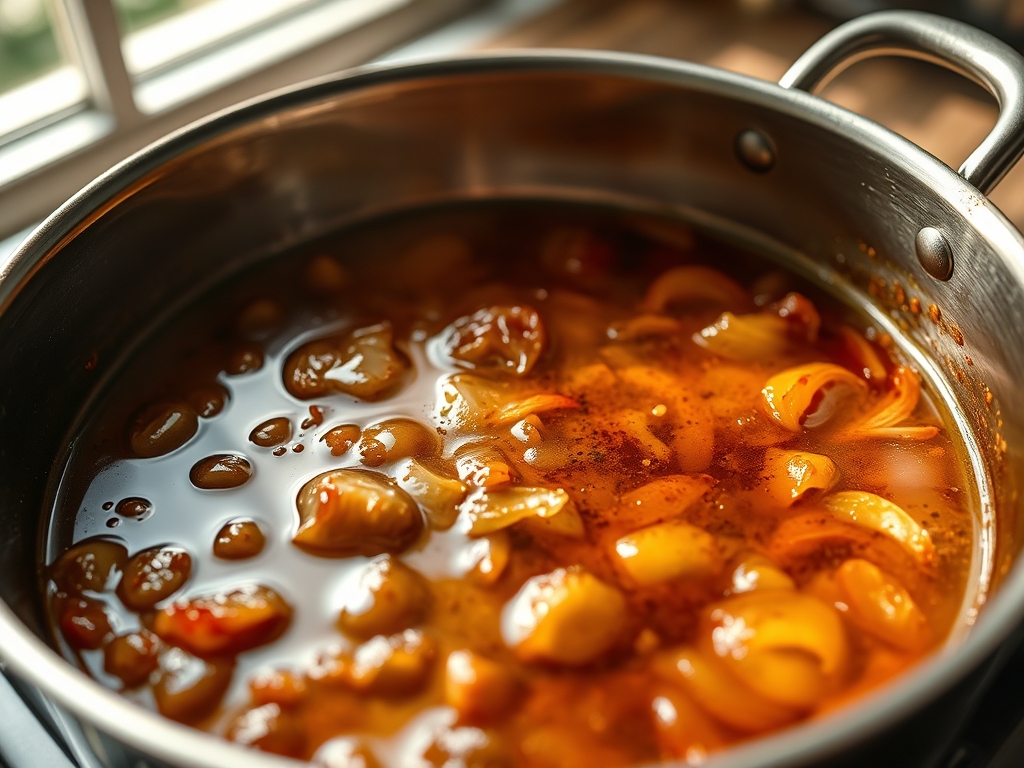
Begin by heating your filtered water in a heavy-bottomed saucier. Do not bring the water to a rolling boil; you are aiming for exactly 90 degrees Celsius (194 degrees Fahrenheit). Use a digital scale to measure your nettles precisely to ensure the mineral density is consistent across every batch.
Pro Tip: Boiling water at 100 degrees Celsius can scorch the delicate polyphenols and degrade the vitamin C content. By maintaining a sub-boil, you preserve the molecular integrity of the Nettle Tea Minerals while ensuring maximum solubility of the iron and magnesium.
Step 2: The Infusion Phase
Introduce the nettles to the water. If using fresh leaves, use a bench scraper to lightly bruise the foliage before immersion. This mechanical agitation ruptures the trichomes (the stinging hairs) and allows the hot liquor to infuse the cellular matrix immediately. Cover the vessel to prevent the escape of volatile aromatic compounds.
Pro Tip: The "sting" of the nettle is neutralized instantly upon contact with heat above 80 degrees Celsius. The formic acid is denatured, leaving behind a smooth, herbaceous liquid. Covering the pot creates a closed-loop steam system that keeps the mineral salts in suspension.
Step 3: The Agitation and Extraction
Allow the mixture to steep for exactly 15 minutes. At the 10-minute mark, use a whisk to vigorously aerate the liquid for thirty seconds. This encourages the release of bound minerals from the leaf structure into the aqueous solution.
Pro Tip: Agitation increases the kinetic energy within the saucier, breaking down the pectin in the leaf cell walls. This results in a more viscous mouthfeel and a higher concentration of bioavailable silica.
Step 4: The Final Filtration
Strain the liquid through a fine-mesh sieve or a conical chinois into a pre-heated carafe. Press the solids firmly with the back of a spoon to extract every last drop of the concentrated liquor. Add your lemon juice and salt at this stage to "brighten" the flavor profile and deglaze any mineral deposits on the palate.
Pro Tip: Adding ascorbic acid (lemon juice) at the very end is a strategic move. It lowers the pH of the tea, which significantly increases the human body's ability to absorb the non-heme iron found in Nettle Tea Minerals.
Section B: Prep & Timing Fault-Lines:
The most common human error is the "over-steep." Leaving nettles in the water for over 30 minutes results in a "tannin dump," where the tea becomes excessively dry and metallic. If you miss your timer, dilute the concentrate with 20% more hot water to balance the astringency. Conversely, under-steeping results in a thin, watery profile that lacks the characteristic "weight" of a proper mineral infusion. Always use a stopwatch.
THE VISUAL SPECTRUM
Section C: Thermal & Visual Troubleshooting:
Referencing the Masterclass photo above, your final product should possess a deep, forest-green hue with a slight golden shimmer at the edges. If your tea appears brown, you have oxidized the leaves through excessive heat or poor storage. If the liquid is cloudy, your water hardness is too high; the minerals are reacting with calcium carbonates in the tap water and precipitating out of solution. To fix a dull color, add a pinch of citric acid to shift the pH and restore the vibrant green spectrum. The texture should look "heavy" in the glass, indicating a high solute load.
THE DEEP DIVE
Macro Nutrition Profile:
A standard 250ml serving contains approximately 15 calories, 2g of protein (unusually high for a tea), and 0g of fat. However, the "macros" are not the story here. The value lies in the 12% RDA of Iron, 10% RDA of Magnesium, and significant traces of Boron and Silica.
Dietary Swaps:
- Vegan: Use agave or maple syrup instead of honey.
- Keto: Omit sweeteners entirely; the natural earthiness of the nettle is sufficient.
- GF: Naturally gluten-free, but ensure your foraged source is away from wheat-field runoff to avoid cross-contamination.
Meal Prep & Reheating Science:
To maintain the molecular structure, store the tea in an airtight glass growler for up to 48 hours. When reheating, do not use a microwave; the uneven electromagnetic waves can cause localized "hot spots" that degrade the delicate mineral complexes. Reheat gently on the stovetop until steam just begins to rise.
THE KITCHEN TABLE
How do I know if the nettles are high quality?
Look for a deep, saturated green color and a "velvety" texture on the leaves. If they snap cleanly, they are hydrated and rich in Nettle Tea Minerals. Avoid any plants with white spots or insect damage.
Can I drink this every day?
Absolutely. The mineral density provides a sustained energy lift without the crash associated with caffeine. It acts as a natural electrolyte restorer, making it an ideal post-workout recovery fluid for those seeking a "clean" cellular recharge.
Why does my tea taste like "dirt"?
That "dirt" flavor is actually the high iron and geosmin content. If it is too intense, increase your lemon juice ratio. The acidity cuts through the geosmin, transforming the "muddy" notes into a crisp, earthy finish.
What is the best vessel for brewing?
Avoid reactive metals like aluminum, which can leach into the tea and alter the flavor. Use stainless steel, tempered glass, or ceramic to ensure the purity of the Nettle Tea Minerals remains uncompromised during the high-heat extraction phase.