The scent of fractured ruby spheres hitting a stainless steel basin is the opening chord of a high-stakes culinary performance. We are not merely making a beverage; we are engaging in a rigorous extraction of liquid gold. When we discuss Pomegranate Juice Tech, we are analyzing the precise intersection of mechanical pressure and cellular integrity. Every aril is a pressurized vessel of polyphenols and piquant acids waiting for the right stimulus to surrender its essence. If you approach this with a blunt instrument or a lackadaisical attitude, you will end up with a bitter, tannin-heavy mess that tastes more like wood pulp than fruit. We demand clarity. We demand a vibrant, viscous liquid that coats the palate with the authority of a vintage Bordeaux but carries the electric zip of a fresh harvest. This audit is designed to strip away the amateur guesswork and replace it with a repeatable, industrial-grade methodology. Prepare your workspace; we are about to turn raw botanical matter into a masterpiece of liquid engineering.
THE DATA MATRIX
| Metric | Specification |
|---|---|
| Prep Time | 15 Minutes |
| Execution Time | 10 Minutes |
| Yield | 500ml / 2 Cups |
| Complexity (1-10) | 4 |
| Estimated Cost per Serving | $3.50 |
THE GATHERS
Ingredient Protocol:
- Fresh Pomegranates: 4 Large (approx. 1.5kg / 3.3lbs)
- Filtered Water: 60ml / 0.25 Cup (for rinsing)
- Optional Sea Salt: 0.5g / 1 pinch (to sharpen acidity)
- Optional Simple Syrup: 15ml / 1 tbsp (if brix levels are low)
Section A: Ingredient Quality Audit:
The primary failure point in Pomegranate Juice Tech is the selection of "dull" fruit. If the exterior skin is overly dry or shows deep brown bruising, the internal sugars have likely fermented or the arils have begun to dehydrate. Technical Fix: Always select fruit based on weight rather than diameter. A heavy pomegranate indicates high water tension within the arils. If you find the arils are pale pink rather than deep crimson, the anthocyanin count is low. You can salvage the flavor profile by adding a micro-dose of citric acid to mimic the missing piquant edge, though the visual spectrum will remain compromised. Avoid any fruit with a soft "give" when pressed; this indicates internal mold which will ruin the entire batch with an earthy, off-putting musk.
THE MASTERCLASS
Step-by-Step Execution:
1. The Lateral Incision
Score the crown of the pomegranate using a sharp paring knife. Do not cut deep into the fruit; you only want to penetrate the leathery exocarp. Follow the natural ridges of the fruit to create six longitudinal segments.
Pro Tip: Use a digital scale to weigh the fruit before and after scoring. This allows you to calculate your exact juice-to-waste ratio, a vital metric for cost-control in professional environments.
2. Submerged De-Seeding
Submerge the scored fruit in a large bowl of cold, filtered water. Use your thumbs to gently pry the segments apart and roll the arils out of the pith. The arils will sink while the white membrane floats to the surface.
Pro Tip: This method prevents the "crime scene" splatter common with dry de-seeding. The water acts as a buffer, preserving the viscous juice inside the arils and preventing premature oxidation.
3. Mechanical Extraction
Transfer the cleaned arils to a high-speed blender or a dedicated citrus press. If using a blender, pulse on the lowest setting for only 5 to 10 seconds. You want to break the juice sacs without crushing the bitter white seeds.
Pro Tip: Using a saucier or a chinois during the subsequent straining phase ensures that no seed fragments remain. Over-blending will render the tannins from the seeds into the juice, creating an unpalatable astringency.
4. The Fine-Mesh Refinement
Pour the mixture through a fine-mesh sieve lined with cheesecloth into a glass carafe. Use a bench scraper or the back of a large spoon to gently press the solids, maximizing the yield without forcing pulp through the mesh.
Pro Tip: To aerate the juice and enhance its aromatic profile, pour the liquid from a height of twelve inches into the final vessel. This introduces oxygen which helps to "open up" the complex flavor compounds.
Section B: Prep & Timing Fault-Lines:
Timing is the silent killer of Pomegranate Juice Tech. If the arils sit in the water bath for more than five minutes, they begin to lose their osmotic balance, leading to a watered-down final product. Furthermore, temperature control is non-negotiable. If the fruit is processed at room temperature, the enzymatic breakdown happens faster, leading to a "cooked" flavor profile. Technical Fix: Always chill your pomegranates to 4 degrees Celsius (40 degrees Fahrenheit) before beginning the audit. If you overshoot the blending time and the juice becomes cloudy, you can attempt a "cold crash" by placing the juice in the freezer for twenty minutes to encourage solids to settle at the bottom.
THE VISUAL SPECTRUM
Section C: Thermal & Visual Troubleshooting:
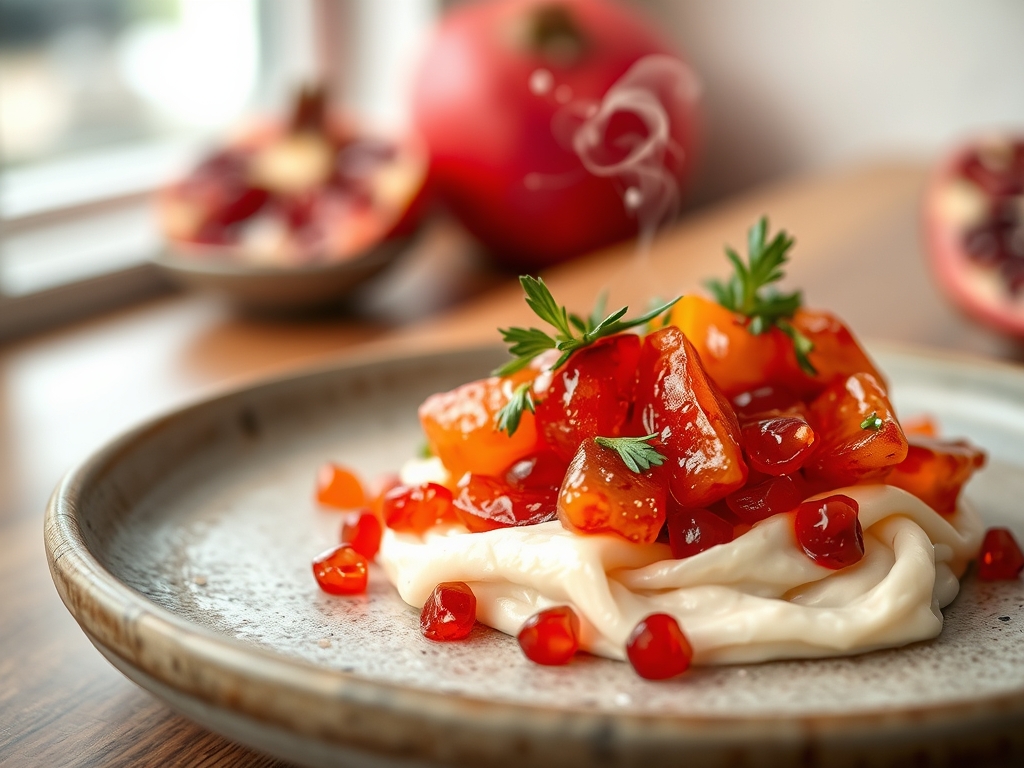
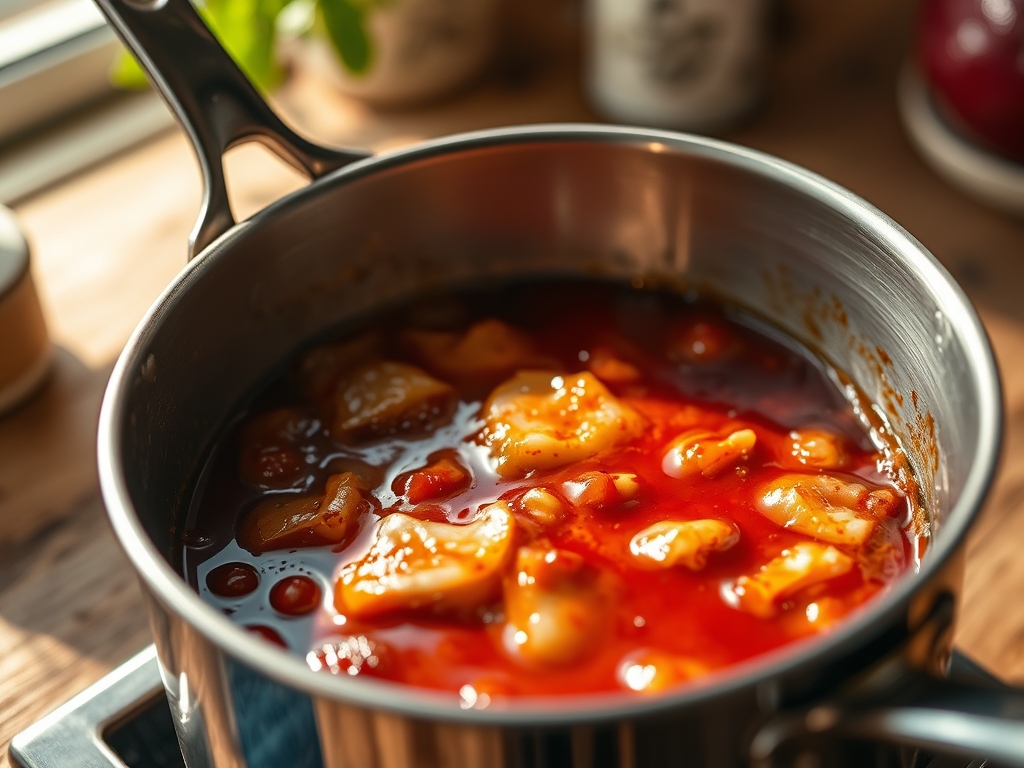
The Masterclass photo displays a juice with a deep, translucent garnet hue and a frothy, pink-white foam on the surface. If your juice appears brown or muddy, you have likely experienced rapid oxidation or used fruit that was past its prime. If the liquid is too thick, you failed to use a fine enough sieve; the presence of suspended solids will dull the color and ruin the mouthfeel. To fix a dull color, you can infuse a small amount of hibiscus tea into the juice, which reinforces the red spectrum without significantly altering the flavor. If the juice separates into layers within minutes, it indicates a high pectin content; a quick whisk will re-emulsify the liquid, but for a permanent fix, you must use a more rigorous filtration method.
THE DEEP DIVE
Macro Nutrition Profile:
A standard 250ml serving provides approximately 135 calories, 33g of carbohydrates (mostly natural sugars), and 1g of protein. It is a powerhouse of Vitamin K and Potassium, with a polyphenol count that eclipses green tea.
Dietary Swaps:
- Keto: Dilute 50/50 with sparkling mineral water to reduce the glycemic load per serving.
- Vegan/GF: This protocol is naturally compliant with both lifestyles.
- Low-Acid: Add a pinch of baking soda to neutralize the piquant acids if you have a sensitive stomach, though this will slightly alter the color.
Meal Prep & Reheating Science:
Fresh pomegranate juice is a volatile substance. To maintain the molecular structure, store it in an airtight glass container with minimal headspace to prevent oxidation. It will stay stable for up to 48 hours. If you must preserve it longer, freeze it in silicone molds. Never "reheat" or pasteurize this juice at home; high heat destroys the delicate antioxidants and turns the vibrant flavor into something resembling canned prunes.
THE KITCHEN TABLE
Why is my juice so bitter?
You likely crushed the internal seeds during extraction. Use lower speeds on your blender or a manual press. Also, ensure every bit of white pith is removed before processing, as pith contains high concentrations of bitter alkaloids.
Can I use a centrifugal juicer?
It is not recommended. The high-speed spinning generates heat and introduces excessive oxygen, which degrades the polyphenols. Pomegranate Juice Tech relies on gentle, cold-press methods to maintain the integrity of the delicate nutrient profile.
How do I get the deepest red color?
The color is a result of anthocyanins. To maximize this, ensure your fruit is fully ripe. A quick flash-chill of the arils before pressing can also help lock in the pigment and prevent the browning associated with oxidation.
What is the best way to store leftovers?
Use a glass jar filled to the very top to exclude air. Store in the coldest part of your refrigerator. For long-term storage, freezing into ice cubes is the only way to preserve the flavor without using chemical preservatives.