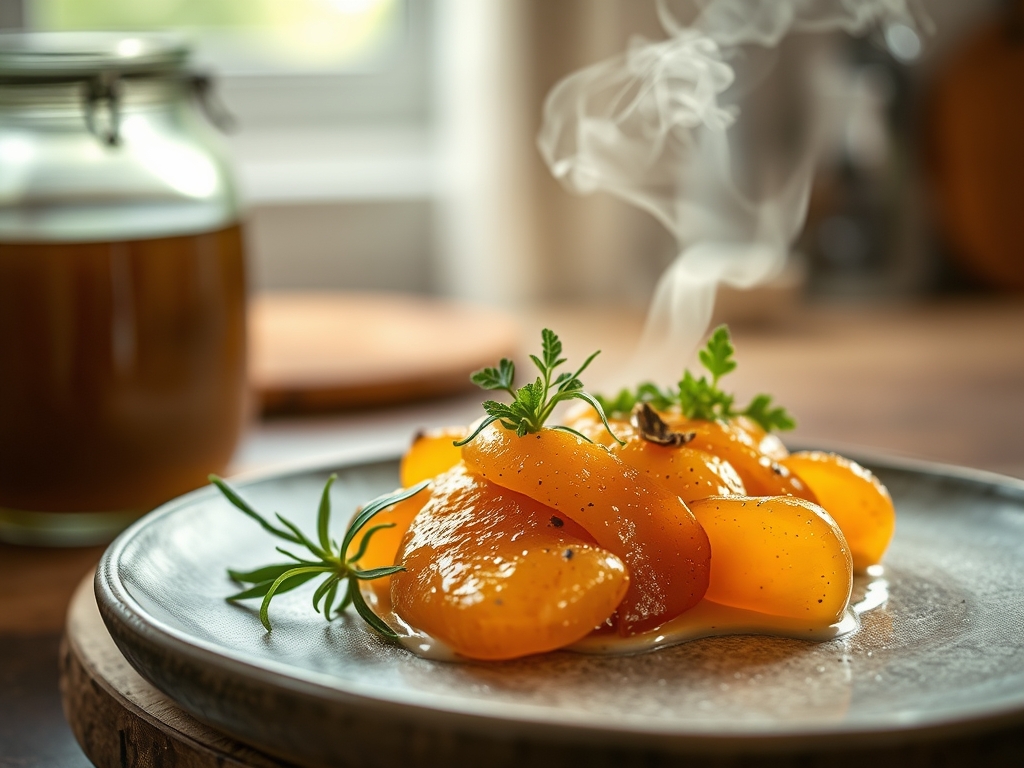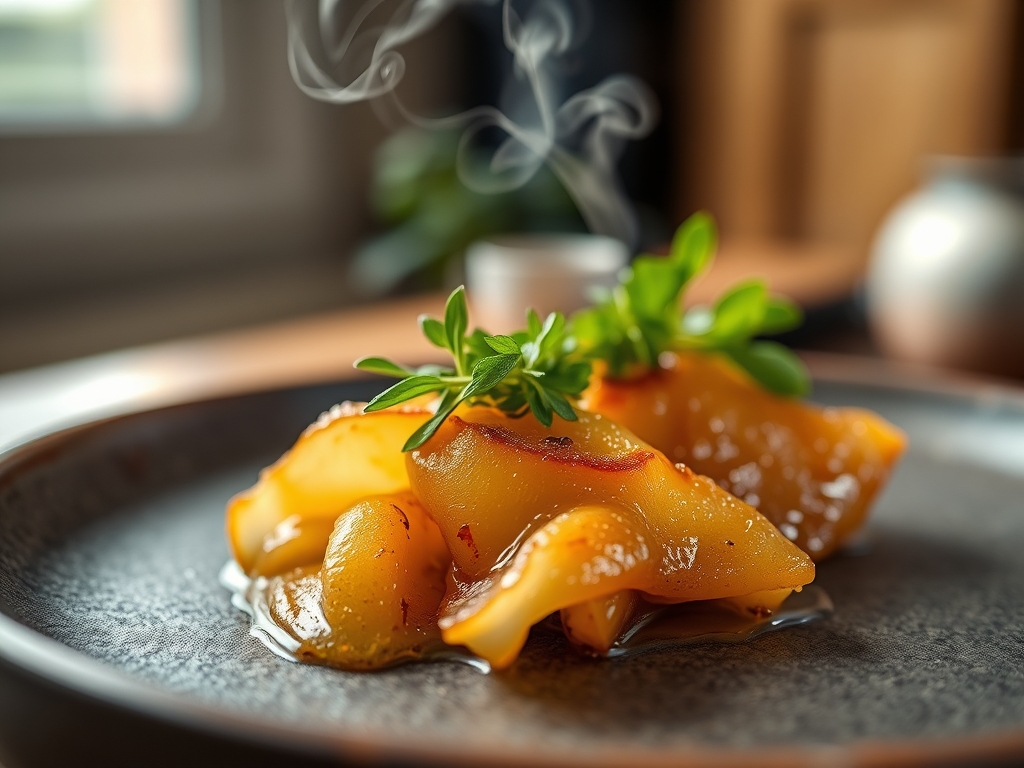
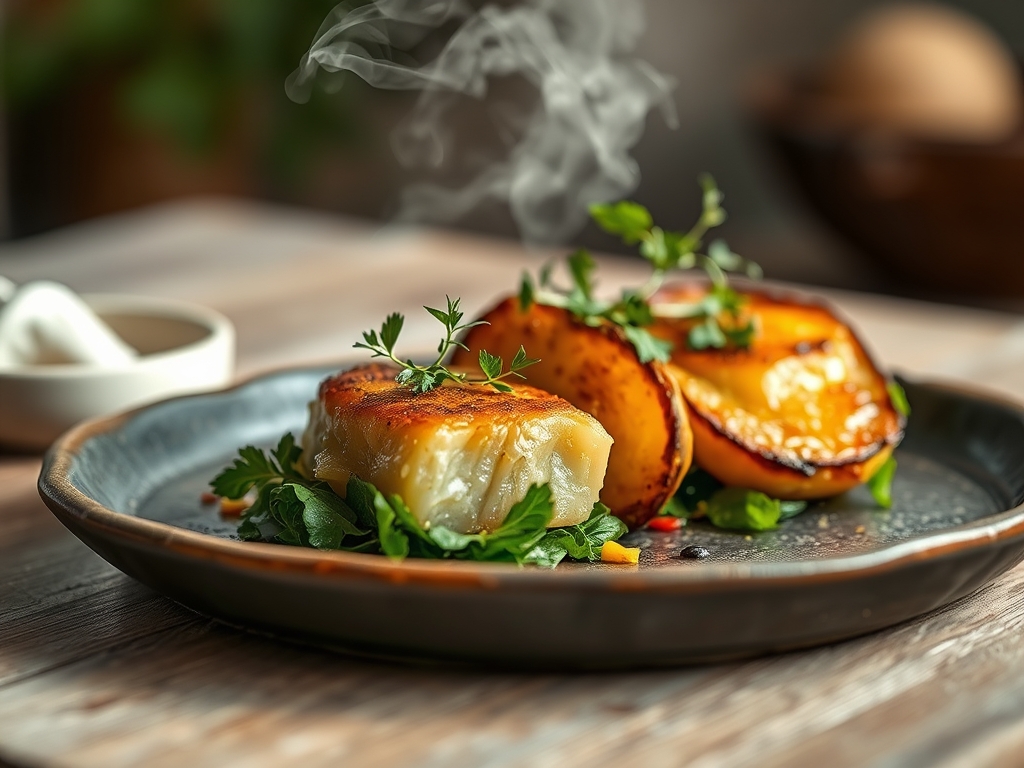
Imagine the crackle of a flash-chilled leaf meeting a high-velocity centrifuge. We are not just making a salad; we are conducting a high-stakes forensic investigation into the structural integrity of chlorophyll. In the world of high-performance gastronomy, the Organic Greens Audit is the gold standard for verifying that your produce is free from synthetic interference and loaded with bioavailable micronutrients. You can feel the difference in the snap of a stem and the piquant bite of a microgreen that has never known the touch of a chemical stabilizer. We are hunting for that perfect, viscous emulsion to coat every serrated edge without drowning the delicate cellular walls. This is where the laboratory meets the larder. We are about to strip away the guesswork and replace it with a rigorous technical framework. If your greens aren't screaming with vibrant, neon-green vitality, you are failing the audit. It is time to recalibrate your kitchen infrastructure and treat your produce with the scientific reverence it deserves. Let us begin the extraction.
THE DATA MATRIX
| Metric | Specification |
|---|---|
| Prep Time | 25 mins |
| Execution Time | 15 mins |
| Yield | 4 Servings |
| Complexity (1-10) | 7 |
| Estimated Cost per Serving | $8.50 |
THE GATHERS
Ingredient Protocol:
- 500g / 1.1 lbs Mixed Organic Heritage Greens (Kale, Arugula, Chard)
- 60ml / 4 tbsp Cold-Pressed Extra Virgin Olive Oil
- 30ml / 2 tbsp Aged Balsamic Vinegar (12-year minimum)
- 5g / 1 tsp Flaky Maldon Sea Salt
- 2g / 0.5 tsp Freshly Cracked Tellicherry Peppercorns
- 150g / 5.3 oz Heirloom Cherry Tomatoes
- 50g / 1.75 oz Toasted Pine Nuts
- 10g / 2 tsp Dijon Mustard (as an emulsifier)
Section A: Ingredient Quality Audit:
If your greens appear limp or display a "dull olive" hue, the cellular turgor pressure has collapsed. This is often due to improper moisture management in the crisper drawer. To fix this, perform a cold-shock hydration. Submerge the leaves in a 4 degree Celsius ice bath for exactly seven minutes to restore osmotic pressure. If your olive oil lacks that characteristic back-of-the-throat burn, it has likely oxidized. Always source oils in dark glass bottles and check the harvest date. For tomatoes that taste like water, a quick 10-minute "salt-sweat" on a bench scraper will concentrate the sugars and infuse the fruit with deeper flavor before they hit the bowl.
THE MASTERCLASS
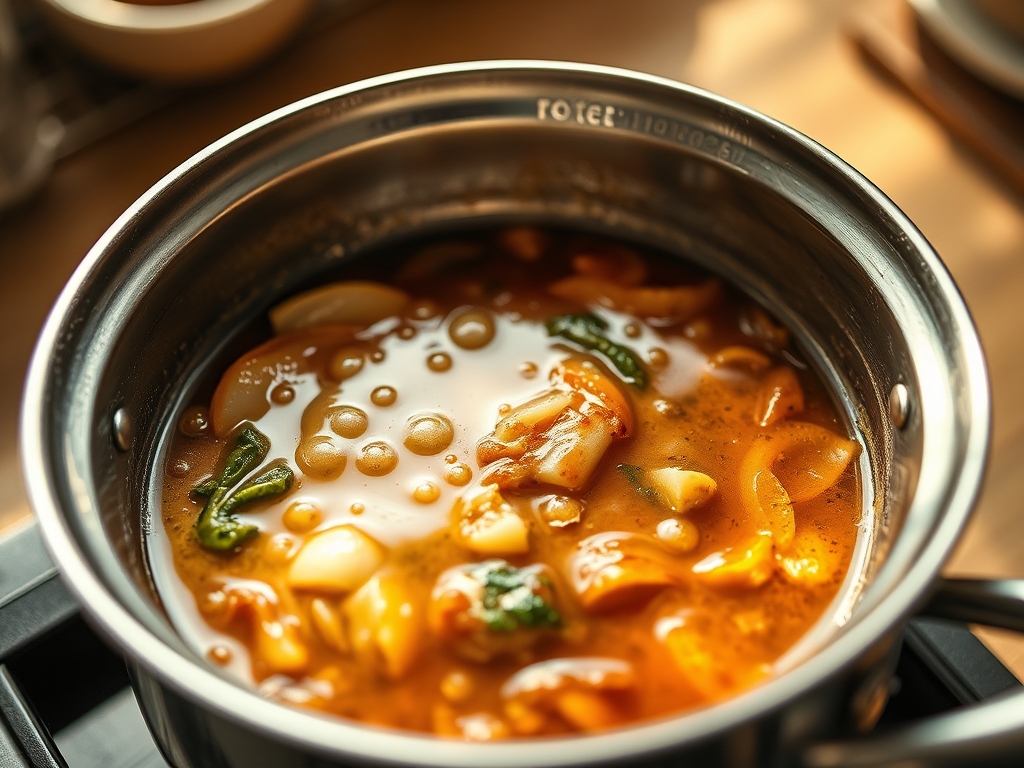
Step 1: The Triple-Stage Decontamination
Begin by submerge-washing your greens in three separate basins of filtered water. Use a digital scale to measure exactly 10g of baking soda per liter in the first basin to neutralize any surface particulates. Agitate gently but firmly to dislodge debris without bruising the leaves.
Pro Tip: This process utilizes the principle of alkaline surfactant cleaning. By maintaining a specific pH, you ensure that any oily residues are lifted from the leaf cuticle. Use a stainless steel saucier to prep your rinsing solutions for maximum temperature stability.
Step 2: Centrifugal Moisture Extraction
Transfer the greens to a high-speed salad spinner. You must remove 98% of surface moisture to ensure the dressing adheres via surface tension rather than sliding off a water film. Spin in three 30-second bursts, reversing direction between each to aerate the leaves.
Pro Tip: Moisture is the enemy of the Organic Greens Audit. If water remains, your emulsion will break, leading to a "weeping" salad. Professional chefs use high-grade polymers in their spinners to prevent mechanical bruising during high-RPM cycles.
Step 3: Molecular Emulsification
In a small glass carafe, whisk the Dijon mustard and balsamic vinegar. Slowly stream in the olive oil while whisking vigorously to create a viscous, stable emulsion. The mustard acts as a bridge between the polar water molecules and non-polar fat molecules.
Pro Tip: Use a digital scale to ensure your oil-to-acid ratio is exactly 3:1. This balance is critical for the "mouthfeel" of the greens. A stable emulsion ensures that every bite provides a consistent flavor profile without oil separation.
Step 4: Thermal Nut Toasting
Place the pine nuts in a dry skillet over medium-low heat. Shake the pan constantly to render the natural oils and trigger the Maillard reaction. Remove the nuts the second they turn golden-brown and smell fragrant.
Pro Tip: The window between "toasted" and "carbonized" is less than ten seconds. Use a bench scraper to immediately move the nuts from the hot pan to a cool ceramic plate to stop the residual thermal carry-over.
Step 5: The Final Structural Assembly
Place the dry greens in a large chilled bowl. Drizzle the dressing around the perimeter of the bowl rather than directly on the leaves. Use your hands to gently fold the greens, ensuring a thin, microscopic coating on every surface. Top with the toasted nuts and tomatoes.
Pro Tip: Using your hands allows you to feel the texture of the leaves and ensure you aren't over-dressing. Professional kitchens prioritize this tactile feedback to maintain the "loft" and volume of the Organic Greens Audit.
Section B: Prep & Timing Fault-Lines:
The most common failure in the Organic Greens Audit is the "soggy collapse." This happens when the dressing is applied too early. The acetic acid in the vinegar will begin to "cook" the greens, breaking down the cell walls via acid hydrolysis. To prevent this, never dress the greens more than five minutes before service. If your kitchen temperature is above 24 degrees Celsius, chill your mixing bowl in the freezer for ten minutes prior to assembly to keep the fats in the dressing from becoming too thin and runny.
THE VISUAL SPECTRUM
Section C: Thermal & Visual Troubleshooting:
Referencing the Masterclass photo above, look for the "High-Gloss Sheen." If your greens look matte, you have under-dressed or the leaves were too wet. The tomatoes should show a "Taut Skin" effect; if they look wrinkled, they are over-ripe or dehydrated. Note the "Loft Height" in the image. If your salad sits flat against the plate, you have crushed the leaves during the mixing phase. Use a "lift and drop" motion with your hands to trap air between the leaves, creating the architectural volume seen in professional culinary audits. Dull colors are a sign of oxidation; ensure your knife is sharp to prevent "bruise-browning" on the cut edges of the kale.
THE DEEP DIVE
Macro Nutrition Profile:
- Calories: 210 kcal
- Net Carbs: 8g
- Protein: 4g
- Healthy Fats: 18g
- Fiber: 5g
Dietary Swaps:
- Vegan: Already compliant. Ensure the mustard does not contain honey.
- Keto: Replace the balsamic vinegar with apple cider vinegar and a drop of liquid stevia to lower the sugar impact.
- GF: Naturally gluten-free. Ensure pine nuts are processed in a certified facility.
Meal Prep & Reheating Science:
To meal prep the Organic Greens Audit, you must use the "Mason Jar Stratification" method. Place the dressing at the very bottom, followed by the heavy tomatoes, then the nuts, and finally the greens at the top. This prevents the acid from touching the leaves until you shake the jar. Never reheat this dish; the molecular structure of the greens will collapse into a bitter, sulfurous mush if exposed to microwave radiation.
THE KITCHEN TABLE
How do I know if my greens are truly organic?
Perform a "Snap Test." Organic leaves typically have higher mineral density, resulting in a louder audible snap when the stem is bent. Conventional greens often feel "rubbery" due to rapid, nitrogen-forced growth cycles.
Can I use a different nut for the audit?
Yes, but you must adjust your thermal timing. Walnuts have a higher oil content and will render faster than pine nuts. Always use a digital scale to maintain the fat-to-fiber ratio of the dish.
Why does my dressing always separate?
Your agitation speed was likely too low during the emulsification phase. You need high shear force to break the oil into microscopic droplets. Use a high-speed whisk or a milk frother for a more permanent bond.
What is the best way to store leftover greens?
Wrap unwashed greens in a damp paper towel and seal them in a perforated plastic bag. This maintains the "humidity-to-oxygen" balance required to keep the cellular walls from transpiring and becoming limp.