Imagine a crystalline liquid surging through the vascular system of a silver birch tree; it is a pressurized surge of life force that marks the definitive end of winter. This is not just water. It is a biological suspension of electrolytes, enzymes, and the secret weapon of the boreal forest: xylitol. When you engage with Birch Sap Hydration, you are tapping into a subterranean reservoir that has been filtered through layers of mineral rich soil and pushed upward by osmotic pressure. The flavor is elusive; it is a hauntingly subtle sweetness followed by a crisp, metallic finish that resets the palate with surgical precision. As a culinary infrastructure auditor, I demand more than just "wetness" from a beverage. I demand a functional matrix that facilitates cellular recovery and sensory delight. We are moving beyond the basic hydration of the masses and entering the realm of forest-derived technical fluids. Prepare your glassware and calibrate your expectations. We are about to engineer the ultimate tonic using the raw data of the woods.
THE DATA MATRIX
| Metric | Specification |
|---|---|
| Prep Time | 10 Minutes |
| Execution Time | 5 Minutes |
| Yield | 1 Liter / 4 Servings |
| Complexity (1-10) | 2 |
| Estimated Cost per Serving | $1.75 |
THE GATHERS
Ingredient Protocol:
- 1000ml / 4 cups Raw Birch Sap (Pure, unflavored)
- 15g / 1.25 tbsp Granulated Xylitol (Derived from birch bark)
- 2g / 0.5 tsp Malic Acid (For piquant acidity)
- 120ml / 0.5 cup Sparkling Mineral Water (High TDS content)
- 3g / 1 sprig Fresh Mint (To infuse aromatic terpenes)
- 1g / 1 pinch Smoked Sea Salt (To render mineral depth)
Section A: Ingredient Quality Audit:
The primary failure point in Birch Sap Hydration is the use of pasteurized, shelf-stable sap that has lost its enzymatic vitality. If your sap tastes "cooked" or resembles thin maple syrup, the volatile aromatics have been compromised. To fix this, infuse the liquid with a small amount of cucumber zest to mimic the missing freshness. If your xylitol has clumped due to humidity, do not toss it; pulse it in a high-speed blender to aerate the crystals back into a fine powder for instant solubility. Ensure your mineral water has a Total Dissolved Solids (TDS) count of at least 500mg/L; anything less is just tap water in a fancy bottle and will fail to provide the necessary mouthfeel.
THE MASTERCLASS
1. Thermal Stabilization
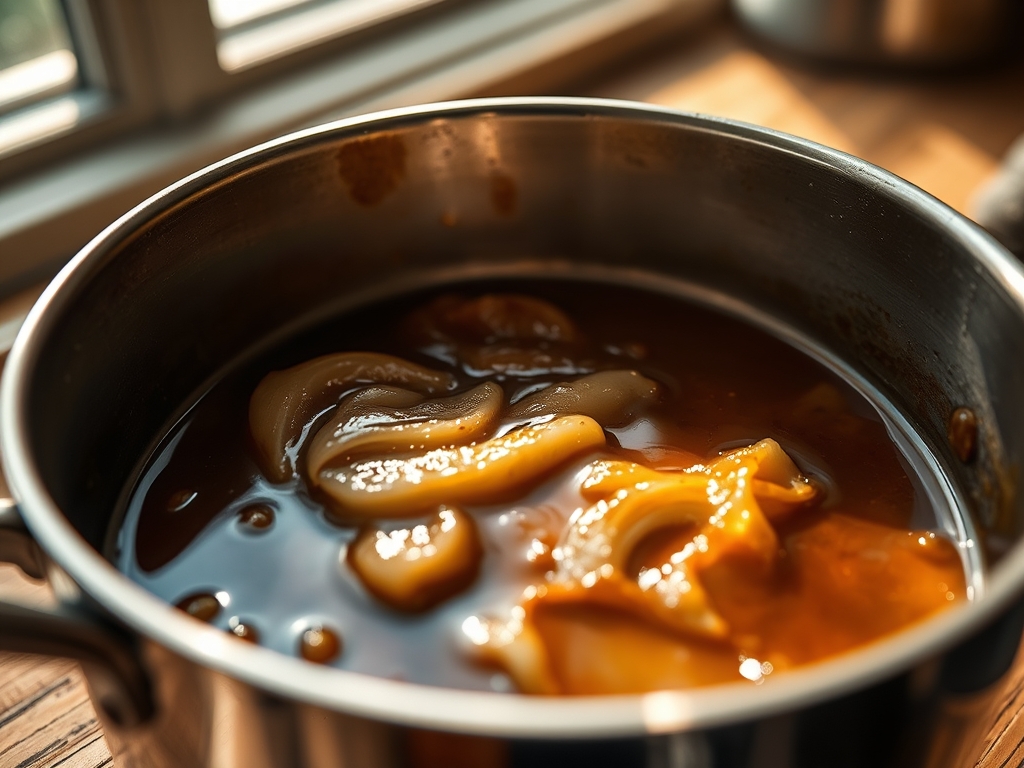
Place your raw birch sap in a stainless steel saucier or mixing bowl nestled within an ice bath. We need the liquid temperature to hover exactly at 2 degrees Celsius (35 degrees Fahrenheit) to maximize gas solubility. Use a digital scale to measure your xylitol and malic acid with milligram precision.
Pro Tip: Keeping the sap near freezing prevents the xylitol from over-saturating the palate. Cold temperatures suppress the perception of sweetness, allowing the subtle mineral notes of the sap to dominate the initial sip.
2. The Xylitol Integration
Slowly rain the xylitol into the cold sap while whisking vigorously. You are looking for a clear, viscous consistency. The goal is to create a homogenous solution where the xylitol acts as a humectant, drawing moisture into the cells more efficiently than glucose-based sweeteners.
Pro Tip: Xylitol has a negative heat of solution; it actually absorbs heat as it dissolves, creating a physical "cooling" sensation on the tongue. This is a molecular trick that enhances the refreshing nature of the drink.
3. Acid and Mineral Balancing
Add the malic acid and the pinch of smoked sea salt. The malic acid provides a sharp, green-apple tartness that cuts through the roundness of the sap. The salt does not make it salty; it acts as a flavor bridge that connects the sweetness of the xylitol to the earthy notes of the birch.
Pro Tip: Use a bench scraper to finely mince the mint before adding it to a small tea infuser. This increases the surface area, allowing the essential oils to infuse the liquid without leaving debris in the final product.
4. Carbonation Injection
Gently pour the sparkling mineral water down the side of the vessel to preserve the carbon dioxide levels. Do not stir aggressively. A single, slow rotation with a long bar spoon is sufficient to integrate the two liquids without degassing the mixture.
Pro Tip: The bubbles in the mineral water act as "flavor elevators," carrying the aromatic mint terpenes directly to the olfactory receptors as you tilt the glass.
Section B: Prep & Timing Fault-Lines:
Timing is everything when dealing with forest saps. If left at room temperature for more than 30 minutes, the natural sugars can begin a wild fermentation process, resulting in a "funk" that ruins the crisp profile. Always keep your components chilled until the exact moment of assembly. If you find the drink is too "thin," you likely over-diluted with the mineral water. Correct this by adding a concentrated drop of vegetable glycerin to restore the viscous mouthfeel associated with high-quality sap.
THE VISUAL SPECTRUM
Section C: Thermal & Visual Troubleshooting:
Referencing the Masterclass photo, your Birch Sap Hydration should be nearly translucent with a slight opalescent shimmer. If the liquid appears cloudy, your xylitol may have contained anti-caking agents, or your water source was too hard. If the mint leaves have turned brown, they have oxidized; this happens when they are bruised with a dull knife instead of a sharp blade. The "look" should be clinical and clean. If you see sediment at the bottom, your salt crystals were too large; next time, grind them into a fine flour before integration. The visual goal is a liquid that looks like melted glacier ice, punctuated by the vibrant green of the mint.
THE DEEP DIVE
Macro Nutrition Profile:
Per serving, this hydration matrix contains approximately 45 calories, almost exclusively from the 12g of xylitol. It features zero fats and zero proteins. However, it is a powerhouse of micronutrients, including manganese, zinc, and calcium, all in a bioavailable ionic form.
Dietary Swaps:
- Vegan: Already compliant.
- Keto: Xylitol is a sugar alcohol with a glycemic index of 7, making this perfect for ketogenic protocols.
- GF: Naturally gluten-free.
- Alternative: If xylitol causes digestive distress, substitute with erythritol, though you will lose the specific "birch-to-birch" chemical synergy.
Meal Prep & Reheating Science:
Do not "reheat" this. It is a cold-chain product. For meal prep, you can mix the sap, xylitol, and acid up to 48 hours in advance. However, do not add the sparkling water or mint until the point of service. The carbonation will dissipate, and the mint will deglaze its chlorophyll into the water, resulting in a bitter, swampy flavor profile. Store in an airtight glass growler to maintain the molecular integrity of the forest minerals.
THE KITCHEN TABLE
How long does fresh birch sap last?
Raw sap is highly volatile. It lasts about 3 to 5 days in the coldest part of your refrigerator. For long-term storage, freeze it in silicone molds to preserve the enzymes and minerals without degradation.
Can I use maple sap instead?
You can, but the flavor profile shifts from "crisp and mineral" to "earthy and sweet." Maple sap lacks the xylitol-rich DNA of birch, so you will need to adjust your acid ratios to balance the extra glucose.
Why use malic acid instead of lemon juice?
Lemon juice adds citrus notes that mask the delicate birch flavor. Malic acid provides pure, "white" acidity that enhances the sap's natural characteristics without introducing competing fruit flavors. It keeps the infrastructure clean.
Is xylitol safe for everyone?
While excellent for humans and dental health, xylitol is highly toxic to dogs. If you have canine companions in your culinary workspace, handle this ingredient with the same caution you would use for hazardous chemicals.