Listen to the sizzle as the iron hits the protein; that is the sound of fatty acid profiles realigning under thermal stress. We are moving beyond the amateur hour of grocery store mystery meat and entering the realm of biological optimization. When you drop a ribeye onto a seasoned surface, you are not just cooking; you are conducting a chemical audit of the animal's entire lifespan. Grass Fed Beef Data indicates a radical shift in the lipid matrix compared to grain-finished alternatives. We are talking about a 3:1 ratio of Omega-3 to Omega-6 fatty acids, a stark contrast to the inflammatory 15:1 ratios found in industrial feedlots. This is the gold standard of carnivorous consumption. The fat renders out not as a heavy, cloying grease, but as a clean, viscous liquid gold that carries notes of clover and wild rye. Every gram of this tissue is packed with Conjugated Linoleic Acid (CLA), making this meal a metabolic masterpiece rather than just a caloric intake. Let us dissect the infrastructure of the perfect sear.
THE DATA MATRIX
| Metric | Specification |
|---|---|
| Prep Time | 20 Minutes |
| Execution Time | 12 Minutes |
| Yield | 2 Servings |
| Complexity (1-10) | 7 |
| Estimated Cost per Serving | $28.50 |
THE GATHERS
Ingredient Protocol:
- 500g / 1.1 lbs Pasture-Raised Ribeye (Dry-aged 21 days)
- 30ml / 2 tbsp Grass-fed Ghee or Tallow
- 15g / 1 tbsp Flaked Sea Salt (Maldon preferred)
- 5g / 1 tsp Coarse Tellicherry Peppercorns
- 30g / 2 tbsp Unsalted Grass-fed Butter
- 3 Garlic Cloves (Smashed)
- 2 Sprigs Fresh Rosemary
- 15ml / 1 tbsp Cold-pressed Extra Virgin Olive Oil (for finishing)
Section A: Ingredient Quality Audit:
If your beef arrives in a vacuum-sealed bag dripping with excess myoglobin (the red liquid often mistaken for blood), your cellular integrity is compromised. This "purge" indicates rapid freezing or poor aging. To fix this, remove the meat from the packaging immediately and place it on a wire rack in the refrigerator for four hours to desiccate the surface. If your herbs are limp and lack a piquant aroma, they will not infuse the fat properly. Revive them by submerging the stems in ice water for ten minutes before use. Sub-par salt with iodine additives will introduce a metallic "off" flavor; always audit your minerals to ensure a clean, crystalline finish that enhances rather than masks the Grass Fed Beef Data profile.
THE MASTERCLASS
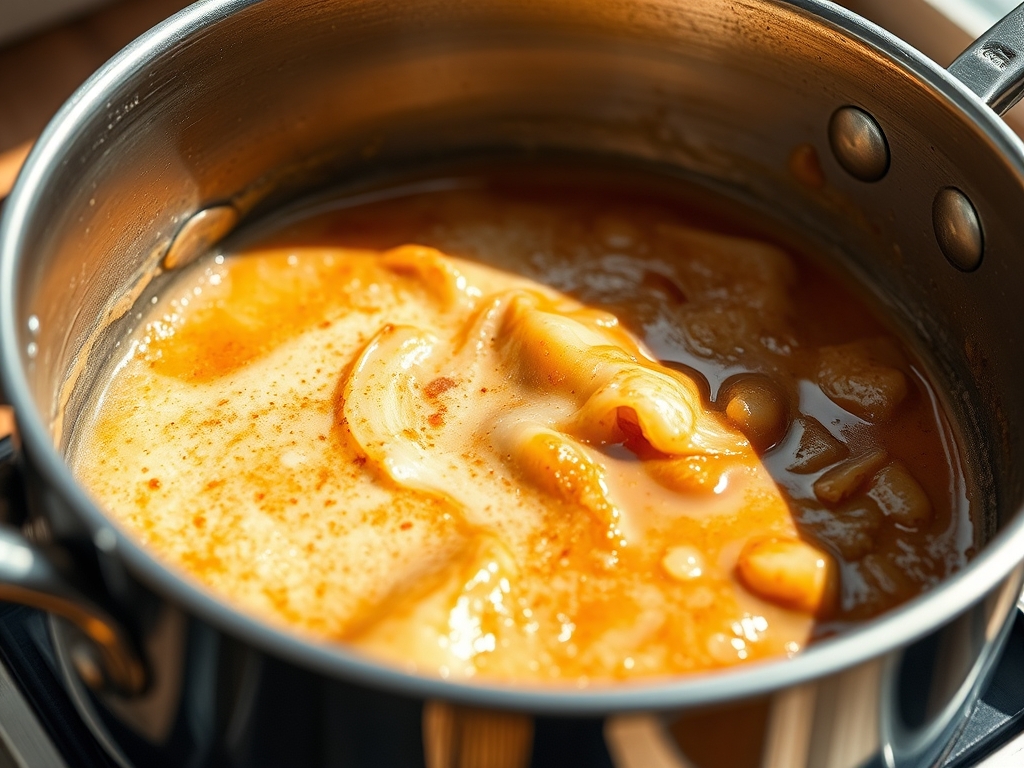
Step 1: Thermal Equalization
Remove the ribeye from the cold chain at least 45 minutes prior to ignition. Use a digital scale to ensure your salt distribution is exactly 1.5 percent of the total meat weight. Seasoning early allows the salt to penetrate the muscle fibers via osmosis, breaking down tough proteins before they ever hit the heat.
Pro Tip: This prevents the "rebound effect" where cold protein fibers contract violently upon contact with the pan, squeezing out precious intracellular moisture. Professional chefs call this "tempering" the meat.
Step 2: Surface Desiccation and Ignition
Pat the exterior of the steak with lint-free paper towels until it is bone dry. Heat a heavy-bottomed cast iron skillet until the surface temperature registers 450 degrees Fahrenheit on an infrared thermometer. Add your tallow; it should shimmer and reach a viscous state immediately.
Pro Tip: Moisture is the enemy of the Maillard reaction. If the surface is damp, you are steaming the meat rather than searing it. Use a bench scraper to clear any debris from your cutting board to maintain a sterile, dry environment.
Step 3: The Maillard Deployment
Lay the steak away from you to avoid hot oil splash. Press down firmly for the first thirty seconds to ensure maximum surface contact. Sear for three minutes per side, flipping only once. You are looking for a deep, mahogany crust that signals the caramelization of amino acids.
Pro Tip: The Maillard reaction occurs between 280 and 330 degrees Fahrenheit. If your pan drops below this, you lose the "crust" infrastructure. Use a heavy pan to maintain thermal mass.
Step 4: The Aromatic Infusion
Reduce the heat slightly and add the butter, garlic, and rosemary. As the butter foams, tilt the pan and use a large spoon to infuse the steak with the hot, herb-scented fat. This is known as "arroser" in French technique.
Pro Tip: Use a saucier or a deep spoon to continuously bathe the steak. This adds a secondary layer of flavor and ensures the fat-soluble vitamins in the grass-fed beef are fully accessible to your palate.
Step 5: The Molecular Rest
Transfer the steak to a warm plate and pour the remaining pan juices over it. Let it rest for exactly eight minutes. This allows the internal pressure to equalize and the juices to redistribute from the center back to the edges of the cut.
Pro Tip: Cutting too early results in a 15 percent loss of total moisture. Use a digital probe thermometer to ensure the carry-over cooking brings the internal temperature to exactly 130 degrees Fahrenheit for a perfect medium-rare.
Section B: Prep & Timing Fault-Lines:
The most common failure in the kitchen infrastructure is the "Panic Flip." Moving the meat too early prevents the protein from releasing naturally from the pan surface. If it sticks, it is not ready. Another critical error is neglecting the "Fat Cap." You must use tongs to stand the steak on its side to render the thick strip of external fat; otherwise, it remains a rubbery, unappealing texture that ruins the mouthfeel of the Grass Fed Beef Data experience.
THE VISUAL SPECTRUM
Section C: Thermal & Visual Troubleshooting:
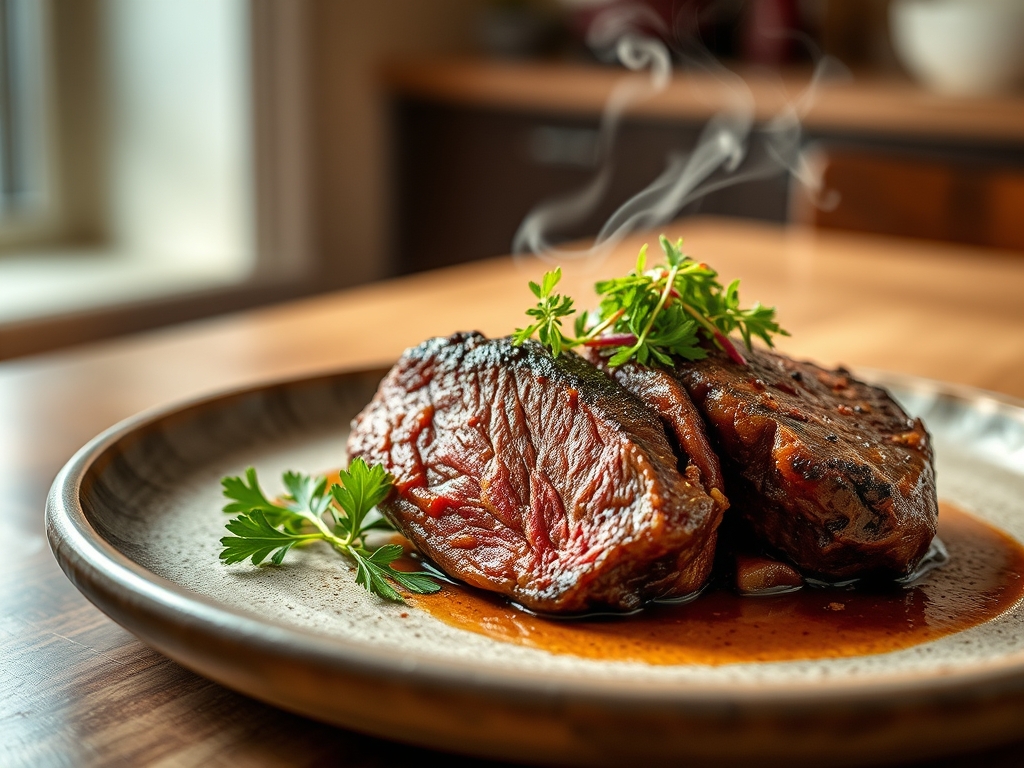
Look at the Masterclass photo above. Notice the "gradient" of the cross-section. If you see a thick grey band of overcooked meat surrounding a tiny red center, your heat was too high for too long. You want an "edge-to-edge" pinkness. If the crust is black rather than brown, your fats reached their smoke point and carbonized; this introduces bitterness. If the steak looks dull or "matte," it lacks the final gloss of a finishing oil or a butter baste. A perfect steak should have a specular highlight; a glisten that reflects the light, indicating a healthy coating of rendered lipids and moisture.
THE DEEP DIVE
Macro Nutrition Profile:
A standard 250g serving of this pasture-raised audit provides approximately 62g of protein, 38g of healthy fats (with that superior Omega-3 ratio), and 0g of carbohydrates. It is a dense source of Vitamin B12, Zinc, and Selenium.
Dietary Swaps:
- Keto: No changes needed; this is the foundational Keto blueprint.
- Vegan: Replace the ribeye with a "steak" of Lion's Mane mushroom, using vegan butter and coconut aminos to mimic the umami depth.
- GF: Naturally gluten-free, but ensure your sea salt hasn't been processed in a facility with wheat anti-caking agents.
Meal Prep & Reheating Science:
To maintain the molecular structure when reheating, avoid the microwave at all costs. The microwave vibrates water molecules, turning your steak into a rubbery mess. Instead, use a "reverse sear" method in a low oven (250 degrees Fahrenheit) until the internal temperature hits 110, then flash-sear in a pan for thirty seconds to revive the crust.
THE KITCHEN TABLE
Why does grass-fed beef cook faster?
Grass-fed beef has less intramuscular fat (marbling) and more lean muscle mass. This means it conducts heat more efficiently. You should generally reduce your total cooking time by about 30 percent compared to grain-fed steaks to avoid overcooking.
What is the best oil for searing?
Avoid seed oils like canola or soybean. Use fats with high smoke points that match the biological profile of the meat. Ghee, beef tallow, or avocado oil are the only acceptable mediums for a high-heat technical audit.
Can I use frozen grass-fed beef?
Yes, but the thawing process must be surgical. Thaw in the refrigerator over 24 hours. Never use a microwave or hot water, as this ruptures the cell walls and destroys the texture of the pasture-raised protein.
How do I know the steak is rested?
The "touch test" is unreliable for beginners. Use your timer. At the eight-minute mark, the surface of the meat should feel warm, not hot, and the pooling juices on the plate should be minimal and viscous.