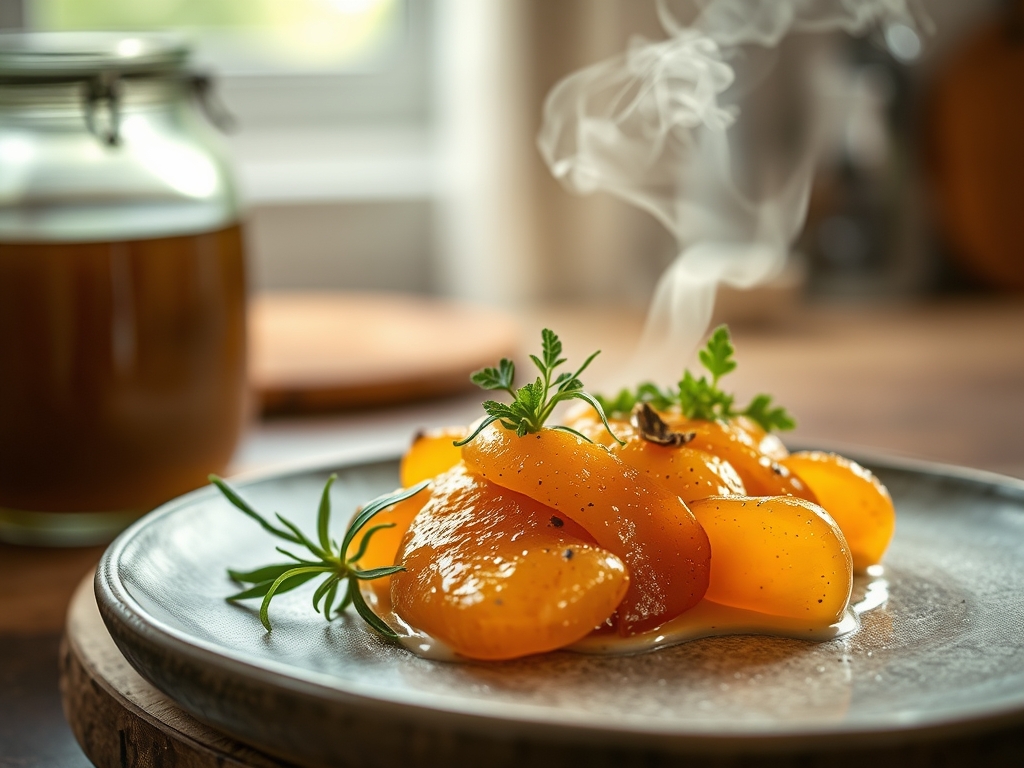
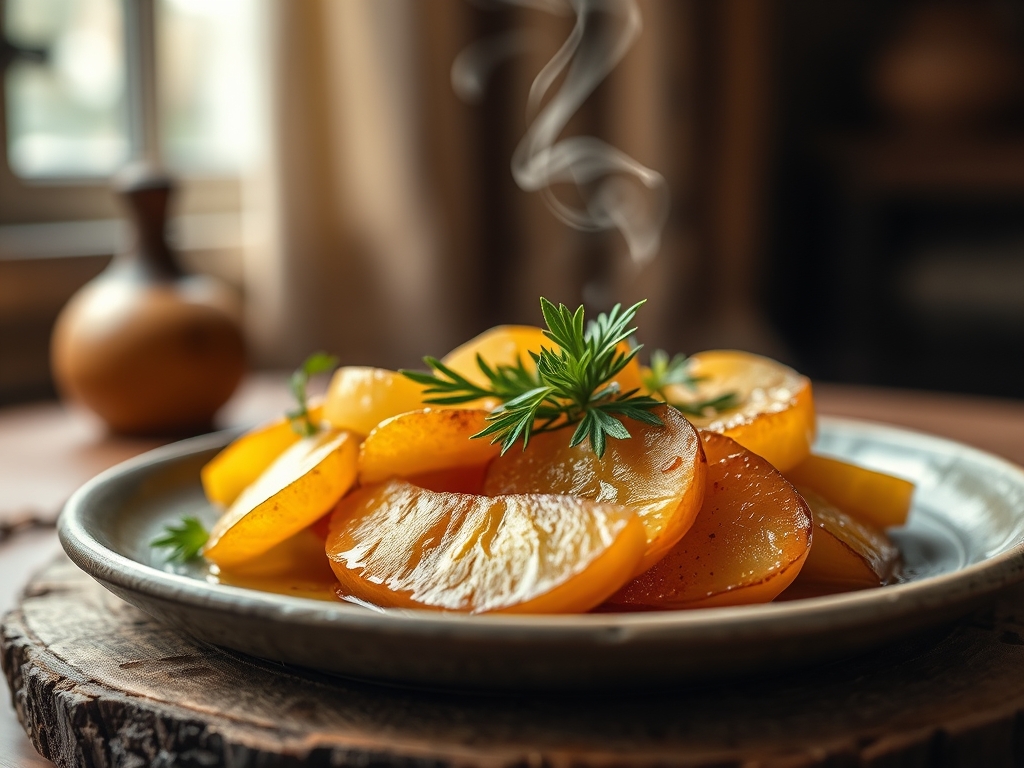
Imagine a liquid gold that vibrates with the frantic energy of a billion microscopic workers. This is not merely a condiment; it is a biological infrastructure project designed to overhaul your palate. When you uncork a bottle of high-quality Apple Cider Vinegar, you are greeted by a piquant aroma that slices through the air with surgical precision. It is sharp, bright, and unapologetically acidic. This is the "Mother" culture at work. It is a cloudy, cobweb-like mass of cellulose and acetic acid bacteria that transforms simple sugars into a complex, life-giving elixir. We are talking about a substance that can deglaze a pan of caramelized shallots or infuse a dull vinaigrette with electric vitality. In the culinary laboratory, Apple Cider Vinegar acts as the ultimate structural engineer. It balances fats, brightens heavy proteins, and provides the essential top-note that prevents a dish from falling flat. We are moving beyond the basic pantry staple. We are auditing the very foundation of fermentation to build a dish that celebrates the raw, unpasteurized power of the apple.
THE DATA MATRIX
| Metric | Specification |
|---|---|
| Prep Time | 15 Minutes |
| Execution Time | 25 Minutes |
| Yield | 4 Servings |
| Complexity (1-10) | 4 |
| Estimated Cost per Serving | $3.25 |
THE GATHERS
Ingredient Protocol:
- 500g / 1.1 lbs Organic Honeycrisp Apples (cored and sliced)
- 60ml / 4 tbsp Raw Apple Cider Vinegar (with the Mother)
- 120ml / 0.5 cup Heavy Cream or Full-Fat Coconut Milk
- 15ml / 1 tbsp Dijon Mustard
- 2.5g / 0.5 tsp Kosher Salt
- 30g / 2 tbsp Unsalted Grass-Fed Butter
- 2 sprigs Fresh Thyme
- 100ml / 0.4 cup Bone Broth or Vegetable Stock
Section A: Ingredient Quality Audit:
If your Apple Cider Vinegar looks crystal clear, you have failed the first audit. Clear vinegar has been pasteurized and stripped of its enzymatic complexity. You are looking for the "Mother," which provides the viscous mouthfeel and probiotic depth. If your apples are mealy or bruised, the sugars will not render properly during the searing phase. Use firm, high-acid apples like Granny Smith or Honeycrisp to maintain structural integrity. If using a dairy substitute that separates, the lack of lecithin is your enemy. Whisk in a pinch of mustard powder to act as a secondary emulsifier.
THE MASTERCLASS
Step 1: The Maillard Foundation
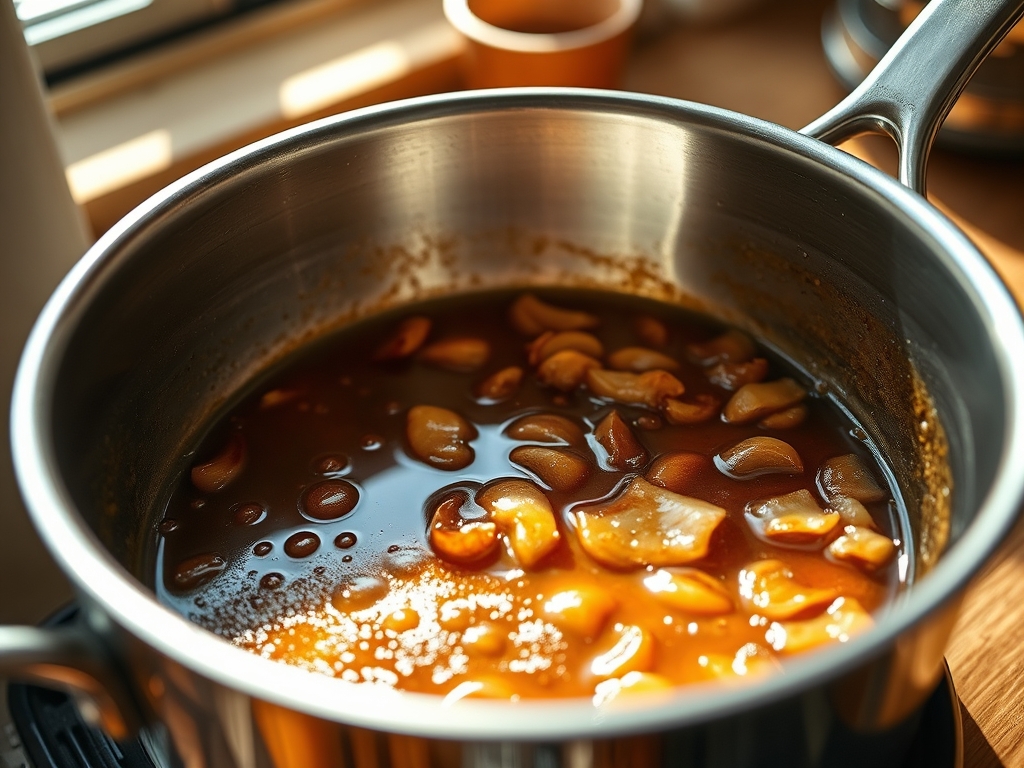
Place your saucier over medium-high heat and melt the butter until the milk solids begin to brown. Add the sliced apples in a single layer. Do not crowd the pan. Allow the natural sugars to undergo the Maillard reaction until a deep amber crust forms.
Pro Tip: Use a digital scale to ensure your apple-to-butter ratio is exact. Precision here prevents the fruit from poaching in its own juices rather than searing.
Step 2: The Acetic Deglaze
Once the apples are caramelized, pour in the Apple Cider Vinegar. Use a bench scraper or a wooden spoon to lift the fond (those flavorful brown bits) from the bottom of the pan. The acid will instantly dissolve the protein bonds sticking to the steel.
Pro Tip: The acetic acid acts as a solvent. By deglazing now, you capture the volatile aromatic compounds before they dissipate into the exhaust hood.
Step 3: Emulsifying the Infrastructure
Lower the heat and stream in the bone broth and cream while whisking constantly. Add the Dijon mustard. This creates a stable emulsion where the fat globules are suspended in the acidic liquid, creating a velvety texture.
Pro Tip: A saucier with rounded bottom edges is superior to a straight-sided skillet here. It allows the whisk to reach every millimeter of the sauce, preventing localized curdling.
Step 4: The Final Infusion
Add the fresh thyme sprigs and simmer for 5 minutes. The sauce should reduce until it is thick enough to coat the back of a spoon. Taste for balance. If it is too sharp, add a tiny pinch of salt to suppress the perception of acidity.
Pro Tip: Use a digital thermometer to ensure the sauce stays below 180 degrees Fahrenheit once the "Mother" vinegar is added. Excessive heat can kill the beneficial enzymes you worked so hard to preserve.
Section B: Prep & Timing Fault-Lines:
The most common failure in this protocol is "Thermal Shock." If you add cold cream to a boiling vinegar reduction, the proteins will denature and clump. Always temper your liquids by bringing them to room temperature before integration. If your apples turn to mush, you likely moved them too much. Leave them alone. Let the heat work. If the sauce breaks (oil separating from the liquid), remove it from the heat immediately and whisk in a teaspoon of warm water to re-establish the bond.
THE VISUAL SPECTRUM
Section C: Thermal & Visual Troubleshooting:
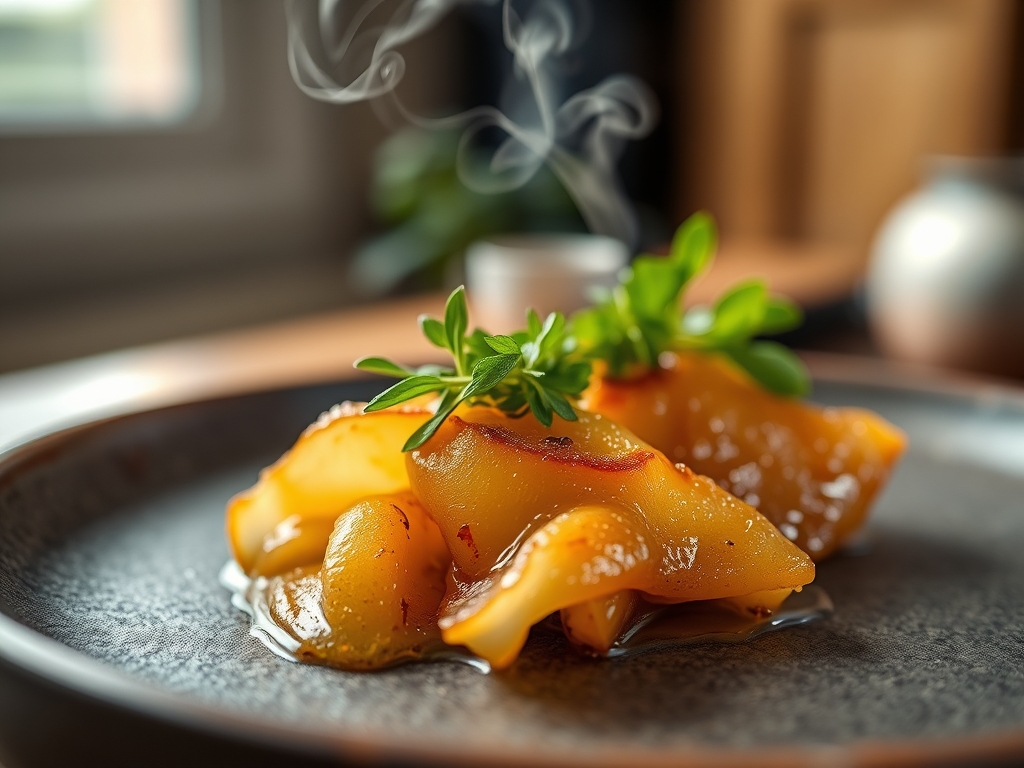
Look at the reference image above. Notice the "high-gloss" sheen on the sauce. This indicates a perfect emulsion. If your sauce looks matte or dull, you lack sufficient fat or the emulsion has failed. The apples should retain a golden-brown perimeter while the centers remain pale and firm. If the entire dish looks gray, your heat was too low, leading to steaming instead of searing. The "Mother" sediment may create small dark flecks in the sauce; do not panic. This is a visual cue of authenticity and nutrient density.
THE DEEP DIVE
Macro Nutrition Profile:
This dish is a powerhouse of functional nutrition. Per serving, you are looking at approximately 180 calories, 12g of healthy fats, 15g of carbohydrates (mostly from fruit fiber), and 2g of protein. The acetic acid helps modulate the glycemic response of the sugars in the apples.
Dietary Swaps:
- Vegan: Swap butter for avocado oil and cream for full-fat cashew milk.
- Keto: Reduce the apple volume by half and increase the butter and bone broth.
- GF: Naturally gluten-free, provided your bone broth is certified.
Meal Prep & Reheating Science:
To maintain the molecular structure, do not microwave this dish on high power. The intense radiation will break the emulsion and turn the butter oily. Instead, reheat gently in a small pot over low heat, adding a splash of water or extra vinegar to aerate the sauce and restore its original viscosity.
THE KITCHEN TABLE
Why is my vinegar cloudy?
That cloudiness is the "Mother." It consists of strands of proteins, enzymes, and friendly bacteria. It is the hallmark of a high-quality, unfiltered product. Do not strain it out; it contains the bulk of the bioavailability.
Can I use white vinegar instead?
Absolutely not. White vinegar is a laboratory-grade acetic acid that lacks the malic acid and enzymatic profile of fermented apples. It will provide a harsh, one-dimensional burn rather than the complex, fruity brightness required for this infrastructure.
How do I stop the cream from curdling?
Curdling happens when the acid in the vinegar reacts too violently with the dairy proteins. Ensure your heat is low and you use a high-fat cream. Fat acts as a buffer that protects the proteins from the acid.
What is the best way to store leftovers?
Store in a glass airtight container for up to three days. Glass is non-reactive, which is crucial because the acidity of the vinegar can leach metallic flavors out of plastic or low-quality metal containers.