Imagine a microscopic gold rush occurring right on your palate. We are not just talking about a garnish; we are discussing a biological powerhouse that functions as the literal lifeblood of the hive. Bee Pollen Nutrients represent the ultimate concentrate of floral biodiversity, captured in tiny, technicolor granules that shatter with a satisfying, earthy crunch. When you integrate these into a high-performance culinary application, you are not merely cooking; you are performing an act of biochemical engineering. The aroma is a complex tapestry of wildflower meadows, fermented nectar, and a sharp, musky undertone that hints at its raw enzymatic power. This is the apex of functional food. It is vibrant, volatile, and unapologetically potent. If you handle it with the respect it deserves, you unlock a spectrum of flavors ranging from toasted brioche to bright, citrusy acidity. Forget the dusty health food store stereotypes. We are here to audit the infrastructure of this superfood and deploy it with surgical precision into a recipe that maximizes its bioavailability and sensory impact.
THE DATA MATRIX
| Metric | Specification |
|---|---|
| Prep Time | 15 Minutes |
| Execution Time | 5 Minutes |
| Yield | 2 Servings |
| Complexity (1-10) | 4 |
| Estimated Cost per Serving | $4.50 |
THE GATHERS
Ingredient Protocol:
- 60g / 4 tbsp High-Grade Raw Bee Pollen (Multifloral preferred)
- 250ml / 1 cup Greek Yogurt or Cultured Coconut Cream (Full fat for lipid transport)
- 30ml / 2 tbsp Raw Manuka Honey (UAF 15+ for enzymatic synergy)
- 5g / 1 tsp Freshly Grated Ginger Root (To stimulate gastric motility)
- 120g / 1 cup Fresh Organic Raspberries (For anthocyanin balance)
- 15g / 1 tbsp Toasted Hemp Hearts (For structural crunch)
Section A: Ingredient Quality Audit:
The primary failure point in sourcing Bee Pollen Nutrients is oxidation. If your granules arrive dull, grey, or possess a rancid, soapy odor, the delicate fatty acids have compromised. High-quality pollen should be variegated in color; ranging from pale lemon to deep indigo; and should feel slightly tacky rather than bone-dry. If your pollen is too hard, it has been over-dehydrated. To fix this, infuse the pollen in a small amount of room-temperature honey for ten minutes before use to rehydrate the outer husk. If your yogurt shows whey separation, do not discard the liquid. That liquid contains vital minerals; whisk it back in using a balloon whisk to restore the viscous emulsion required for proper nutrient delivery.
THE MASTERCLASS
1. The Lipid Foundation
Place your chilled yogurt or coconut cream into a chilled stainless steel saucier. Use a digital scale to ensure your ratios are exact. Whisk the base vigorously to aerate the proteins, creating a lighter molecular structure that allows the pollen to suspend evenly rather than sinking to the bottom.
Pro Tip: Lipids are essential for the absorption of fat-soluble vitamins found in bee pollen. By using a full-fat base, you create a micellar delivery system that ensures the Bee Pollen Nutrients are effectively transported through the intestinal wall.
2. The Enzymatic Integration
Slowly fold in the raw honey and grated ginger. Use a silicone spatula to ensure you scrape the sides of the bowl, maintaining a homogenous mixture. Avoid high-velocity blending, as the friction heat from blades can denature the sensitive enzymes in both the honey and the pollen.
Pro Tip: Ginger contains gingerol, which acts as a prokinetic agent. This speeds up the transit of the pollen through the stomach, reducing the time these volatile compounds spend in highly acidic gastric juices and preserving their integrity.
3. The Controlled Suspension
Sprinkle half of the bee pollen over the mixture and allow it to sit for three minutes. This is the "bloom" phase. The moisture from the yogurt will begin to soften the exine (the tough outer shell of the pollen grain), making the internal nutrients more accessible to your digestive enzymes.
Pro Tip: Using a bench scraper to level off your dry measurements ensures consistency. The science of "blooming" is similar to coffee; it allows gases to escape and liquids to penetrate the core of the ingredient.
4. The Final Assembly and Texture Layering
Gently fold in the fresh raspberries, being careful not to crush them and release excess water, which would break the emulsion. Top with the remaining pollen and hemp hearts. Serve immediately in chilled glassware to maintain the thermal stability of the live cultures.
Pro Tip: Cold temperatures preserve the piquant notes of the pollen. If the dish reaches room temperature, the floral notes become overly "musty" and the texture loses its crisp definition.
Section B: Prep & Timing Fault-Lines:
The most common human error is premature assembly. If you mix the pollen into the base more than twenty minutes before consumption, the granules will dissolve completely. While the nutrients remain, you lose the textural contrast that defines the experience. Conversely, if you serve it too fast without the three-minute bloom, the granules can feel "sandy" or gritty. Always use a digital timer to hit that three-minute sweet spot. Temperature control is also vital; never use a warm bowl, as heat is the natural enemy of the volatile oils found in Bee Pollen Nutrients.
THE VISUAL SPECTRUM
Section C: Thermal & Visual Troubleshooting:
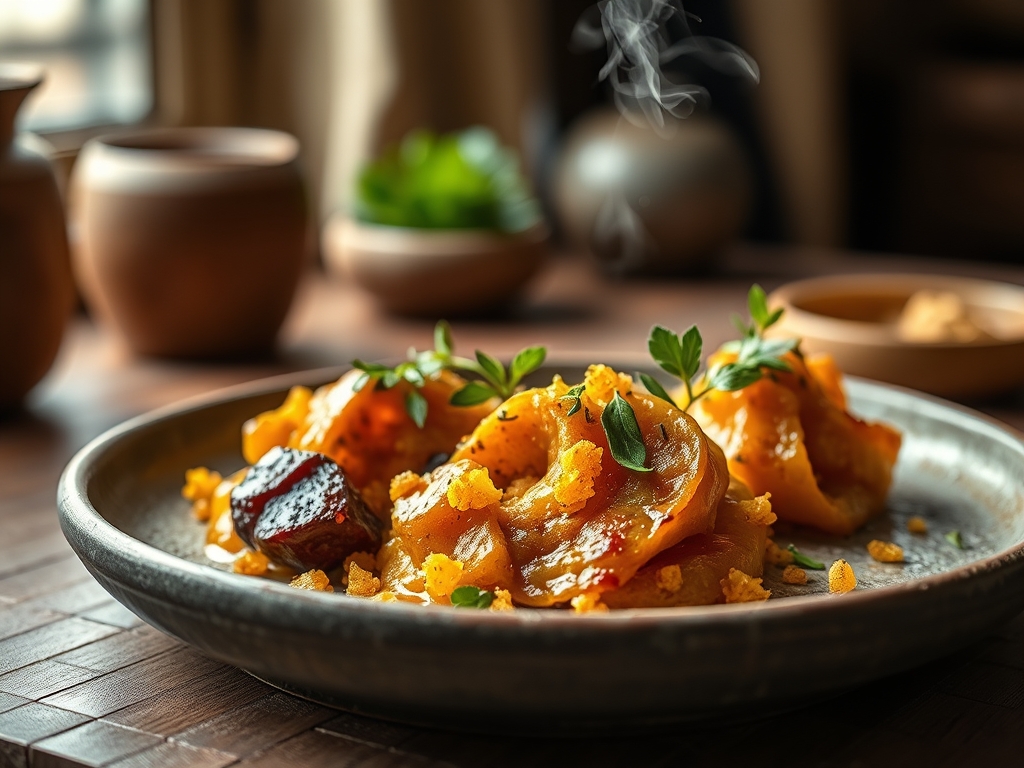
Look at the Masterclass photo above. Notice the distinct, sharp edges of the pollen granules against the creamy white background. If your dish looks muddy or the colors are bleeding, your fruit was likely too ripe or handled too roughly. If the pollen appears clumped together, it has likely absorbed ambient moisture from the air; keep your pollen container hermetically sealed until the exact moment of deployment. The raspberries should provide a vibrant, ruby contrast; if they look dull, a quick toss in a drop of lemon juice will render them bright again by adjusting the surface pH.
THE DEEP DIVE
Macro Nutrition Profile:
This protocol delivers a dense matrix of amino acids, including all essential ones. A single serving provides approximately 12g of protein, 18g of healthy fats (primarily Omega-3 and Omega-6), and a massive hit of B-vitamins. The Bee Pollen Nutrients act as a natural multivitamin, providing a bioavailable source of rutin, which supports vascular health.
Dietary Swaps:
- Vegan: Replace Greek yogurt with cultured cashew cream and honey with maple syrup (though you lose the honey's enzymatic benefits).
- Keto: Ensure the yogurt is zero-sugar and swap raspberries for blackberries to lower the glycemic load.
- GF: This recipe is naturally gluten-free, but ensure your hemp hearts are processed in a certified facility.
Meal Prep & Reheating Science:
Do not reheat this. Heat will destroy the molecular structure of the pollen and kill the probiotics in the yogurt. For meal prep, store the yogurt base and the pollen in separate compartments. Combine them only at the point of consumption to maintain the structural integrity of the "exine" shells.
THE KITCHEN TABLE
How do I know if my bee pollen is fresh?
Fresh pollen should have a floral, slightly sweet aroma. If it smells like old hay or vinegar, the fermentation has gone too far. It should also be slightly soft when pressed between two fingers.
Can I blend bee pollen into a smoothie?
You can, but you lose the textural "pop." If blending, add the pollen at the very end and pulse for only two seconds to avoid overheating the delicate Bee Pollen Nutrients with blade friction.
Why does the color of pollen vary so much?
Bees are generalist foragers. The color represents the specific floral source; orange usually indicates poppies, while yellow often comes from goldenrod or sunflowers. Variegated color is a sign of a healthy, biodiverse harvest.
Is there a limit to how much I should eat?
Start small. Because Bee Pollen Nutrients are incredibly concentrated, a single teaspoon is a standard starting dose. Gradually work your way up to two tablespoons as your digestive system acclimates to the dense fiber and enzymes.