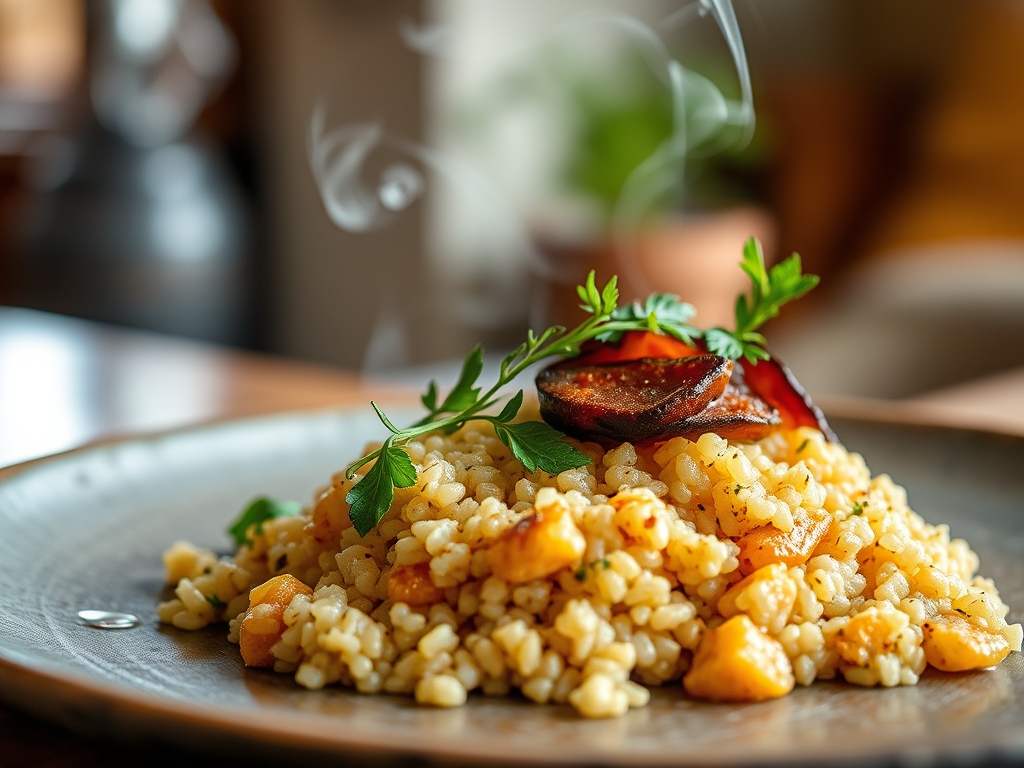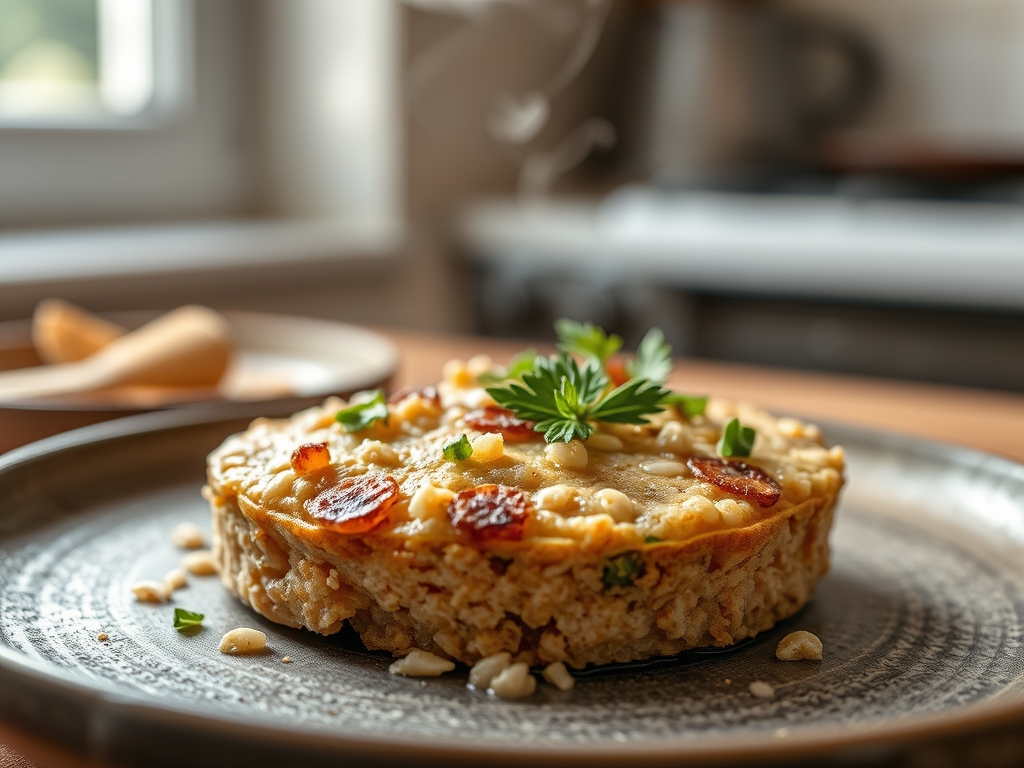
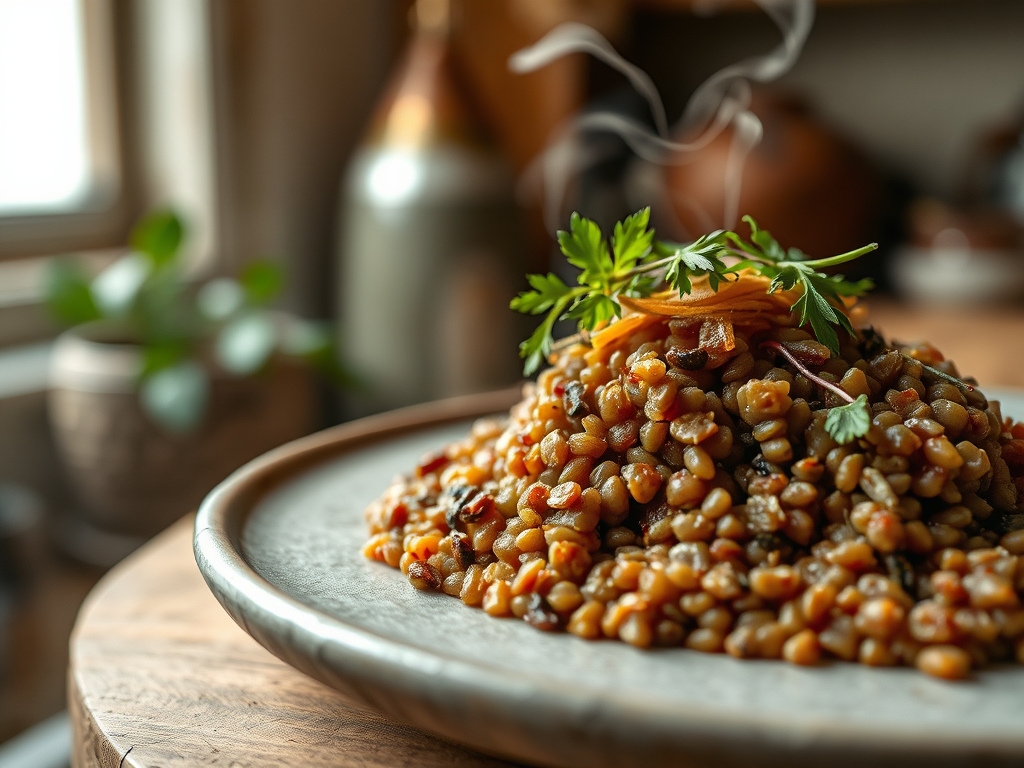
Stop treating your pantry like a storage unit and start viewing it as a high performance biological fuel depot. When we talk about the architecture of a perfect meal; we are really talking about Lentil Fiber Density. This is the structural integrity of the legume; the literal skeletal framework that dictates how your body processes glucose. Imagine a slow release energy cascade that prevents the dreaded mid afternoon insulin spike. We are not just boiling beans here; we are engineering a metabolic masterpiece. The scent of toasted cumin and blooming aromatics should fill your kitchen like a fragrant fog. You want a texture that is velvety yet distinct; where each pulse maintains its shape while surrendering to a buttery interior. This is the intersection of culinary art and clinical nutrition. By optimizing Lentil Fiber Density; you transform a humble bowl of soup into a sophisticated piece of health infrastructure. Get your digital scales ready and calibrate your senses. We are about to rebuild your relationship with complex carbohydrates from the cellular level up.
THE DATA MATRIX
| Metric | Specification |
|---|---|
| Prep Time | 15 Minutes |
| Execution Time | 40 Minutes |
| Yield | 4 Servings |
| Complexity | 4/10 |
| Estimated Cost per Serving | $1.45 |
THE GATHERS
Ingredient Protocol:
- 200g / 1 cup Dry Red or Brown Lentils (Debris-screened)
- 1L / 4 cups Low-Sodium Vegetable or Bone Broth
- 150g / 1 large Yellow Onion (Fine dice)
- 30g / 2 tbsp Extra Virgin Olive Oil
- 15g / 3 cloves Garlic (Microplaned)
- 5g / 1 tsp Ground Cumin
- 2g / 0.5 tsp Smoked Paprika
- 10ml / 2 tsp Fresh Lemon Juice
- 5g / 1 tsp Sea Salt (Adjust to taste)
- 1g / 0.25 tsp Fresh Cracked Black Pepper
Section A: Ingredient Quality Audit:
If your lentils look dusty or shriveled; they are likely oxidized. Old pulses lose their ability to hydrate properly; leading to a gritty texture regardless of cook time. To fix this; add a pinch of baking soda to the soaking liquid to weaken the pectin bonds. If your broth tastes flat; do not just add salt. Infuse the liquid with a parmesan rind or a piece of kombu to introduce natural glutamates. This creates a more viscous mouthfeel and rounds out the piquant notes of the spices.
THE MASTERCLASS
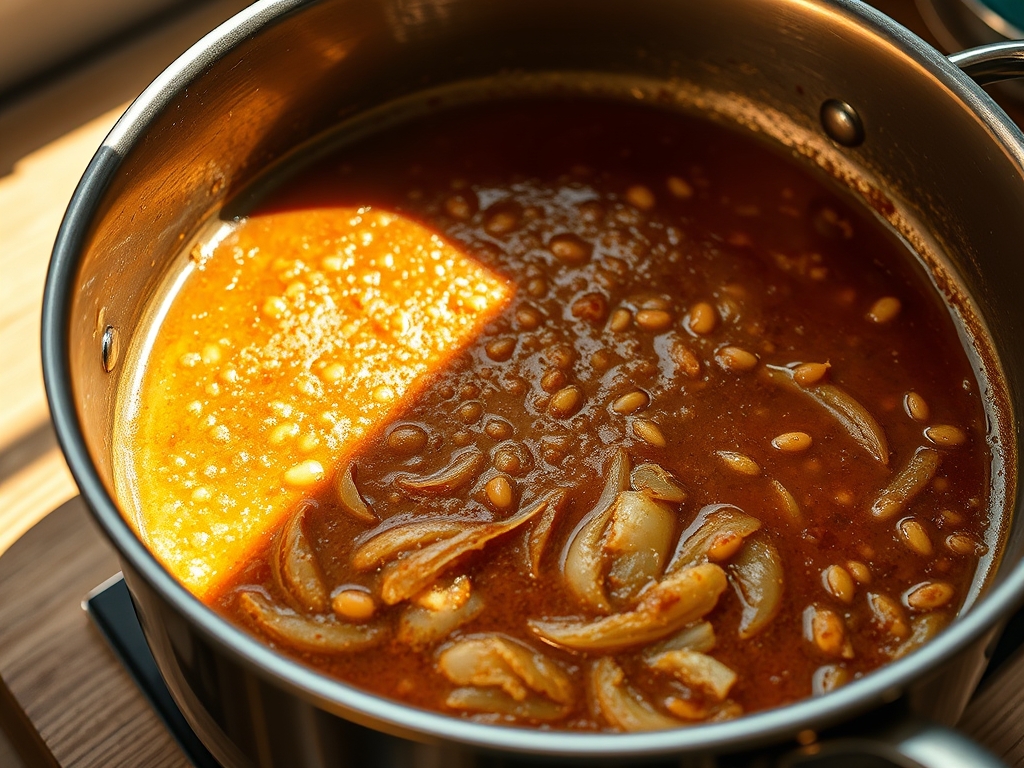
1. The Aromatic Foundation
Heat your saucier over medium heat and add the olive oil. Once the oil shimmers; introduce the onions. You are looking to render the moisture out until they are translucent but not browned. Add the garlic and spices in the final sixty seconds to aerate the volatile oils without burning the delicate compounds.
Pro Tip: Use a bench scraper to transfer your finely diced aromatics cleanly from the cutting board to the pan. This prevents "stray cuts" from burning while the rest of the batch catches up.
2. The Toast and Deglaze
Add the dry; rinsed lentils directly to the fat and aromatics. Stir constantly for two minutes. This light toasting creates a barrier that helps maintain Lentil Fiber Density during the simmering phase. Deglaze the pan with a splash of broth; scraping up any browned bits (the Maillard reaction products) from the bottom.
Pro Tip: Toasting the lentils before adding liquid initiates a light dextrinization of the starches; which provides a nuttier flavor profile and prevents the legumes from turning into a mushy paste.
3. The Controlled Simmer
Pour in the remaining broth and bring to a gentle boil; then immediately reduce to a low simmer. Cover the saucier partially. You want a lazy bubble; not a rolling boil. A violent boil will rupture the seed coats and destroy the structural fiber you are trying to preserve for glucose control.
Pro Tip: Use a digital scale to measure your liquid exactly. Evaporation rates vary; but starting with a precise ratio ensures the starch to liquid suspension is perfect every time.
4. The Emulsification Finish
Once the lentils are tender (about 20 to 25 minutes); remove from heat. Use a whisk to vigorously stir about ten percent of the lentils against the side of the pot. This releases just enough starch to create a creamy texture without the need for heavy dairy. Stir in the lemon juice and final seasoning.
Pro Tip: Adding acid (lemon juice) at the very end is crucial. If added too early; the acid toughens the lentil skins and prevents them from softening; effectively stalling the cooking process.
Section B: Prep & Timing Fault-Lines:
The most common error is "The Thermal Spike." If you cook lentils at too high a temperature; the exterior disintegrates while the interior remains chalky. If you find your liquid evaporating too quickly; add boiling water rather than cold water. Cold water shocks the legumes and can cause uneven hydration. Always use a timer; do not rely on visual cues alone until you have mastered the specific hydration rate of your local water supply.
THE VISUAL SPECTRUM
Section C: Thermal & Visual Troubleshooting:
Look at the Masterclass photo above. Notice the "matte-velvet" finish on the liquid and the distinct edges of the lentils. If your dish looks "gray" or "muddy;" you likely overcooked the aromatics or used old spices. To fix a dull color; stir in a teaspoon of fresh turmeric or a handful of bright green herbs like parsley at the end. If the liquid is too thin; continue to simmer uncovered for five minutes to reduce the volume and concentrate the starches. If the lentils are bursting and the soup looks like porridge; you have exceeded the optimal Lentil Fiber Density threshold; next time; reduce your cook time by four minutes.
THE DEEP DIVE
Macro Nutrition Profile:
A single serving provides approximately 18g of protein; 15g of fiber; and less than 1g of fat (excluding added oil). The high fiber content is the primary driver for glucose stabilization; as it slows the enzymatic breakdown of starches into simple sugars.
Dietary Swaps:
- Vegan: Already compliant. Ensure broth is strictly plant based.
- Keto: Lentils are moderate carb; so reduce serving size and increase healthy fats like avocado or extra virgin olive oil.
- GF: Naturally gluten free; but check broth labels for hidden yeast extracts or thickeners.
Meal Prep & Reheating Science:
Lentils are structurally stable for up to five days in the refrigerator. When reheating; the starches will have thickened the liquid into a gel. Add 30ml of water per serving before microwaving or stovetop heating. This prevents the "molecular collapse" of the fiber; maintaining that crucial slow release glucose benefit.
THE KITCHEN TABLE
How does fiber density actually control glucose?
High fiber density creates a physical barrier that slows down alpha amylase enzymes. This results in a gradual release of glucose into the bloodstream; preventing insulin spikes and the subsequent energy crash common with refined carbohydrates.
Can I use canned lentils for this?
Canned lentils are often overprocessed and have compromised fiber density. If you must use them; rinse thoroughly and reduce the simmering time to five minutes. The texture will be significantly softer and less structurally sound than dry.
Why is my soup bitter?
Bitterness usually stems from scorched garlic or over-toasted spices. If this happens; add a tiny pinch of sugar or more lemon juice to balance the palate. Next time; ensure your heat remains at a medium-low setting during the aromatic phase.
What is the best lentil for glucose control?
Puy or Beluga lentils are superior. They possess a thicker seed coat and higher Lentil Fiber Density compared to red lentils. They hold their shape perfectly; providing a lower glycemic index and a more satisfying chew.