Listen closely because your pantry is currently underperforming and your cellular infrastructure is paying the price. We are not just tossing seeds into a bowl; we are conducting a high-stakes extraction of Pumpkin Seed Zinc to fortify your biological systems. Imagine the scent of raw, emerald pepitas hitting a pre-heated cast iron surface. The sound is a rhythmic staccato of microscopic steam vents bursting as the internal moisture evaporates. This is the sound of structural transformation. As the heat rises, the aroma shifts from earthy grass to a deep, nutty caramelization that signals the activation of dormant oils. We are looking for that specific point of thermal equilibrium where the seed becomes brittle enough to shatter but retains its dense, mineral-rich core. This is culinary architecture at its finest. By the time we finish this audit, you will understand that a simple seed is actually a pressurized vessel of micronutrients ready to be deployed into your daily protocol with maximum efficiency and zero waste.
THE DATA MATRIX
| Metric | Specification |
|---|---|
| Prep Time | 10 Minutes |
| Execution Time | 15 Minutes |
| Yield | 500g / 2 Cups |
| Complexity (1-10) | 3 |
| Estimated Cost per Serving | $0.45 |
THE GATHERS
Ingredient Protocol:
- 500g / 2 cups Raw, Organic Pepitas (Hulled Pumpkin Seeds)
- 15ml / 1 tbsp Cold-Pressed Avocado Oil
- 5g / 1 tsp Smoked Paprika (Piquant Grade)
- 3g / 0.5 tsp Fine Sea Salt
- 2g / 0.25 tsp Cayenne Pepper (to infuse heat)
- 10ml / 2 tsp Organic Maple Syrup (to render a glaze)
Section A: Ingredient Quality Audit:
If your seeds appear dull, dusty, or possess a grayish hue, they have likely undergone lipid oxidation. This rancidity ruins the flavor profile and degrades the Pumpkin Seed Zinc bioavailability. To fix this in the future, always procure seeds from high-turnover vendors and store them in an airtight glass vessel in a cool, dark environment. If your spices have lost their aromatic punch, do not simply add more. Instead, aerate the spices in a dry pan for thirty seconds before adding the oil to wake up the volatile compounds.
THE MASTERCLASS
Step 1: The Calibration Phase
Begin by placing your digital scale on a level surface and taring it with a stainless steel mixing bowl. Measure your pepitas with precision. Transfer the seeds to a fine-mesh colander and rinse under cold water to remove any residual dust or debris. Pat them dry with a lint-free kitchen towel until they are bone dry.
Pro Tip: Moisture is the enemy of the Maillard reaction. If the seeds are damp, they will steam rather than roast; this prevents the development of the crisp exterior required for structural integrity.
Step 2: The Lipid Coating
Place a heavy-bottomed saucier or cast iron skillet over medium-low heat. Add the avocado oil and wait for the surface to shimmer. Introduce the seeds and use a bench scraper or heat-resistant spatula to move them constantly. Ensure every single seed is encapsulated in a thin, microscopic film of oil.
Pro Tip: Using a high-smoke point oil like avocado oil prevents the fats from breaking down into acrolein; this ensures the Pumpkin Seed Zinc remains protected within a stable molecular environment.
Step 3: Thermal Activation
Increase the heat to medium. You will hear the seeds begin to "pop" or "snap" as the internal air pockets expand. This is the moment to add your dry spices. Sprinkle the salt, paprika, and cayenne evenly across the surface. Continue to toss the mixture to prevent the spices from scorching on the bottom of the pan.
Pro Tip: Spices contain fat-soluble flavor compounds. By introducing them directly to the oiled seeds under heat, you infuse the flavor deep into the seed coat rather than just coating the surface.
Step 4: The Glaze Integration
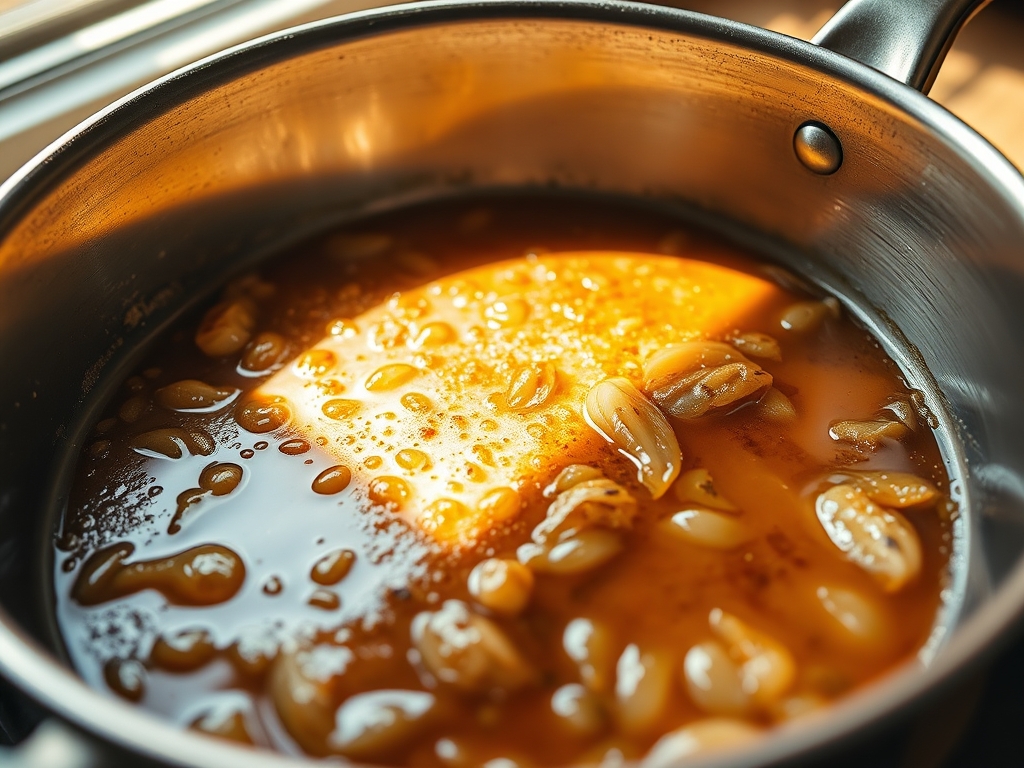
Once the seeds have achieved a golden-brown hue, drizzle the maple syrup over the mixture. The sugars will immediately begin to bubble and viscous bubbles will form. Stir vigorously for sixty seconds until the liquid has evaporated and left a shimmering, non-sticky glaze on each seed.
Pro Tip: This step creates a protective barrier that seals in the nutrients and provides a textural contrast. Use your digital scale to ensure you do not exceed the sugar threshold; balance is key to the audit.
Step 5: The Cooling Protocol
Spread the seeds in a single layer on a parchment-lined baking sheet. Do not crowd them. Allow them to cool completely at room temperature for at least twenty minutes before storage.
Pro Tip: Cooling in a single layer prevents residual steam from softening the seeds. This ensures the "snap" factor remains at a 10/10 rating.
Section B: Prep & Timing Fault-Lines:
The most common failure in this protocol is "Thermal Overshoot." If you leave the seeds in the pan after turning off the heat, the residual energy in the cast iron will continue to cook them; this often leads to a bitter, burnt aftertaste. Always transfer the seeds to a cold sheet pan immediately. If your seeds are sticky after cooling, you did not allow the maple syrup to fully deglaze and reduce in the pan. Re-heat them for two minutes to finish the evaporation process.
THE VISUAL SPECTRUM
Section C: Thermal & Visual Troubleshooting:
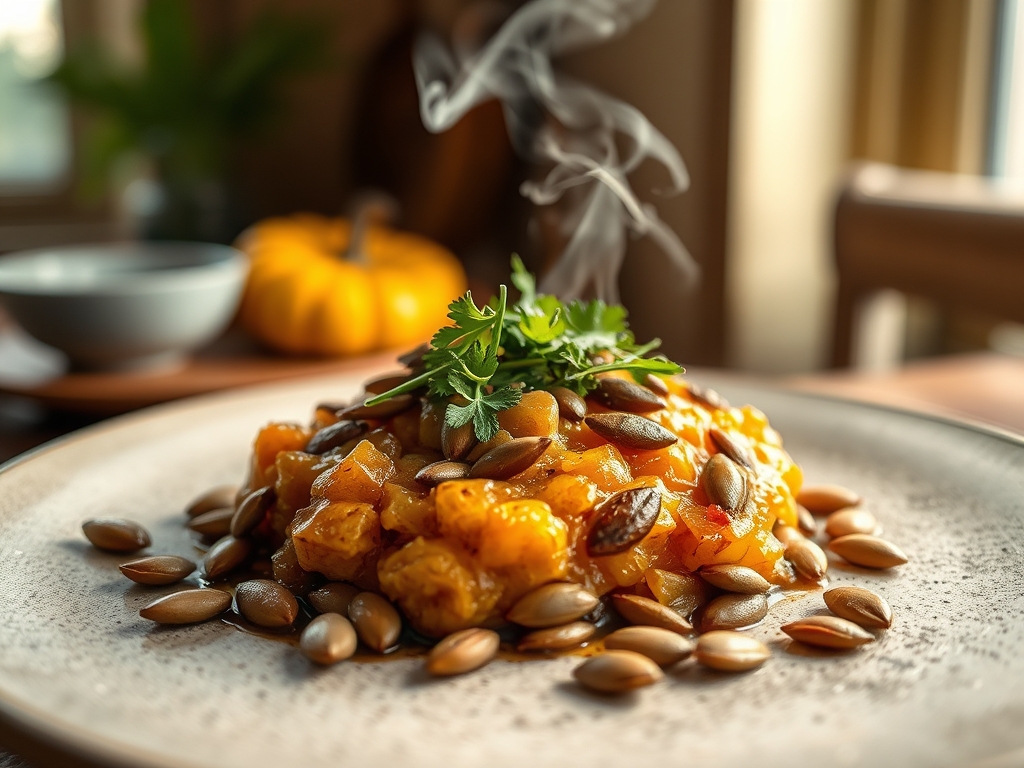
Referencing the Masterclass photo, your seeds should exhibit a vibrant, "burnt forest" green with highlights of copper. If your seeds look pale or "matte," they are under-roasted and will lack the nutty depth required for a successful audit. If they appear black or dark brown, the proteins have denatured too far. Look for the "puff" factor; a perfectly executed seed should look slightly inflated compared to its raw state. This indicates the internal moisture has successfully converted to steam, creating a light, aerated internal lattice.
THE DEEP DIVE
Macro Nutrition Profile:
A standard 30g serving provides approximately 150 calories, 13g of healthy fats, 7g of plant-based protein, and roughly 20% of your daily requirement for Pumpkin Seed Zinc. It is a dense, high-output fuel source designed for cognitive and physical maintenance.
Dietary Swaps:
- Vegan: This protocol is inherently vegan.
- Keto: Eliminate the maple syrup and replace it with a pinch of monk fruit sweetener or simply increase the salt and smoked paprika for a savory-only profile.
- GF: Ensure your spices are certified gluten-free to avoid cross-contamination.
Meal Prep & Reheating Science:
To maintain the molecular structure, store these in a vacuum-sealed container. If they lose their crunch due to humidity, do not use a microwave. Re-toast them in a dry pan for 90 seconds to re-evaporate any absorbed atmospheric moisture.
THE KITCHEN TABLE
Why is Pumpkin Seed Zinc so important for my daily audit?
Zinc is a critical co-factor for over 300 enzymatic reactions. It supports immune function, protein synthesis, and DNA repair. Utilizing pumpkin seeds provides a bioavailable, whole-food source that the body recognizes and absorbs efficiently.
Can I use a microwave for the roasting process?
Negative. Microwaves vibrate water molecules but do not facilitate the Maillard reaction. You will end up with hot, soggy seeds that lack the structural integrity and flavor profile of a pan-roasted or oven-roasted specimen.
My seeds are bitter; what happened to the infrastructure?
Bitterness usually indicates that the delicate oils in the seeds have reached their smoke point and scorched. This can also happen if the spices (especially paprika) are exposed to high heat for too long. Lower your temperature next time.
How long will these seeds remain shelf-stable?
In an airtight container at room temperature, they will maintain peak structural integrity for 14 days. For extended storage, refrigeration can push this to 30 days; however, you may need a quick re-toast to restore the crunch.