The air in a high-performance kitchen does not just sit; it vibrates with the kinetic energy of rapid-fire prep and the metallic tang of sharpened carbon steel. We are not merely making a snack here. We are engineering a physiological fuel cell. The centerpiece of this operation is the deep, bruised purple of the Amazonian superfruit, a pigment that signals the presence of high-density Acai Berry Anthocyanins. These water-soluble vacuolar pigments are the primary defensive shield of the fruit, evolved to withstand the brutal ultraviolet radiation of the equatorial sun. When you consume them, you are importing that same radical-scavenging capacity into your own cellular matrix. The flavor is not the sugary profile of a common berry; it is earthy, metallic, and slightly bitter, reminiscent of unsweetened cacao and wild vegetation. To master this infrastructure, you must respect the delicate stability of these polyphenols. Heat is the enemy. Oxidation is the adversary. Speed is your only ally. We are building a bowl that functions as a high-octane delivery system for pure, unadulterated vitality.
THE DATA MATRIX
| Metric | Specification |
|---|---|
| Prep Time | 10 Minutes |
| Execution Time | 5 Minutes |
| Yield | 2 Servings |
| Complexity (1-10) | 4 |
| Estimated Cost per Serving | $6.50 |
THE GATHERS
Ingredient Protocol:
- 400g / 14.1oz Frozen Pure Acai Pulp (Unsweetened)
- 120ml / 0.5 cup Chilled Coconut Water or Nut Milk
- 150g / 5.3oz Frozen Sliced Banana (for creaminess)
- 30g / 1.1oz Raw Almond Butter
- 15ml / 1 tbsp Raw Organic Honey or Agave
- 5g / 1 tsp Guarana Powder (Optional for maximum energy)
- Toppings: 50g / 1.8oz Hemp Hearts, 30g / 1.1oz Cacao Nibs, 100g / 3.5oz Fresh Berries
Section A: Ingredient Quality Audit:
The most common failure point in this infrastructure is the quality of the frozen pulp. If your acai appears brown or muddy rather than deep violet, it has suffered from thermal abuse or oxidation during transport. This degradation destroys the Acai Berry Anthocyanins and leaves you with a flavorless sludge. To fix this, look for "Grade A" or "Special" acai which has a higher solids content. If the texture is icy rather than viscous, your water content is too high. You can remediate a low-quality base by adding a pinch of citric acid to brighten the pH or by incorporating a high-fat stabilizer like avocado to render a smoother mouthfeel. Always use a digital scale to measure your frozen components; volume measurements are wildly inaccurate when dealing with irregular frozen chunks.
THE MASTERCLASS
1. Thermal Priming of the Vessel
Before you introduce the frozen matter, place your serving bowls in the freezer. A room-temperature bowl is a heat sink that will cause immediate melting at the interface, ruining the structural integrity of the blend. Use a digital scale to portion out your frozen acai and banana.
Pro Tip: This is a battle against ambient temperature. By chilling the equipment, you extend the "working window" of the anthocyanins, ensuring they remain in a stable, frozen suspension rather than a watery solution.
2. High-Shear Emulsification
Place the liquid base and the almond butter at the bottom of the blender jar. This ensures the blades can create a vortex immediately. Add the frozen acai blocks and banana on top. Use the tamper tool to aggressively push the frozen mass into the blades.
Pro Tip: You are looking to aerate the mixture slightly while maintaining a thick, sorbet-like consistency. The almond butter acts as an emulsifier, binding the water-based fruit juices with healthy fats for a superior, velvety finish.
3. Molecular Infusion
Once the mixture achieves a "four-quadrant" swirl (the classic cloverleaf shape in the blender), add your honey and guarana powder. Blend for no more than five additional seconds to infuse the flavors without generating frictional heat.
Pro Tip: Over-blending is the primary cause of structural collapse. Use a high-powered blender (at least 1200 watts) to minimize the time the fruit spends in the "danger zone" where friction begins to cook the delicate enzymes.
4. Structural Assembly
Transfer the mixture into your chilled bowls using a flexible silicone bench scraper to ensure zero waste. The texture should be thick enough that a spoon stands upright without assistance.
Pro Tip: A professional saucier or offset spatula can be used to create a textured surface on the top of the acai, providing "valleys" that catch the honey drizzle and hold the heavier toppings in place.
Section B: Prep & Timing Fault-Lines:
The most frequent human error is the "Liquid Cascade." If you add too much coconut water initially, you cannot reverse the process; you are left with a smoothie rather than a bowl. Start with 50% of the suggested liquid and incrementally add more only if the blender motor begins to stall. Temperature control is also vital. If your frozen fruit has been sitting on the counter for more than five minutes, the external cells have already thawed, leading to a grainy, "slushy" texture rather than a smooth emulsion. Work in a rapid, surgical manner to keep the internal temperature of the blend below -2 degrees Celsius.
THE VISUAL SPECTRUM
Section C: Thermal & Visual Troubleshooting:
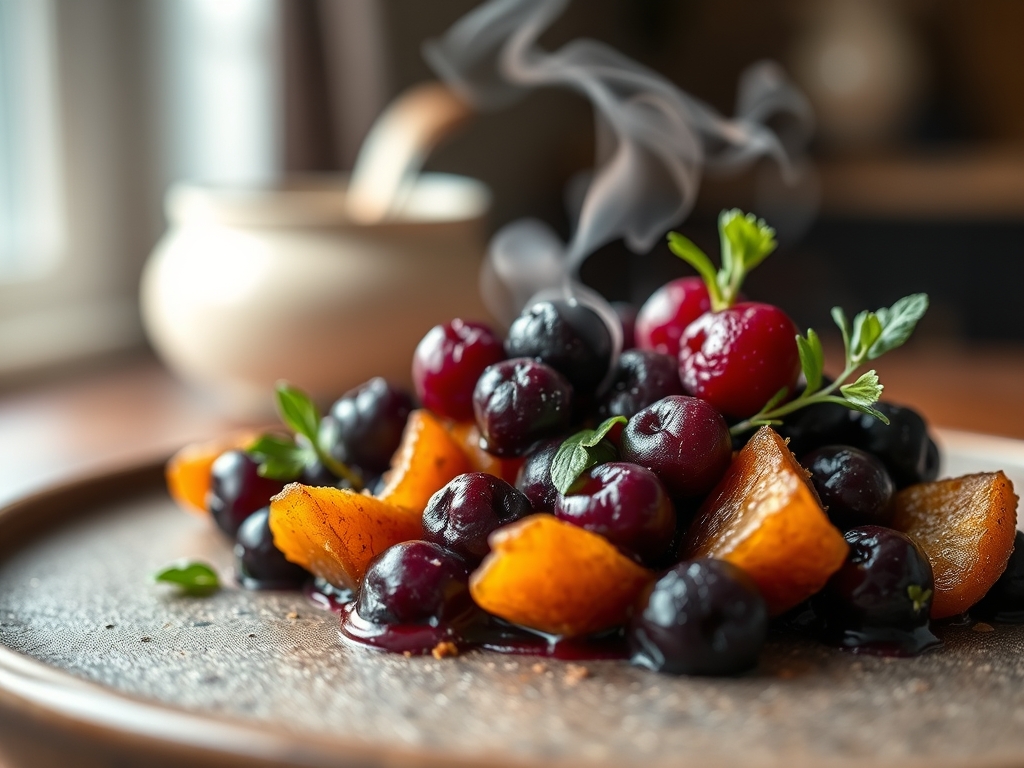
Referencing the Masterclass photo, observe the deep, saturated violet hue. This is the visual benchmark for high-potency Acai Berry Anthocyanins. If your result looks pale or pink, you likely used too much banana or dairy, which dilutes the pigment concentration. If the surface appears "sweaty" or shiny, the mixture is melting; return it to the freezer for three minutes to reset the crystal structure. For dull colors, a micro-dose of lemon juice can shift the pH slightly to favor the vibrant red-purple end of the anthocyanin spectrum. Ensure your toppings provide a textural contrast; the crunch of cacao nibs and the softness of fresh berries create a complex sensory profile that mirrors the complexity of the fruit's chemical makeup.
THE DEEP DIVE
Macro Nutrition Profile:
A standard serving (without heavy toppings) provides approximately 280 calories, 12g of healthy fats (mostly monounsaturated), 35g of carbohydrates (with 12g of dietary fiber), and 4g of protein. The glycemic load is remarkably low for a fruit-based meal due to the high fiber and fat content of the acai pulp.
Dietary Swaps:
- Vegan: Already compliant. Use maple syrup instead of honey.
- Keto: Replace the banana with frozen cauliflower rice and half an avocado. Use stevia or monk fruit as a sweetener.
- GF: Naturally gluten-free; ensure your granola or hemp toppings are processed in a certified facility.
Meal Prep & Reheating Science:
Acai bowls do not "reheat," but they can be pre-blended and stored. To maintain the molecular structure, freeze the blended base in silicone molds. When ready to consume, pulse the frozen cubes in a blender with a splash of liquid. This prevents the formation of large ice crystals that occur during static freezing.
THE KITCHEN TABLE
How do I keep my acai bowl from melting so fast?
Freeze your bowl and use 100% frozen fruit with minimal liquid. The thermal mass of the frozen ingredients must outweigh the liquid base to maintain a viscous, spoonable texture during consumption.
Can I use acai powder instead of frozen pulp?
You can, but the texture will suffer. Powder lacks the fibrous bulk of the pulp. To compensate, you must use a thicker frozen base like mango or extra banana to mimic the density of the original Amazonian infrastructure.
Why is my acai bowl bitter?
Pure acai is naturally low in sugar and high in tannins. If the bitterness is overpowering, you have likely under-sweetened the base. A small pinch of sea salt can actually suppress bitterness and enhance the perception of sweetness.
Is it okay to blend the toppings into the base?
Technically yes, but you lose the "Radical Scavenging" aesthetic. Toppings provide essential textural "interrupts" that slow down consumption, which aids in digestion and allows for better absorption of the Acai Berry Anthocyanins.